1
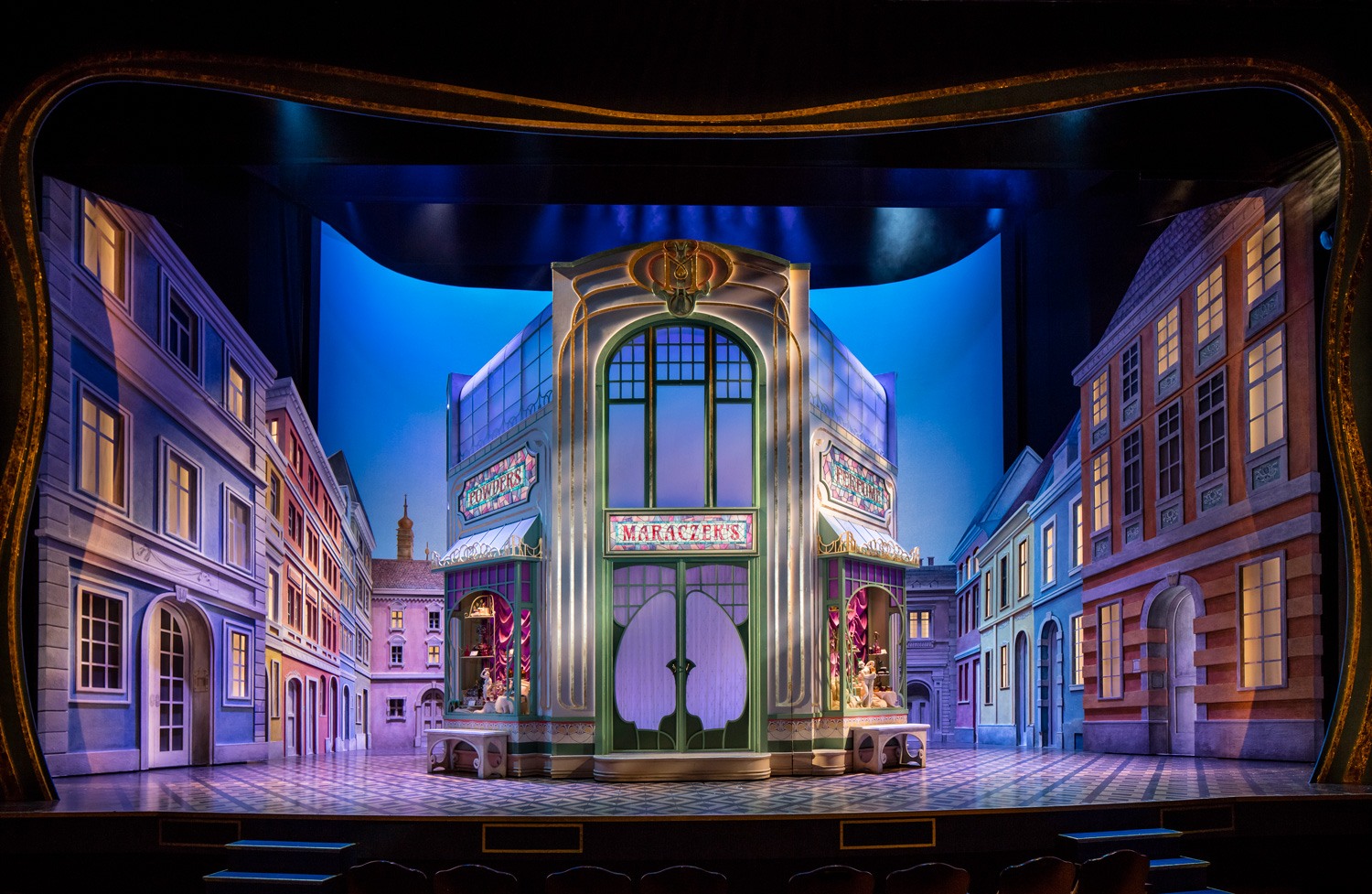
What is the setting of this stage?
What is the setting of this stage?
What is a drama?
What is an aside?
What is a monologue?
What is a soliloquy?
What do stage directions do?
What is the difference between a monologue and a soliloquy?
An aside is also known as...
Why are we learning these drama terms and elements?
What is the setting of this stage?
(from Pirates of the Caribbean: Curse of the Black Pearl)
DAVY JONES: You have a debt to pay. You've been Captain of the Black Pearl for thirteen years. That was our agreement.
JACK SPARROW: Technically, I was only captain for two years, then I was viciously mutinied upon.
DAVY JONES: Then you were a poor captain, but a captain nonetheless! Have you not introduced yourself all these years as Captain Jack Sparrow?
JACK SPARROW: You have my payment. One soul to serve on your ship is already over there.
DAVY JONES: One soul is not equal to another.
JACK SPARROW: Aha! So we've established my proposal is sound in principle, now we're just haggling over price.
DAVY JONES: Price?
JACK SPARROW: Just how many souls do you think my soul is worth?
DAVY JONES: One hundred souls, three days.
JACK SPARROW: You're a diamond, mate. Send me back the boy, I'll get started right off.
This is an example of...
(from Pirates of the Caribbean: Curse of the Black Pearl)
DAVY JONES: You have a debt to pay. You've been Captain of the Black Pearl for thirteen years. That was our agreement.
JACK SPARROW: Technically, I was only captain for two years, then I was viciously mutinied upon.
DAVY JONES: Then you were a poor captain, but a captain nonetheless! Have you not introduced yourself all these years as Captain Jack Sparrow?
JACK SPARROW: You have my payment. One soul to serve on your ship is already over there.
DAVY JONES: One soul is not equal to another.
JACK SPARROW: Aha! So we've established my proposal is sound in principle, now we're just haggling over price.
DAVY JONES: Price?
JACK SPARROW: Just how many souls do you think my soul is worth?
DAVY JONES: One hundred souls, three days.
JACK SPARROW: You're a diamond, mate. Send me back the boy, I'll get started right off.
How many characters are speaking?
(from Pirates of the Caribbean: Curse of the Black Pearl)
ELIZABETH to her ship’s crew: You will listen to me...LISTEN
The Brethren Court will still be looking to us, the black pearl to lead,
And what will they see?
Frightened bilge rats aboard a derelict ship no
They will see free men...AND FREEDOM!!
AND WHAT OUR ENEMIES WILL SEE IS THE FLASH OF OUR CANONS AND THE RING OF OUR SWORDS AND THEY WILL KNOW WHAT WE CAN DO!!
By the sweat of our brows, and the strength of our backs...and the courage of our hearts...
Gentlemen....hoist the colours.............HOIST THE COLOURS!!!!!
What is this an example of?
Which of the following is an example of a stage direction?
Which term refers to the perspective from which a play is told?
A Conversation of Waves
Setting: The Atlantic Ocean
Characters: Small Wave and Big Wave
Scene 1
Small Wave: I'm so miserable (unhappy and moaning to itself) The other waves are big and powerful, while I'm so little and weak. Why is life so unfair?
Big Wave: (passing by) You only think so because you haven't seen your own 'original nature' clearly. You think you're a wave and you think you're suffering. In reality you are neither.
Small Wave: What? (surprised) I'm not a wave? But it's obvious I'm a wave! I've got my crest, see? And there's my wake, little as it is. What do you mean I'm not a wave?
Big Wave: This thing you call 'wave' is merely a temporary form you assume for a short time. You're really just water! When you understand completely that this is your fundamental nature, you will no longer be confused about being a wave, and you will be free of your misery.
Small Wave: (growing angrier) If I'm water, what about you?
Big Wave: (patiently) I'm water too. I'm temporarily assuming the form of a wave somewhat larger than you, but that doesn't change my fundamental essence - water! I'm you and you're me. We're part of a greater self.
(Satisfied, Small Wave rolls on and fades away to the shore.)
Small Wave's first line demonstrates a ______.
A Conversation of Waves
Setting: The Atlantic Ocean
Characters: Small Wave and Big Wave
Scene 1
Small Wave: I'm so miserable (unhappy and moaning to itself) The other waves are big and powerful, while I'm so little and weak. Why is life so unfair?
Big Wave: (passing by) You only think so because you haven't seen your own 'original nature' clearly. You think you're a wave and you think you're suffering. In reality you are neither.
Small Wave: What? (surprised) I'm not a wave? But it's obvious I'm a wave! I've got my crest, see? And there's my wake, little as it is. What do you mean I'm not a wave?
Big Wave: This thing you call 'wave' is merely a temporary form you assume for a short time. You're really just water! When you understand completely that this is your fundamental nature, you will no longer be confused about being a wave, and you will be free of your misery.
Small Wave: (growing angrier) If I'm water, what about you?
Big Wave: (patiently) I'm water too. I'm temporarily assuming the form of a wave somewhat larger than you, but that doesn't change my fundamental essence - water! I'm you and you're me. We're part of a greater self.
(Satisfied, Small Wave rolls on and fades away to the shore.)
What is the most important purpose of the stage directions in this drama?