Twa kɔ nsɛm atitiriw so
Log in
Sign up for FREE
arrow_back
Laabri

2024: NY Grade 8 - Science

star
star
star
star
star
Last updated 4 months ago
54 Nsɛmmisa
1
MS-PS4-2
1
MS-PS4-1

Tips for taking the test

  • Read all directions carefully.

  • Read each question carefully.

  • Think about the answer before choosing or writing.

  • Use all information given in each question.

  • A calculator may be used if it helps.


Energy Transfer by Waves

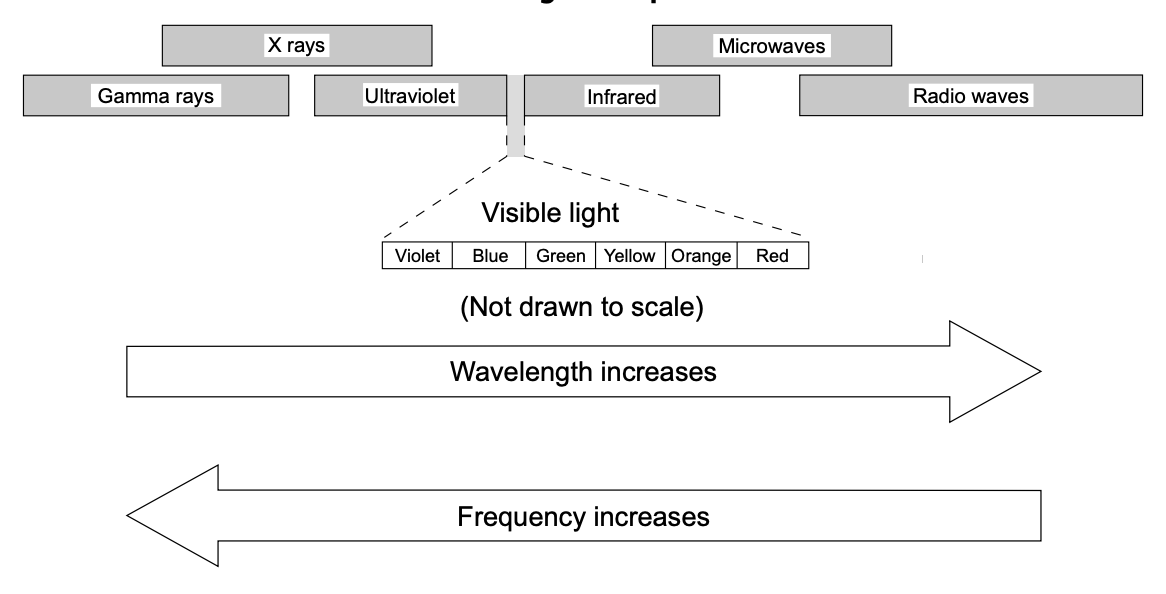
The electromagnetic spectrum comprises all frequencies of electromagnetic radiation that transmit energy and travel in the form of waves. This spectrum has different portions with different characteristics. The portion of the spectrum that humans can see is called visible light. People use the electromagnetic spectrum every day. Car radios, cell phones, and microwave ovens are just a few examples of devices that use the electromagnetic spectrum.

Electromagnetic Spectrum

1
Asemmisa {{asɛmmisaAhyɛnsode}}
1.

Which claim best describes the relationship between the frequency and wavelength of waves in the electromagnetic spectrum?

MS-PS4-1
1
MS-PS4-2

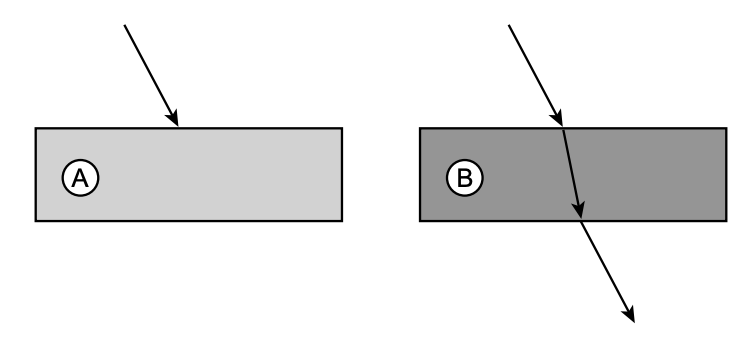
The models below represent the paths of visible light rays as the visible light rays interact with blocks made of different materials, labeled A and B.

1
Asemmisa {{asɛmmisaAhyɛnsode}}
3.

Based on the behavior of these visible light rays, which claim can be made about materials A or B?

MS-PS4-2
Asemmisa {{asɛmmisaAhyɛnsode}}
4.

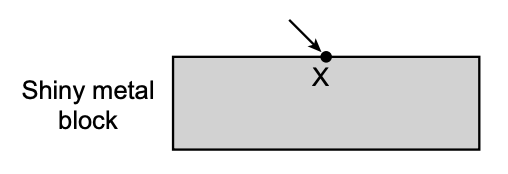
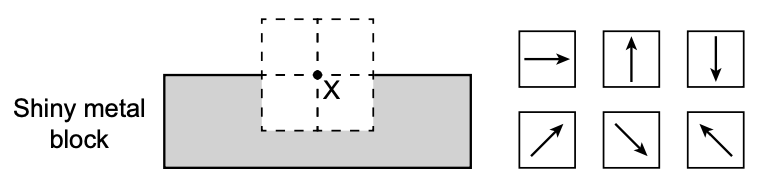
The model below represents a visible light ray striking the surface of a block of shiny metal at point X.

Select the arrow and box to show the path of the light ray if the ray was reflected from the shiny metal surface at point X.

Asemmisa {{asɛmmisaAhyɛnsode}}
5.

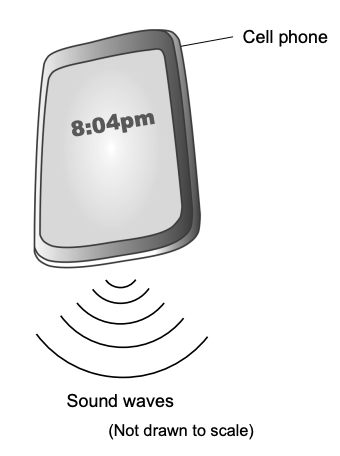
The model below shows sound waves being emitted from a cell phone.

Explain what happens to the sound if the amplitude of the waves increases.

1
MS-LS4-5
1
MS-LS4-5
1
MS-LS3-2
1
MS-LS4-5
1
MS-LS3-1
1
MS-ETS1-2
1
MS-PS3-1
1
MS-PS3-1
1
MS-PS3-1
1
MS-PS3-1
1
MS-PS3-2
1
Asemmisa {{asɛmmisaAhyɛnsode}}
17.

Explain how these monitoring methods have made a positive impact on the total water used by comparing the data of 2014 to the data of 2018.

MS-ESS3-3
1
MS-ESS3-1
1
MS-ESS3-4
1
Asemmisa {{asɛmmisaAhyɛnsode}}
20.
MS-ESS3-2
1
MS-ESS3-2
1
MS-ESS3-4
1
MS-LS4-3
1
MS-LS4-3
1
Asemmisa {{asɛmmisaAhyɛnsode}}
25.
MS-LS4-2
1
Asemmisa {{asɛmmisaAhyɛnsode}}
26.
MS-LS1-4
1
MS-LS4-1
1
MS-PS2-4
1
MS-PS2-4
0.5
MS-PS2-5
0.5
MS-PS2-5
1
MS-PS2-2
1
Asemmisa {{asɛmmisaAhyɛnsode}}
32.

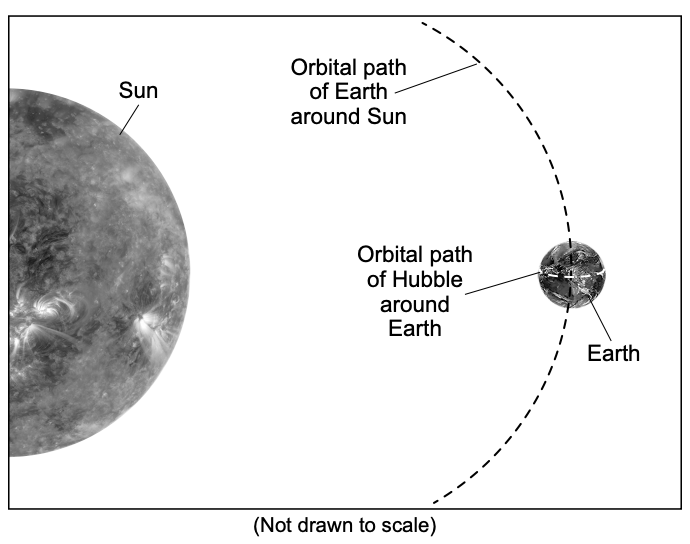
Explain, in terms of forces, why Hubble stays in its orbit around Earth, and why Earth stays in its orbit around the Sun. Include both Hubble–Earth and Sun–Earth interactions in your answer.

MS-ESS1-2
1
MS-ESS2-1
1
MS-ESS2-1
1
MS-ESS2-3
1
Asemmisa {{asɛmmisaAhyɛnsode}}
36.
MS-ESS2-4
1
Asemmisa {{asɛmmisaAhyɛnsode}}
37.
MS-ESS3-2
1
MS-ESS3-2

Base your answers to questions 39 through 43 on the information below and on your knowledge of science.

Respiration

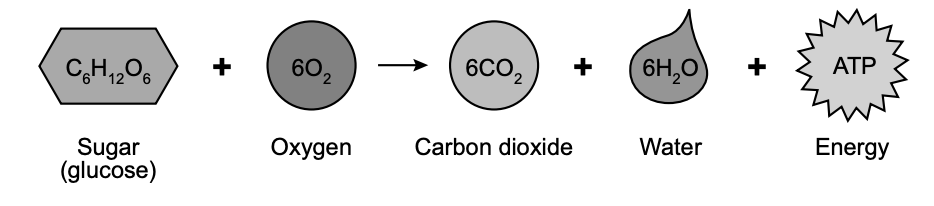
In order for athletes to run, bike, or hike long distances, more oxygen needs to be delivered to their cells. Athletes also need energy from food. Foods high in carbohydrates, such as sugar, provide this energy when the sugar and oxygen react to produce carbon dioxide, water, and energy during cellular respiration. The chemical reaction for this process is modeled below.

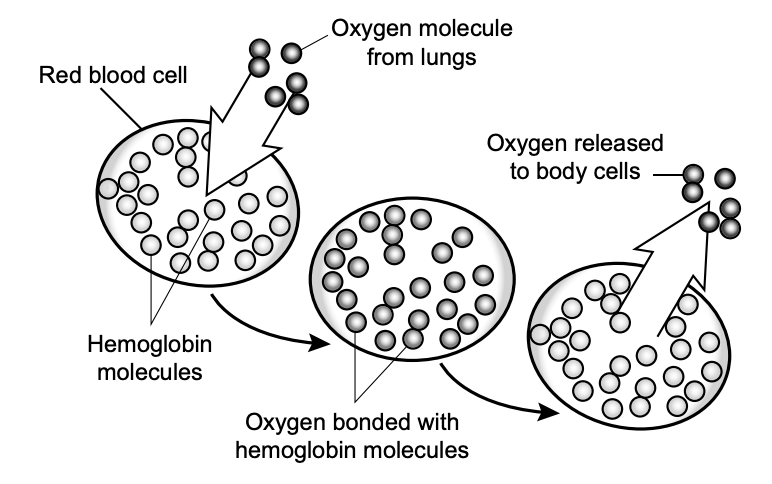
The transfer of oxygen within the human body is partially shown in the model below. Hemoglobin is the protein that red blood cells use to transport oxygen.

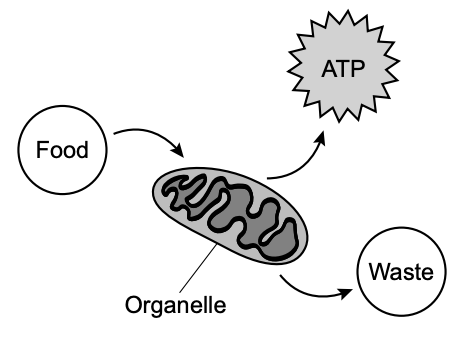
The model below represents cellular respiration taking place in an organelle within a body cell.

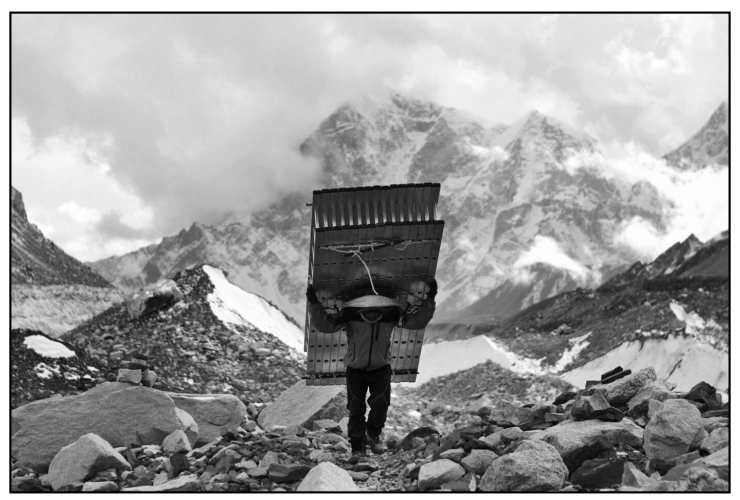
Sherpas are an ethnic group that live on the high southern slopes of the Himalaya Mountains in eastern Nepal. They are famous for their hiking skills and for guiding experienced hikers to the summit (top) of Mount Everest at 8848 meters (29,032 feet), carrying heavy loads.

Sherpas have lived on the high plateau of the Himalayas at an average altitude of more than 4480 meters (14,700 feet) going back at least 6,000 years when the earliest settlement appeared. This is a period of time sufficient to drive the natural selection of genetic variants favoring survival and performance in the low oxygen environment of mountain locations.

A Sherpa Carrying 15 Ladders for Hikers Trying to Summit Mount Everest

1
Asemmisa {{asɛmmisaAhyɛnsode}}
39.
MS-LS1-7
1
MS-LS1-3
1
MS-LS1-2
1
MS-LS2-4
1
MS-LS4-4
1
MS-LS2-2
1
Asemmisa {{asɛmmisaAhyɛnsode}}
45.
MS-LS2-2
1
Asemmisa {{asɛmmisaAhyɛnsode}}
46.
MS-LS2-2
1
MS-LS2-4
1
MS-ESS3-3

Base your answers to questions 49 through 53 on the information below and on your knowledge of science.

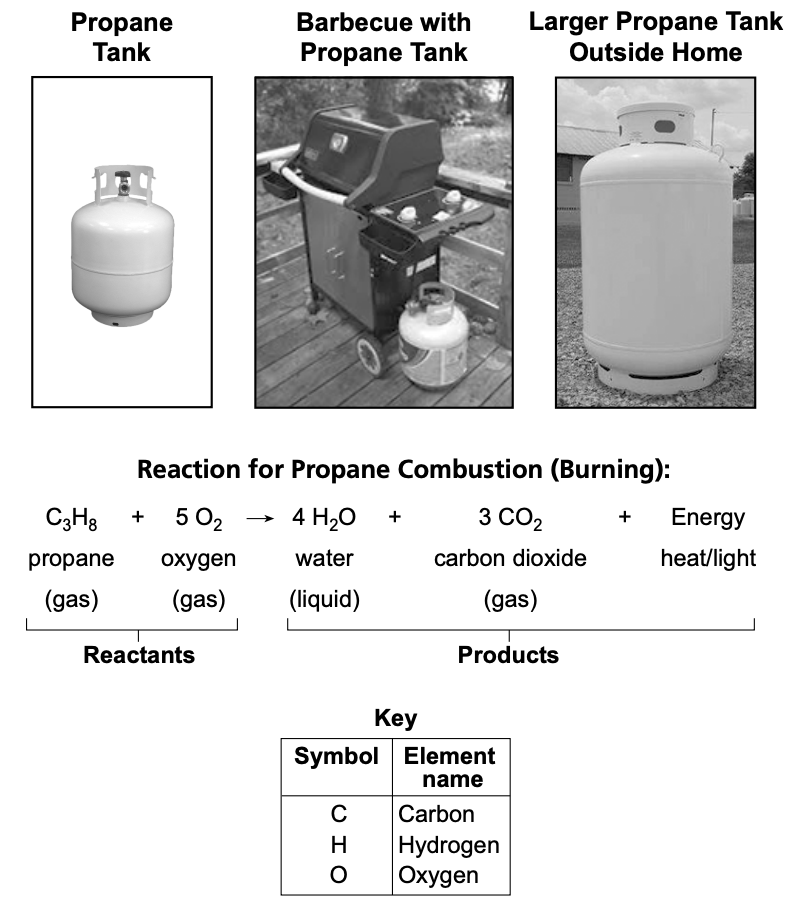
The Chemistry of Propane

Propane (C3H8) is a fl ammable gas at standard temperature and pressure. It can be compressed (put under pressure) and stored in steel containers as a liquid. Propane tanks are often used as the fuel source for barbecue grills, as well as residential (home) heating. A valve on the steel container releases the liquid propane, which vaporizes (turns into gas) when it is returned to standard temperature and pressure.

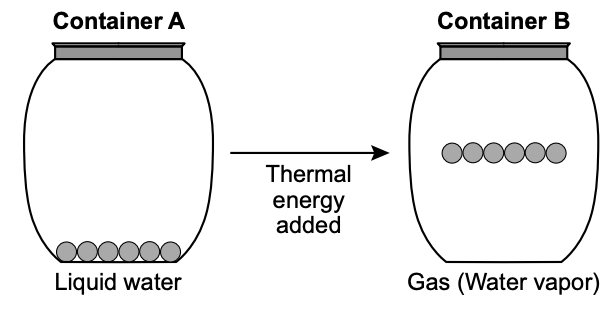
Two containers, A and B, are shown below. Container A represents a model of the arrangement of six particles of liquid water. In Container B, a student made a model of these same six particles after thermal energy was added and the water became water vapor. The student’s particle diagram was incorrectly drawn.

1
MS-PS1-1
1
Asemmisa {{asɛmmisaAhyɛnsode}}
50.

Provide evidence to support the claim that a chemical reaction has occurred during the combustion of propane.

MS-PS1-2
1
MS-PS1-5
1
MS-PS1-1
1
Asemmisa {{asɛmmisaAhyɛnsode}}
53.

Explain how the particles should be drawn to correctly represent the particle arrangement of water vapor.

MS-PS1-4
Asemmisa {{asɛmmisaAhyɛnsode}}
2.

A student wants to develop a model that demonstrates the transmission of waves. Which concept should the student include in the model to show how the transmission of visible light is different from the transmission of sound waves?

Base your answers to questions 6 through 11 on the information below and on your knowledge of science.

Variation and Corn

Through a variety of different processes, humans have used technology to alter the genetic make-up of wild plants and animals. Some of these altered organisms are used to produce more food.

Early farmers observed that some plants had more favorable characteristics than others, such as being better-tasting, having more seeds, or being easier to grow. Early farmers collected the seeds from the best plants and used them in an attempt to improve their plants. Slowly, the plants were changed over generations to have more favorable traits.

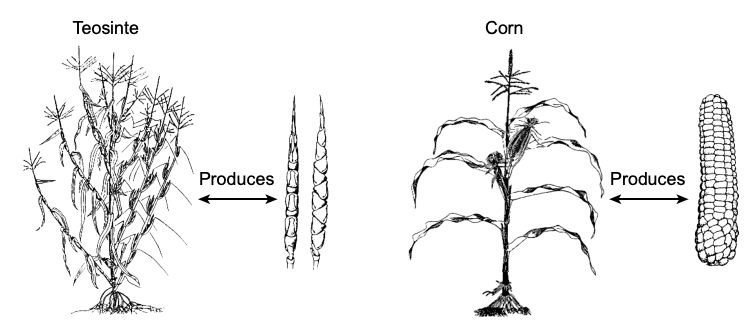
One example of a food crop that was altered around 9,000 years ago is corn. Teosinte is the early ancestor of corn. Teosinte is a large plant that has multiple branches with flowers that produce many structures that are not edible. Corn plants have only one main branch that produces flowers, which can develop into one or two large ears of corn that are edible.
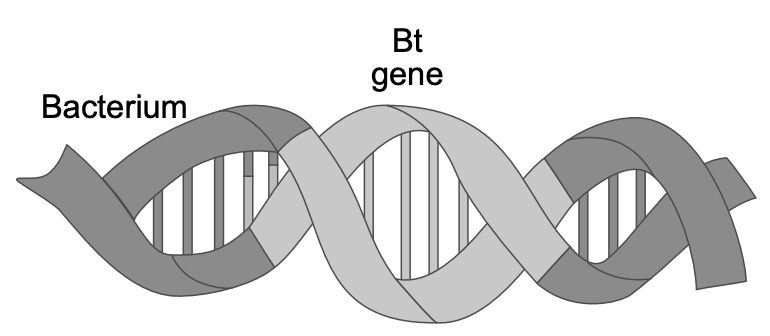
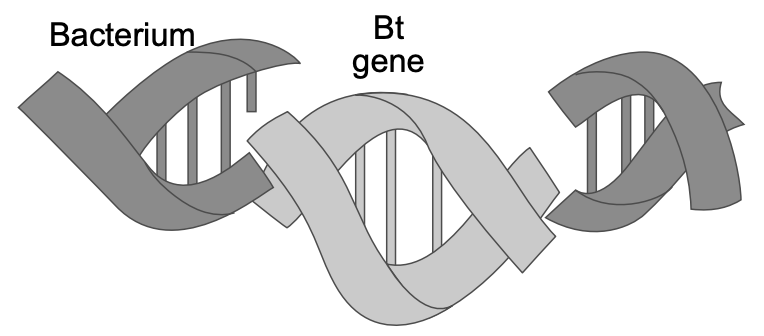
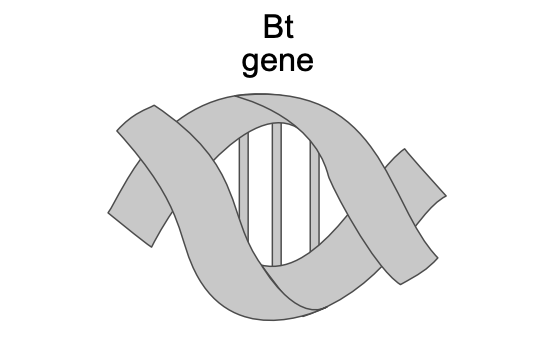
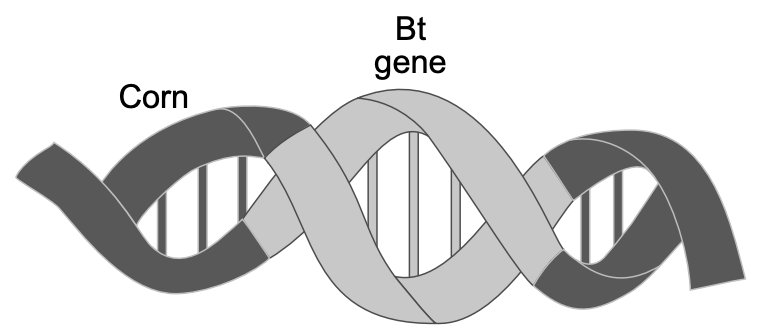
Insect pests damage a large amount of corn every year. One way scientists have successfully solved this problem is by growing a variety of corn that has an insect-resistant gene, the Bt gene, spliced into its genetic material. The Bt gene is cut from specific bacteria and inserted into the genetic material of corn. Insects feeding on this “Bt corn” get sick and die soon after. The chart bellow illustrates and describes a part of the process.

Genetic Material

Description

Bt gene from bacterium will help corn resist harmful insects.

Bt gene being removed from bacterium genetic material.

Bt gene isolated from bacterium.

Bt gene inserted into corn genetic material.

Sometimes traits that are not expected show up in organisms such as corn. Some of these traits are desirable, while others are harmful. The model below shows a structural change occurring in a chromosome.
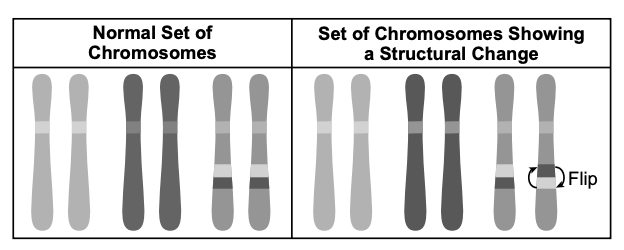
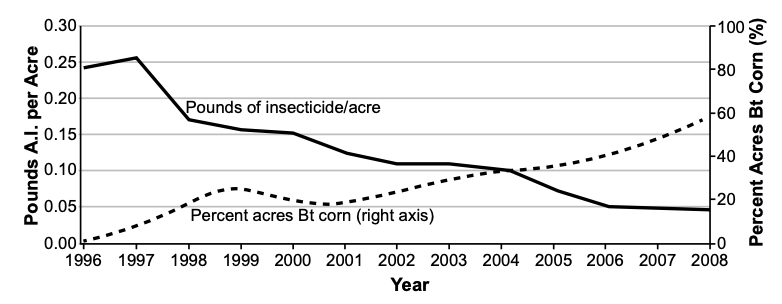
The graph below shows how the changes in acres of Bt corn grown from 1996 to 2008 have influenced the amount of insecticide used per acre over that same period of time.

Pounds of Insecticide Active Ingredient (A.I.) per Planted Acre And Percent Acres of Bt Corn (%) from 1996 to 2008
Energy of Skateboarders

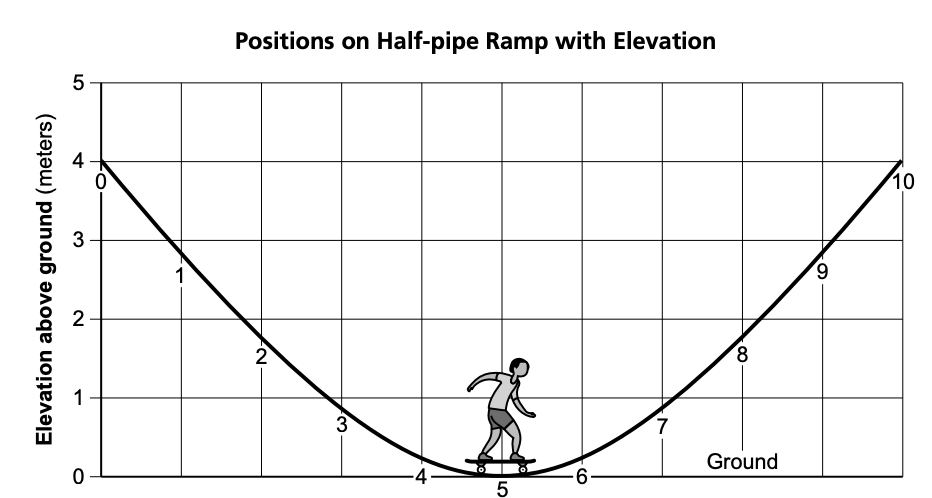
Three skaters, who weighed between 88 pounds (40 kg) and 177 pounds (80 kg), went to a local skate park and each tried the half-pipe. A half-pipe is a U-shaped ramp, as shown below.
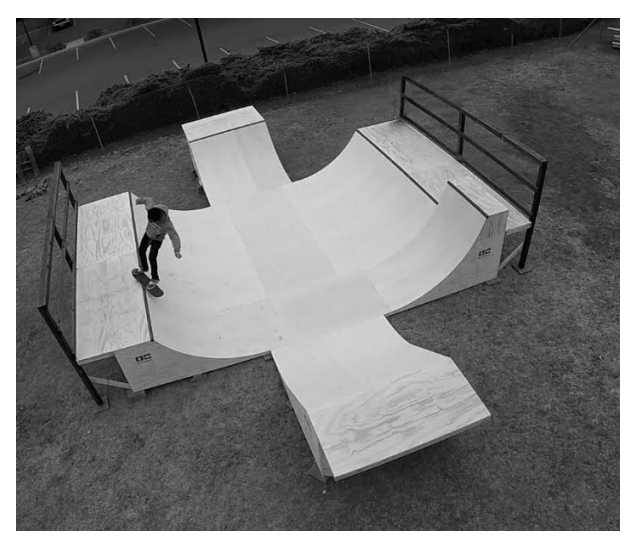
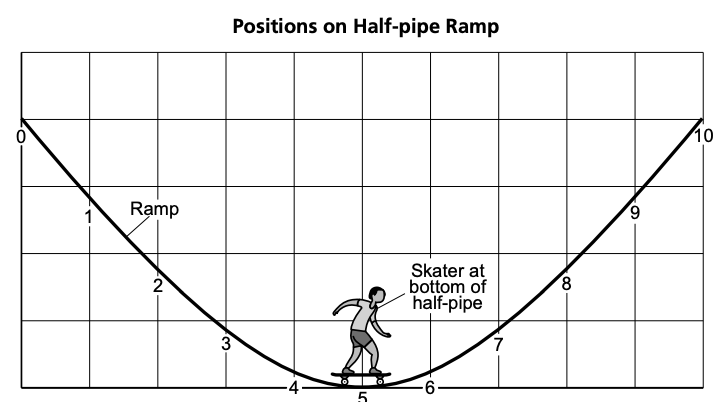
Data on the kinetic energy of the three skaters (40 kg, 60 kg, and 80 kg) at ten different positions of the half-pipe ramp were collected and graphed. The locations of the positions on the ramp are shown below.

Kinetic Energy of Three Skaters on a Half-pipe Ramp at Positions 0 to 10
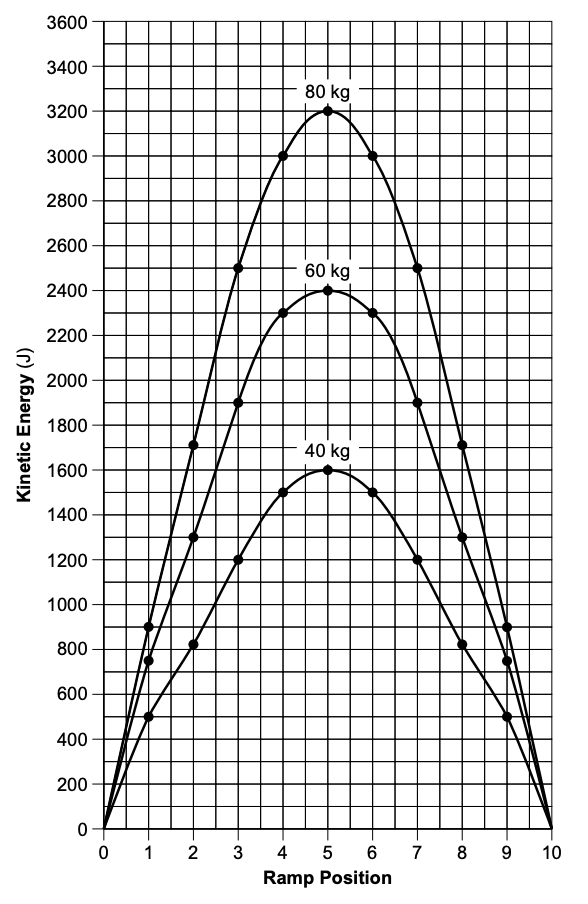
The data table below shows the speed (m/s) and kinetic energy (J) of the 80-kg skater from position 0 to position 5.

Speed and Kinetic Energy of 80-kg Skater

Position

Speed (m/s)

Kinetic Energy (J)

0

0

0

1

4.8

900

2

6.6

1700

3

7.8

2500

4

8.6

3000

5

8.8

32

Asemmisa {{asɛmmisaAhyɛnsode}}
6.

How were two traits altered that resulted in modern day corn plants?

Asemmisa {{asɛmmisaAhyɛnsode}}
7.
Asemmisa {{asɛmmisaAhyɛnsode}}
8.

Explain, in terms of offspring traits, why sexual reproduction and not asexual reproduction was used to produce corn plants from teosinte plants.

Asemmisa {{asɛmmisaAhyɛnsode}}
9.

Adding the genetic material from the bacterium to the genetic material of the corn is an example of

Asemmisa {{asɛmmisaAhyɛnsode}}
10.

Which change would not result in a new trait being seen in future generations of corn?

Asemmisa {{asɛmmisaAhyɛnsode}}
11.

The graph indicates that the design solution of adding the Bt gene into corn plants helps protect the stability of an ecosystem by

Asemmisa {{asɛmmisaAhyɛnsode}}
12.

Describe how the kinetic energy of the three skaters was affected as a result of the mass of each skater. Use quantitative information from any one ramp position on the graph to support your answer.

Asemmisa {{asɛmmisaAhyɛnsode}}
13.
Asemmisa {{asɛmmisaAhyɛnsode}}
14.

Which table summarizes the relationship between the speed of a skater and the skater’s kinetic energy?

A:

Speed

Kinetic Energy

Increases

Increases

B:

Speed

Kinetic Energy

Increases

Stays the Same

C:

Speed

Kinetic Energy

Increases

Decreases

D:

Speed

Kinetic Energy

Decreases

Stays the Same

Asemmisa {{asɛmmisaAhyɛnsode}}
15.
Asemmisa {{asɛmmisaAhyɛnsode}}
16.

Which statement explains how the model of the ramp shown would need to be modified in order to increase the potential energy of the skater at position 10?
Base your answers to questions 17 through 22 on the information provided and on your knowledge of science.

Reservoirs and Town Water Districts

A town water district provides its residents with drinking water that is safe, plentiful, and able to meet all state and federal health standards. Town water districts obtain water from reservoirs (large bodies of water, such as lakes or ponds), town wells (where groundwater is pumped to the surface), and neighboring towns or cities. The town water district then processes the water received from multiple sources in a treatment plant to ensure it is safe to use. The water is then transported through pipes to homes and businesses.

In order to maintain an adequate water supply for businesses, household use, and fire protection, a town water district may restrict water usage to ensure that sufficient water is available for residents and emergency services. In any system, some water is lost. Lost water leaves the system due to leaks, water main breaks, the flushing of hydrants, firefighting, theft, and water meter inaccuracy. A water meter measures the amount of water used in a building.

One town water district located near Albany, New York, reported that approximately 100% of the buildings in this town have water meters. The average percentage of water lost in the United States is 16%. The town has been monitoring this lost water in their district. The data table below shows information about this town’s water usage over a period of five years.

Town Water District Data for Five Years

Year

Population

Total Water Used (gallons)

Water Accounted For By Meters (gallons)

Percentage of Water Lost (%)

2018

27,314

1,088,830,000

991,272,374

9

2017

27,104

1,027,626,000

960,892,349

6

2016

27,023

1,137,802,000

1,042,067,658

8

2015

26,636

1,116,688,000

1,048,566,701

6

2014

26,315

1,087,960,000

962,008,167

12

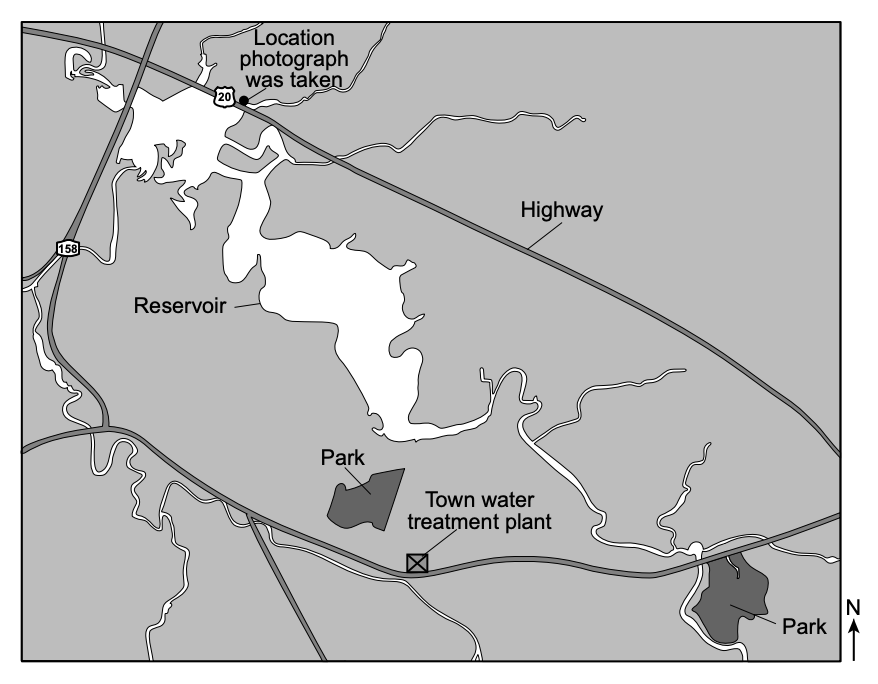
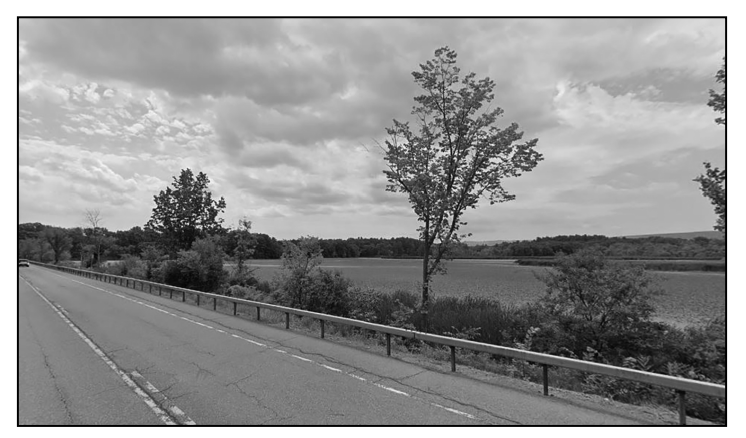
The map below shows the location of the town water district’s reservoir. The photograph below shows a portion of the reservoir as seen from a location on the highway heading east.

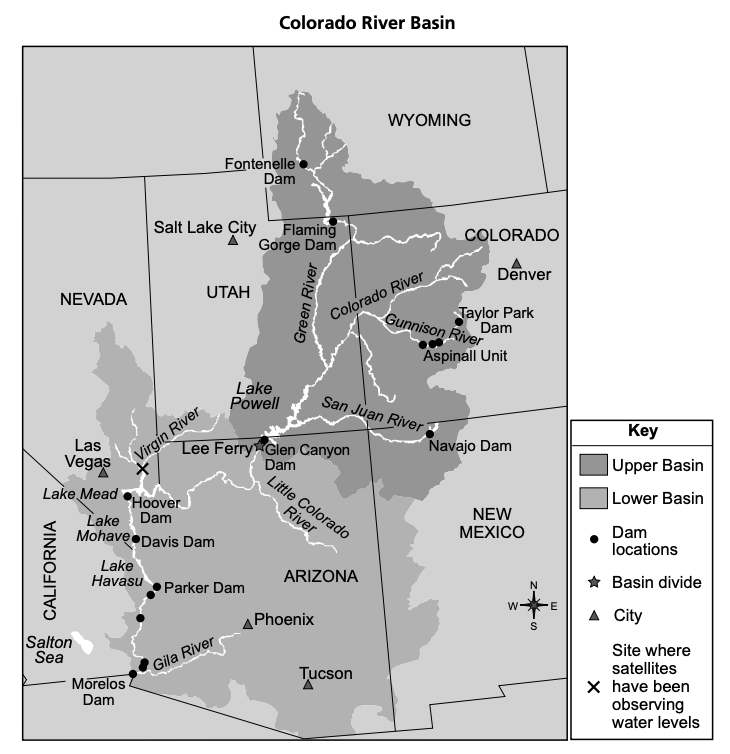
A reservoir is an important design method for providing a large continuous source of water. It can also be used to produce electricity. Many areas of the United States have man-made reservoirs. The Colorado River Basin is a significant water source for several states. Dams and reservoirs have been built to provide greater access to this water.

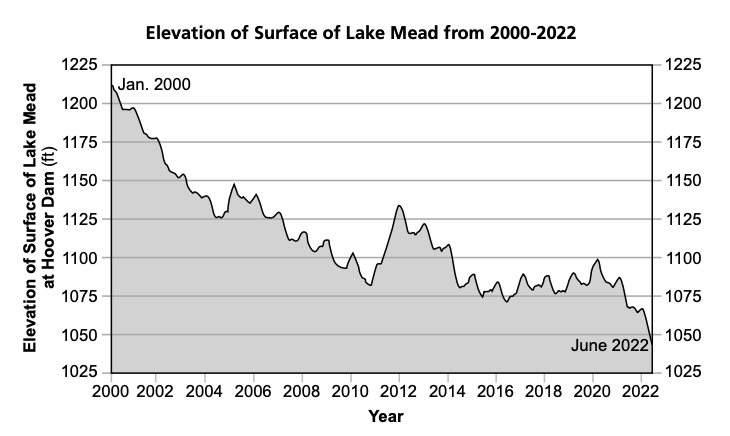
Lake Mead, in both Arizona and Nevada is the largest reservoir in the United States. It supplies water to millions of people in seven states. Water levels have been trending downward for the last 22 years. One reason for the decline is the worst drought in 100 years.

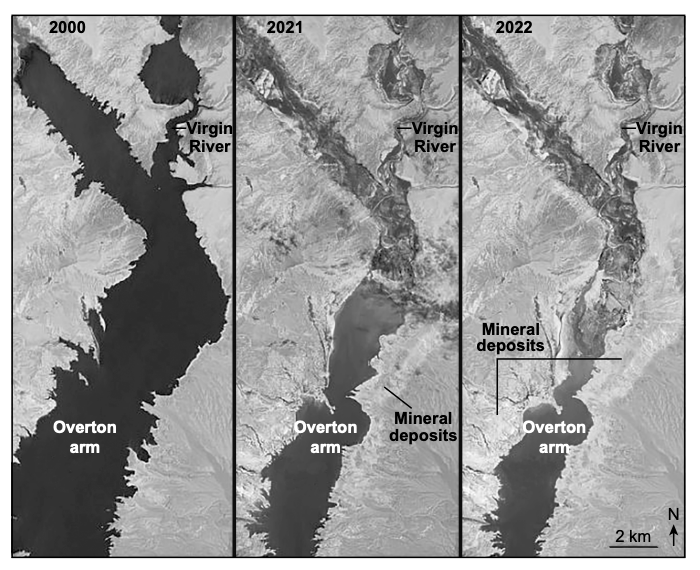
The three satellite images below were taken of the area around location X on the Colorado River Basin map. The lighter areas on the outside of the river are mineral deposits of the lakeshore that were once underwater or dissolved in the water.

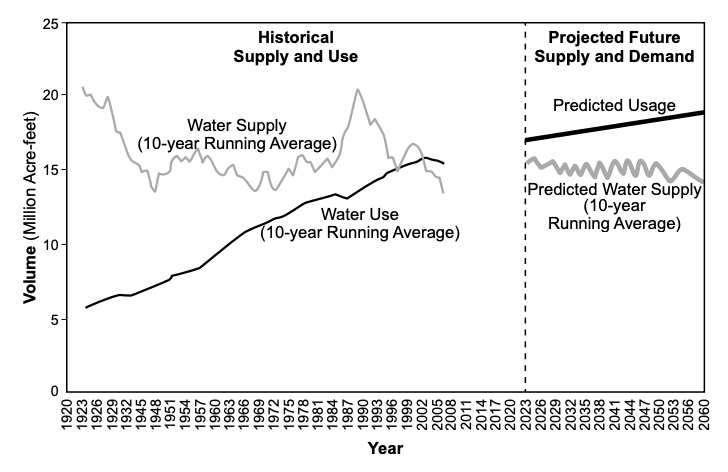
The graph below compares the historical water supply and usage to the predicted future water supply and usage for the Colorado River Basin. Volume of water is in million acre-feet. One acre foot is approximately the amount of water needed to cover a football field (about an acre) with one foot of water. Data on historical supply and use was not collected from 1933 to 1944.

Asemmisa {{asɛmmisaAhyɛnsode}}
18.

Which explanation identifies how past geologic processes are responsible for the distribution of water located in this town?

Asemmisa {{asɛmmisaAhyɛnsode}}
19.

The location of a road next to the reservoir can pose problems for maintaining water quality and usage. Which argument describes a correct relationship between the need to put salt on roads to keep roads safe in winter and its impact on water quality of the nearby reservoir?

Asemmisa {{asɛmmisaAhyɛnsode}}
21.

Scientists have been using both global and local technologies to monitor the amount of water in the Colorado River Basin. The technologies have helped government agencies to conclude that

Asemmisa {{asɛmmisaAhyɛnsode}}
22.

Base your answers to questions 23 through 27 on the information below and on your knowledge of science.

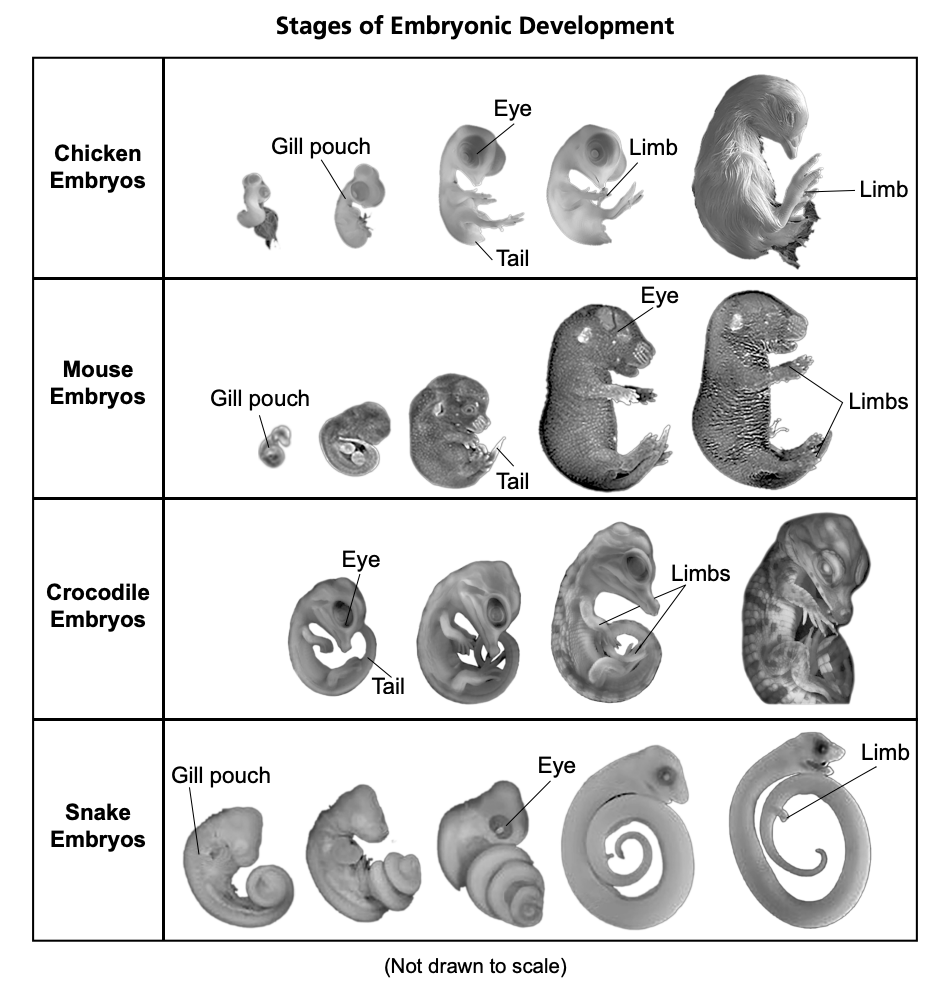
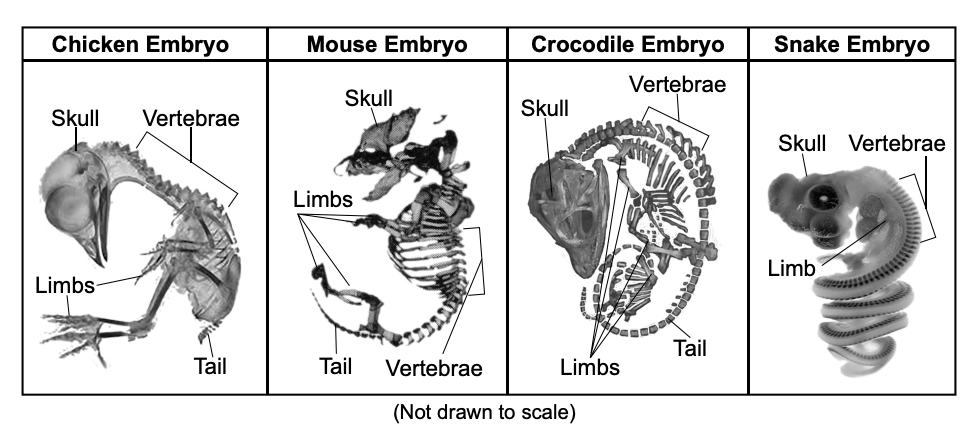
Evolutionary Relationships

The chart below shows the embryonic development of four organisms.

The chart below shows embryonic images of four organisms.

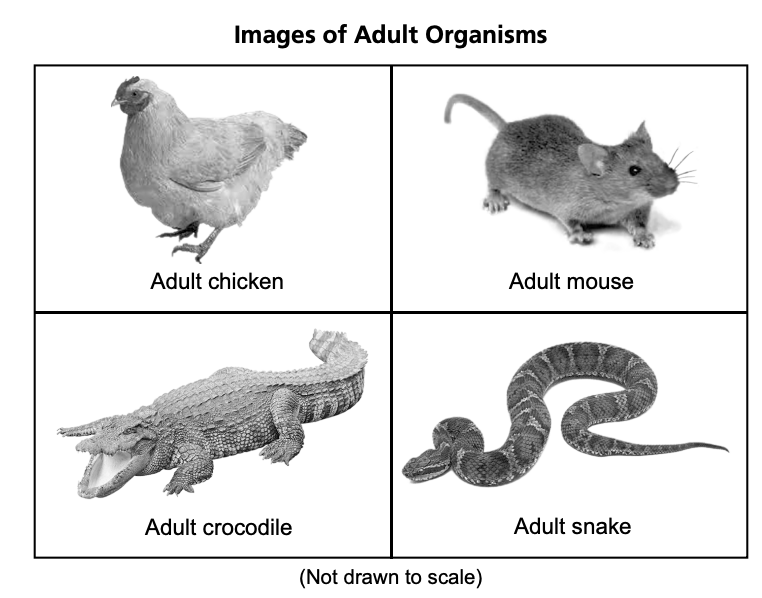
The photographs below show the adult form of the four organisms from the Stages of Embryonic Development chart.

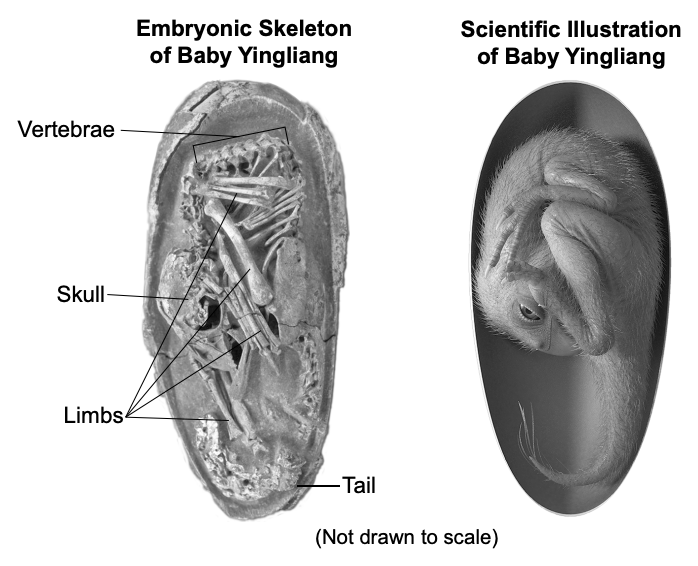
Baby Yingliang

In 2000, a dinosaur embryo fossil was discovered in east China and is now housed in the Yingliang Stone Natural History Museum where it was dubbed “Baby Yingliang.” Estimated to be 27 centimeters long from head to tail, the creature lies inside a 17-cm-long egg. Paleontologists believe it belongs to a toothless theropod dinosaur, or oviraptorosaur, dating back 72 to 66 million years, within the Cretaceous Period.

Scientists who study dinosaurs compare not only their embryological development, but also their behavior in how they protect their eggs in which the embryos are found.

For millions of years, parents across the animal kingdom have cared for their eggs and young, providing both time and resources. Nest building is a common behavior in many organisms, such as modern day birds and crocodiles. Some of these animals cover their nests entirely and leave them. Others leave their nests open and incubate the eggs by brooding, or sitting on the nest, to keep the eggs warm and protected.

The table below lists four dinosaur types and the nesting behaviors thought to be associated with each type.

Nesting Behaviors of Various Dinosaur Types

Dinosaur Types

Nesting Behavior

Maiasaura

— nested in large colonies, laying on eggs

— parents may have extensively provided food and protection for their hatchlings

Oviraptor

— curled up laying on its nest — protective of eggs

Allosaurus

— laid between 10 and 20 eggs

Gigantoraptor

— laid their eggs in a ring around their bodies to incubate eggs without sitting directly on them

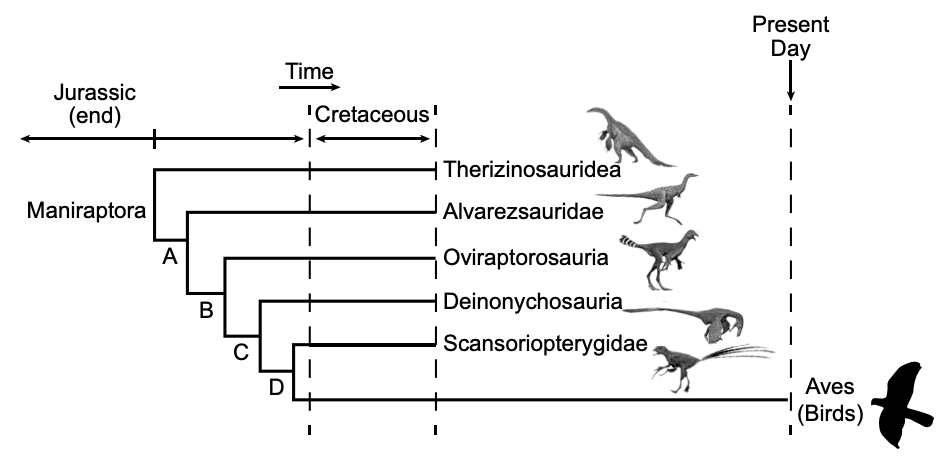
The Oviraptorosaurus is a descendant of a group of dinosaurs called Maniraptora. The model below represents the evolutionary relationships amongst different groups of organisms. The bars indicate the time on Earth when these groups of organisms lived. The letters A, B, C, and D are descendants of the Maniraptora. Jurassic and Cretaceous refer to time periods in Earth’s geologic history when dinosaurs existed.

Asemmisa {{asɛmmisaAhyɛnsode}}
23.

Which statement can be supported using evidence from the photographs in the Stages of Embryonic Development chart and the embryonic images?

Asemmisa {{asɛmmisaAhyɛnsode}}
24.

The table lists the four organisms and structures associated with these organisms. Place checkmarks in the appropriate boxes to indicate if the structures are found in the Embryo Stage only, the Adult Stage only, or in both the Embryo and Adult stages.

Scroll to the right to view the full chart. arrow_right emoji

Found in Embryo Stage Only

Found in Adult Stage Only

Found in Both Embryo and Adult Stages

Chicken/Gill Pouches

Mouse/Four Limbs

Crocodile/Eyes

Snake/Colored Scales in a Pattern

Asemmisa {{asɛmmisaAhyɛnsode}}
27.

Which statement about the pattern observed in the model is most accurate?

Base your answers to questions 28 through 32 on the information below and on your knowledge of science.

Gravitational Forces

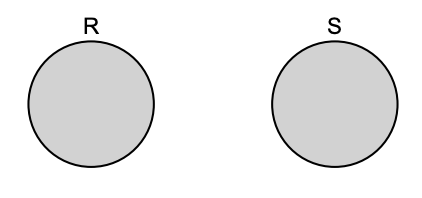
Students are investigating the factors that affect the strength of the gravitational force that one object exerts on another object. Students collected data using a computer simulation in order to find the strength of the gravitational force that object R exerted on object S. The masses of R and S, as well as the distance between the centers of R and S, were changed in order to find the effect of these changes on the strength of the gravitational force.

Simulation

Object R (kg)

Object S (kg)

Distance (m)

Gravitational Force (N)

1

10

10

3

${7.43 × 10}^{-10}$

2

10

20

3

${14.8 × 10}^{-10}$

3

10

10

6

${1.85 × 10}^{-10}$

4

10

20

6

${3.71 × 10}^{-10}$

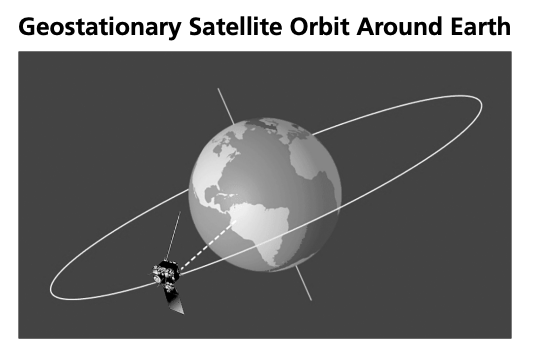
Some satellites that orbit Earth, like the GOES-14 satellite, are geostationary. This geostationary satellite travels over the equator. It moves in the same direction and at the same rate Earth is spinning. From Earth, a geostationary satellite looks like it is standing still since it is always above the same location. In 2022, there were 402 geostationary satellites in orbit around Earth.

The Hubble is a space telescope located in an orbit around Earth. It is powered by solar panels and it is approximately the same size and mass of a large school bus.
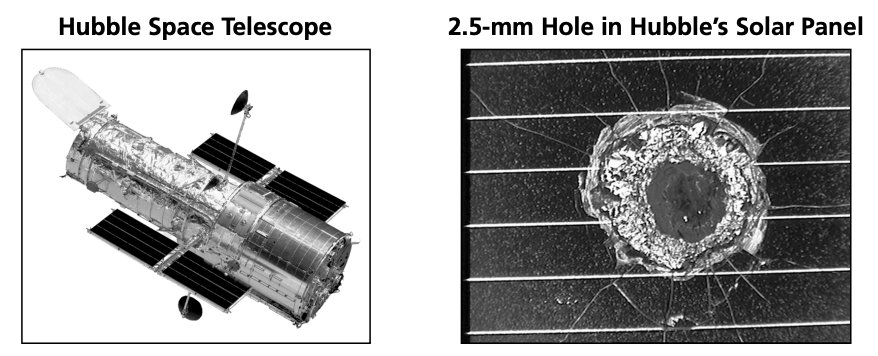
Fragments from non-functional satellites or even paint flecks from the International Space Station are found in space and called orbital debris. Hubble has evidence of impacts from this debris in the form of tiny impact craters across its solar panels. These tiny particles have struck Hubble at very fast speeds of up to 10 kilometers per second.

The model below represents the locations of the Sun, Earth, and the Hubble telescope in our solar system. Earth and Hubble complete a trip around the Sun in a year, while Hubble completes a trip around Earth in approximately 95 minutes.

Asemmisa {{asɛmmisaAhyɛnsode}}
28.

Which pair of simulations can be used as evidence to support the claim that changing the masses of R and S, as well as changing the distance between the masses, affect the strength of the gravitational force that R exerts on S?

Asemmisa {{asɛmmisaAhyɛnsode}}
29.

Which argument about mass, distance, and gravitational force can be made using evidence from the table?

Asemmisa {{asɛmmisaAhyɛnsode}}
30a.

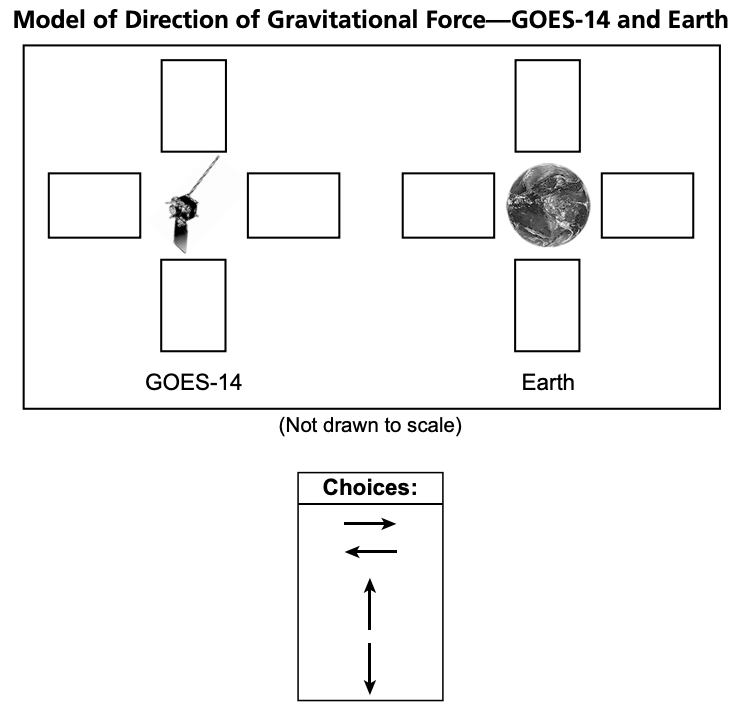
Complete the first part of the model by selecting one arrow, from the four choices given, and one box around GOES-14 to indicate the direction of the gravitational force that GOES-14 exerts on Earth.

Asemmisa {{asɛmmisaAhyɛnsode}}
30b.

Complete the second part of the model by selecting one arrow, from the four choices given, and one box around Earth to indicate the direction of the gravitational force that Earth exerts on GOES-14.

Asemmisa {{asɛmmisaAhyɛnsode}}
31.

The force exerted on Hubble during a collision with space debris does not significantly affect the motion and location of this telescope. Which statement best explains this phenomenon?

Base your answers to questions 33 through 38 on the information below and on your knowledge of science.

Death Valley

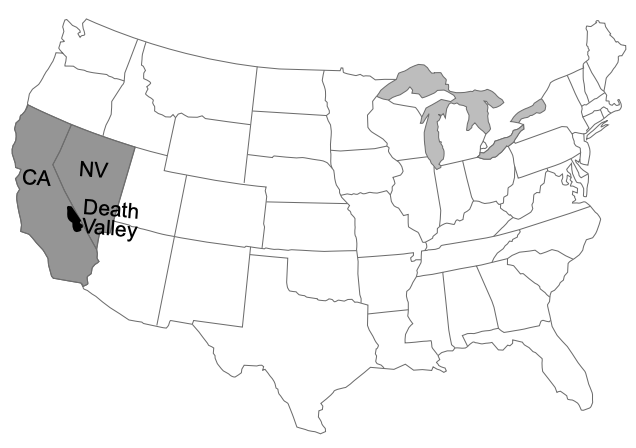
Death Valley National Park, located on the border of California (CA) and Nevada (NV), is the largest national park in the continental U.S. It has the lowest elevation in North America at 282 feet below sea level and contains the driest desert in North America. Rock strata in the Death Valley region can provide evidence for the geologic history of the area. The oldest rocks are metamorphic and are approximately 1.7 billion years old. Sedimentary rocks in the valley region are about 500 million years old and are evidence that the area was the site of a warm shallow sea. Igneous rock layers are believed to range from 65.5 to about 2 million years old when volcanic ash and cinder from nearby volcanoes covered the region.

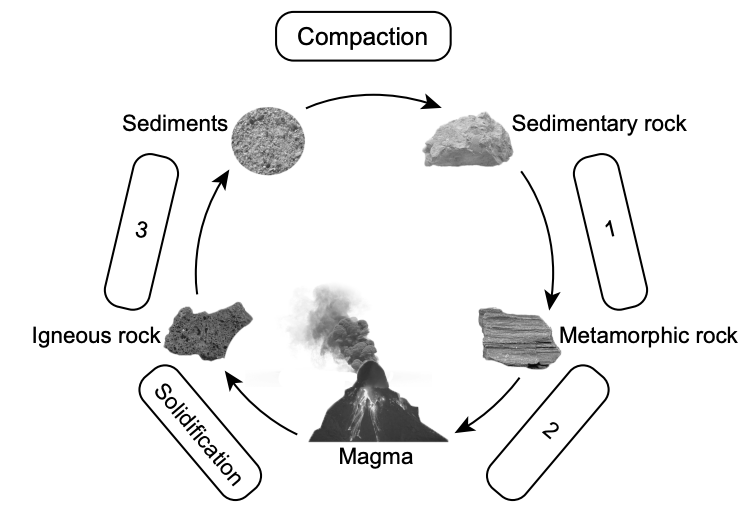
The rock cycle model below shows the formation of rocks as a result of sedimentary, igneous, and metamorphic processes.
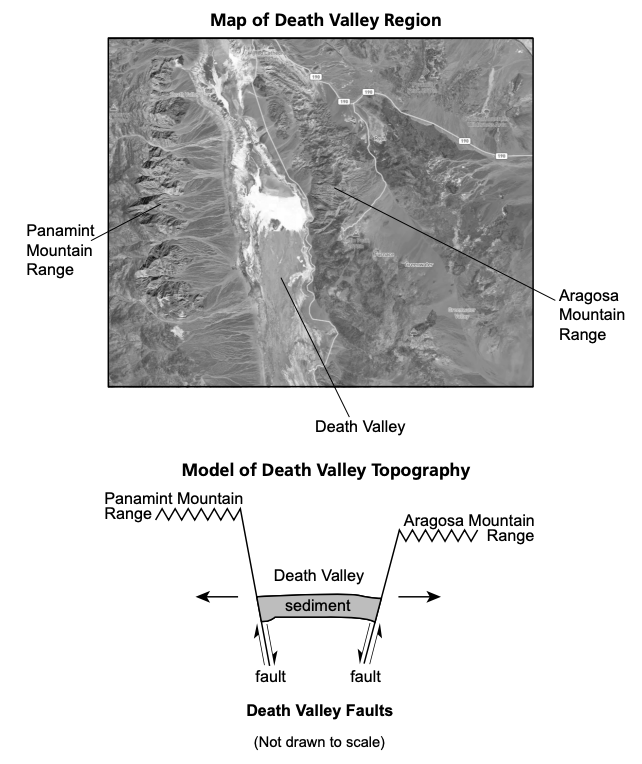
The map below shows Death Valley. The arrows on the model below indicate the direction of land movement that produced the valley.

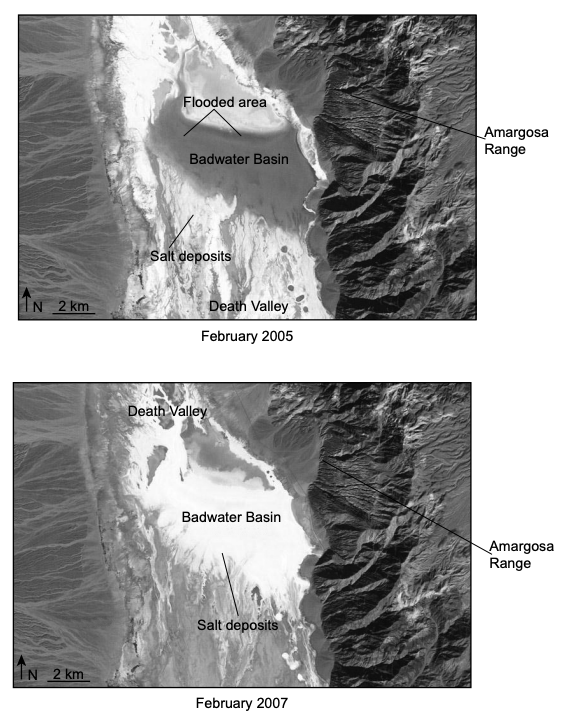
In February 2005, Badwater Basin in Death Valley received about six inches of rain from streams flowing into the enclosed basin that flooded the area. The photographs below show this region shortly after the flood in February 2005 and again in February 2007, in which mineral salt deposits are clearly visible.

The salt flats region in Death Valley covers over 200 square miles. Salt flat formation requires:
• a large basin where streams carry salts down to the basin

• an enclosed basin, like Death Valley, where the salts dissolved in stream water can be trapped and not wash away

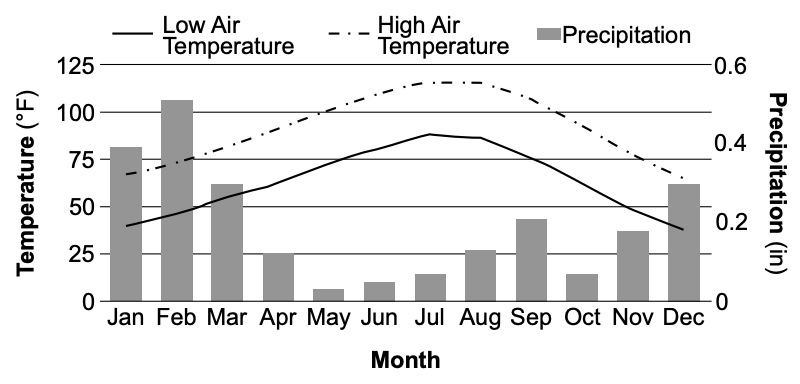
• an arid climate with high temperatures to drive water cycle processes

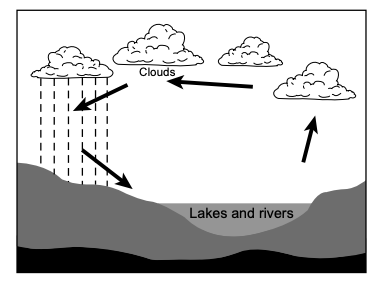
The arrows on the water cycle model below represent the ways water changes its state as it moves through multiple pathways.

The climate graph below shows the average high and low air temperatures and the average monthly precipitation from 1981 through 2010 for Death Valley, California.
Asemmisa {{asɛmmisaAhyɛnsode}}
33.

Which list identifies the names of the missing processes, numbered 1 through 3, of the rock cycle?

Asemmisa {{asɛmmisaAhyɛnsode}}
34.

Which two sources of energy are responsible for the cycling of Earth materials and the fl ow of energy, as shown in the rock cycle model?

Asemmisa {{asɛmmisaAhyɛnsode}}
35.

Which piece of evidence would support the claim that Death Valley National Park is the result of past tectonic plate motions?

Asemmisa {{asɛmmisaAhyɛnsode}}
38.

Which statement is a reasonable action that could be taken by Death Valley Park officials to mitigate the effects of flash floods or flooding events for park visitors?

Asemmisa {{asɛmmisaAhyɛnsode}}
40.

Use evidence from the model to explain how two organ systems work together to deliver oxygen to body cells for cellular respiration. Include both organ systems in your explanation.

Asemmisa {{asɛmmisaAhyɛnsode}}
41.

Which organelle is represented in the model and is correctly paired with its function for the cell as a whole?

Asemmisa {{asɛmmisaAhyɛnsode}}
42.

Which argument describes how the high altitude environment of the Himalayan region has affected the Sherpa population?

Asemmisa {{asɛmmisaAhyɛnsode}}
43.

Natural selection has caused a genetic trait of Sherpas to change over a long period of time by

Base your answers to questions 44 through 48 on the information below and on your knowledge of science.

Ecosystem of the Eastern Bluebird

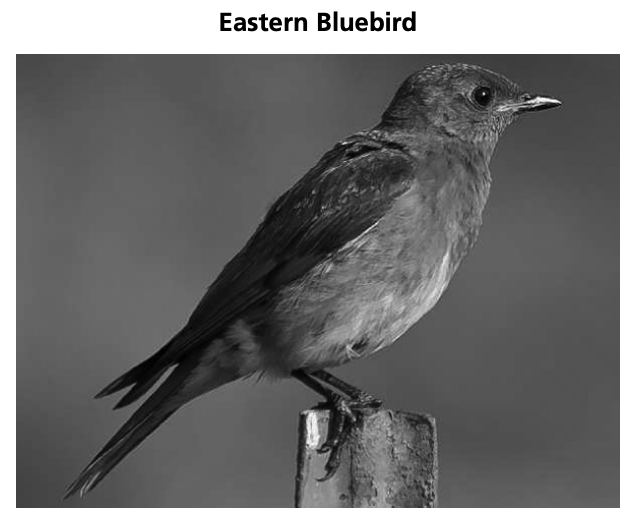
New York chose the Eastern Bluebird as the state bird in 1970. Bluebirds eat mostly insects and berries. They fly down to the ground or hover in mid-air to catch insects. In winter months when insects are less available, berries are an important food source.

It is a migratory bird that is found in open woodlands, farmlands, and fruit orchards. In recent decades, the bluebird population has increased due to the conservation efforts of providing more birdhouses for nesting sites. These houses have been intentionally placed along “bluebird trails” that follow their migration. They typically fly to the southeast United States or Mexico in winter.

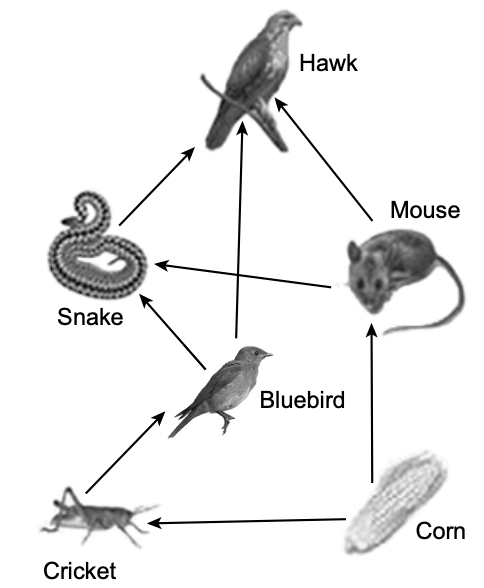
The model below represents a food web within an ecosystem which includes the bluebird.
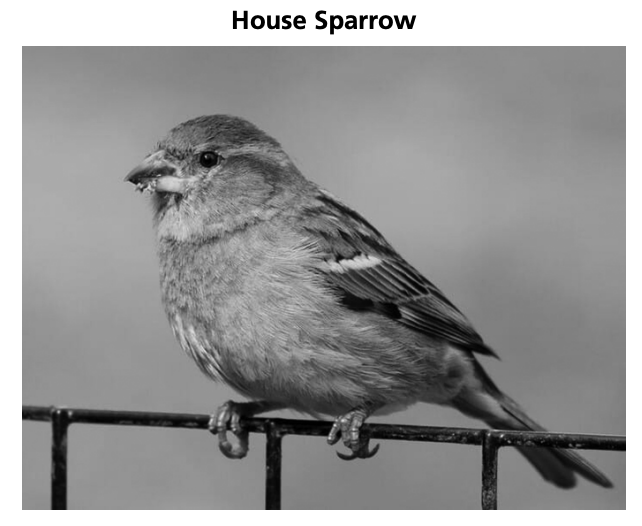
The house sparrow is another bird commonly found in New York State. These birds frequently take over the nests and destroy the eggs of other birds. Once a male house sparrow establishes a territory, he remains there year-round and defends that territory, preventing other bird species from building nests in the area. House sparrows eat mostly grains and seeds, but, in summer, will eat insects and feed them to their young.

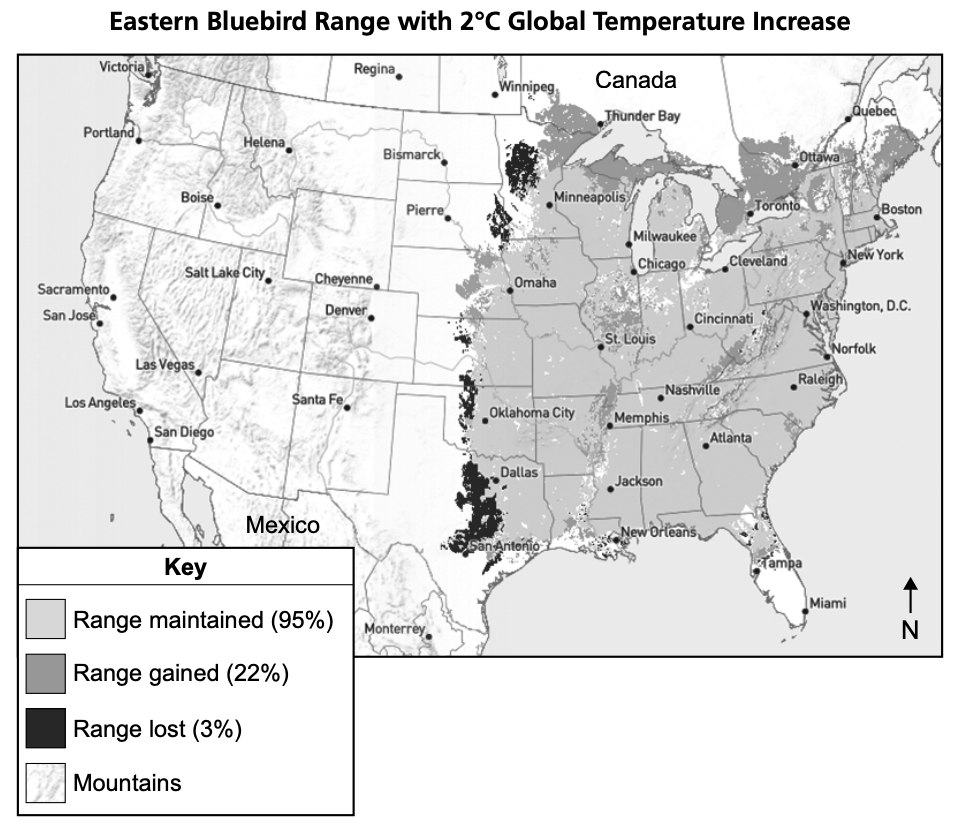
The maps below compare the range of the Eastern bluebird for our current worldwide average temperature and the predicted ranges for a worldwide average temperature 2°C greater than at present. A species range is the geographic area where a particular species can be found during its lifetime.
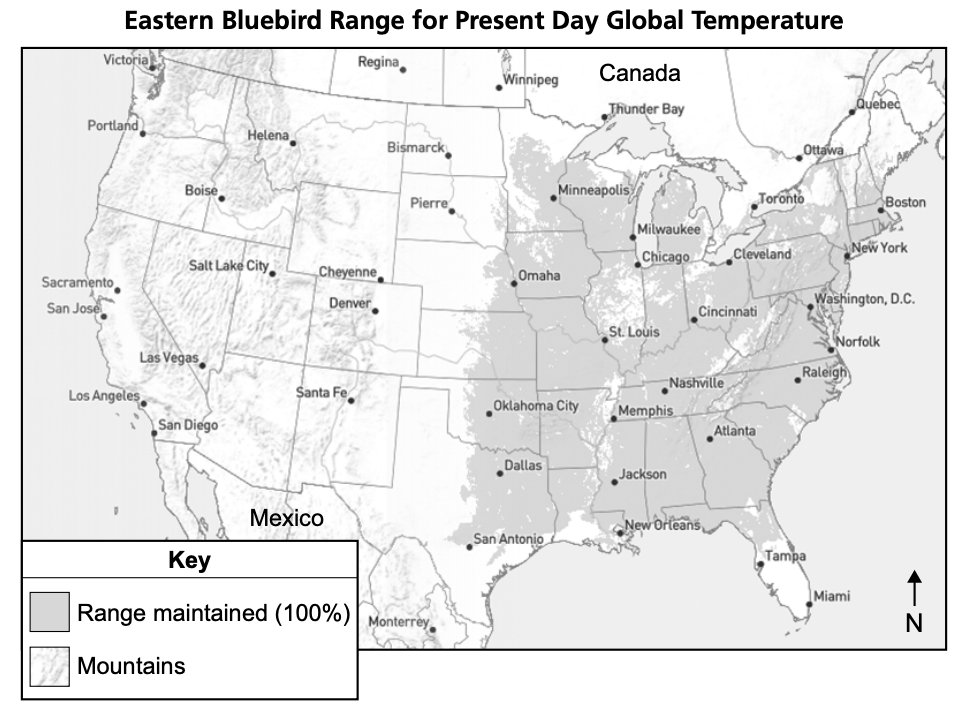
Scientists infer a 2°C increase in global temperatures could happen as early as 2050 without mitigation efforts. Rising global temperatures have the potential to alter ecosystems that affect the ranges of many species.

The use of synthetic pesticides in the United States began in the 1930s. These pesticides killed insects that ate food crops. This use continued in the 1950s in order to increase the amount of food produced on farms. Some pesticides were found to have considerable health risks, including causing forms of cancer, and the use of some pesticides has been banned in the United States.
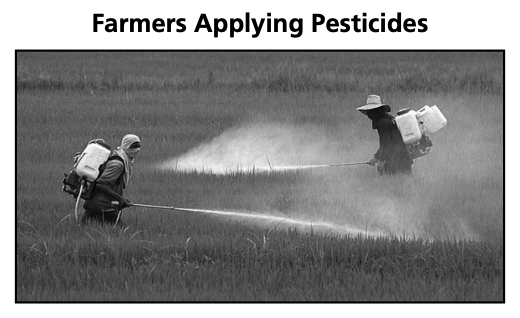
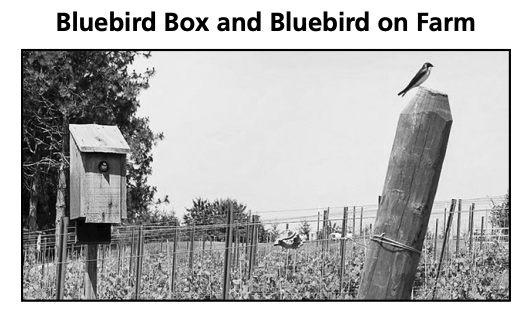
Farmers today have tried to use methods to control insects that are not harmful to the environment. One method is to place bluebird boxes around their crops to encourage bluebirds to live there.
Asemmisa {{asɛmmisaAhyɛnsode}}
44.

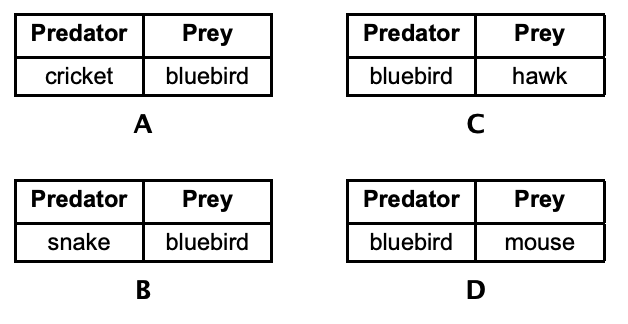
Which table shows a correct interaction that the bluebird has with another organism in this food web?

Asemmisa {{asɛmmisaAhyɛnsode}}
47.

Which evidence found on the maps supports the argument that changes to worldwide average temperatures affect the range of the Eastern bluebird?

Asemmisa {{asɛmmisaAhyɛnsode}}
48.

How does the use of bluebird boxes on farms minimize the impact of pesticides on the environment?

Asemmisa {{asɛmmisaAhyɛnsode}}
49.

How many different types of atoms make up one molecule of propane?

Asemmisa {{asɛmmisaAhyɛnsode}}
51.

The reaction for the burning of propane shows a conservation of matter because

Asemmisa {{asɛmmisaAhyɛnsode}}
52.

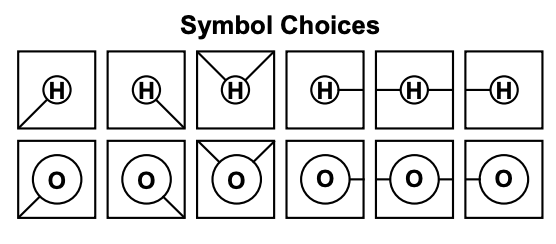
Develop a ball and stick model of one water molecule showing the correct orientation and arrangement of the individual atoms by arranging the symbols in the grid in the drawing space. Symbols may be used more than once.