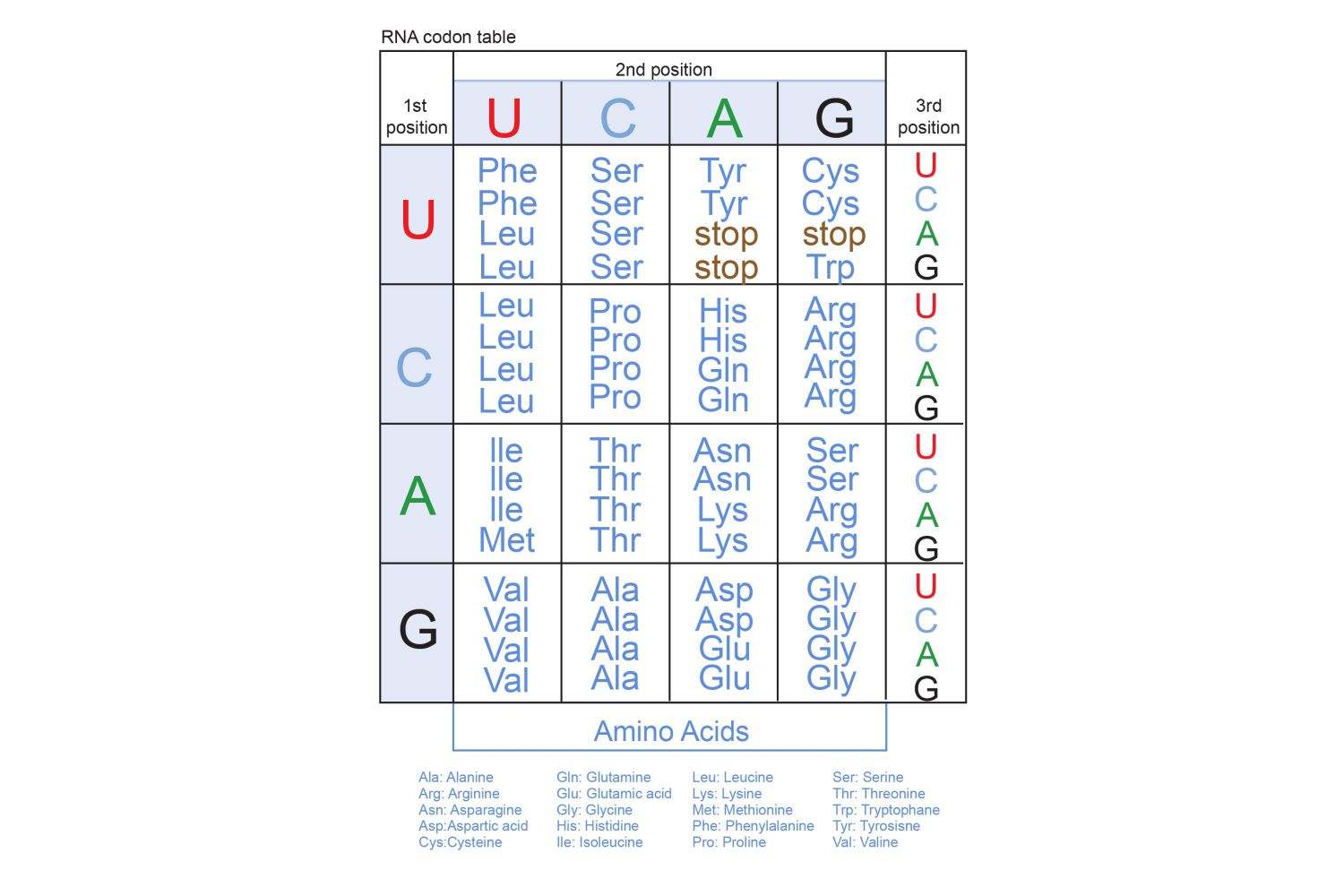
Genes represent the basic unit of heredity that allows a species to pass its information from one generation to the next. The human gene pool is the set of all genes carried within the human population. Genetic changes (including mutations) can be beneficial, neutral, or bad. Beneficial mutations are less common and result in a selective survival advantage for a particular gene, cell, or whole organism. Beneficial mutations can become integrated into the human gene pool, particularly when it allows an organism to live longer or to reproduce. Neutral gene mutations usually involve point mutations that do not change the amino acid sequence or affect transcription/translation. Deleterious mutations are gene mutations leading to alterations in gene expression or protein function that, for example, results in human disease or is fatal. Recombination, or the crossing over and exchange of information between chromosomes during meiosis, can lead to gene rearrangements if the chromosomes are paired inappropriately.