Ɛhia
1
Ɛhia
1
Ɛhia
1
Ɛhia
1
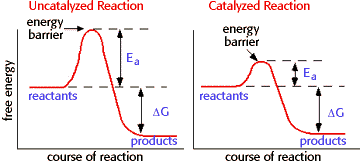
In your own words explain the difference between the two graphs below
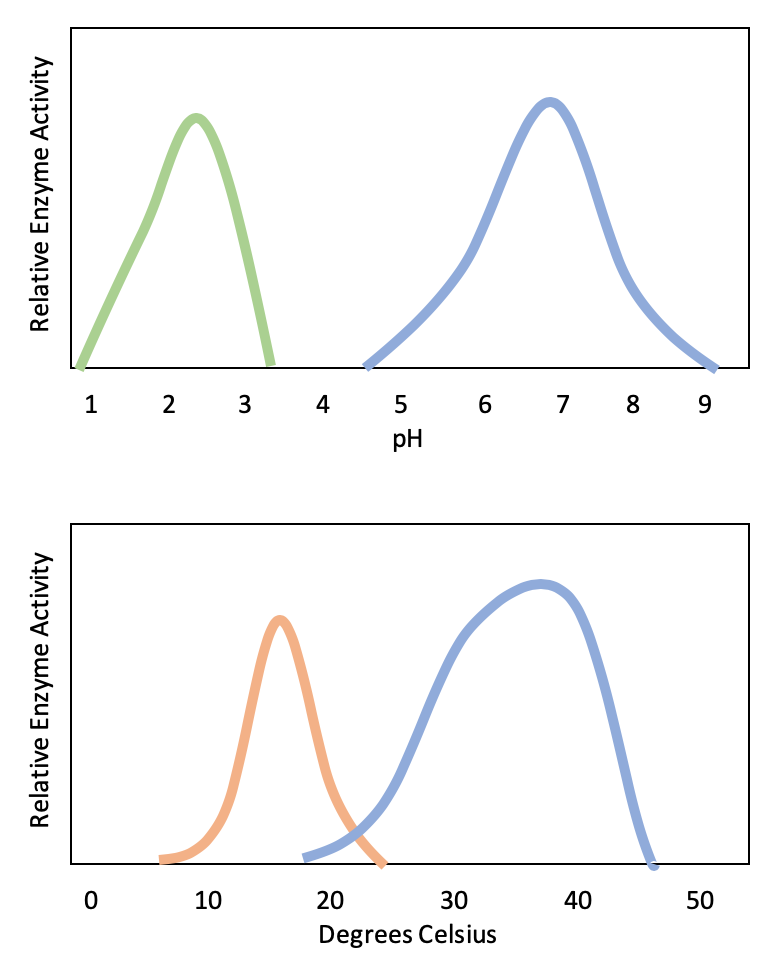
What is the optimal pH for the green enzyme?
Blue enzyme would function in a environment with pH of 5
The diagram represents one way an enzyme can be inhibited.
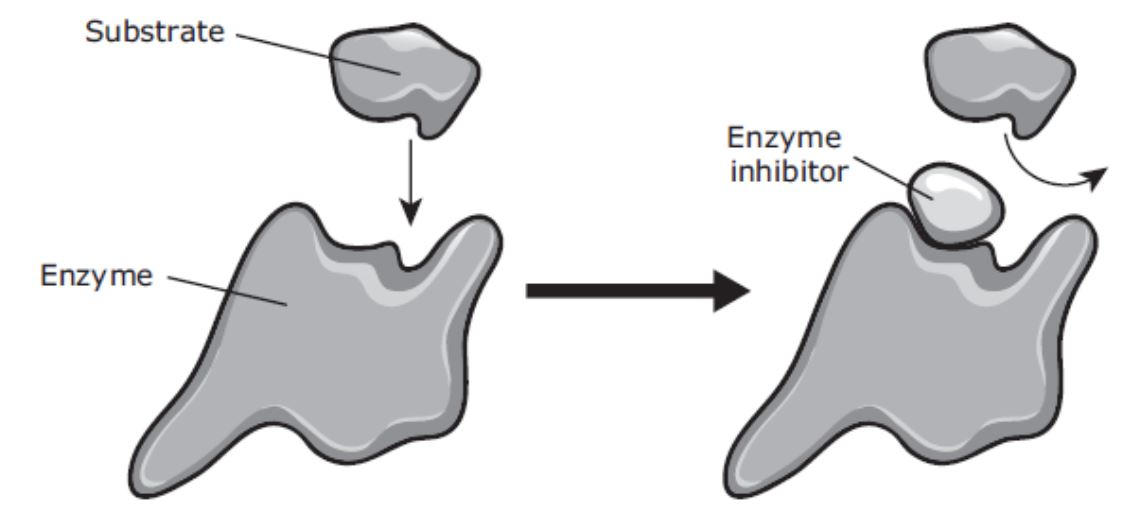
Which statement explains the effect of an inhibitor on an enzyme?
Lactose is found in milk products. It is converted by the body into a usable form in a series of chemical reactions. The diagram shows the series of reactions that convert lactose into a usable form.

If Enzyme 2 is denatured, the levels of which substance will increase?
Enzymes are proteins that help increase the rate of chemical reactions inside cells. These proteins are composed of many simpler molecules called amino acids. Which of the following suggests that the shape of an enzyme determines the enzyme’s function?
Categorize organelles that are only found in plant cells and animal cells.
Smaller vacuoles called vesicles
Cell wall
Chloroplast
Centrioles
Large central vacuole
Lysosome
Animal cellls
Plant cells
Match the keywords to the organelle
| Draggable item | arrow_right_alt | Corresponding Item |
|---|---|---|
Ribososme | arrow_right_alt | cellular respiration, energy (ATP) |
Chloroplast | arrow_right_alt | Genetic material (DNA), Controls the cell |
Nucleus | arrow_right_alt | Packs |
Mitochondria | arrow_right_alt | Photosynthesis, sunlight, chlorophyll |
Cell membrane | arrow_right_alt | Protein synthesis |
Golgi body / Golgi apparatus | arrow_right_alt | Controls what enters and leaves the cell |
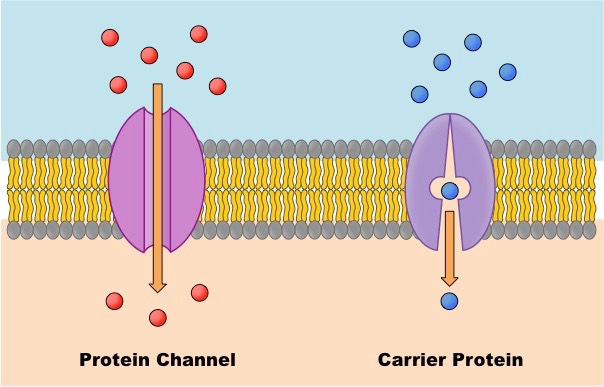
In passive transport molecules travel from to concentration. This process require energy because molecule are moving the concentration gradient
Categorize the following as active or passive transport
Particles move from LOW to HIGH concentration
Particles move against the concentration gradient
Particles move with the concentration gradient
Energy (ATP) is used
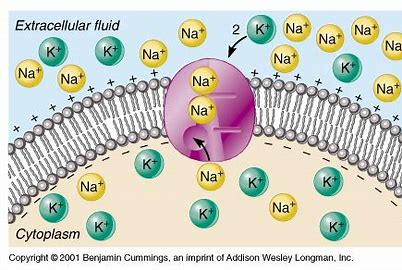
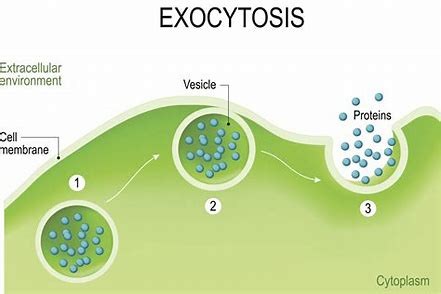
Exocytosis, Endocytosis, Sodium Potassium Pump (Na/K Pump)
Particles move from HIGH to LOW concentration
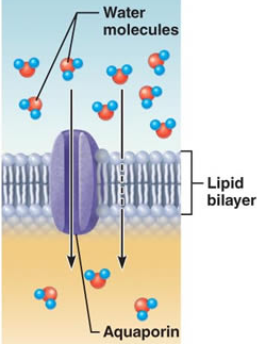
Diffussion, Facilitated Diffusion, Osmosis
No energy is used
Passive Transport
Active transport
In active transport molecules travel from to concentration. This process require energy because molecule are moving the concentration gradient
Match the following terms to its definition
| Draggable item | arrow_right_alt | Corresponding Item |
|---|---|---|
Sodium Potassium Pump (Na/K pump) | arrow_right_alt | Diffusion of water |
Exocytosis | arrow_right_alt | Particles/ molecules moving from area of high to low concentration. |
Diffusion | arrow_right_alt | Diffusion of molecules through the protein channel from high to low concentration |
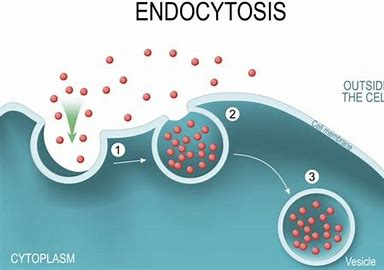
Facilitated Diffusion | arrow_right_alt | When cells use energy to allow particles to enter the cell |
Osmosis | arrow_right_alt | When cells use energy to allow particles to exit the cell |
Endocytosis | arrow_right_alt | Process where Sodium (Na) is pumped out and Potassium (K) is pumped into the cell against the concentration gradient from low to high concentration using energy. |
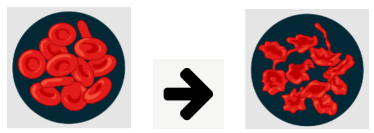
Based on the image shown, the cell was most likely in a(n) ________________________ solution.
Which of the following describes what happens to a cell in a hypotonic solution
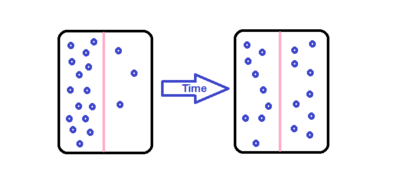
Based on the diagram below, answer the following question.
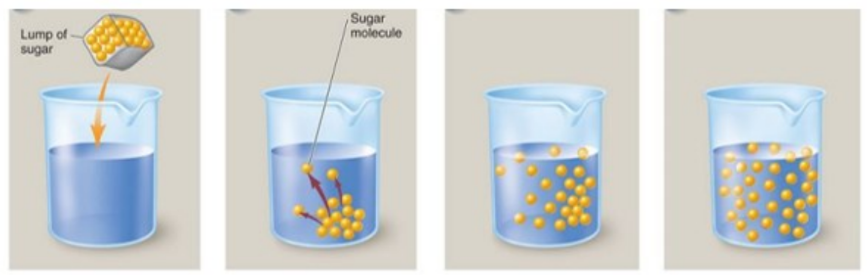
Which type of cell transport is depicted above?
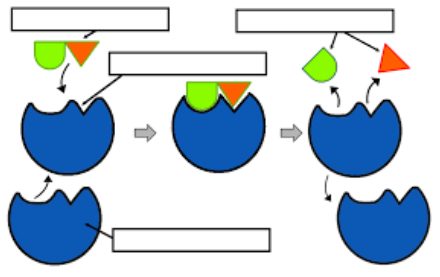
Identify the parts of the enzyme-substrate complex.
Identify the parts of the enzyme-substrate complex.
Identify the parts of the enzyme-substrate complex.
Identify the parts of the enzyme-substrate complex.
At what temperature will blue enzyme have the highest activity?