1
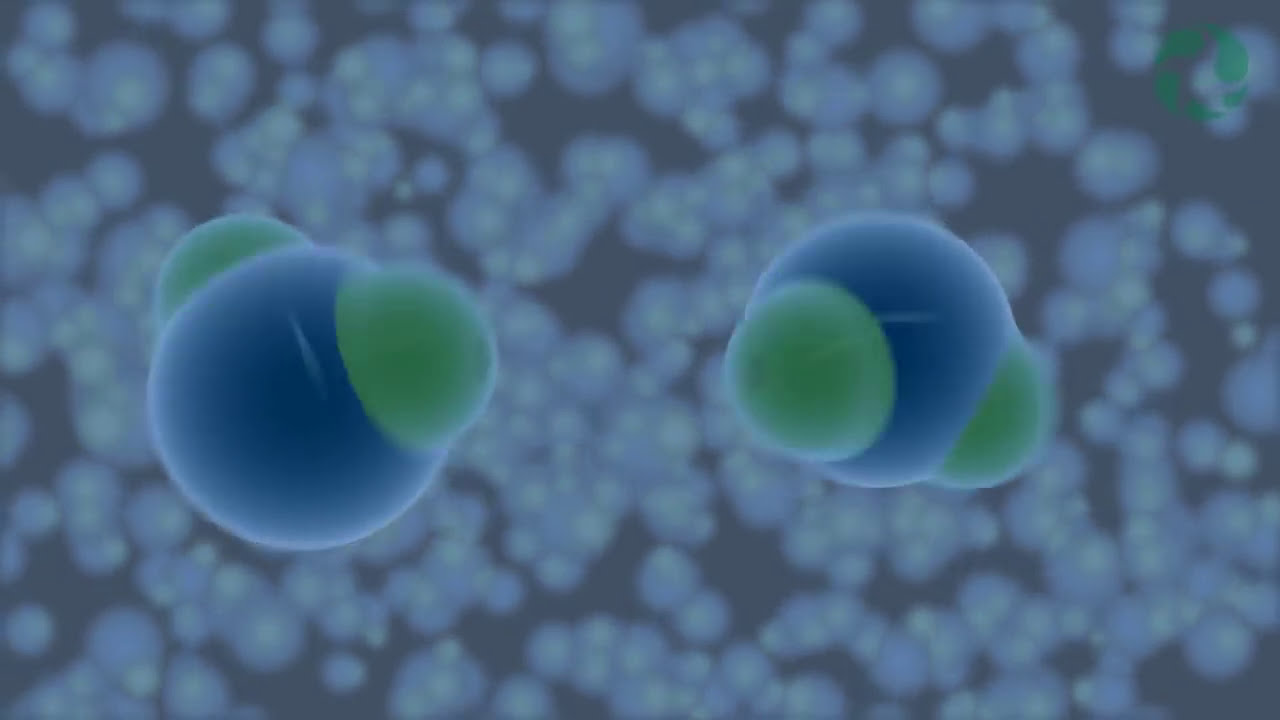
This could be an artist's picture of:
This could be an artist's picture of:
Which of these are chemical properties:
以下哪些是化学性质:
Is making fire a physical property or a chemical property? How do you know? 生火是物理性质还是化学性质?你怎么知道?
How many nanometers are in 0.7 millimeters? 7毫米等于多少纳米?
Steel can be separated into iron and carbon, true or false 钢可以分为铁和碳, 正确或错误
A compound has to have 2 or more atoms
化合物必须有 2 个或更多原子, 正确或错误
This could be an artist's picture of:
Which of these are correct chemical formulas?
哪些是正确的化学式?
Which of these is the smallest unit of an element
Explain why O2 and O3 are different compounds
解释为什么 O2 和 O3 是不同的化合物
Which method is best for separating a homogenous mixture of water and acetone?
哪种方法最适合分离水和丙酮的同质混合物?
Categorize these concepts as either relating to weight or to mass
将这些概念归类为与重量或质量有关的概念
measured in grams or kilograms
以克或公斤为单位
measures the force of gravity
测量重力
can be measured using a spring scale
可使用弹簧秤测量
can be measured using a balance and standardized objects (such as the standard 1 kg object)
可使用天平和标准物体(如 1 千克标准物体)进行测量
does not change if you measure it on a different planet
在不同的星球上测量也不会改变
Weight 重量
Mass 质量
Which illustrates the correct calculation to convert 390 grams into a quantity in kilograms?
将 390 克换算成千克的正确计算方法是什么?
Which of these quantities is a measurement of density?
其中哪个量是密度的测量值?
The density of gold is 19.3 g/cm3. What is the mass of 0.537 cm3 of gold?
Order these objects based on the order they would appear if they separated into layers in a cup.
根据这些物体在杯中分层的顺序排列它们。
Corn syrup (1.33 g/mL)
Water
Honey (1.36 g/mL)
Oil (0.91 g/mL)
You have a collection of rocks and you think one of them might be gold. You already know the density of gold is 19.3 g/cm3. You have measured the mass of each of the rocks already. What should you do next to find out if any of the rocks is gold? Use the following key words: water, displacement, difference, density, calculate
你收集了一些石头,你认为其中一块可能是金子。你已经知道金子的密度是 19.3 克/立方厘米。您已经测量了每块石头的质量。下一步该怎么做才能知道其中是否有金子?使用以下关键词:水、位移、差异
Mark all the processes that are physical changes
物理的変化であるすべてのプロセスに印をつける
标出所有属于物理变化的过程
Match each chemical change with its description
将每种化学变化与其描述相匹配
各化学変化とその説明を一致させる
| Draggable item | arrow_right_alt | Corresponding Item |
|---|---|---|
Oxidation 氧化 酸化 | arrow_right_alt | Rapid combination of a fuel with oxygen producing heat and light 燃料与氧气快速结合产生热和光 燃料と酸素を素早く結合させ、熱と光を発生させる。 |
Tarnishing 褪色 変色 | arrow_right_alt | Using electricity to break a compound into elements or simpler compounds 用电将化合物分解成元素或更简单的化合物 電気を使って化合物を元素やより単純な化合物に分解する |
Electrolysis 电解 電気分解 | arrow_right_alt | Combination of a substance with oxygen, such as when iron rusts 物质与氧气结合,如铁生锈 鉄が錆びるときのように、物質と酸素が結合すること。 |
Combustion 燃烧 燃焼 | arrow_right_alt | Slow combination of a bright metal with another substance to produce a dark coating 亮金属与另一种物质缓慢结合,产生深色涂层 光沢のある金属と別の物質がゆっくりと結合し、黒っぽい被膜を生成する。 |
Assuming no mass escapes, explain why the mass of a rusted nail is greater than the mass of a nail before it is rusted
假设没有质量逃逸,请解释为什么生锈钉子的质量大于未生锈钉子的质量。
質量が逃げないと仮定して、錆びた釘の質量が錆びる前の釘の質量より大きい理由を説明しなさい。
Which is the correct explanation for the difference between temperature and thermal energy?
关于温度和热能之间的区别,哪种解释是正确的?
温度と熱エネルギーの違いについて、正しい説明はどれか?
The ability to dissolve in water and to conduct electric current are examples of
溶于水和导电的能力是
水に溶ける能力、電流を流す能力はその一例である。
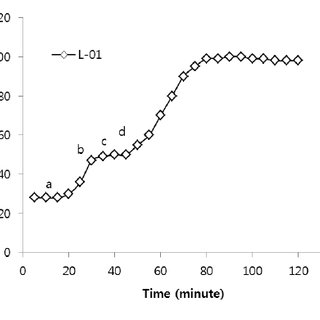
Evaporation of alcohol
酒精蒸发
アルコールの蒸発
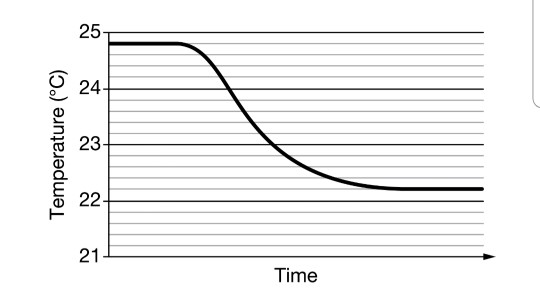
Heat energy is released out of the chemical reaction
反应释放热能
反応により熱エネルギーが放出される
Temperature goes up over time
温度随时间上升
時間の経過とともに温度が上がる
Temperature goes down over time
温度随时间降低
時間の経過とともに温度が下がる
Heat energy is absorbed into the chemical reaction
从周围吸收热能
熱エネルギーは周囲から吸収される
Endothermic
内热
吸熱
Exothermic
放热
発熱
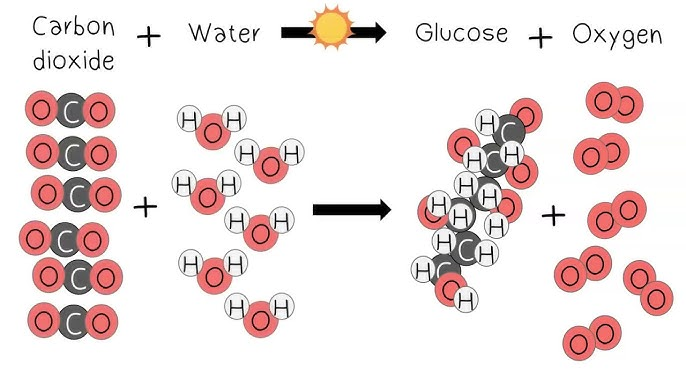
Does this chemical reaction diagram demonstrate conservation of mass? Why or why not?
这个化学反应图是否证明了质量守恒?为什么?
この化学反応図は質量保存を示しているか?なぜですか、なぜですか?