Ɛhia
1
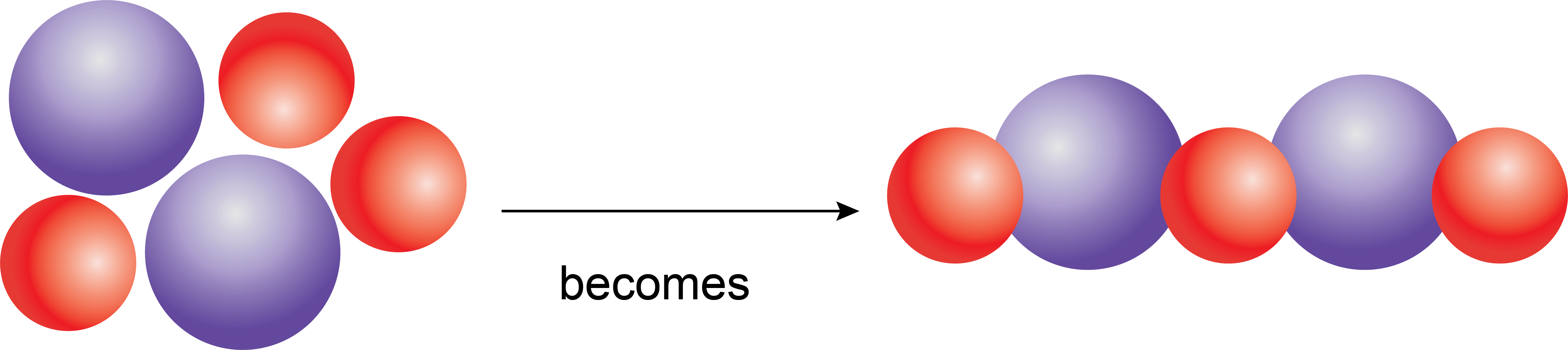
This is an example of a physical change on a molecular level
This is an example of a physical change on a molecular level
Sara was excited to be doing a science lab in class with her group. She read through the lab directions carefully and began mixing the chemicals together . As she poured the first chemical into the beaker , it began to bubble and fizz. She then poured in the next chemical carefully and noticed that it began to change color. Her group wrote down their observations in their science journals.
After they wrote down their observations , they began cleaning up their station. Sara carefully picked up the beaker to pour it into the container the teacher had asked them to use to dispose of the liquid properly. When she picked up the beaker , it burned her hand because it was hot and she dropped the beaker onto the floor. She immediately notified the teacher who quickly responded with the supplies necessary to safely clean up the liquid and the broken glass.
What were the signs of chemical change that Sara observed? Check all that apply
Match the statement to whether it represents a chemical change or does not represent a chemical change
| Draggable item | arrow_right_alt | Corresponding Item |
|---|---|---|
Iron rusting over time | arrow_right_alt | No chemical change |
Wood burning into ashes | arrow_right_alt | Chemical change |
Ice melting into water | arrow_right_alt | Chemical change |
Match the scenarios with the correct term to describe the process happening
| Draggable item | arrow_right_alt | Corresponding Item |
|---|---|---|
The formation of water from hydrogen and oxygen | arrow_right_alt | Physical change |
Cutting a piece of cake | arrow_right_alt | Chemical change |
A green leaf turning yellow in autumn | arrow_right_alt | Chemical reaction |
Categorize these examples as either a chemical change or physical change
Slicing of bread
Melting of ice
Baking of bread
Rusting of a bike
Physical change
Chemical change
Determine if a new substance is formed in these examples
Corrosion of metal
Condensation of water
Combustion of propane
Evaporation of water
New substance formed
No new substance formed
What is the typical outcome when a chemical change occurs?
In a chemical reaction what is never destroyed?
In a chemical reaction, when two solutions are mixed together and a solid forms, what is this solid called?
Which of these is NOT an indicator of a chemical change?
What's the difference between physical and chemical changes?
Identify the term used to describe a solid substance emerging from a solution post-chemical reaction
Which of the following is NOT a sign of a chemical change?
Chemical changes are fascinating events that occur right before our eyes in our everyday world. They involve the transformation of one substance into another, and this process is called a chemical reaction. You might not realize it, but chemical changes are happening around us all the time! For instance, when you light a piece of wood on fire, a chemical change takes place. That's because the heat causes the molecules in the wood to rearrange and form new substances—like ash, smoke, and gases. Another example is when an iron nail rusts. It reacts with the oxygen in the air, leading to a brand new substance known as rust, which we often notice as a reddish-brown substance on old metal objects. So, how can we tell if a chemical reaction has taken place? One of the most common indicators is a change in color. Like when a sliced apple turns brown after being exposed to air, that's a clear sign of a chemical reaction! Other hints can include the formation of bubbles (release of gas), the formation of a solid from a liquid (called a precipitate), heat or light being produced, or even a change in smell. Remember, the key to a chemical reaction or chemical change is the formation of a new substance. Through this, it’s easy to see that molecules are constantly remixing to help create the world we see and experience every day.
This is an example of a physical change on a molecular level
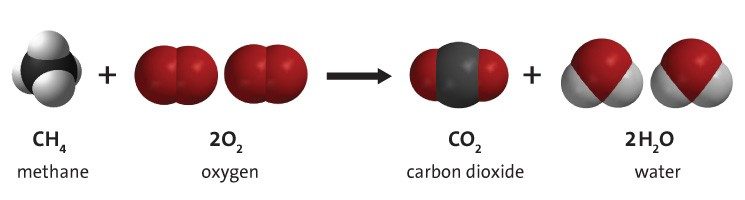
Explain what is happening on a molecular level in the picture.
What is the process called when one substance transforms into another?
Which of the following is a sign that a chemical change has occurred?
When a piece of wood burns, what new substances are formed?
According to the test the key difference in a chemical change versus a physical change is