1
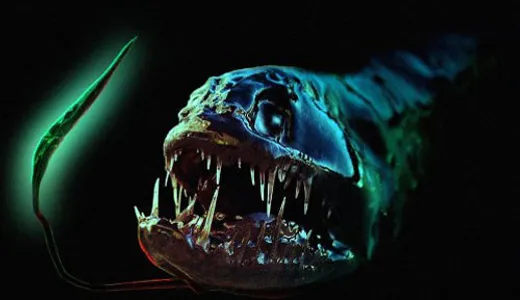
In which zone would you find the viper fish?
In which zone would you find the viper fish?
Layers of the Ocean by Ms Hetal Gandhi
What is the Epipelagic Zone also known as?
'The Trenches' is also known as?
List all the layers of the ocean starting from the the top most layer?
Which layer got its name meaning 'no bottom' in Greek?
From which zone can you begin to see bioluminescent creatures?
What is the deepest point in the Mariana Trench called?
In which zone would you find the light very dim?
Which zone has a depth from about 1000m to 4000m?
Which zone has organisms such as vampire squid, giant squid, amphipod, slime stars, snake
dragon fish, anglerfish, oarfish and gulper eel.
In which zone would you find the viper fish?
'Because of the variety in plant life there is a variety of animals including sharks, mackerels,
tuna, seals, jellyfish, sea lions, sea turtles, sting rays, and much more.' Which zone is this?
Which zone includes animals such as squid, basket stars, seapig, sea spiders, shrimp,
sea medusa (kind of jelly fish).
This zone is the ideal place for about 90 percent of all ocean life to live because of warm
temperatures and sunlight that goes down about 200m. This is the only zone to support
plant life because it has the light needed for photosynthesis, which is important because it
produces a lot of oxygen and some carbon.
'Organisms in this zone are mostly black, red or transparent, rendering them essentially invisible in the weak biological light. Bristle mouths and deep-sea angler fish are the commonest fish. The sperm whale even dives to these depths to search for food.' Which zone is this?
'The intense pressure and the lack of light create hostile living conditions and few species
are adapted to exist here. As no sunlight reaches this layer of the ocean, deep
sea creatures have adapted with reduced eyesight, having very large eyes for receiving
only bioluminescent flashes.' Which zone are we talking about?
The organisms in which zone receive heat and energy in this zone by the volcanic islands underwater?