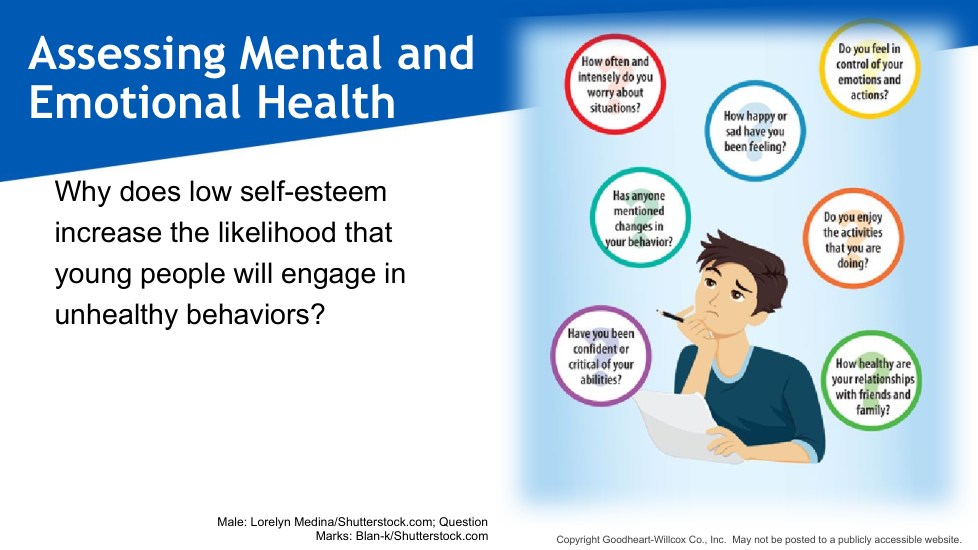
How can you make sense of your own thoughts and feelings?
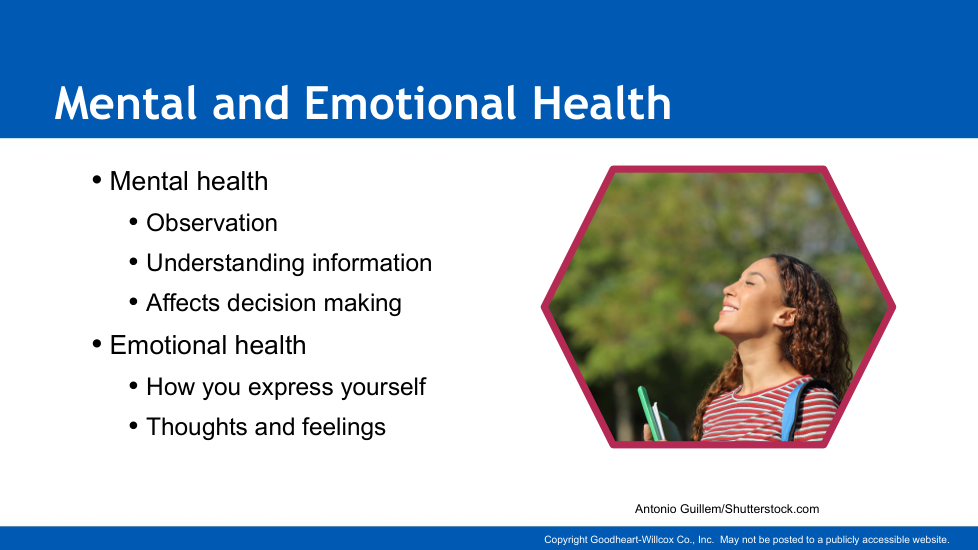
What does mental health primarily focus on?
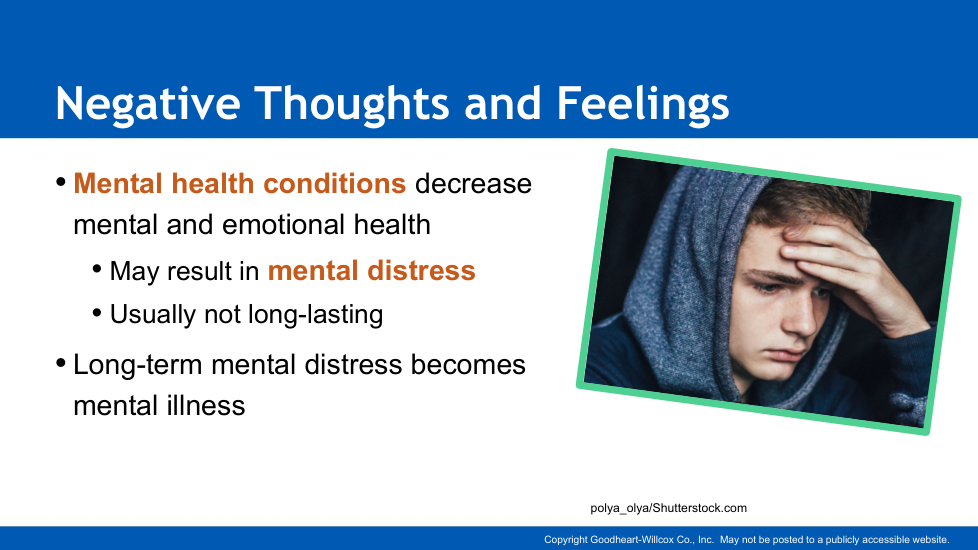
Which statement is true regarding mental health conditions?
What is the definition of personal beliefs?
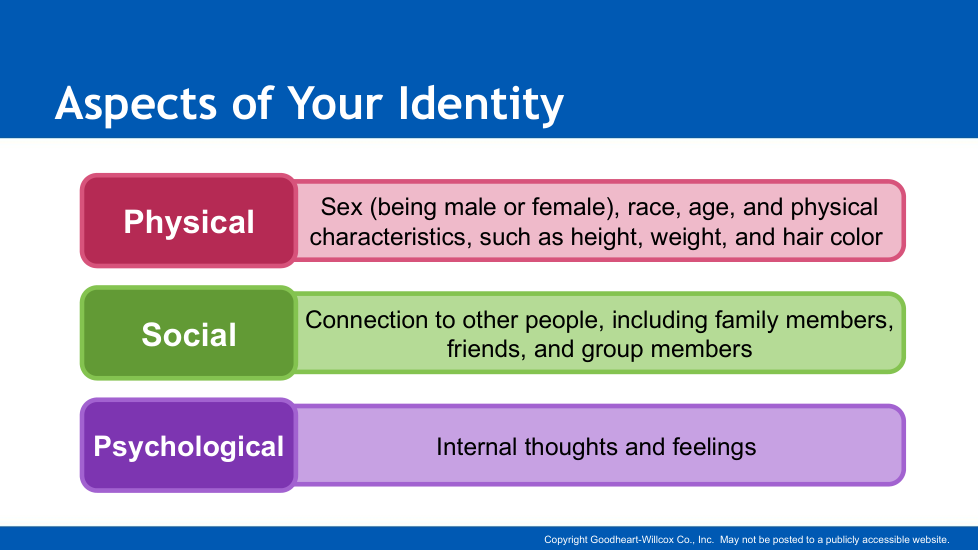
Which category includes internal thoughts and feelings?
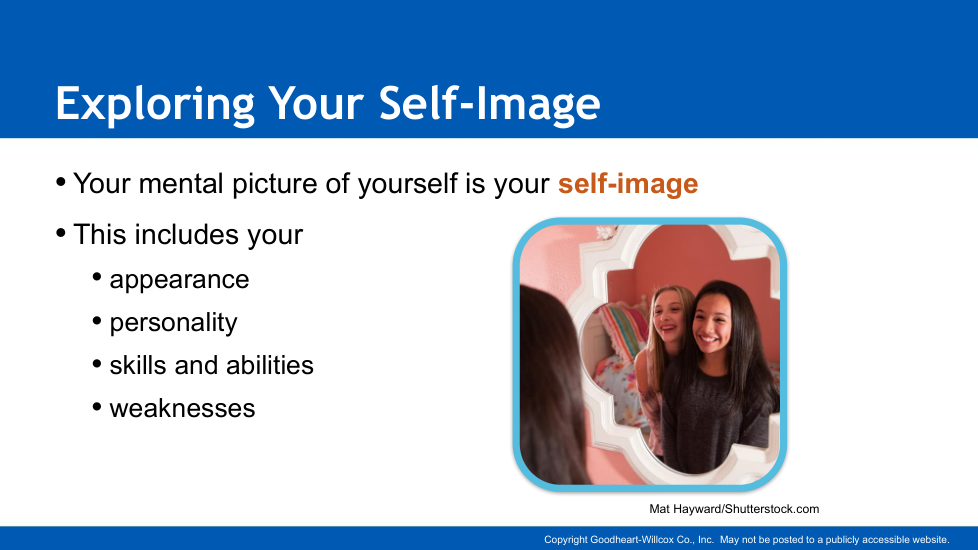
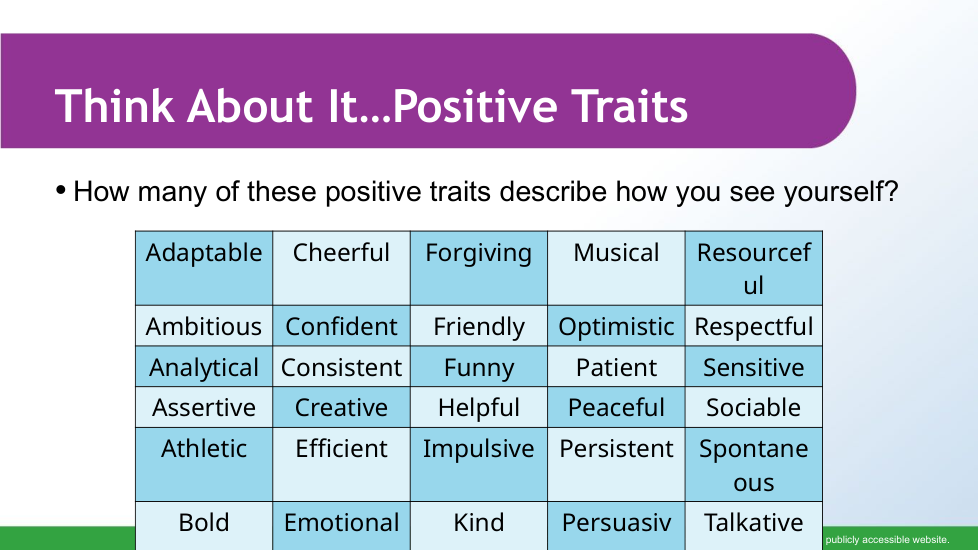
Which of the following is included in your self-image?
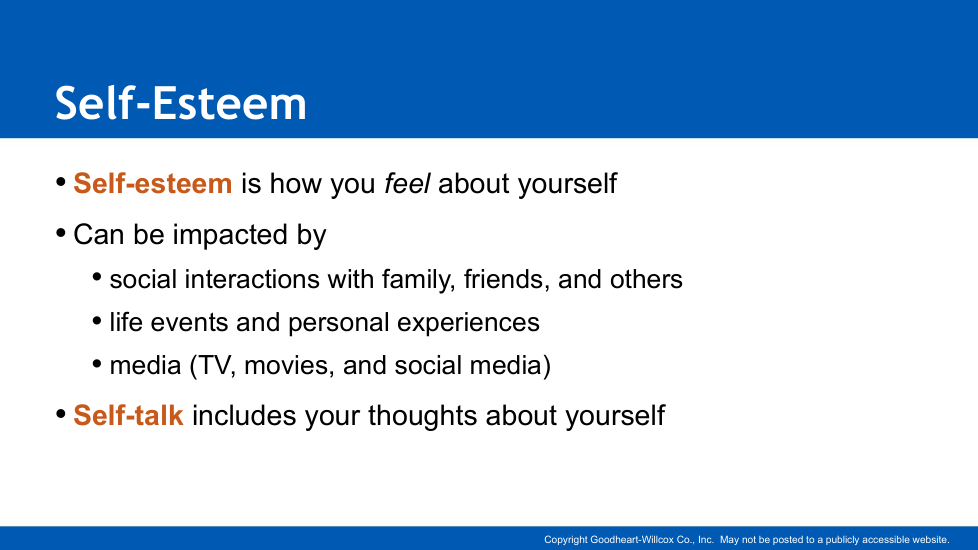
How can social interactions affect self-esteem?
What term describes a set way a person thinks?
Self-image is how you view ________.
How can TV or social media impact self-esteem?
What is impacted by what someone sees on social media?
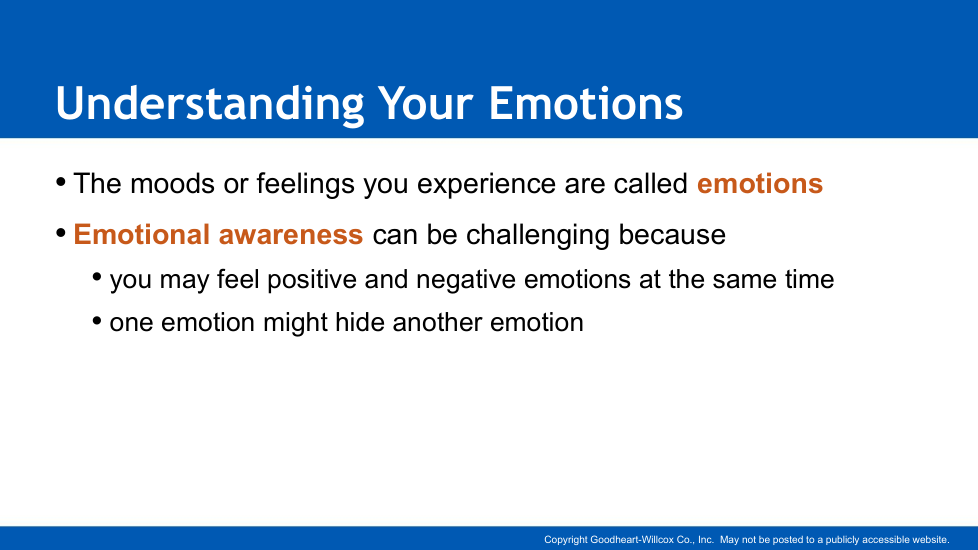
What aspect of emotions complicates emotional self-awareness?
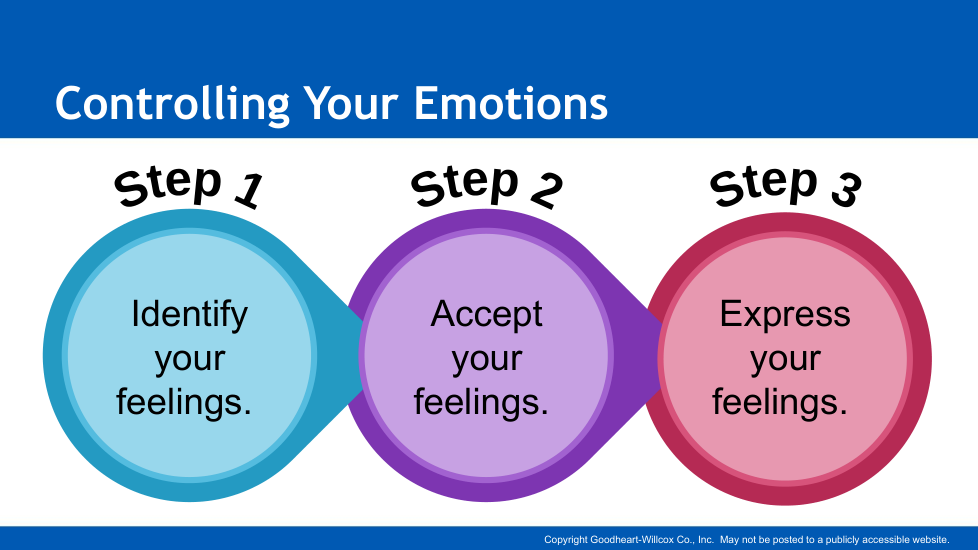
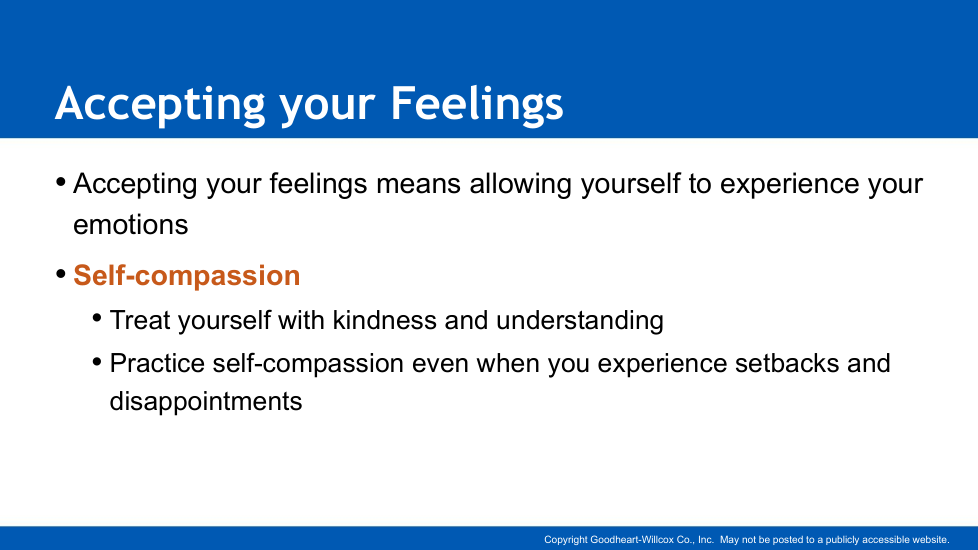
What does it mean to accept your feelings?
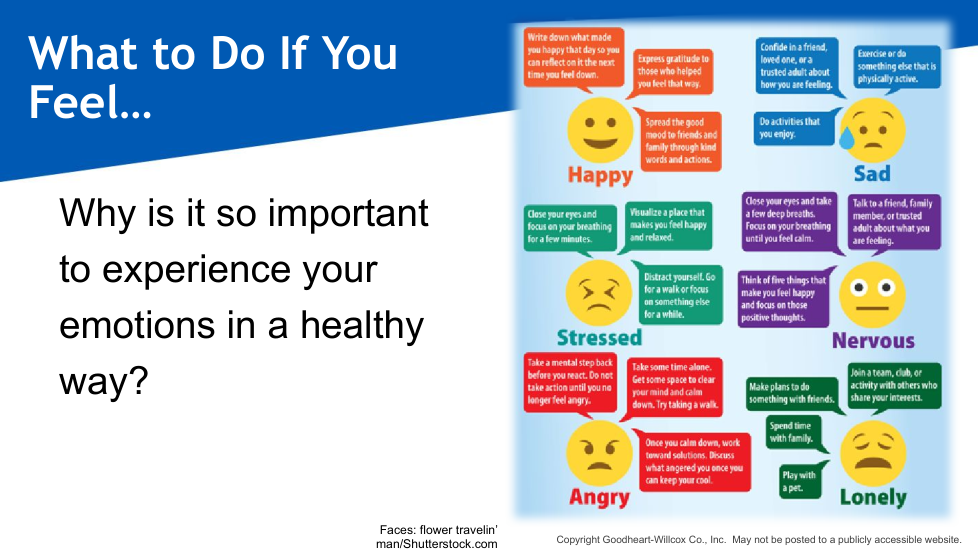
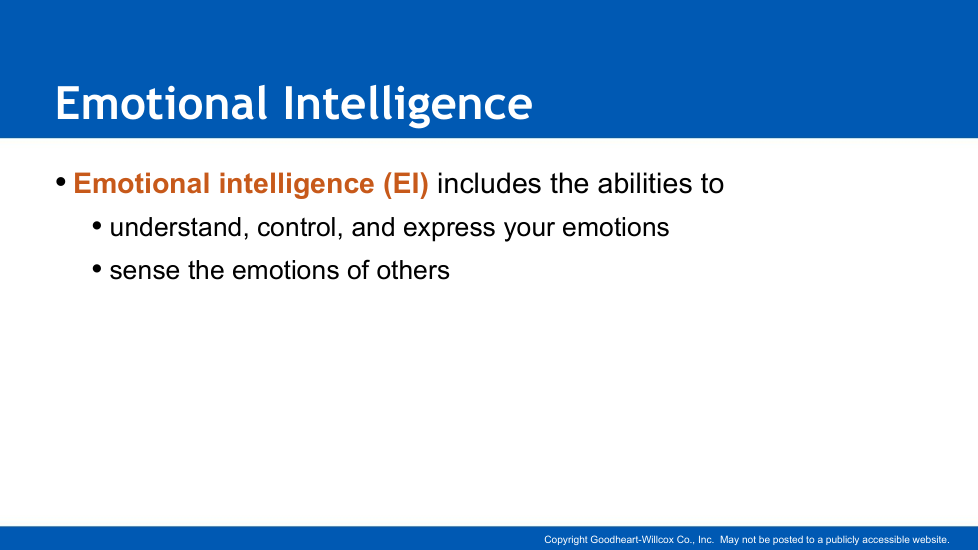
What is emotional intelligence (EI) important for?
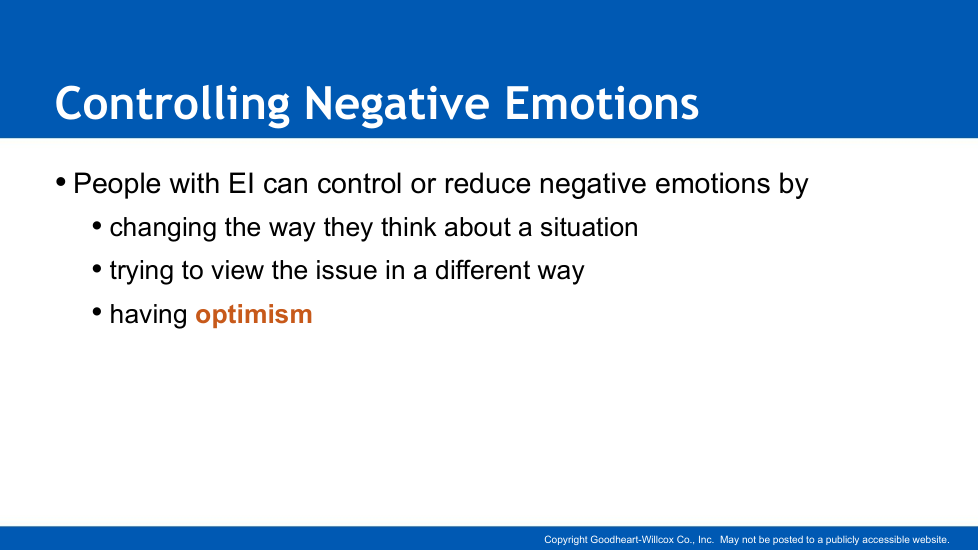
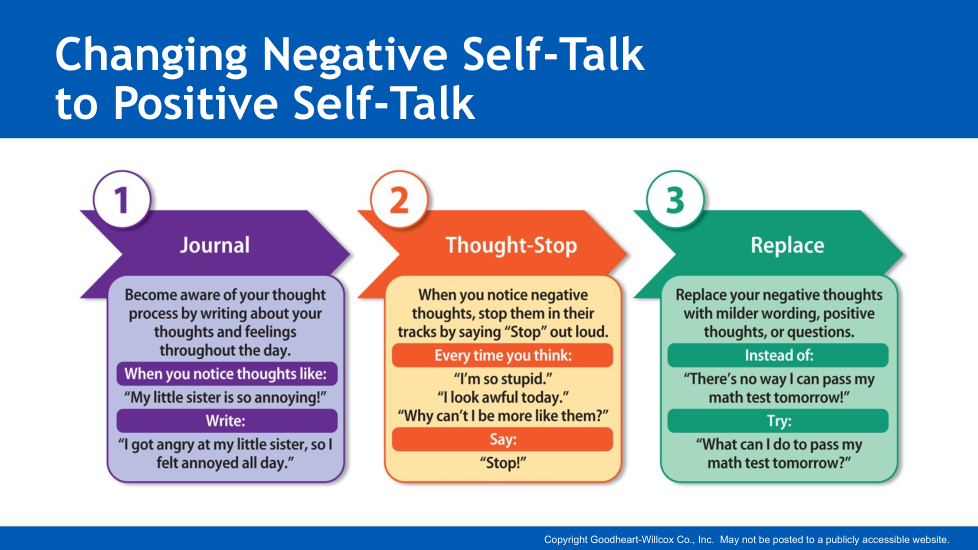
How can changing your perspective help control negative emotions?
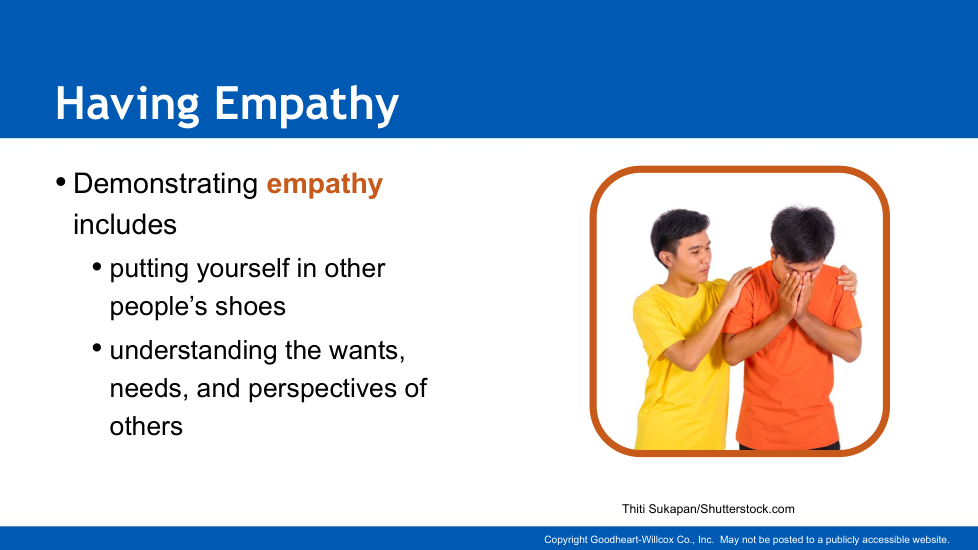
What is a key aspect of having high emotional intelligence?
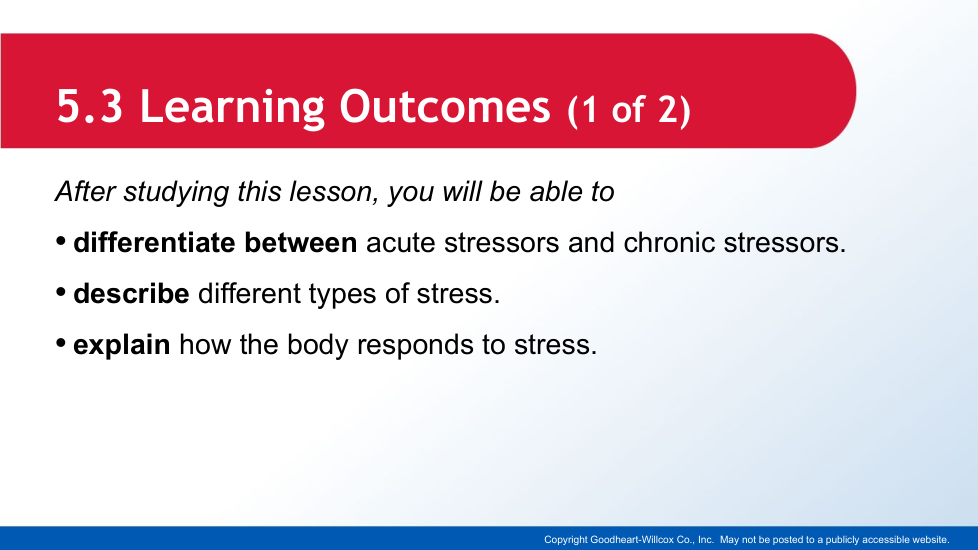
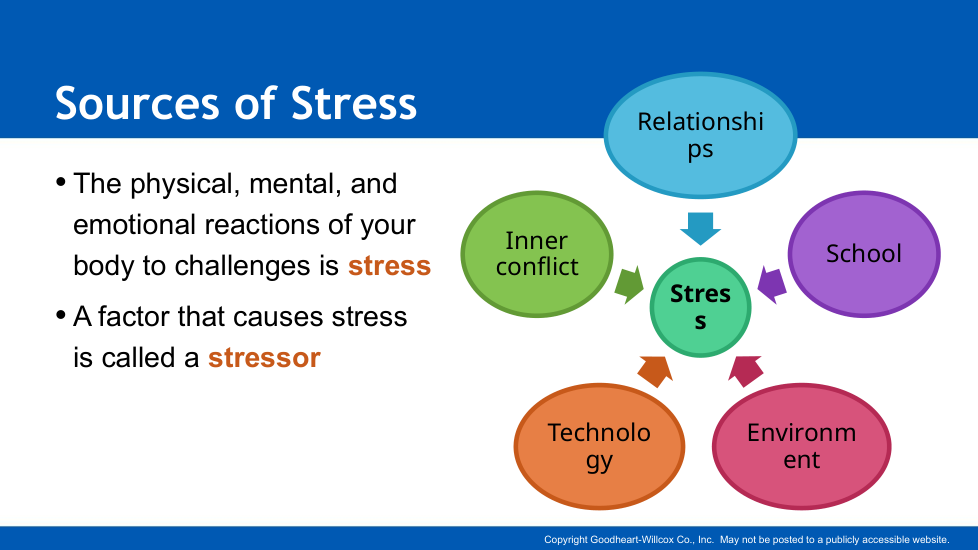
What term describes the physical, mental, and emotional reactions to challenges?
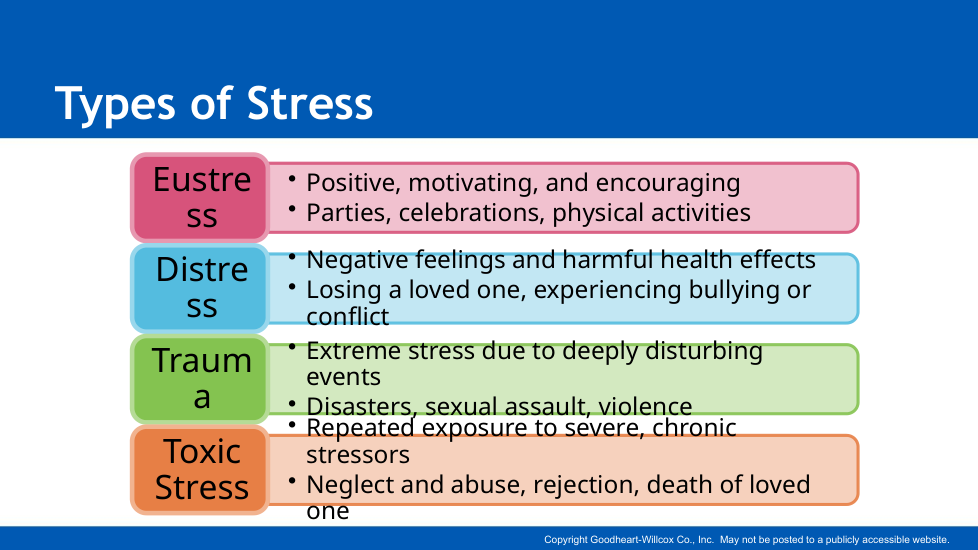
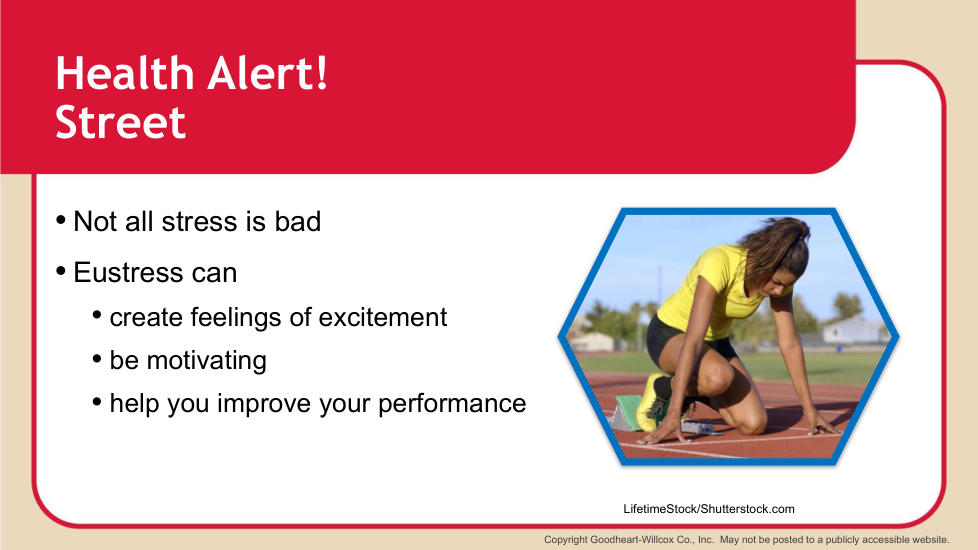
Eustress can make you feel _____.
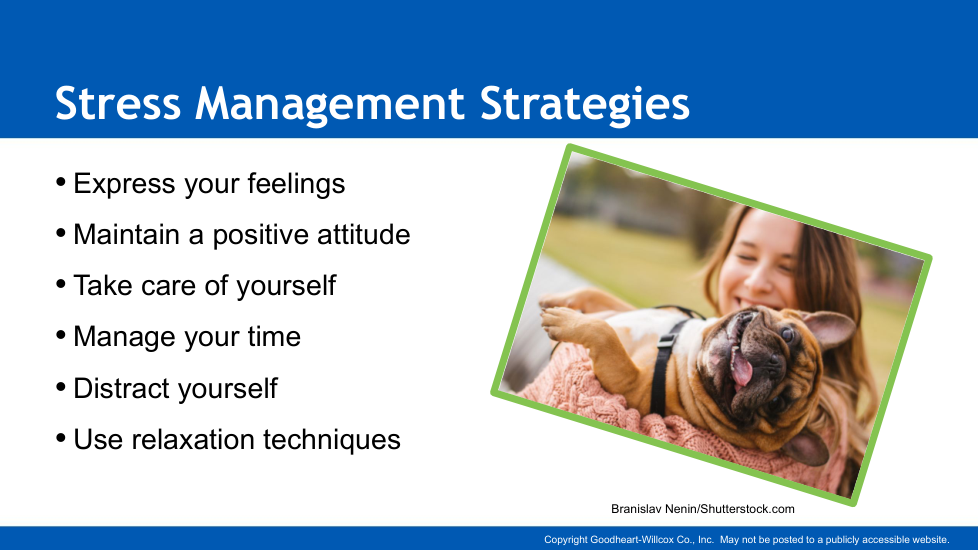
Which stress management strategy involves expressing your emotions openly?
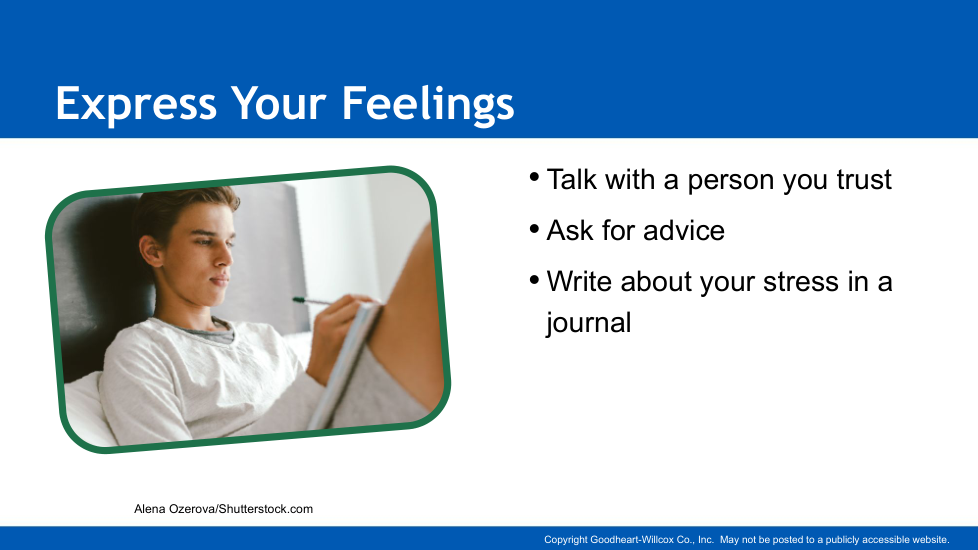
Which strategy involves writing down your thoughts and feelings?
How can seeing mistakes as opportunities benefit mental health?
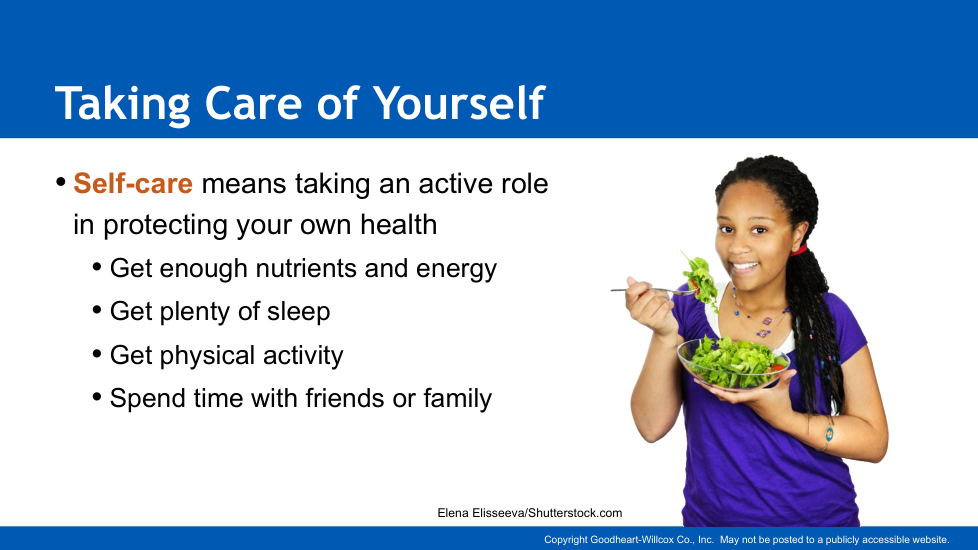
Why is self-care important for mental and emotional health?
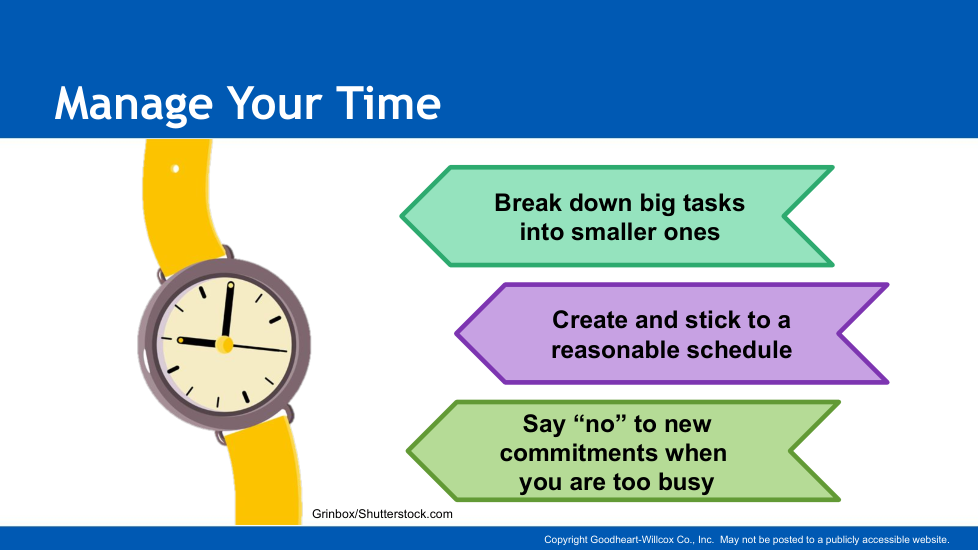
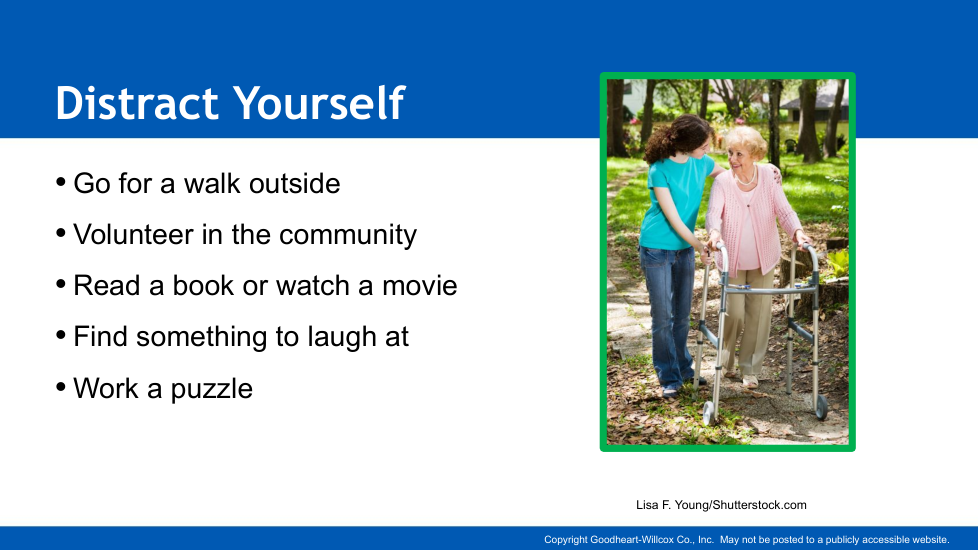
Which activity can help you relax and reduce stress levels?
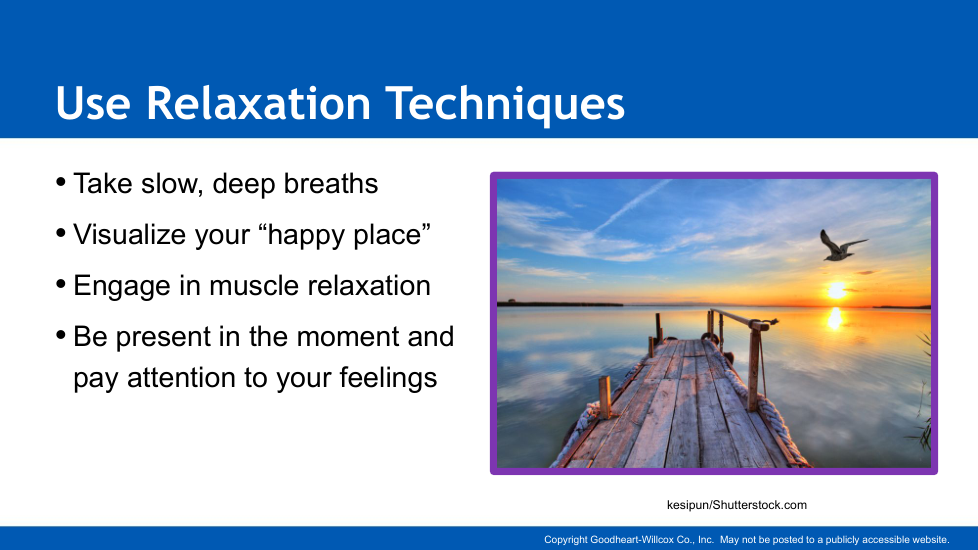
Which relaxation technique involves picturing a calming location?
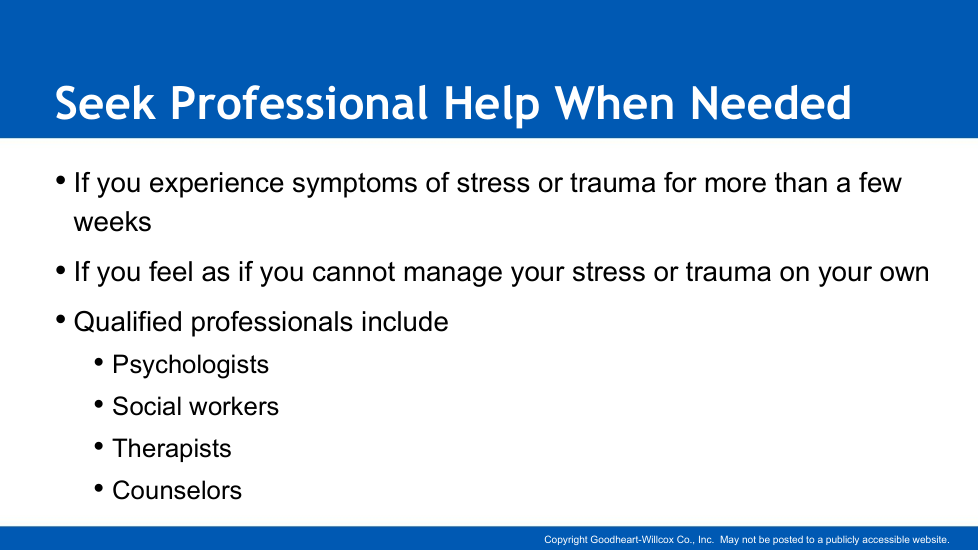
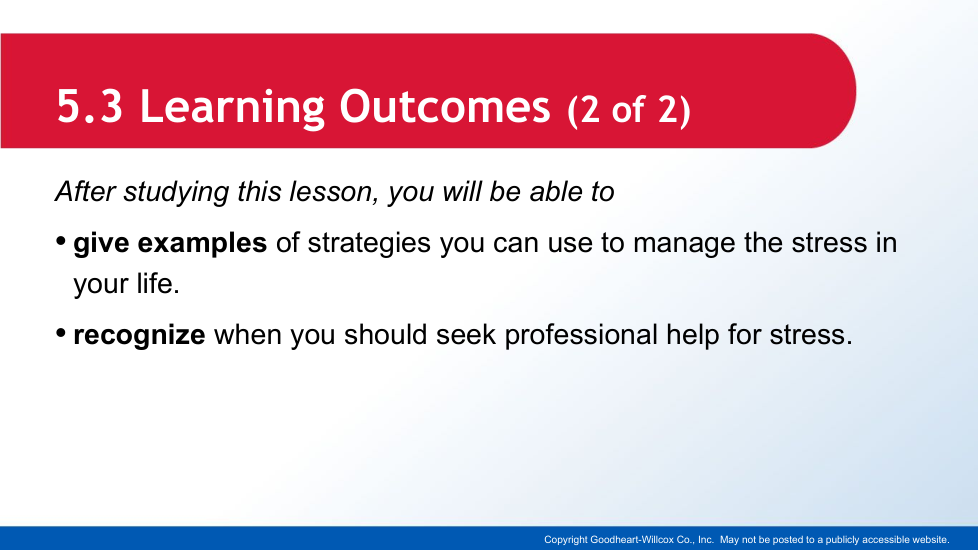
When should you seek professional help for stress or trauma?
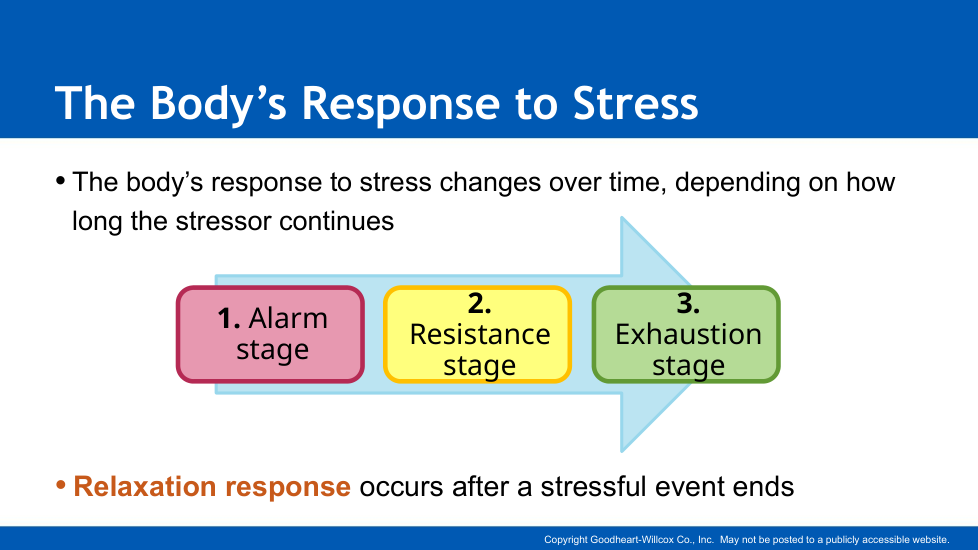
What is the body's response in the alarm stage?
What is involved in practicing self-care?
What are factors that lead to stress called?
What can chronic stressors cause with repeated exposure?
How does emotional health influence decision making?
Which aspect is related to understanding information?
What is the difference between mental distress and mental illness?
What is a common characteristic of mental health conditions?
Why is understanding mental and emotional health important?
How are attitudes defined?
Which term describes who you are?
What do personal beliefs represent?
What does physical health mainly refer to in individuals?
Connectivity with family and friends falls under which category?
Height and weight are examples of what aspects?
Self-image involves mental picture of your appearance and what else?
What term is used for your view of your own abilities?
What does self-image NOT include?
What is self-talk related to?
What can impact self-esteem regarding personal experiences?
How can media affect self-esteem?
What are the moods or feelings you experience called?
What can you feel at the same time?
What may make emotional awareness difficult?
How can you practice self-compassion?
When should you practice self-compassion?
Why is self-compassion important for mental health?
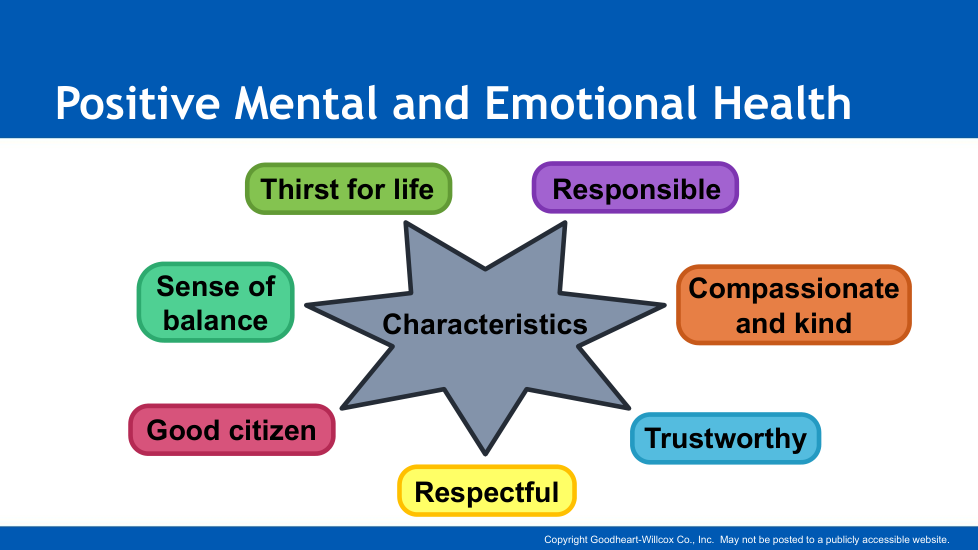
Which characteristic is commonly associated with high EI?
What do people with high EI excel at?
Why is it important to develop emotional intelligence?
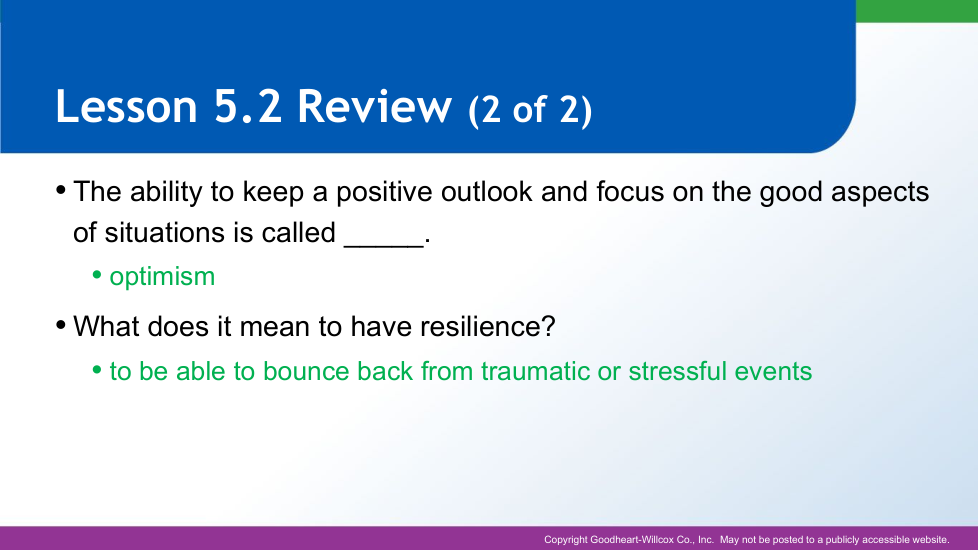
What is optimism’s role in managing negative emotions?
Why is it important not to take things personally?
How do negative emotions impact judgment?
How can developing empathy benefit relationships with others?
What is an important skill for developing empathy?
Why is empathy valuable for understanding others' perspectives?
What is a factor that causes stress?
Which type of health is affected by stress?
How can one manage stress effectively?
What effect can eustress have on your performance?
Eustress is different from distress because it is _____.
Which statement is true about eustress?
What is a key part of maintaining good mental health?
Which strategy helps in avoiding feeling overwhelmed and stressed?
What technique can help calm your mind and body?
How can asking for help benefit your mental health?
What can seeking advice from someone do for you?
Which action can help improve self-awareness and reflection?
Why is focusing on something positive important for mental health?
What can looking for positive aspects in negative situations help with?
How does maintaining a positive attitude contribute to overall well-being?
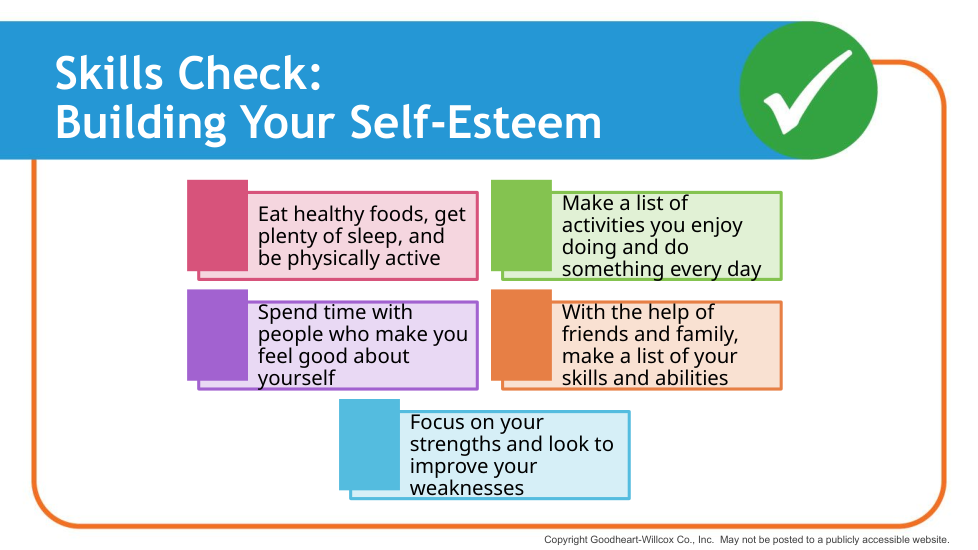
What is one way to practice self-care for mental health?
How can lack of sleep affect mental and emotional health?
Why is physical activity important for mental health?
What can improve your mood and mental well-being?
Which activity can help you feel more connected to others?
Which activity can stimulate your brain and improve focus?
What is a recommended method to relax muscles?
How can you be more aware of your emotions?
What should you do to be present in the moment?
Who are qualified professionals to seek help from?
What type of professional could provide therapy?
If you can't manage stress, who should you consult?