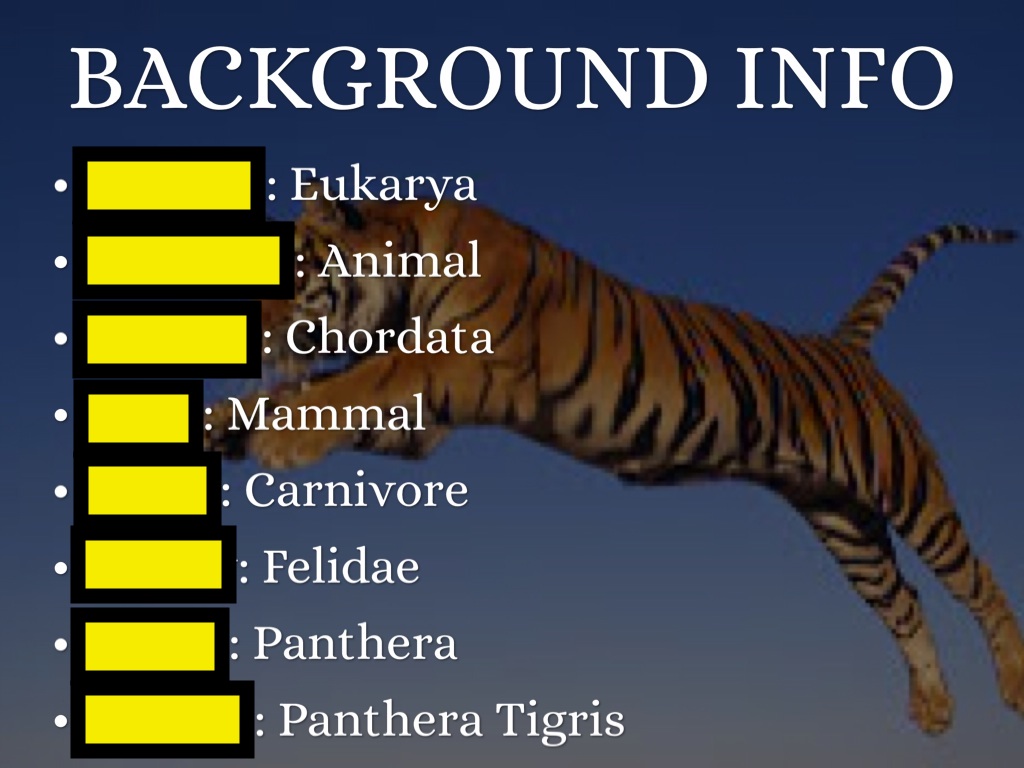
Mmuae Afoforo a Wobɛpaw:
Order
Kingdom
Family
Class
Phylum
Genus
Species
Domain
Match the scientist to their contribution to science
| Draggable item | arrow_right_alt | Corresponding Item |
|---|---|---|
Jean Baptiste Lamarck | arrow_right_alt | set the standard for binomial classification, and the taxonomy that we use today |
Carolos Linneaus | arrow_right_alt | evolution through the mechanism of survival of the fittest |
Charles Darwin | arrow_right_alt | evolution through the mechanism of inheritance of acquired characteristics |
match the different biomes to their different characteristics
| Draggable item | arrow_right_alt | Corresponding Item |
|---|---|---|
Taiga | arrow_right_alt | scarce water, but more than 10 inches per year. Short trees. |
tropical rainforest | arrow_right_alt | more water than some, but not enough to support a lot of trees. very different springs vs winter. high plant biodiversity |
prairie | arrow_right_alt | enough rain to support large, broad-leaved or deciduous trees |
temperate rainforest | arrow_right_alt | tons of rain, close-ish to the equator lots of large trees, high biodiversity |
Shrublands | arrow_right_alt | tons of rain, lots of large trees, not close to the equator |
Desert | arrow_right_alt | so cold a layer of ground under the surface is always frozen |
Tundra | arrow_right_alt | Cold, snowy, with lots of evergreen trees |
Temperate forest | arrow_right_alt | can occur in any other type of biome |
Wetlands | arrow_right_alt | less than 10 inches of rain per year. can be hot, cold, foggy, dry or humid. |
What is biodiversity?
Why is biodiversity important?