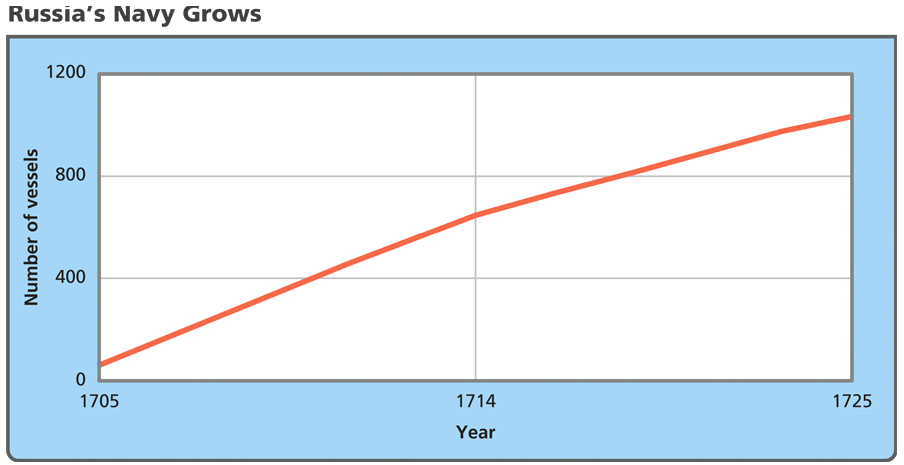
The graph above illustrates the efforts of Peter the Great to...
The graph above illustrates the efforts of Peter the Great to...
| Draggable item | arrow_right_alt | Corresponding Item |
|---|---|---|
William of Orange | arrow_right_alt | Political system where a ruler has complete and unlimited control |
Absolutism | arrow_right_alt | Russian Tsar who used terror and absolute power to forcibly modernize his country |
Charles I | arrow_right_alt | Site of the grand palace built by Louis XIV to exemplify his power |
Peter the Great | arrow_right_alt | Best example of an absolute monarch; French monarch who fashioned himself the "Sun King" |
Versailles | arrow_right_alt | Process of adopting the culture, technology, and ideas of western Europe |
English Bill of Rights | arrow_right_alt | Bloody 1600s religious conflict that empowered France and depowered Austria |
Thirty Years' War | arrow_right_alt | Legislative body of England that governed alongside the king |
Louis XIV | arrow_right_alt | English king who attempted to rule absolutely; first European ruler put to death by their own people |
Parliament | arrow_right_alt | Bloodlessly took over the English throne after being invited by Parliament |
westernization | arrow_right_alt | Document that formally created a limited monarchy and protected the liberties of average citizens |
Which of these is NOT a characteristic of an absolute monarchy?
The graph above illustrates the efforts of Peter the Great to...
Which of the following best explains why the Thirty Years' War was so violent and chaotic compared to other European religious conflicts?
Louis XIV's authority to rule was based on which idea?
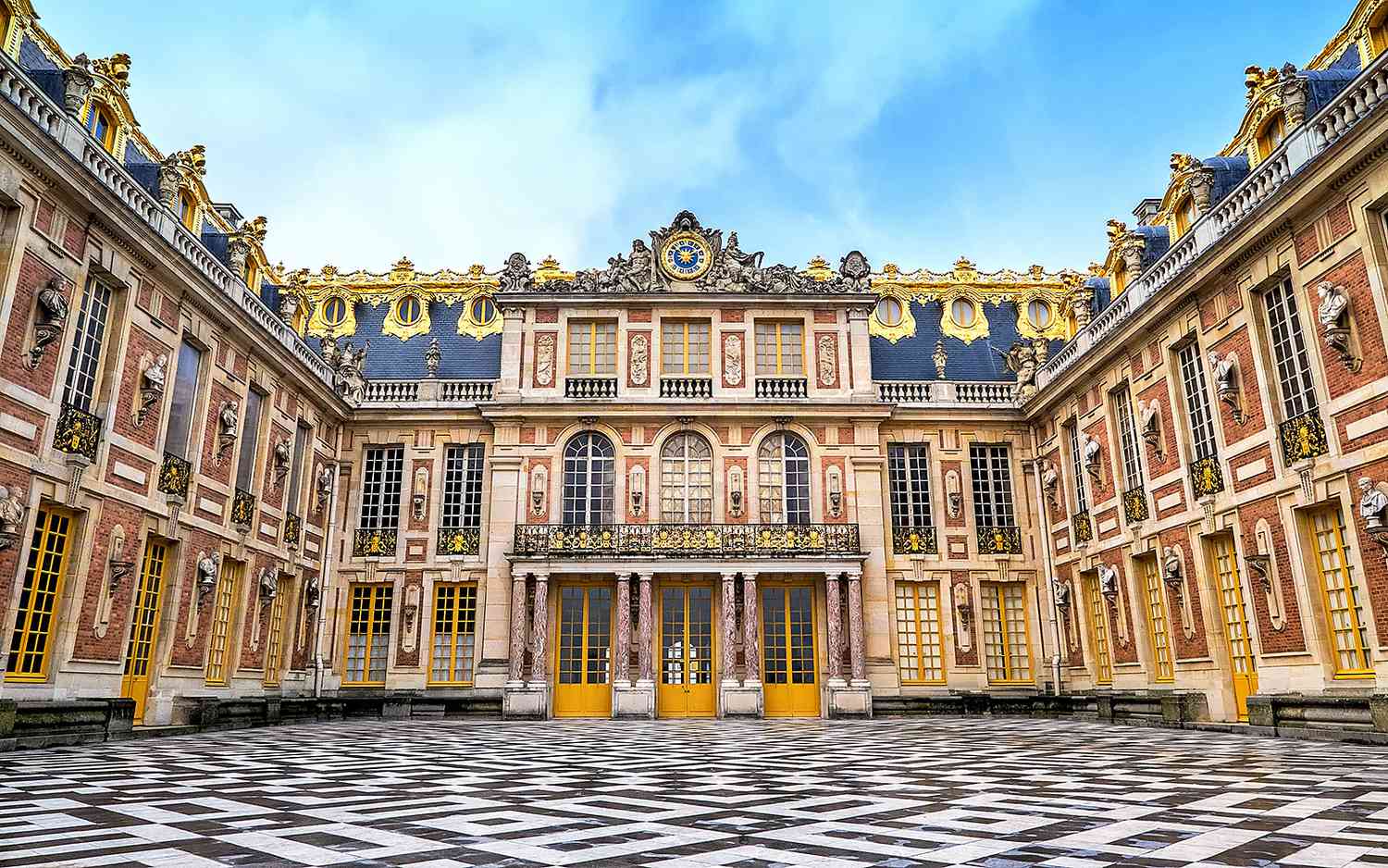
The image below is of a palace built to exemplify the power of which European monarch?
How did the Thirty Years' War impact the balance of power in Europe?
Why do historians often view Peter the Great as having a complex legacy?
Which of the following is an outcome of the Peace of Westphalia?
How did the power of the king change after the English Civil War and the Glorious Revolution?
Which of the following is something an absolute monarch would NOT typically do?
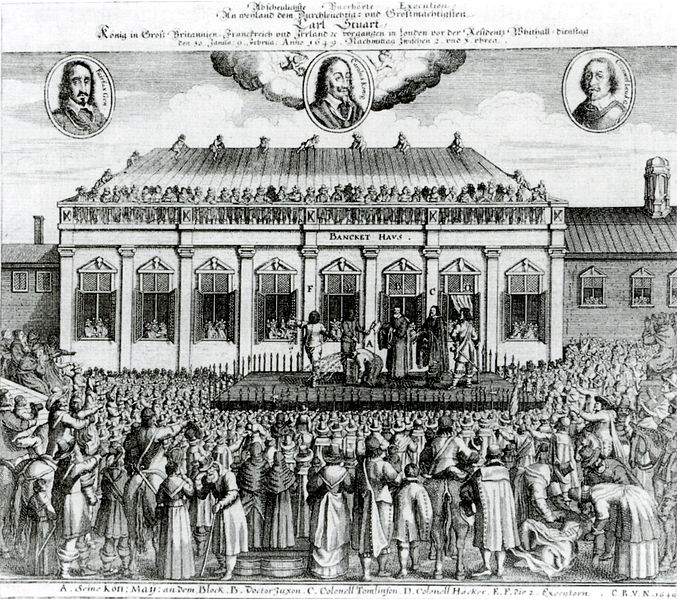
The event depicted in the image above is a direct outcome of the...
What did Prussia become renowned for across Europe?
Which choice best explains why the English Bill of Rights was a monumental shift in European politics?
How did the Edict of Nantes help to end the French Wars of Religion?
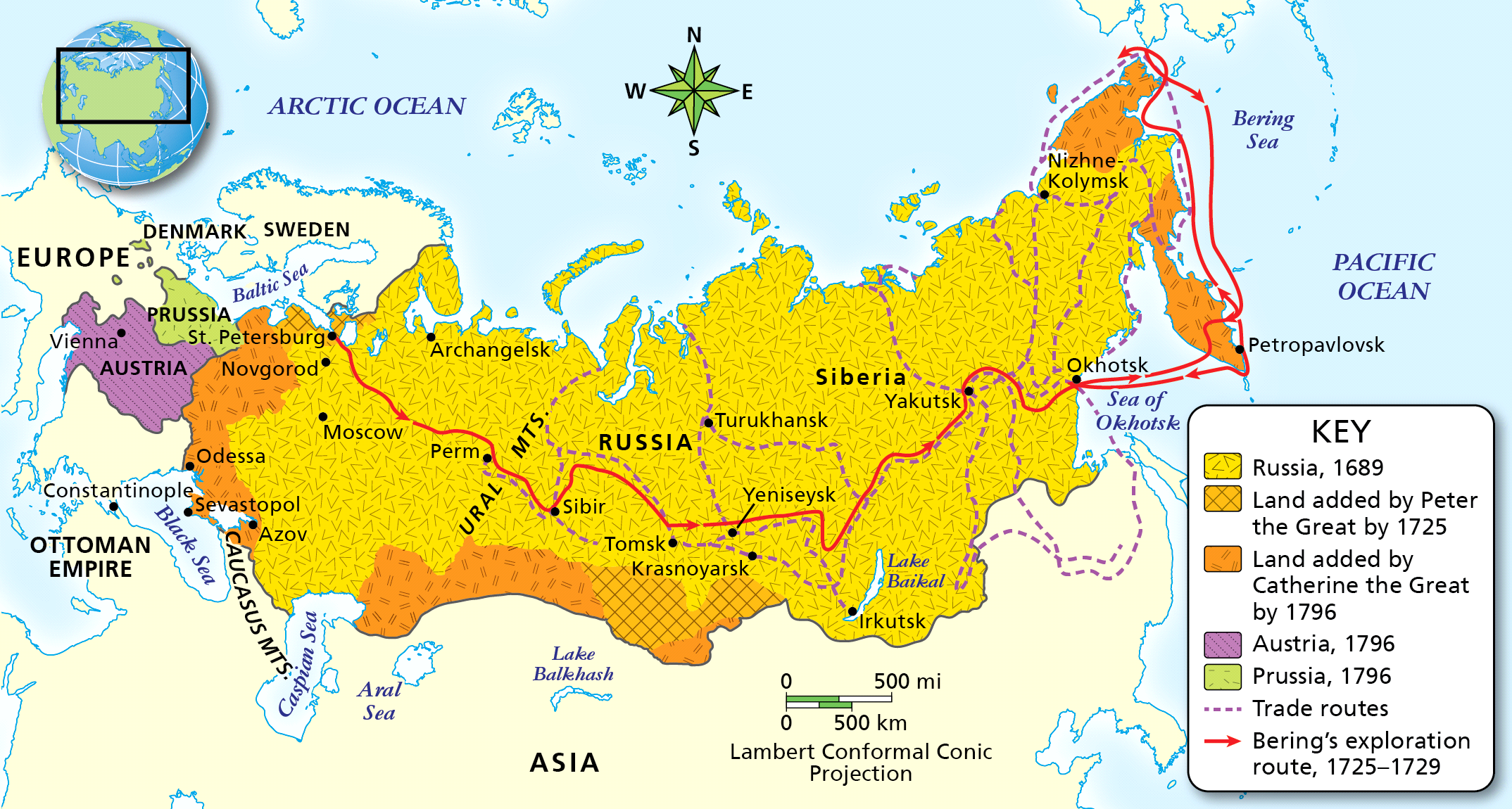
Which development is best illustrated by the map above?
Why did the Stuart takeover of the English throne cause friction with Parliament?
What major change in European politics resulted from Prussia's victory in the War of the Austrian Succession?
Why did Louis XIV fashion himself the "Sun King"?
Why did Catholic France choose to intervene in the Thirty Years' War on the side of the Protestants?
Why would other European monarchs have seen the English Bill of Rights as a radical document?
Choose TWO of the four following prompts to answer:
1. Describe both why and how European countries transitioned from feudalism to absolutism during the 1500/1600s.
2. Identify and explain one accomplishment by Louis XIV that showed how he was an absolute monarch.
3. Identify and explain one difference between absolutism in Russia and absolutism in the rest of Europe.
4. Describe TWO differences between England's system of limited monarchy and France's system of absolute monarchy.