Wild Ways Animals Protect Themselves - Summary Practice!
star
star
star
star
star
Last updated almost 2 years ago
1 Asɛmmisa
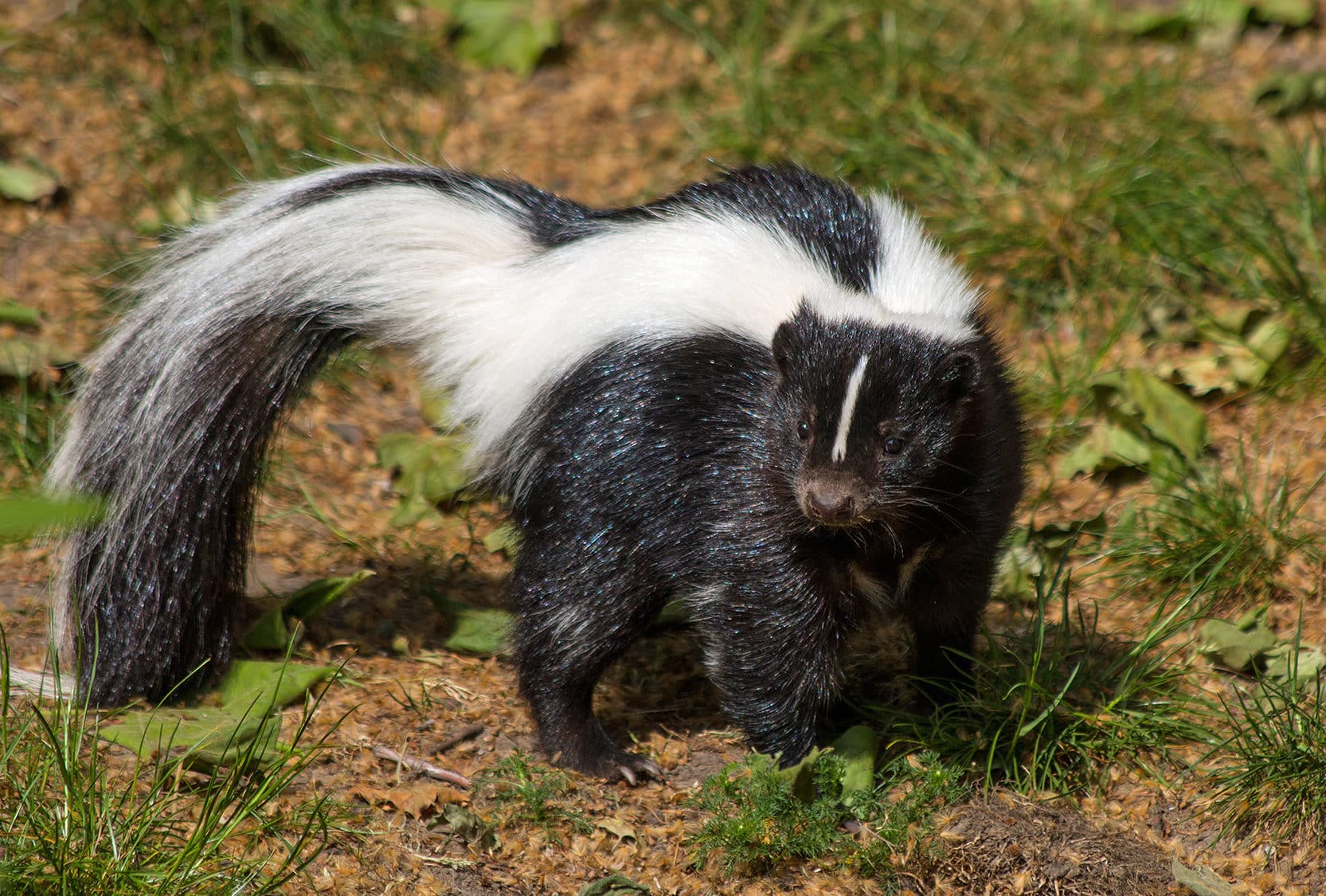
The stinky spray of a skunk is one of the most well-known animal defenses there is, but it’s usually used as a last resort by these striped animals. A skunk will first try less odiferous means of keeping a potential predator at bay. It may start by hissing and stomping its feet, according to the Smithsonian Institute. If that doesn’t send a predator scampering, the skunk will arch its back and lift its tail.
If all else fails, a skunk will deliver a spray of its pungent musk. The musk is contained in anal glands that have nipples so the skunks can precisely direct their spray, which can reach distances of 10 feet or more, according to the National Wildlife Federation. The spray may cause an unsuspecting animal’s eyes to water and sting, but it leaves no lasting damage – although the smell can linger for days or even weeks.
Skunk spray is the most effective foul-smelling defense – it can be smelled more than a half-mile away – but plenty of animals employ similar means of keeping potential predators at a safe distance. Take minks, which are related to skunks. They also secrete a bad-smelling musk from their anal glands when threatened, but it’s not nearly as powerful and potent as that of a skunk, according to Mother Nature Network. Stink bugs secrete a smelly fluid, and bombardier beetles will release a foul-smelling secretion that can also burn and irritate the skin to defend itself. Similarly, millipedes will also emit an odiferous secretion that will also irritate the skin when threatened.
Write a summary of the article! Remember to keep it short and add the main idea and supporting details.