Which of the following is a characteristic of communicable diseases?
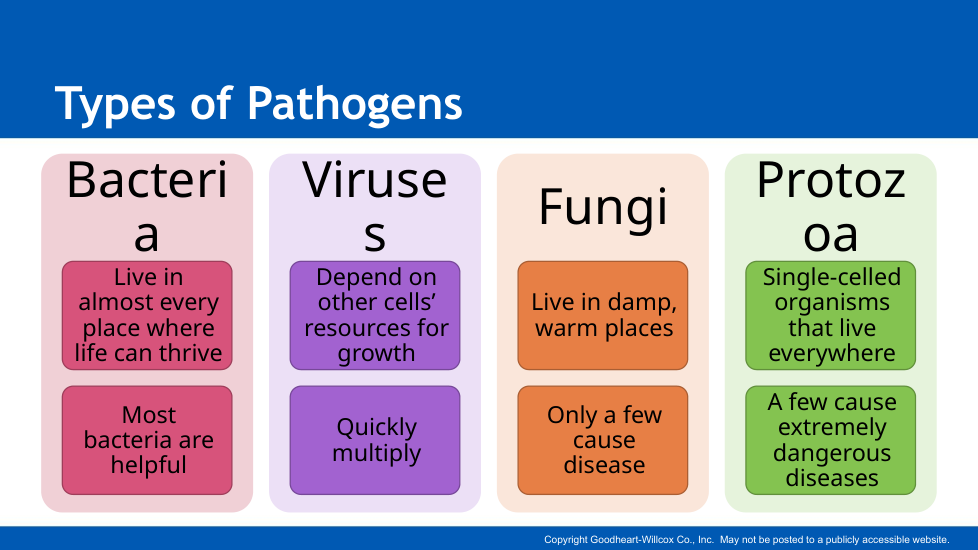
Where do most bacteria live?
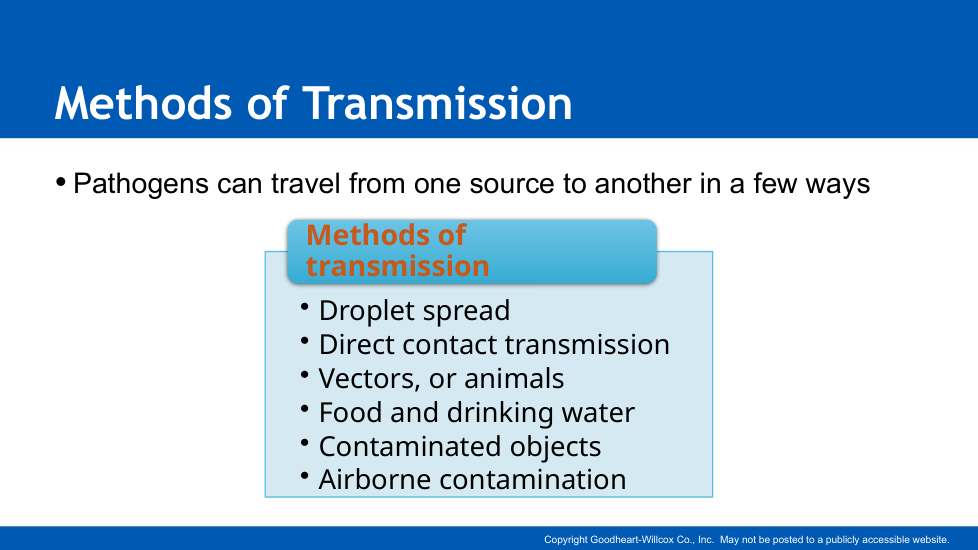
How can pathogens spread through the air?
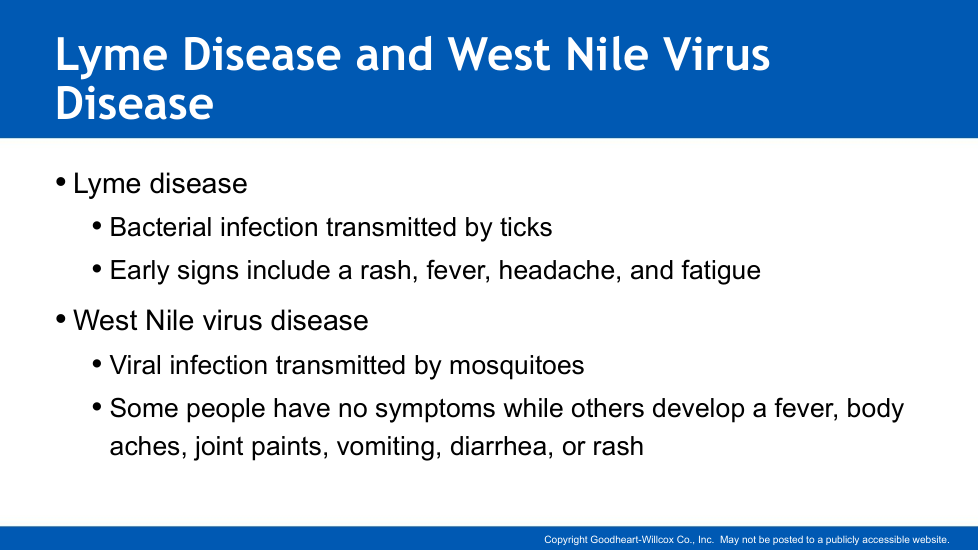
What are early signs of Lyme disease?
Which disease is typically spread through direct contact like kissing?
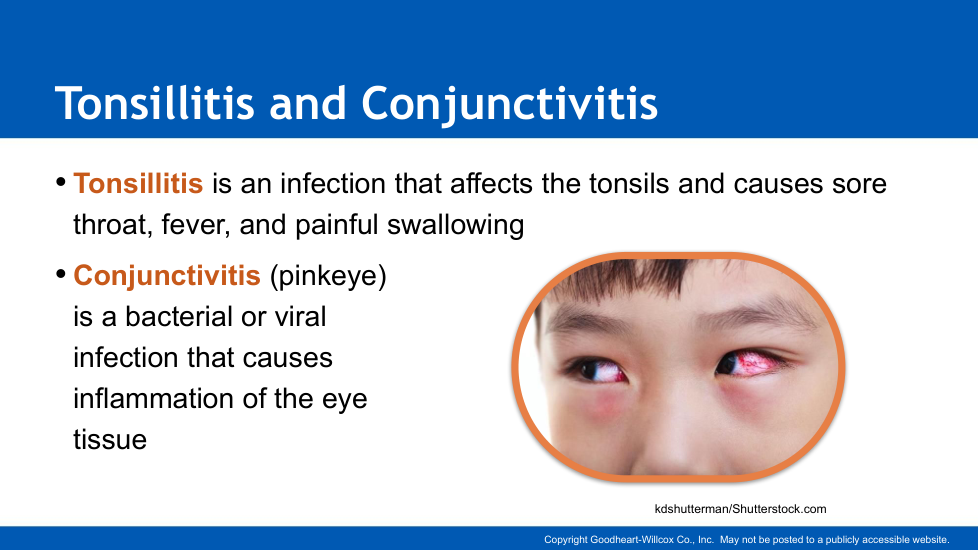
What are the common symptoms of tonsillitis?
Which contagious respiratory disease caused a 2020 pandemic?
Why do doctors prescribe antibiotics for bacterial infections?
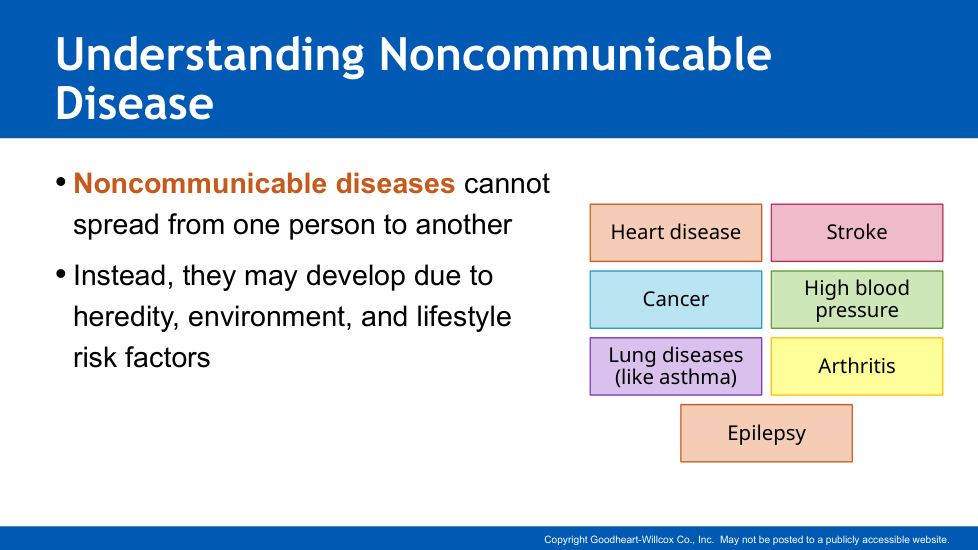
Which factor does not cause noncommunicable diseases?
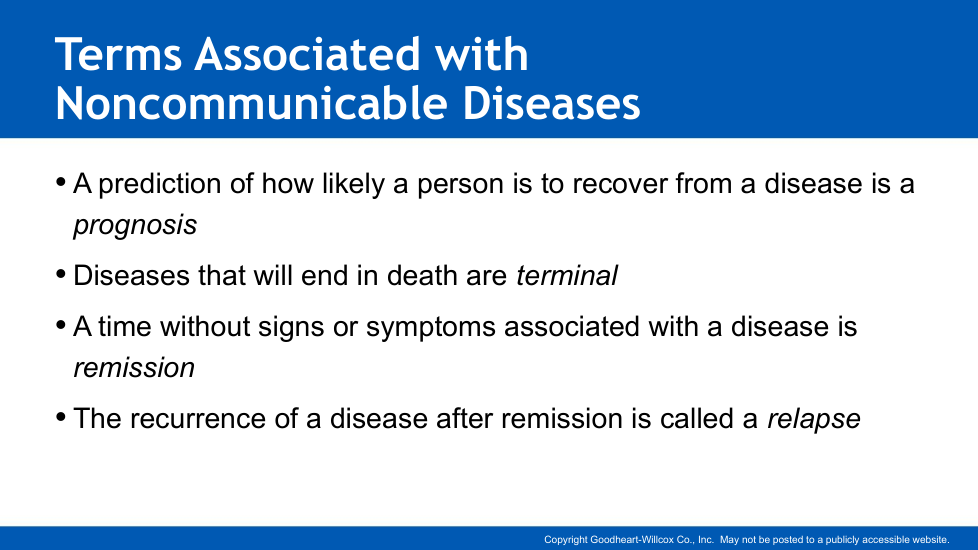
What is the term for the recurrence of a disease?
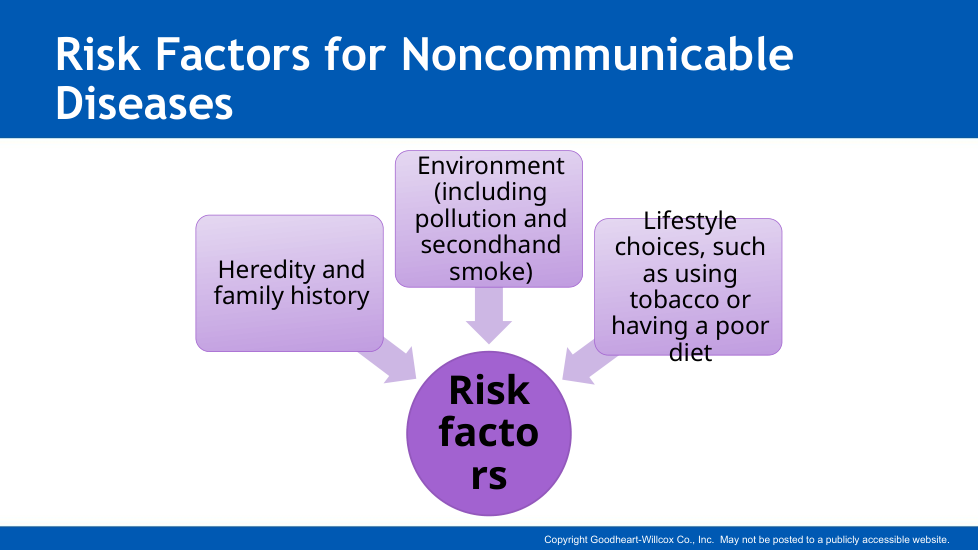
What is a risk factor for noncommunicable diseases related to genetics?
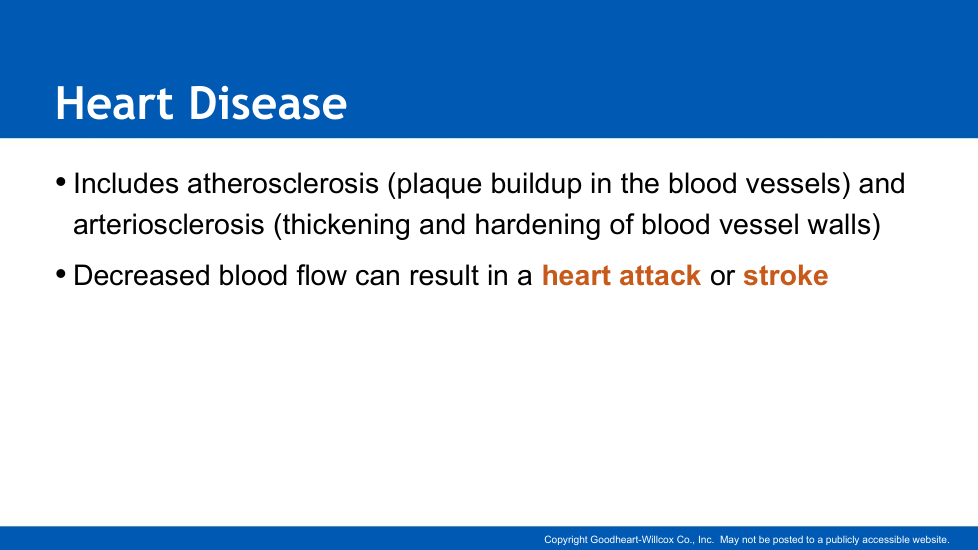
What is a common result of atherosclerosis and arteriosclerosis?
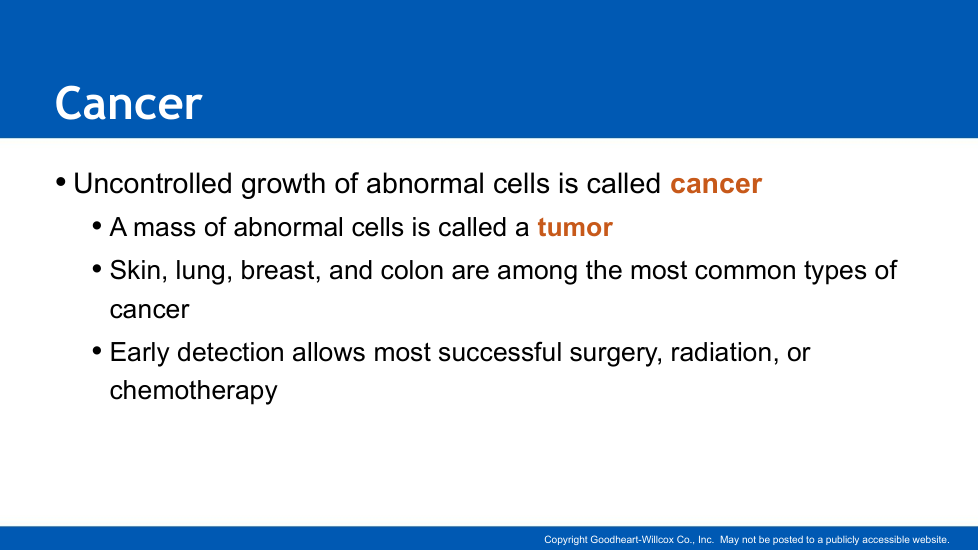
What is the uncontrolled growth of abnormal cells called?
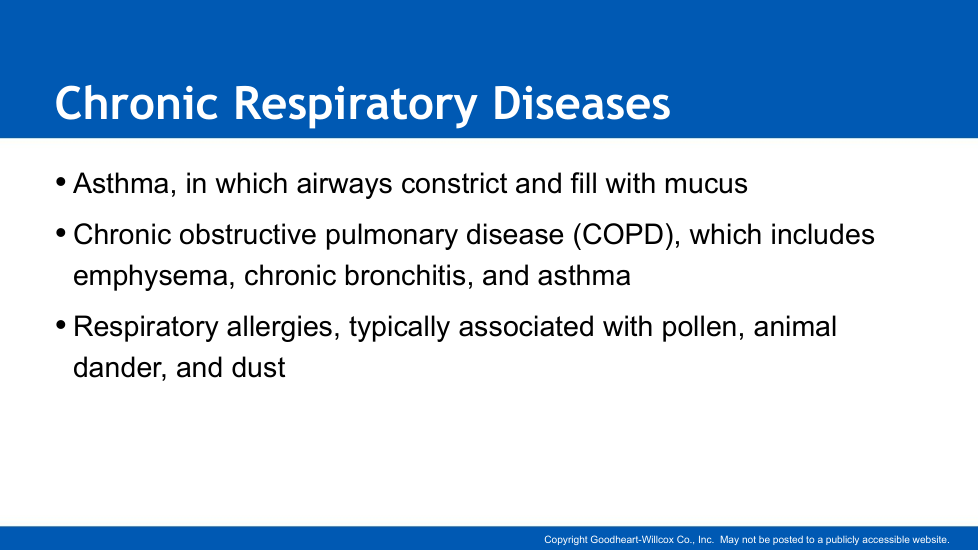
What is a disease in which airways constrict and fill with mucus?
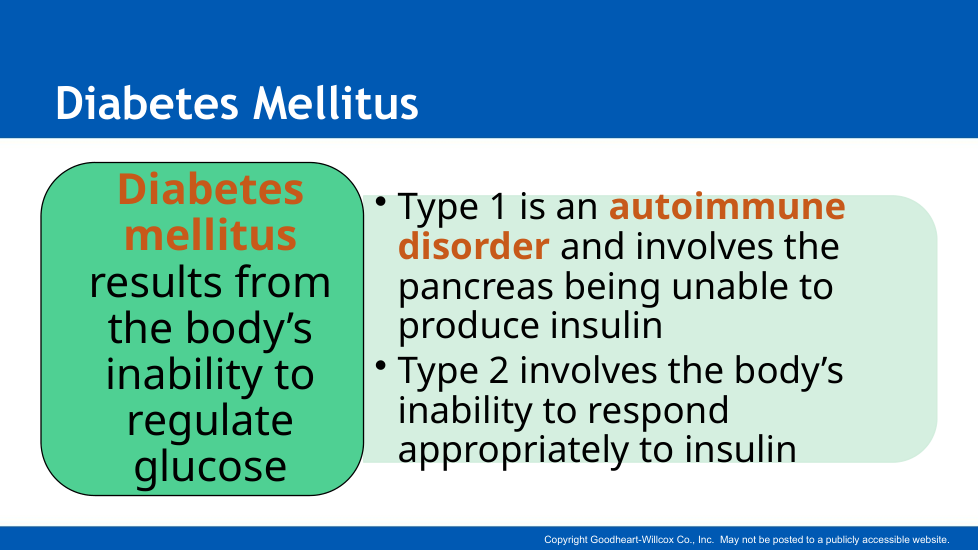
What is the main difference between Type 1 and Type 2 diabetes?
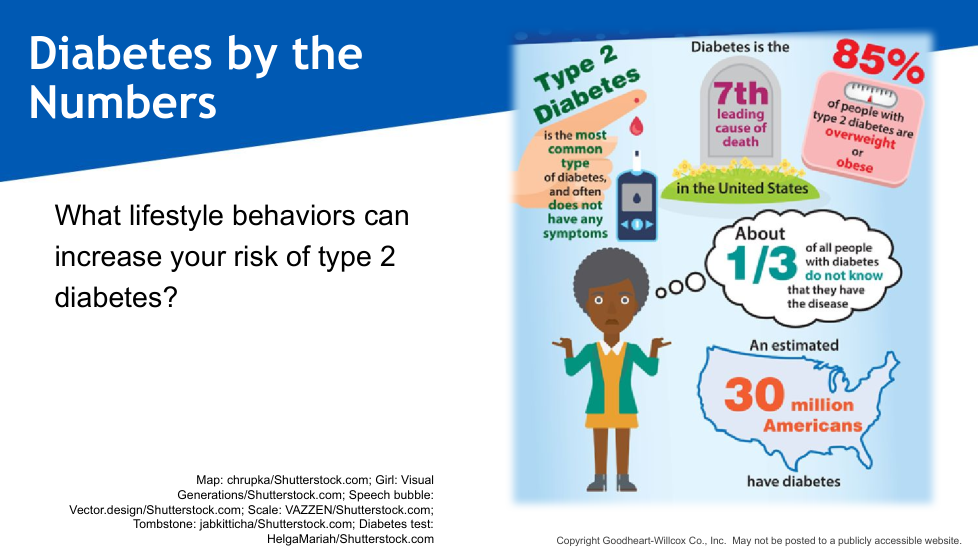
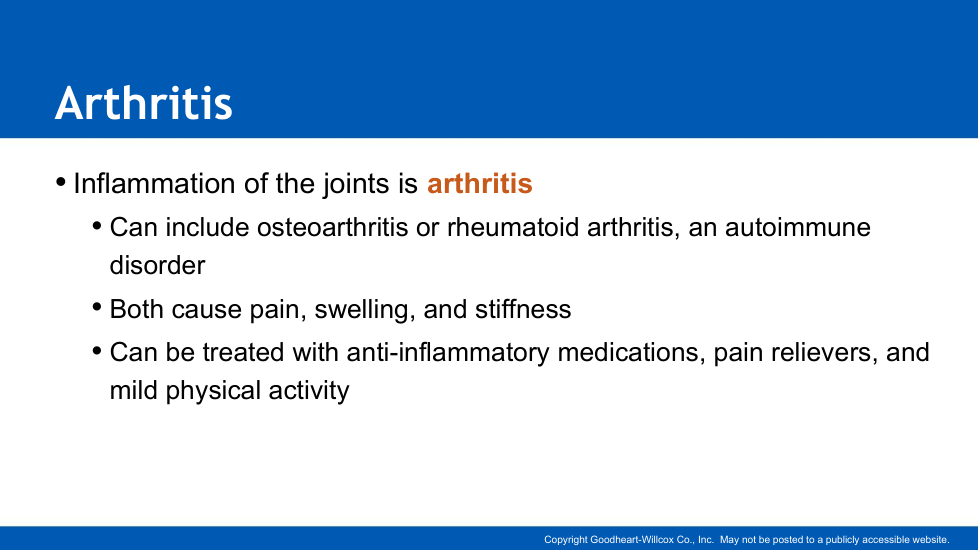
Which type of arthritis is an autoimmune disorder?
Which term is another name for epilepsy?
What are common methods for treating noncommunicable diseases?
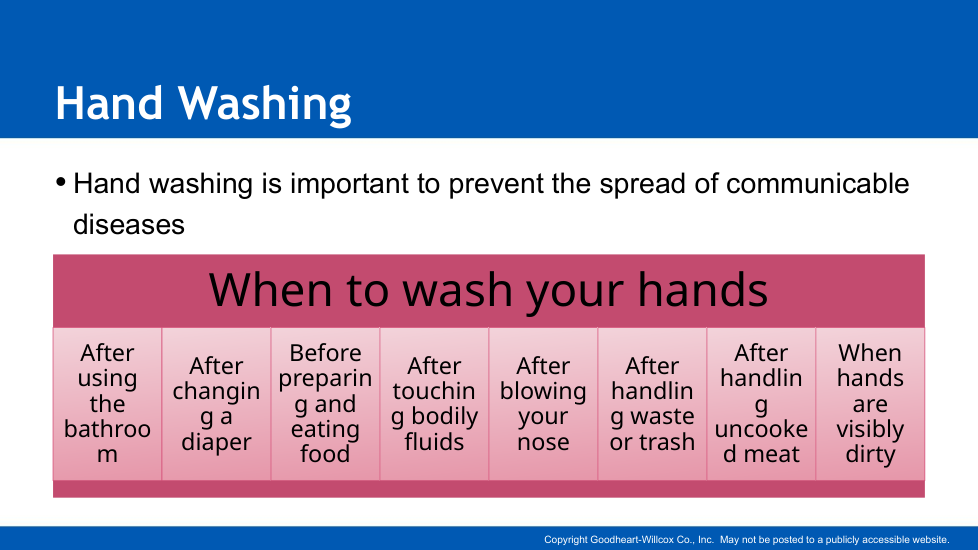
When should you wash your hands to prevent illness?
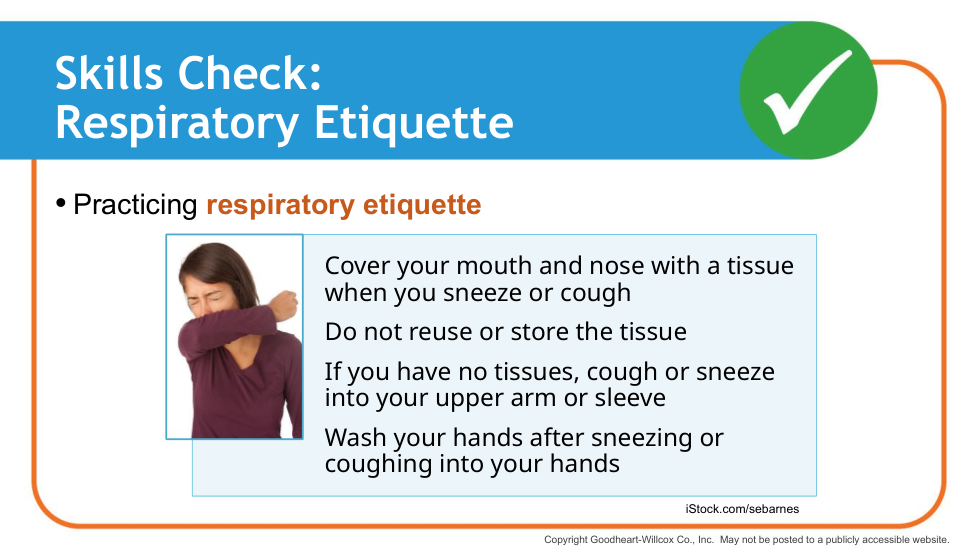
What should you do if you sneeze or cough without a tissue?
What do food safety practices in food sanitation include?
What is the only proven method to eliminate a communicable disease?
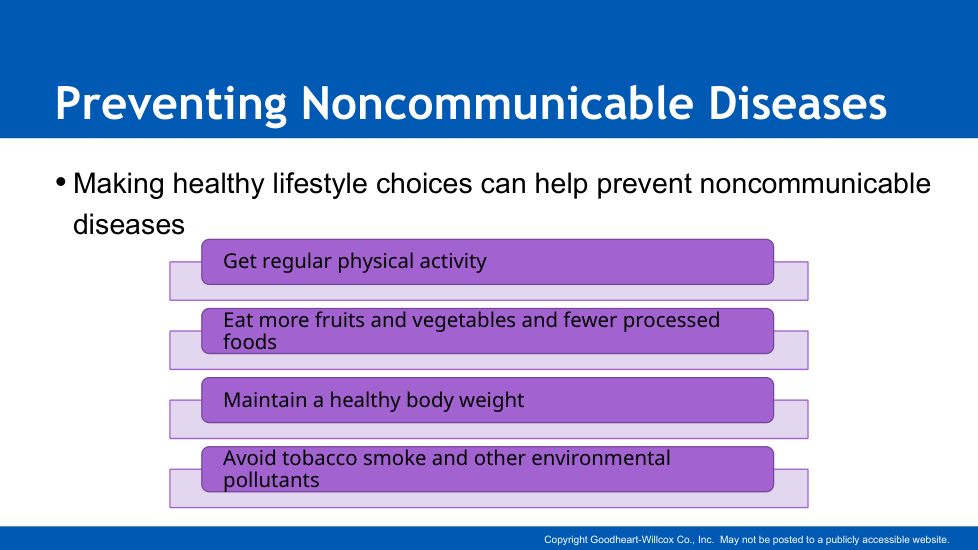
Which lifestyle choice can help prevent noncommunicable diseases?
Which method helps eliminate pathogens from the body?
What should you use if you don't have a tissue to sneeze into?
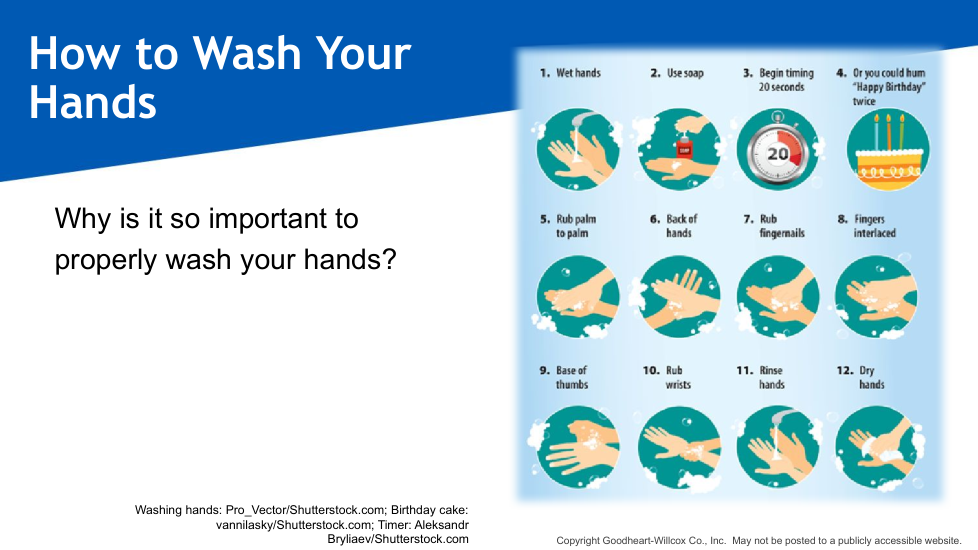
What is the recommended time for washing hands properly?
Which disease category can be prevented through healthy habits?
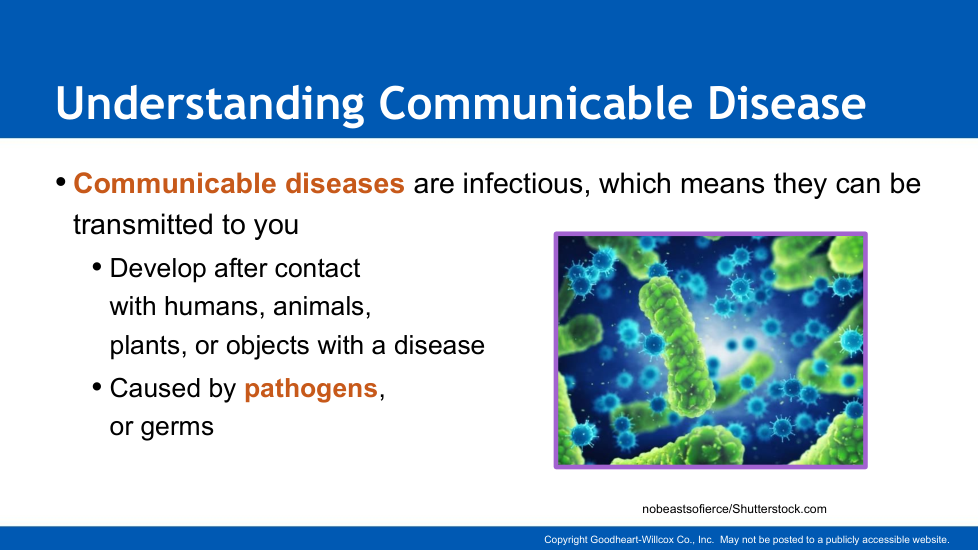
What type of germs cause communicable diseases?
How do communicable diseases develop after contact?
Communicable diseases develop after contact with which of the following?
What do viruses depend on for growth?
Where do fungi predominantly live?
What are protozoa mostly characterized as?
Which way of transmission involves insects or animals?
What method of transmission involves physical touch with an infected person?
How can pathogens spread through contaminated surfaces?
How is Lyme disease transmitted?
What are symptoms of West Nile virus?
What causes West Nile virus disease?
Which infection is caused by a virus affecting the respiratory system?
How is mononucleosis (mono) usually spread?
Which virus commonly causes flu-like symptoms?
Which body part does conjunctivitis affect?
How is tonsillitis different from conjunctivitis?
What can cause conjunctivitis?
What is the name of the coronavirus causing Covid-19?
When was Covid-19 declared a pandemic?
What type of disease is Covid-19?
What is the best treatment method for viral infections?
Can medications cure the virus itself?
How do antibiotics work against infections?
What type of diseases can spread from person to person?
How do noncommunicable diseases develop in individuals?
What is a common risk factor for noncommunicable diseases?
Which term refers to a time without disease symptoms?
What is a prediction of disease recovery called?
Diseases that end in death are known as?
Which lifestyle choice can increase the risk of noncommunicable diseases?
What environmental factor can contribute to noncommunicable diseases?
Secondhand smoke is an example of a risk factor from?
What can decreased blood flow due to plaque buildup cause?
What is the term for thickened and hardened blood vessel walls?
What does plaque buildup in blood vessels lead to?
Which is a common type of cancer among others?
What can improve the success of cancer treatment options?
What is a mass of abnormal cells referred to as?
Which condition includes emphysema, chronic bronchitis, and asthma?
What type of allergies are typically associated with pollen?
Which disease is NOT mentioned as a respiratory condition?
Why does diabetes mellitus occur?
What happens in Type 1 diabetes?
How does Type 2 diabetes differ from Type 1?
What can help reduce pain in arthritis?
What symptom do both types of arthritis cause?
How can arthritis be managed?
What type of seizures does epilepsy include?
Epilepsy is a noncommunicable disease that mainly affects the...
Epilepsy may be the most common noncommunicable disease of the...
Which therapy helps with daily life activities due to diseases?
Which type of therapy focuses on movement and function?
What type of therapy may involve exercises and stretches?
Which of the following is a good time to wash hands?
When is handwashing essential for good hygiene practices?
In which scenario is it crucial to wash your hands?
What is an important step after sneezing or coughing into hands?
Where should you cover when sneezing to practice respiratory etiquette?
What is recommended after using a tissue for coughing or sneezing?
How can pathogens be transmitted according to the guidelines?
What is the purpose of cooking meats thoroughly?
Why should vegetables and fruits be washed?
What is the purpose of a vaccine in relation to pathogens?
What does a vaccine contain to help train the immune system?
What is a vaccine known to be in terms of safety and effectiveness?
How can a person maintain a healthy body weight?
What can help prevent noncommunicable diseases?
What should be reduced in a healthy diet?