HG U5D1 Pythagorean Triples Oct7
star
star
star
star
star
Last updated about 1 year ago
21 Nsɛmmisa
1
1
1
1
1
1
1
1
1
You’re locked out of your house and the only open window is on the second floor, 25 feet above the ground. You need to borrow a ladder from one of your neighbors. There’s a bush along the edge of the house, so you’ll have to place the ladder 15 feet from the house.
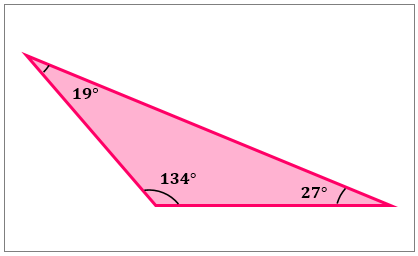
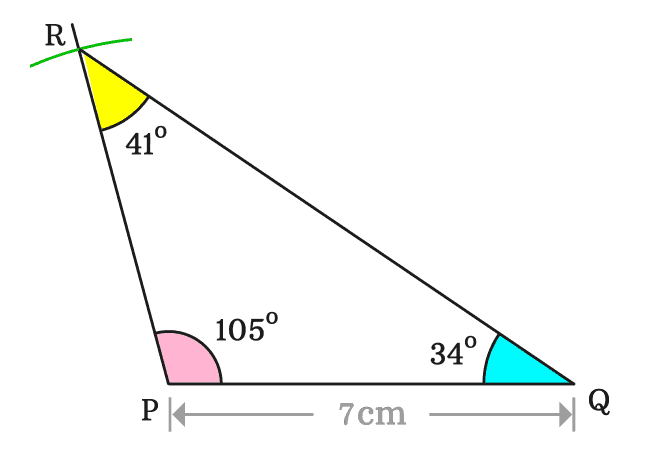
What kind of triangle is it?
| Draggable item | arrow_right_alt | Corresponding Item |
|---|---|---|
| arrow_right_alt | acute triangle | |
| arrow_right_alt | right triangle | |
| arrow_right_alt | obtuse triangle |
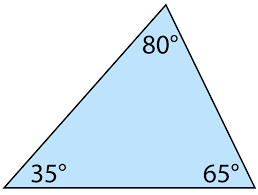
What kind of triangle is it?
| Draggable item | arrow_right_alt | Corresponding Item |
|---|---|---|
| arrow_right_alt | acute triangle | |
| arrow_right_alt | right triangle | |
| arrow_right_alt | obtuse triangle | |
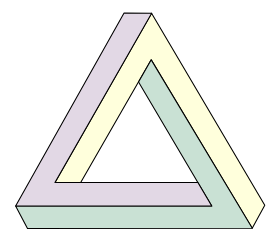
| arrow_right_alt | Penrose Triangle - Can be drawn, but does not exist. |
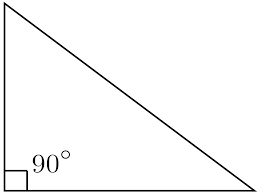
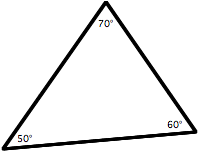
What kind of triangle is it?
| Draggable item | arrow_right_alt | Corresponding Item |
|---|---|---|
a triangle with one 90 degree angles and two acute angles. | arrow_right_alt | acute triangle |
a triangle with one angle greater than 90 degrees and two acute angles. | arrow_right_alt | right triangle |
a triangle with a right angle, an obtuse angle and one acute angle. | arrow_right_alt | obtuse triangle |
a triangle with three acute angles. | arrow_right_alt | Does not exist |
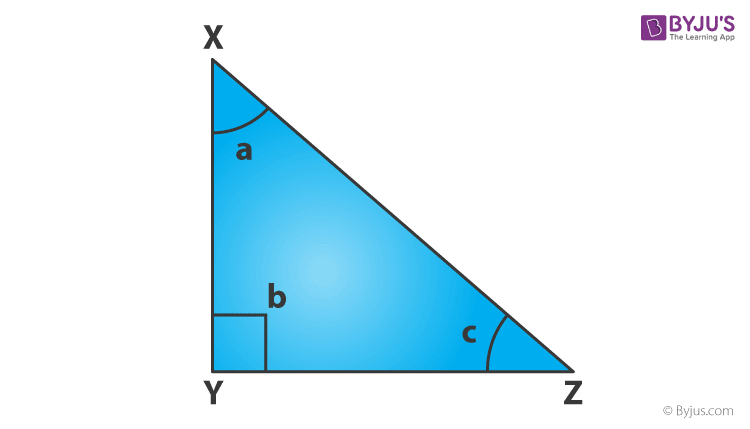
What kind of triangle is it?
The length of the smallest side is
The length of the largest side is
The sides of a triangle are 60, 75 and 45.
The sum of the square of the two smaller sides =
=
The larger side squared =
=
The sides of a triangle are 60, 75 and 45.
Fill in the blank with =, <, or >.
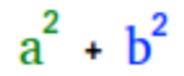
a2 + b2
What kind of triangle is it?
The length of the smallest side is
The length of the largest side is
The sides of a triangle are 84, 50 and 38.
The sum of the square of the two smaller sides =
=
The larger side squared =
=
The sides of a triangle are 84, 50 and 38.
Fill in the blank with =, <, or >.
a2 + b2
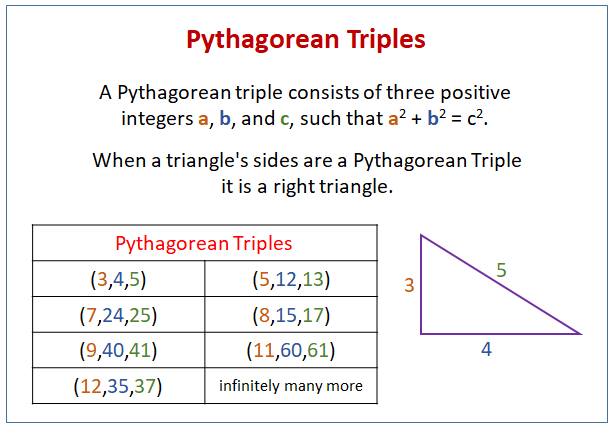
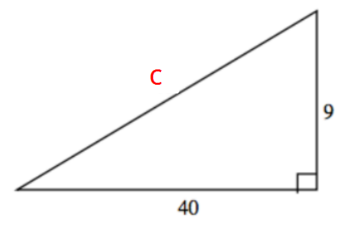
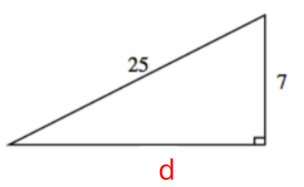
Use Pythagorean Triples as a short cut to the theorem.
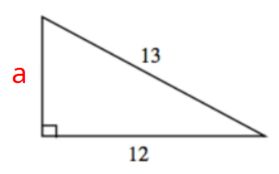
What is the length of the missing side?
a =
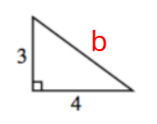
What is the length of the missing side?
b =
What is the length of the missing side?
c =
What is the length of the missing side?
d =
Which of these triangles are definitely right triangles?
Explain to your neighbor how you know using a foreign language or accent.
(Note that not all triangles are drawn to scale.)
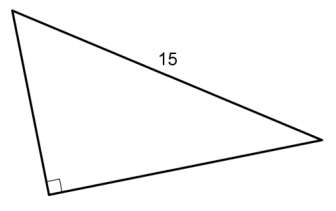
A right triangle has a hypotenuse of 15 cm. What are possible lengths for the two legs of the triangle? Explain your reasoning.
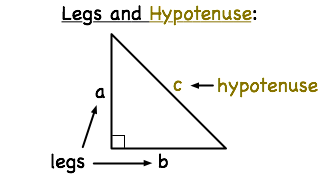
In each of the questions below, x and y represent the length of the legs of a right triangle, and z represents the length of its hypotenuse. Find the missing length, given the other two lengths.
a. x = 12, y = 5, z =
b. x =
c. x = 21, y =
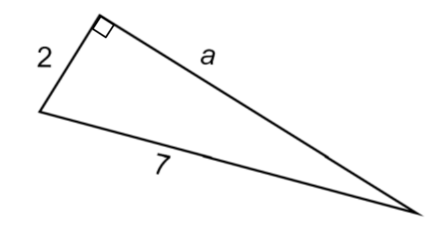
Given the information provided for the right triangles shown here, find the unknown leg lengths. Use the exact answer or round to the nearest tenth.
a =
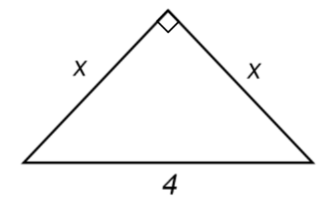
Given the information provided for the right triangles shown here, find the unknown leg lengths. Use the exact answer or round to the nearest tenth.
x =
What kind of triangle is it?
The sides of a triangle are 60, 75 and 45.
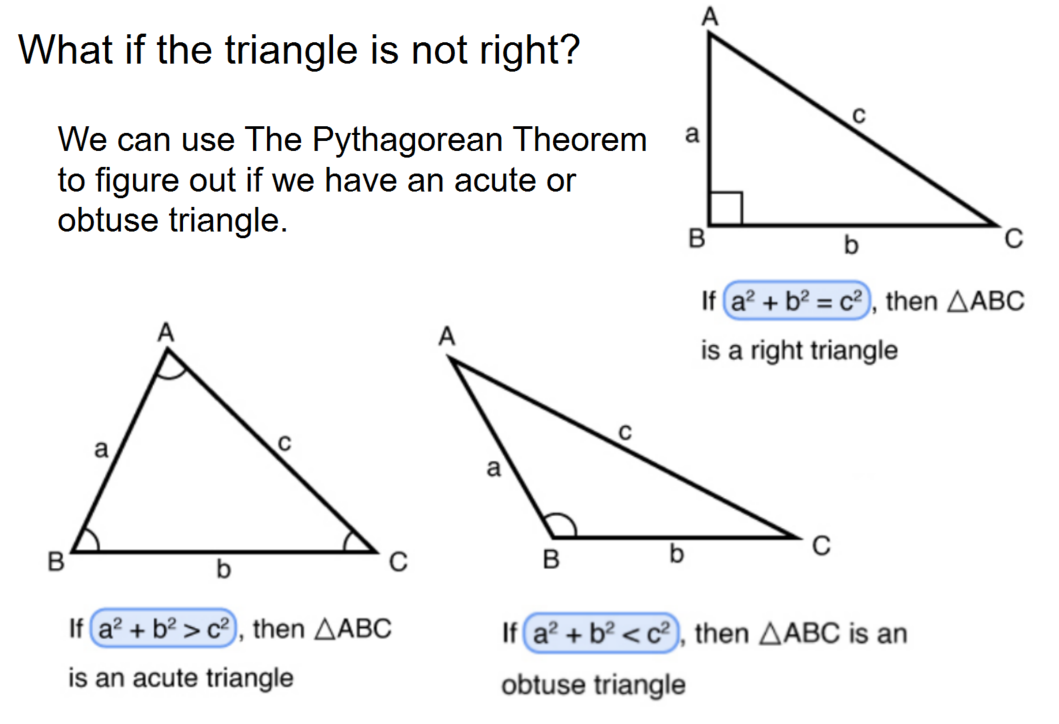
Use Pythagorean Theorem to determine if the triangle is acute, right, or obtuse.
What kind of triangle is it?
The sides of a triangle are 84, 50 and 38.
Use Pythagorean Theorem to determine if the triangle is acute, right, or obtuse.