Manufacturing Proteins
star
star
star
star
star
Last updated over 1 year ago
5 Nsɛmmisa
Ribosomes
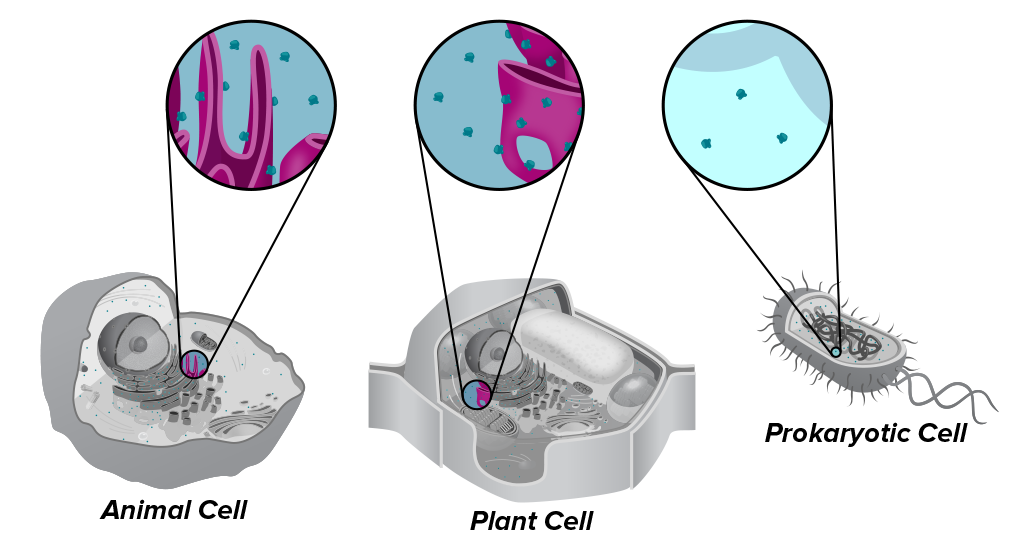
One of the functions of a cell is to produce proteins. The organelles that help manufacture proteins are called ribosomes. Ribosomes are made of two components-RNA and protein-and are not bound by a membrane like other organelles are. The nucleolus is the side of ribosome production.
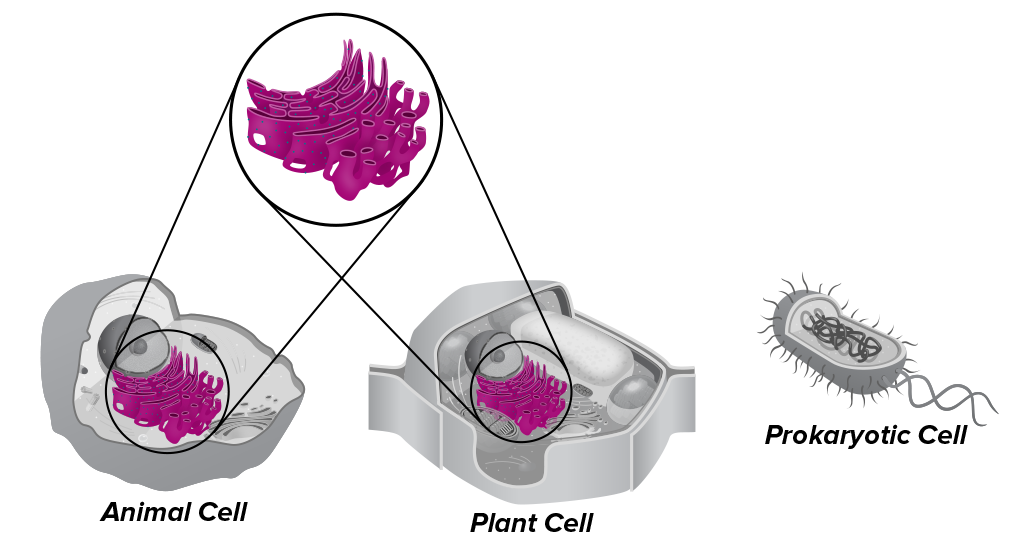
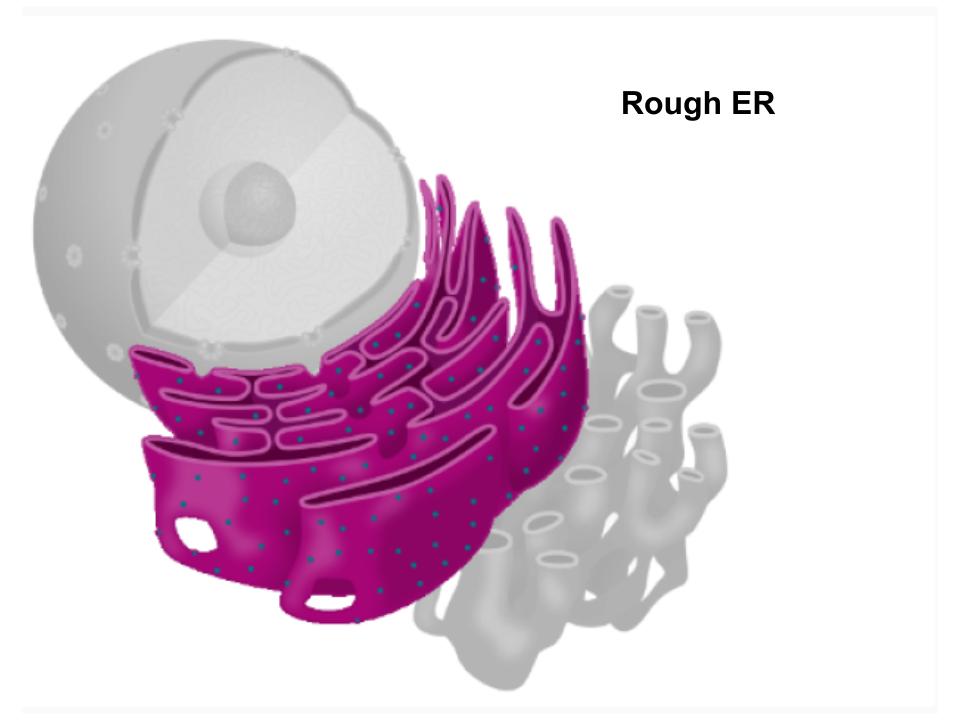
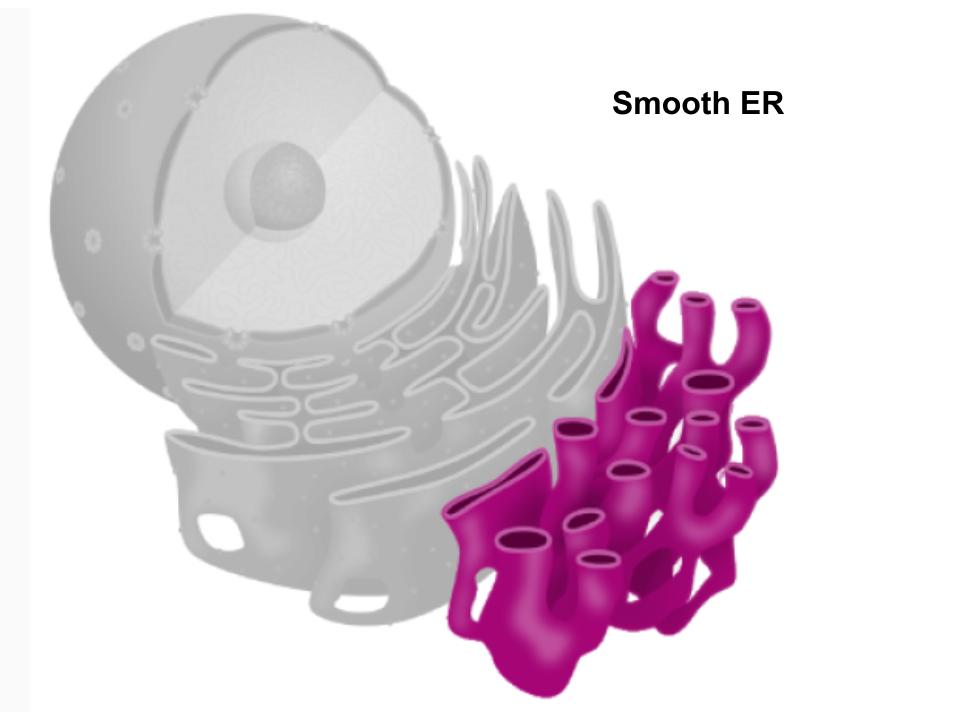
Cells have many ribosomes that produce a variety of proteins that are used by the cell or are moved out and used by other cells. Some ribosomes float freely in the cytoplasm, while others are bound to another organelle called the endoplasmic reticulum. Free-floating ribosomes produce proteins for use within the cytoplasm of the cell. Bound ribosomes produce proteins that will be bound within membranes or used by other cells.
1
1
1
1
1