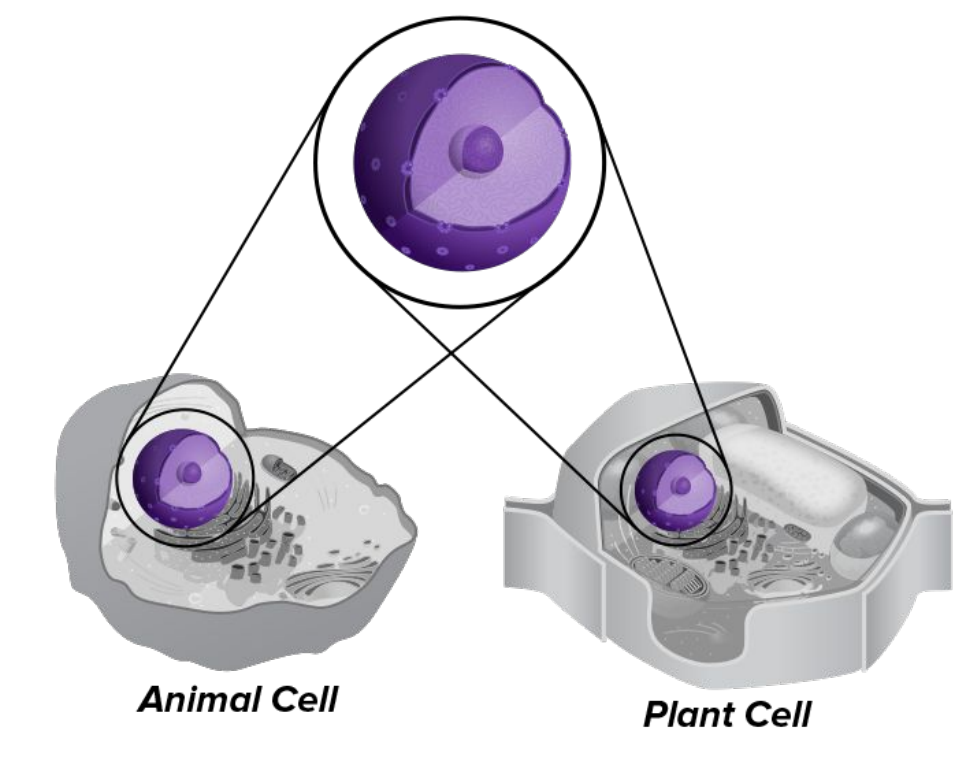
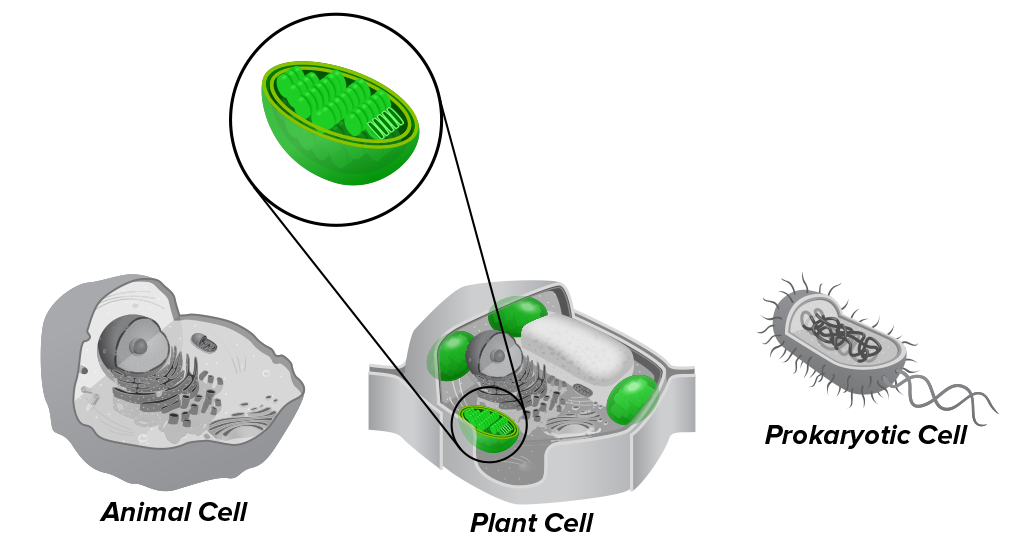
A company could have individual employees make the entire products themselves, but it's more efficient to use an assembly line. Similarly, eukaryotic cells have specialized structures that perform specific tasks, much like the separate stages of an assembly line in a factory.
The Nucleus
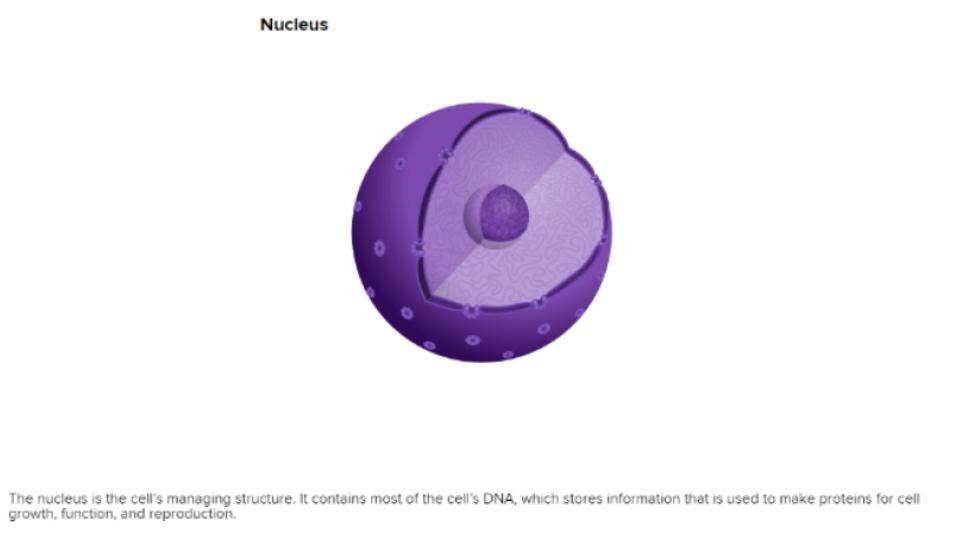
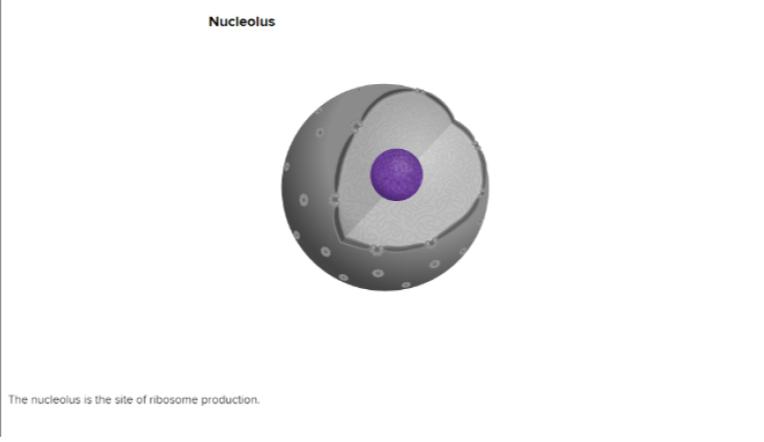
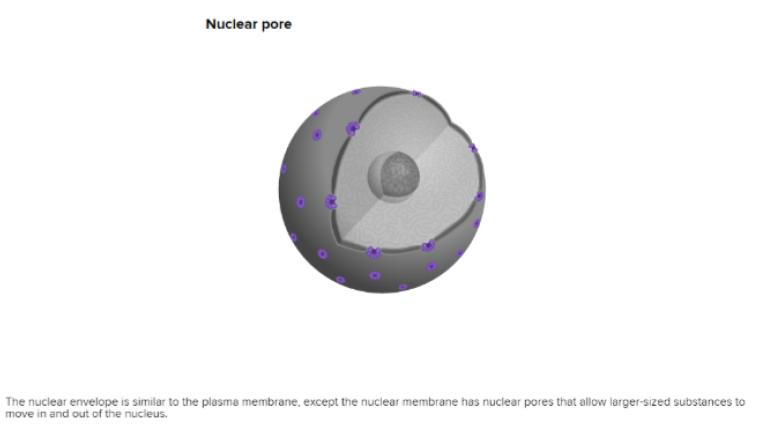
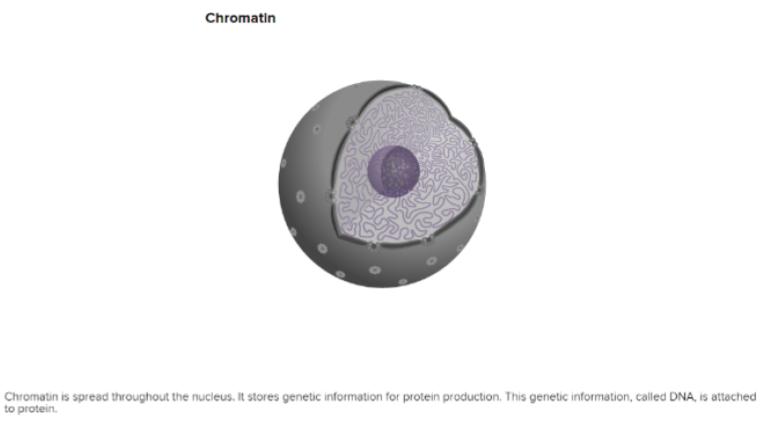
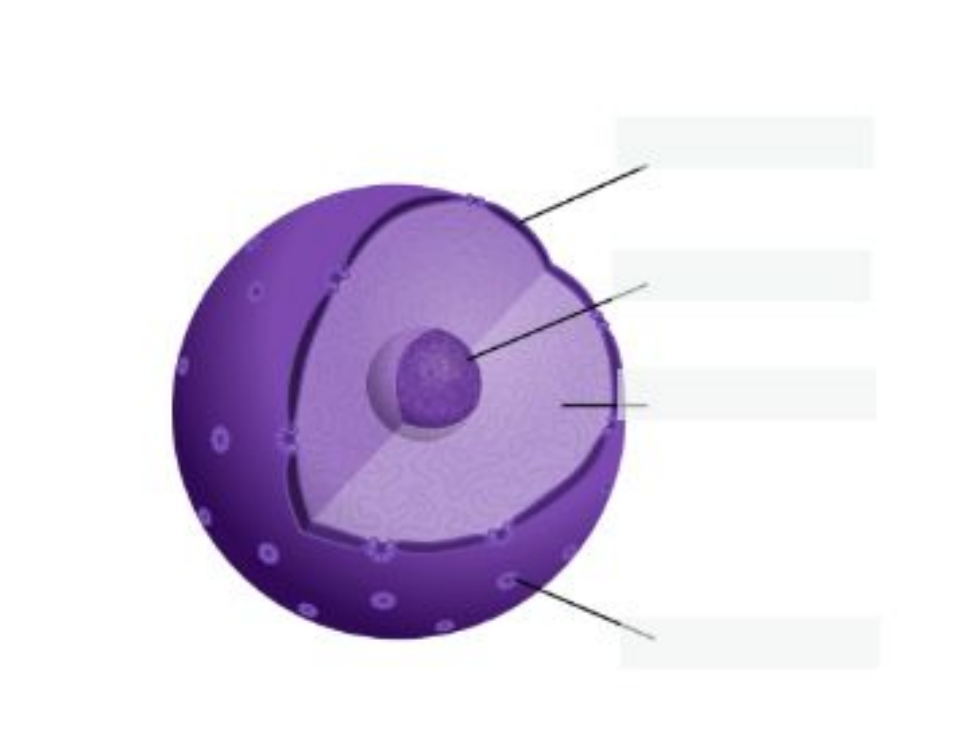
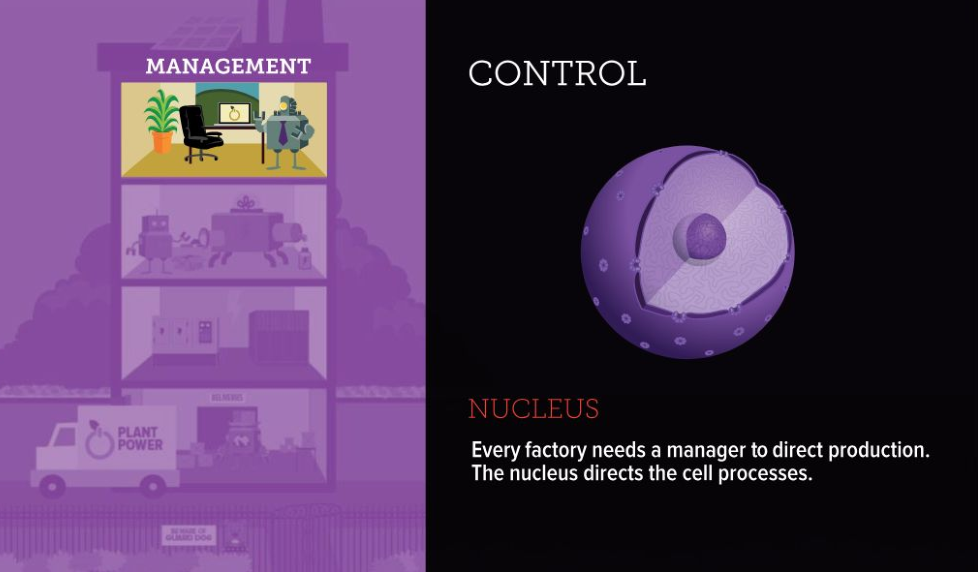
Just as a factory needs a manager, a cell needs an organelle to direct the cell processes. The nucleus is the cell's managing structure. The nucleus contains most of the cell's DNA, which stores information used to make proteins for cell growth, function, and reproduction. Within the nucleus is the site of ribosome production, call the nucleolus.
1 point
1
Question 1
1.
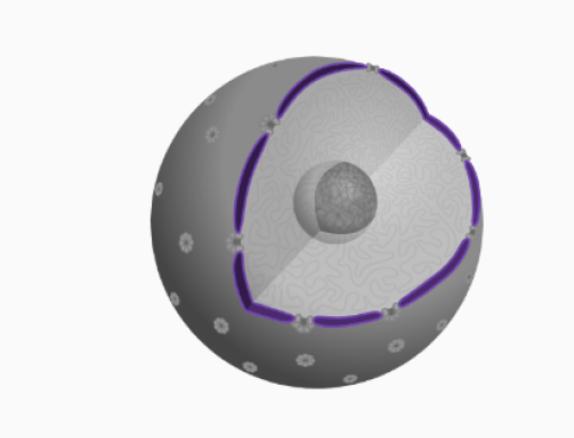
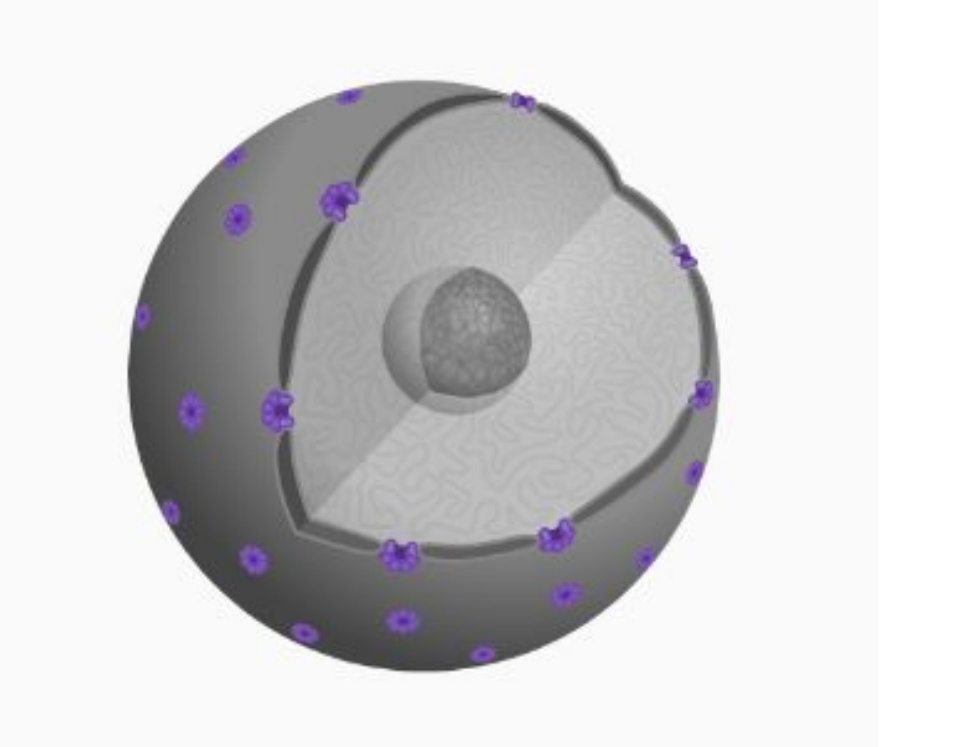
What is the name of the highlighted portion of the nucleus?
1 point
1
Question 2
2.
What is the function of the highlighted portion of the nucleus?
1 point
1
Question 3
3.
The nucleus is responsible for cell management. It determines when production occurs and when production stops.
4 points
4
Question 4
4.
Other Answer Choices:
chromatin
nuclear pore
nucleolus
nuclear envelope
1 point
1
Question 5
5.
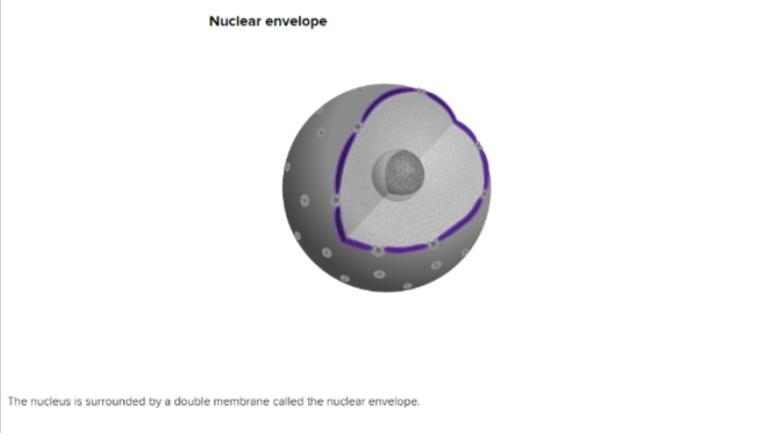
What is the function of the nuclear envelope?
1 point
1
Question 6
6.
The function of the nucleolus is to __________
1 point
1
Question 7
7.
What is the function of the nuclear pores?
1 point
1
Question 8
8.
The function of the chromatin is to __________
PROCESSING ENERGY
A factory needs energy to carry out day-to-day functions. Eukaryotic cells have specialized structures that process energy.
Mitochondria
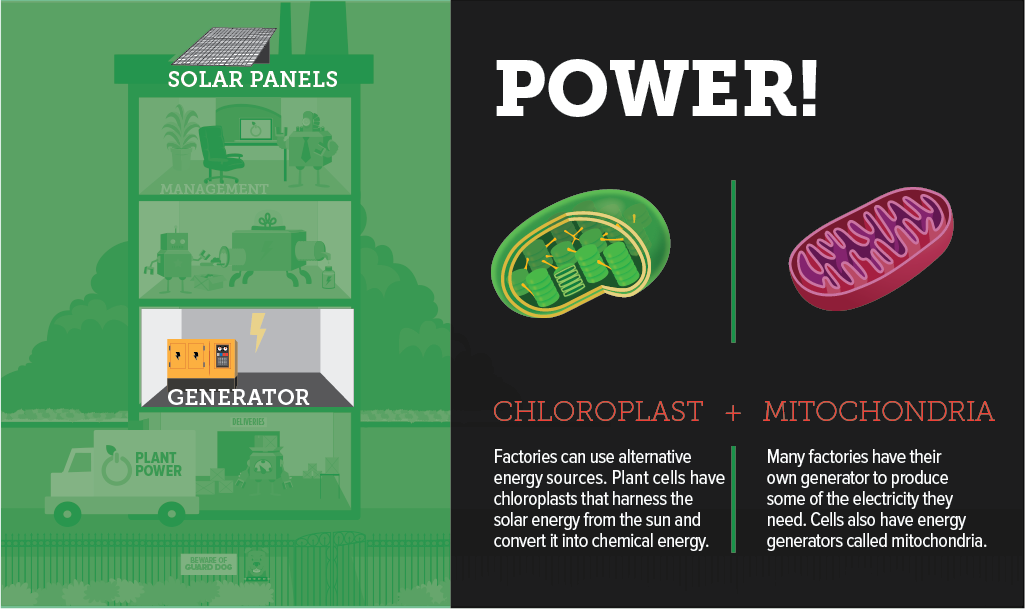
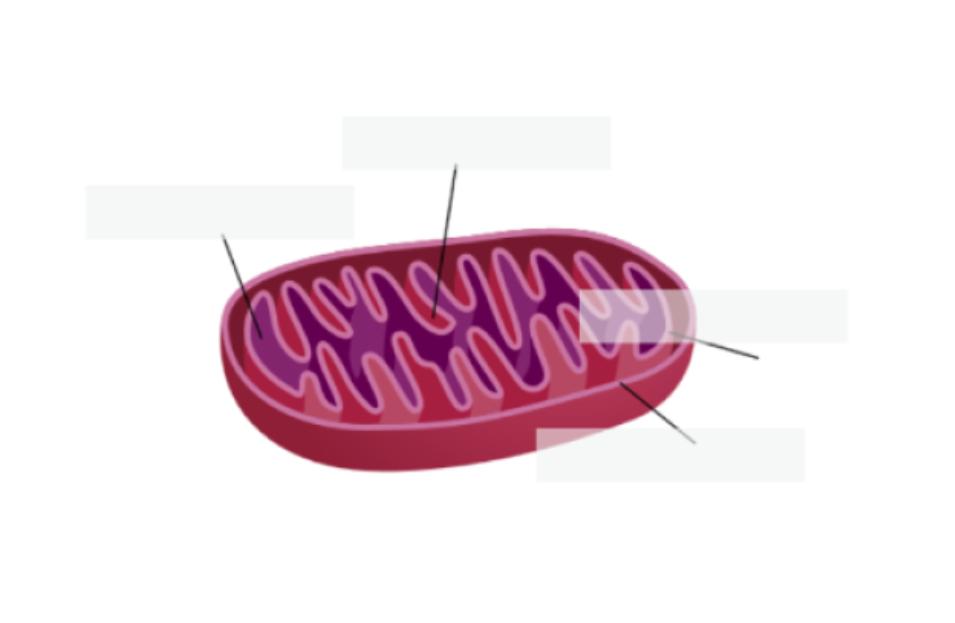
Imagine that a factory has its own generator that produces the electricity it needs. Cells also have energy generators called mitochondria which convert fuel particles (mainly sugars) into usable energy. Mitochondria are often referred to as the "powerhouse" of the cells.
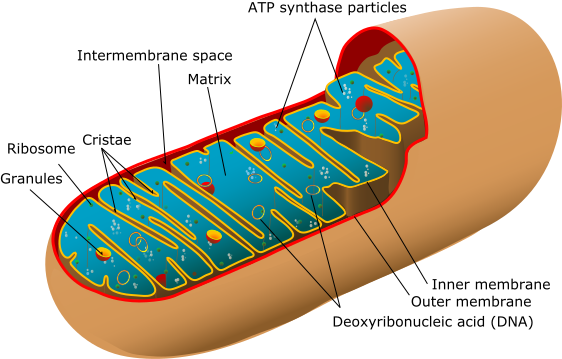
A mitochondria has an outer membrane and a highly folded inner membrane. Cristae are the folds of the inner membrane that provide a large surface area for breaking the bonds in sugar molecules. The energy produced from that breakage is stored in the bonds of other molecules and later used by the cells. Cellular respiration occurs in the cristae. Inside the cristae is the matrix. The matrix is the site of the Krebs cycle, which occurs during cellular respiration.
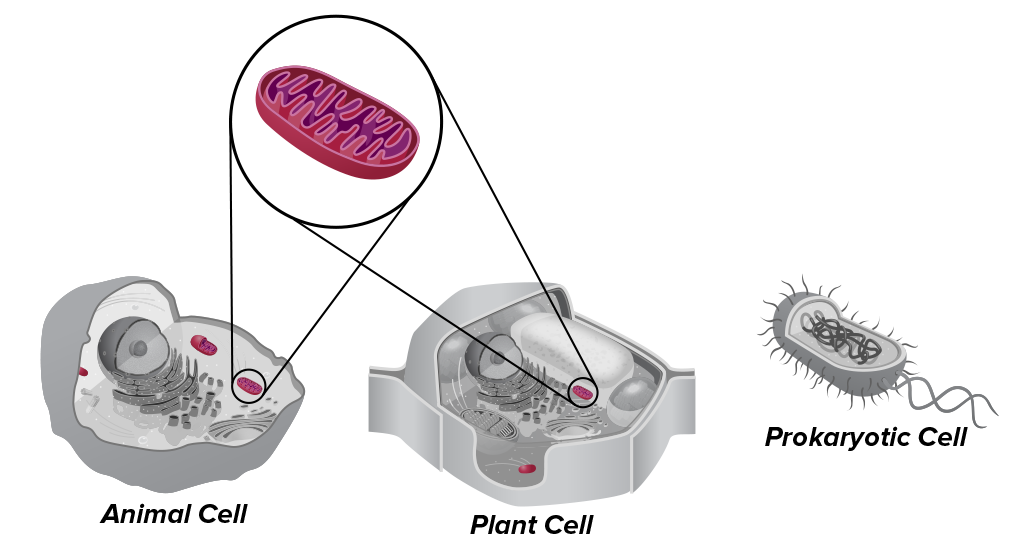
Animal & Plant cells have mitochondria. Prokaryotic cells do NOT.
1 point
1
Question 9
9.
Complete the analogy: A mitochondria is like a ______________________.
Chloroplasts
Factory machines need electricity that is generated by burning fossil fuels or by collecting energy from alternative sources, such as the Sun. Plant cells have their own way of using solar energy. In addition to mitochondria, plants and some other eukaryotic cells contain chloroplasts, which are organelles that capture light energy and convert it to chemical energy through a process called photosynthesis.
Chloroplasts are disk-shaped organelles that contain two main compartments essential to photosynthesis. The first is the thylakoid. Thylakoids are flattened, saclike membranes that are arranged in stacks. These stacks are called grana. The light-dependent reactions take place with the thylakoids.
The second important compartment is called the stroma, the fluid-filled space that is outside the grana. This is the location of the light-independent reactions that occur in phase two of photosynthesis.
Light-absorbing colored molecules called pigments are found in the thylakoid membranes of chloroplasts. It is there that energy from sunlight is trapped by a pigment called chlorophyll. Chlorophyll gives leaves and stems their green color.
Chloroplasts belong to a group of plant organelles called plastids, some of which are used for storage. Some plastids store starches or lipids. Others, such as chromoplasts, contain red, orange, or yellow pigments that trap light energy and give color to plant structures such as leaves and flowers.
1 point
1
Question 10
10.
Chloroplasts are found in both animal and plant cells.
1 point
1
Question 11
11.
Other Answer Choices:
Cristae
Inner Membrane
Matrix
Outer Membrane
1 point
1
Question 12
12.
The __________ are folds in the Inner Membrane of the mitochondria. They provide a large surface area for __________.
1 point
1
Question 13
13.
Chloroplasts are organelles that __________ and __________.