Log in
Sign up for FREE
arrow_back
Library
Hurricanes: The Science Behind Killer Storms- author's craft and central ideas
By Jessica Hurst
star
star
star
star
star
Share
share
Last updated 8 months ago
9 questions
Add this activity
zoom_in
zoom_in
zoom_in
1
1
zoom_in
1
Question 3
3.
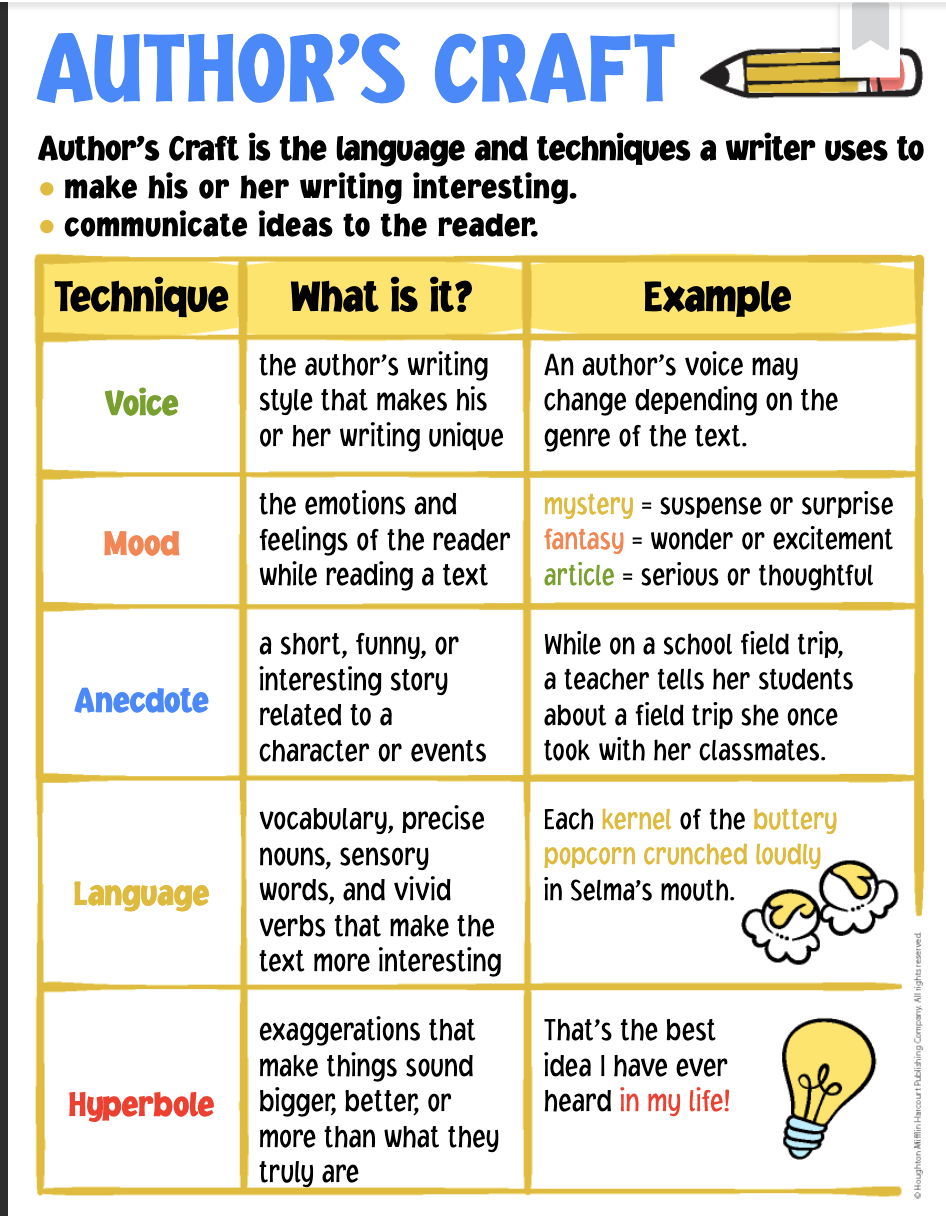
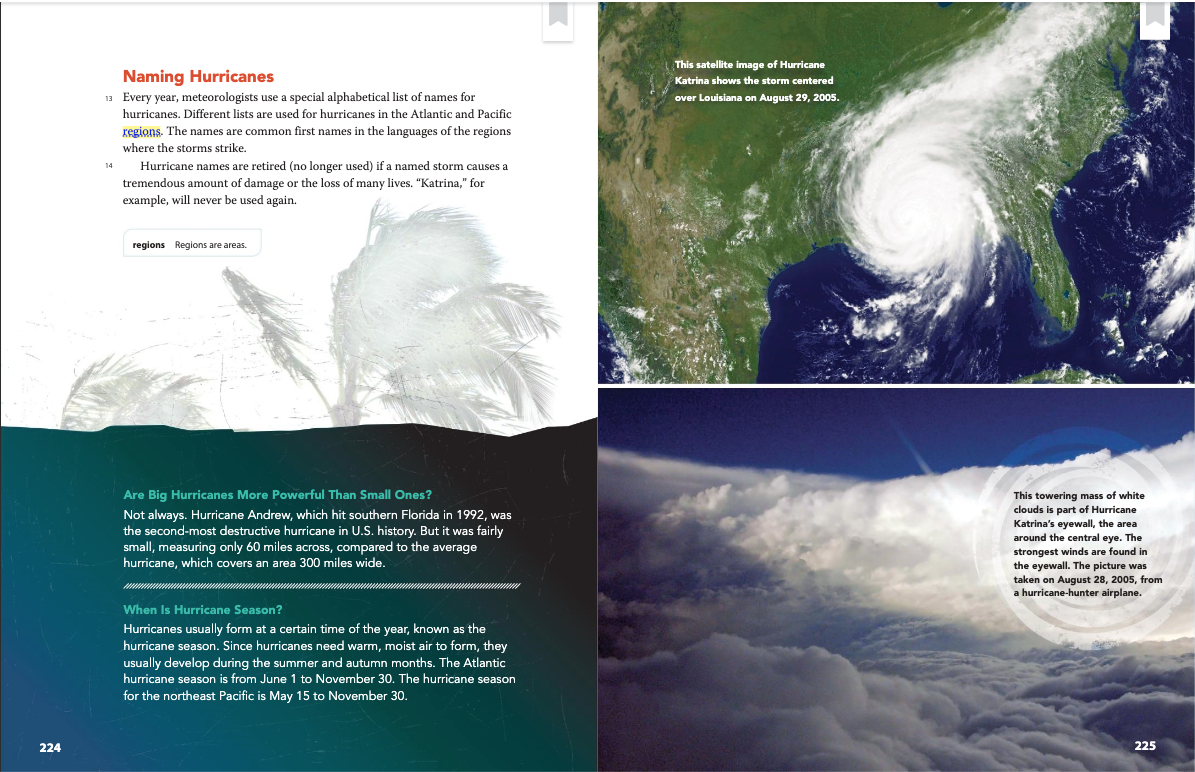
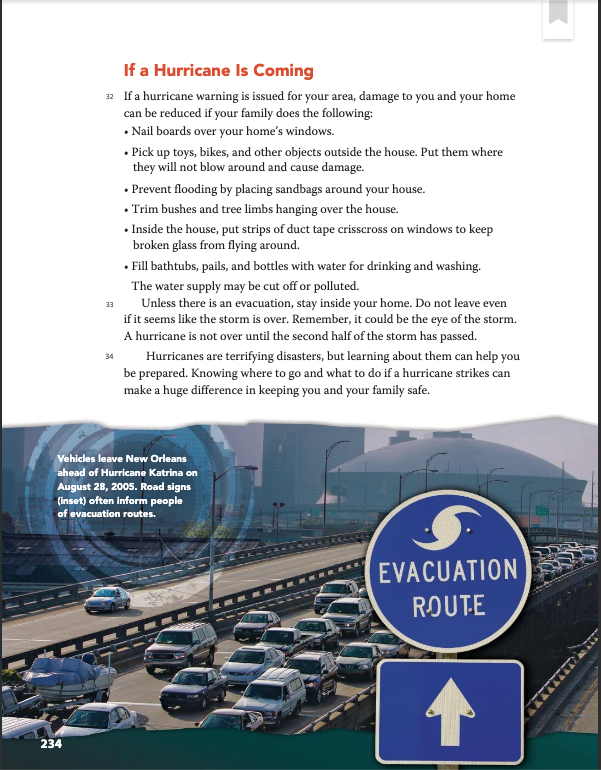
Why do you think the author chooses to reference Hurricane Katrina throughout the text?
zoom_in
Required
1
Question 4
4.
What comparison does the author use to help the readers understand the size of hurricane Andrew?
zoom_in
1
Question 5
5.
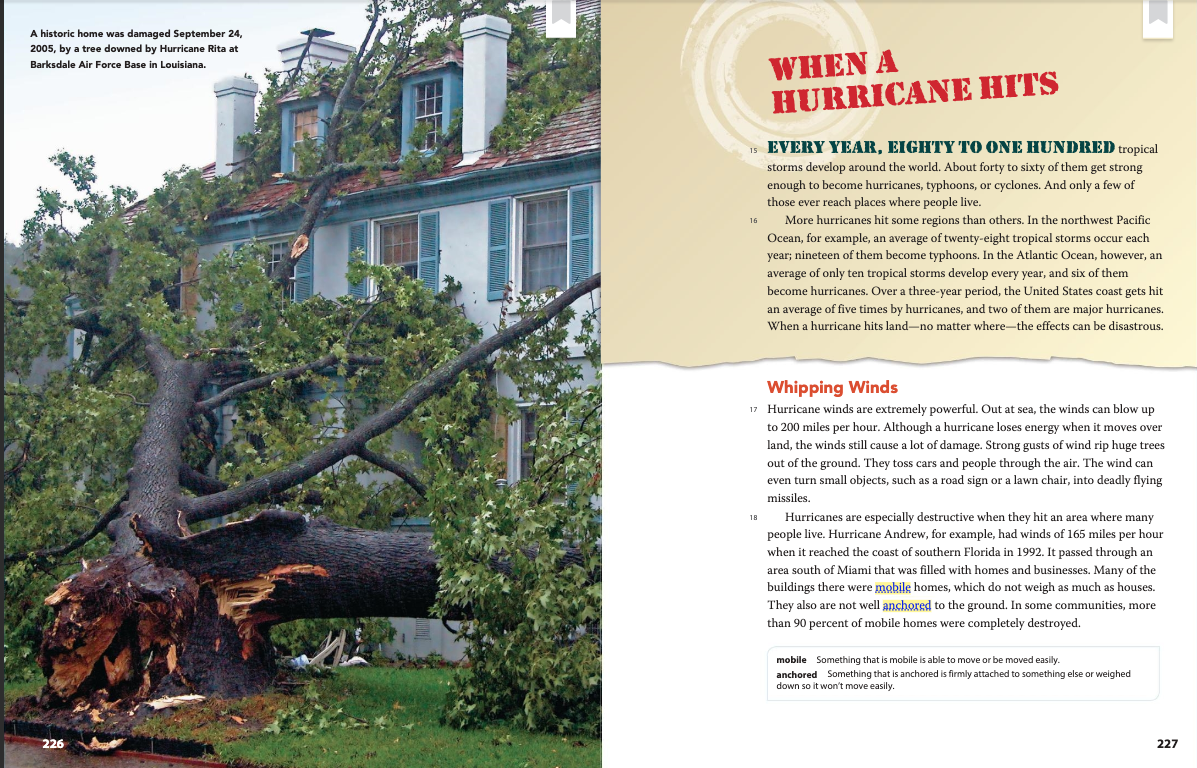
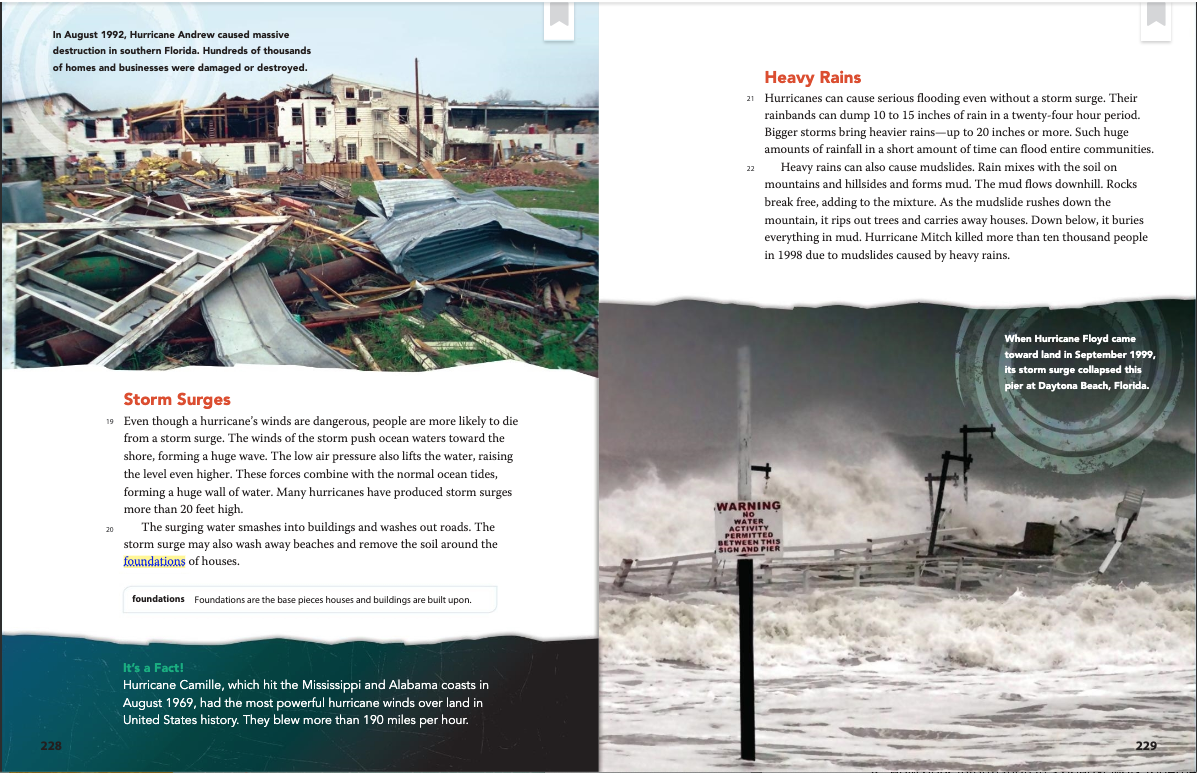
How does the author explain why so many homes were lost during Hurricane Andrew?
zoom_in
Required
1
Question 6
6.
What vivid verbs does the author use to help the reader visualize the dangers of storm surges?
1
zoom_in
1
Question 8
8.
Why do you think the author chooses to compare hurricanes and tornados?
zoom_in
Required
1
Question 9
9.
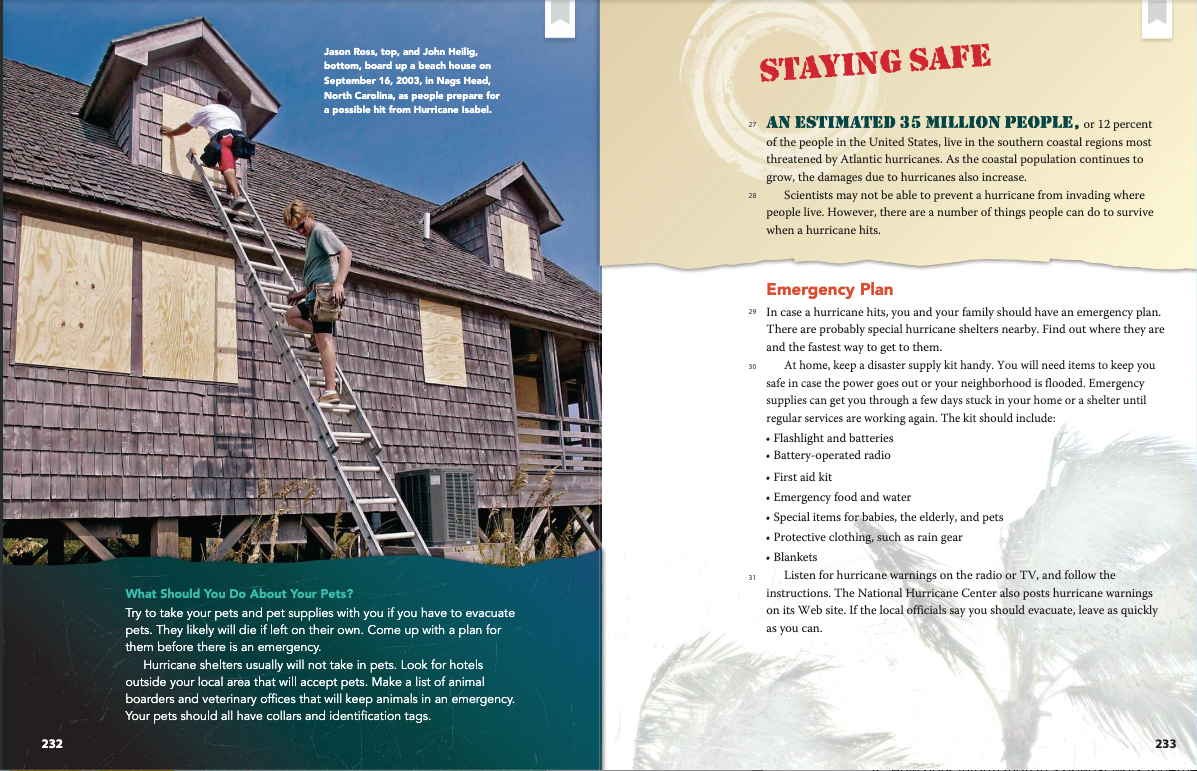
What is the central idea of the section "emergency plan"? Support your answer with text evidence.
zoom_in
Question 1
1.
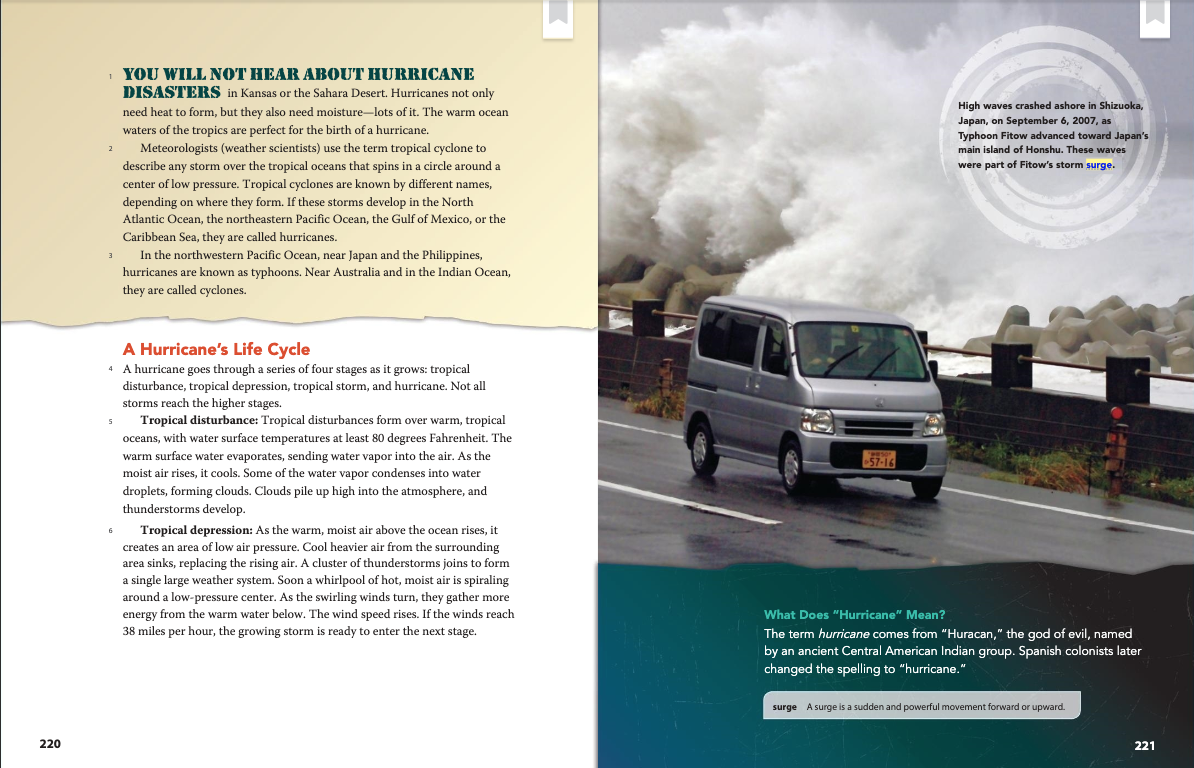
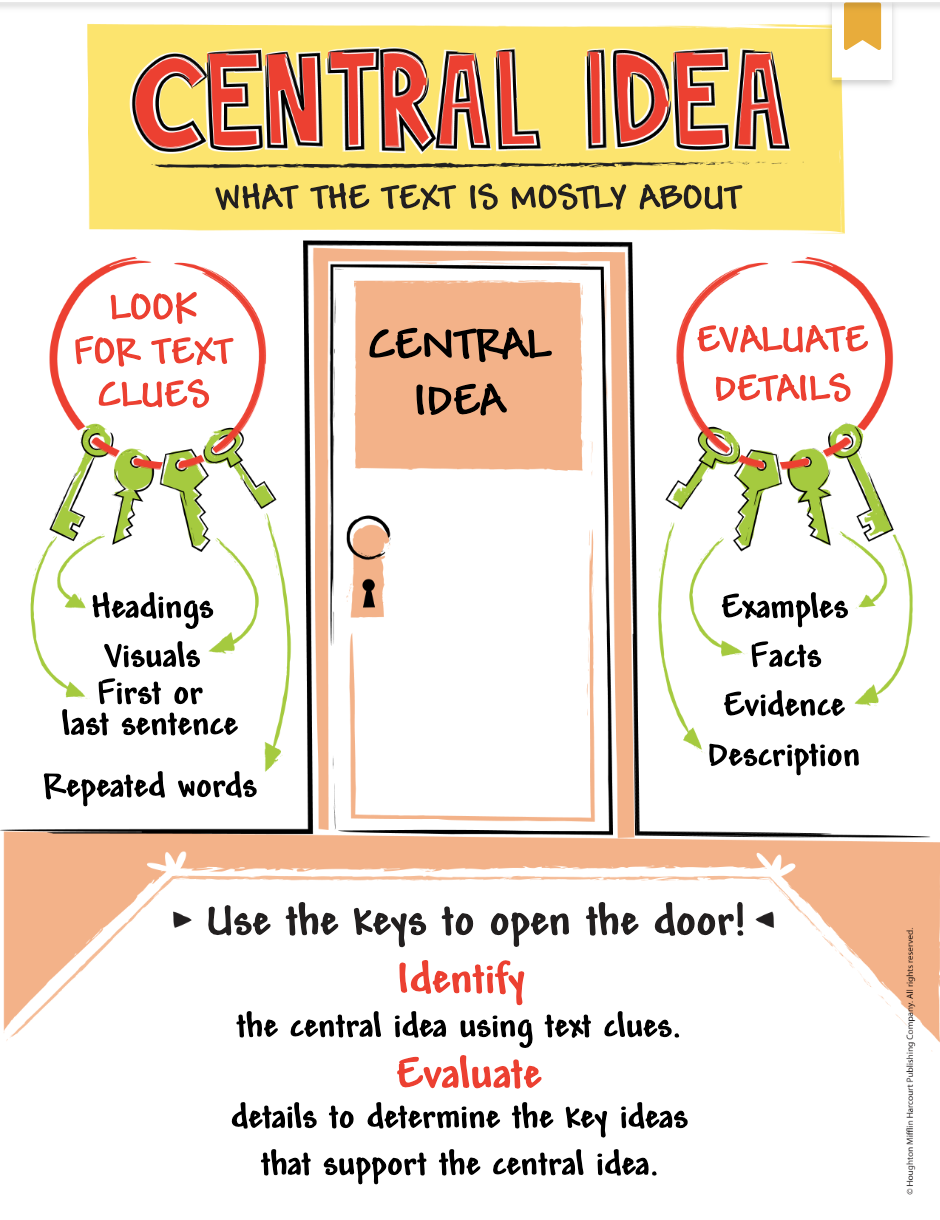
What Is the central idea of the section "A Hurricanes Life Cycle"
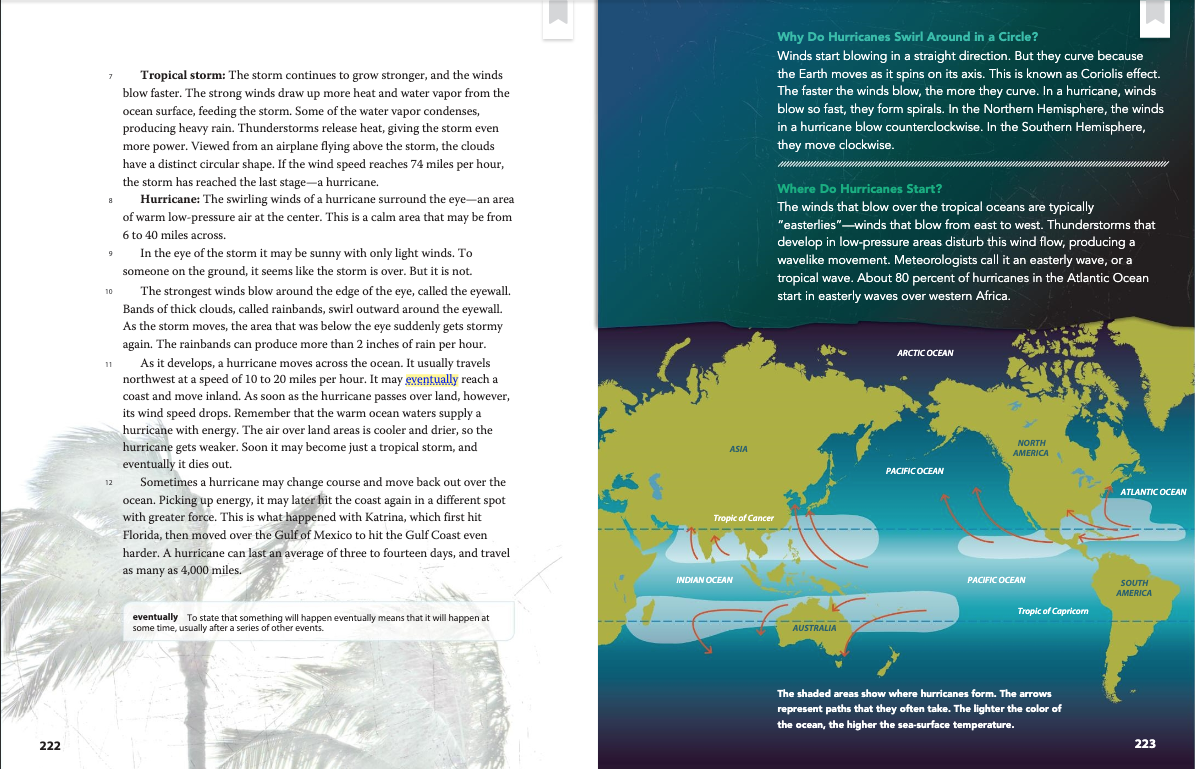
A hurricane starts as a tropical disturbance.
A hurricane forms over the ocean.
Hurricanes are called different things depending on where they are located.
Hurricanes go through several stages.
Question 2
2.
Which evidence best supports the idea selected above.
"The warm ocean waters of the tropics are the perfect place for the birth of a hurricane"
"Tropical cyclones are known by different names, depending on where they form."
"A hurricane goes through 4 stages as it grows..."
"If the winds get up to 38 miles per hour, the growing storm is ready for the next stage."
Question 7
7.
The key details in the section "Heavy rains" support the idea that...
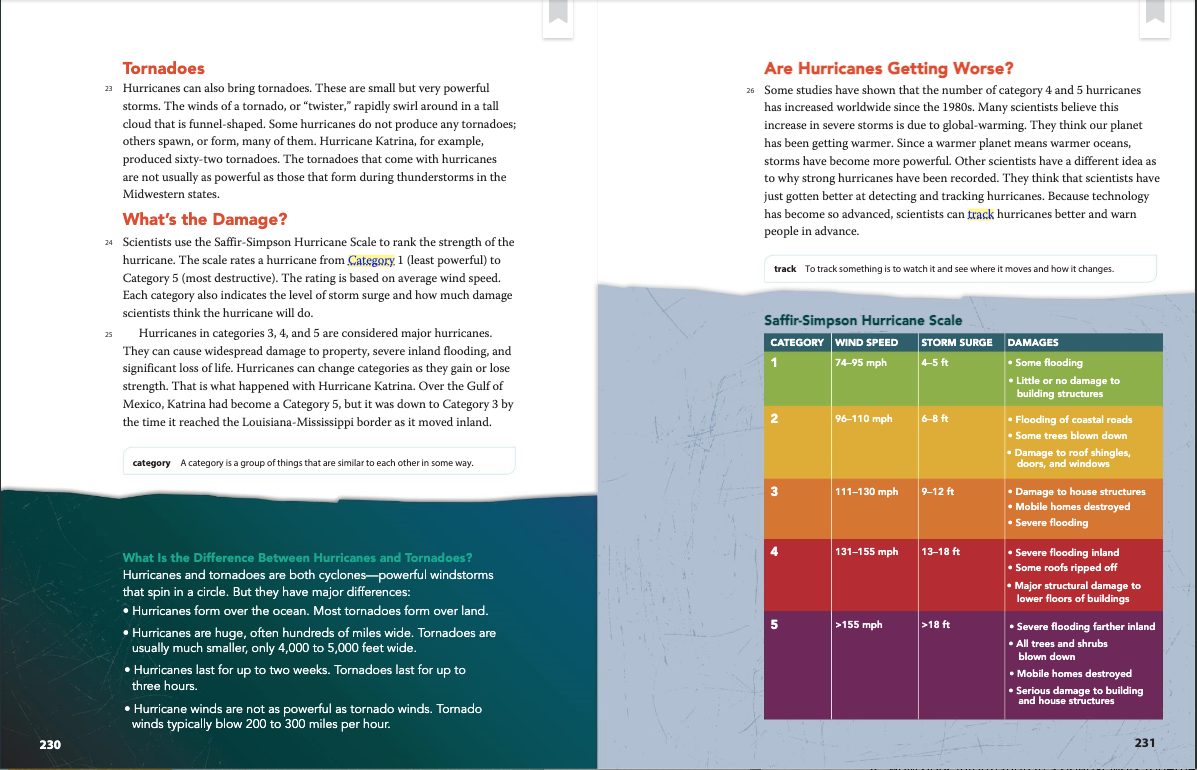
Storm surges cause many deaths.
Heavy rains cause flooding.
Heavy rains have several disastrous effects.
Heavy rainfalls lead to deadly mudslides.