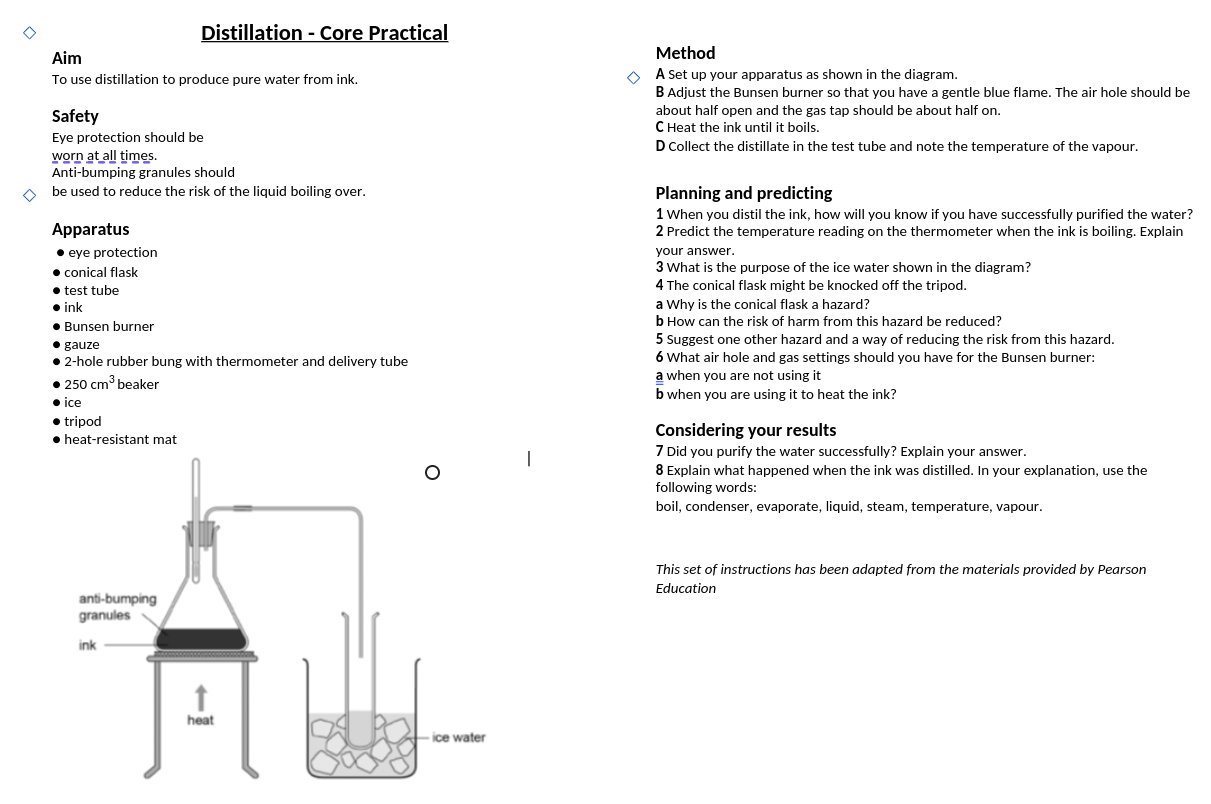
Make sure you can identify the states of matter and the transitions between them.
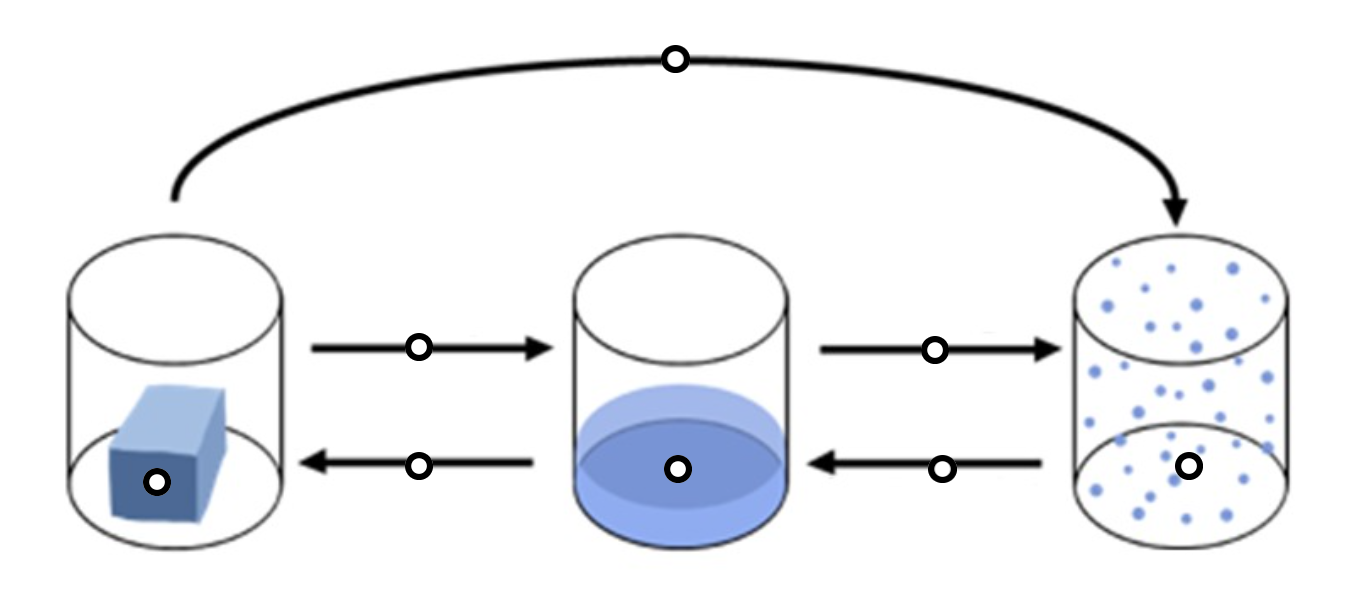
Mmuae Afoforo a Wobɛpaw:
Condensing
Boiling / evaporating
Sublimation
Solid
Melting
gas
Freezing
Liquid
https://sites.google.com/rgshw.com/separation-year-9/home
https://sites.google.com/rgshw.com/separation-year-9/home
Make sure you can identify the states of matter and the transitions between them.
Separate alcohol from water
Separate a mixture of inks from each other
Obtain water from a solution of salty water
Separate various fractions of crude oil
Separate petrol and water
Separate the food colourings in a sweet
Obtain water from a mixture of sand and water
Obtain water from a solution of sugarwater
Obtain sugar from sugar water
Obtain sand from a mixture of sand and water
Obtain copper sulfate crystals from a copper sulfate solution
Separate oil and water
Chromatography
Distillation
Filtration
Separating funnel
Crystallisation (evaporation)
Fractional distillation
Distillation apparatus
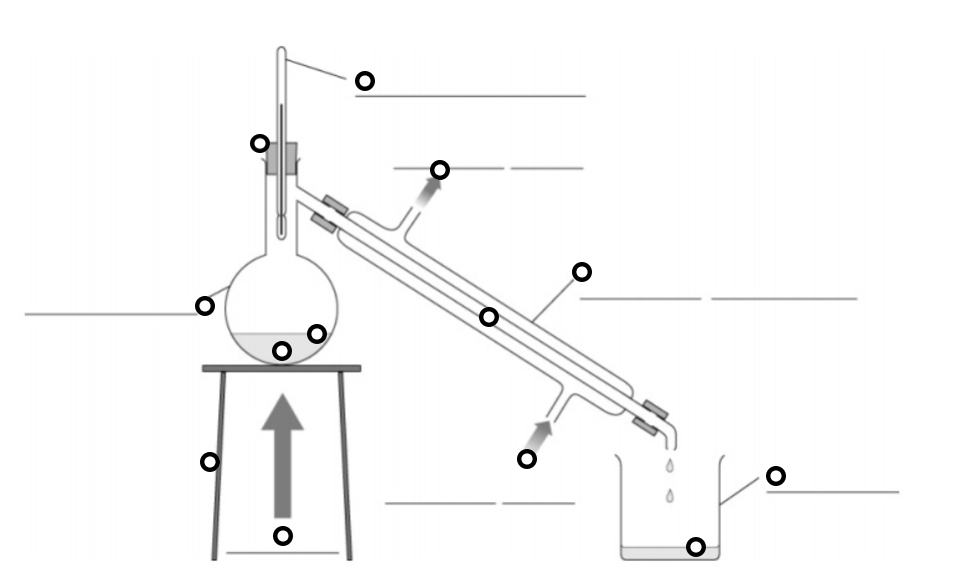
Distillation is followed by .
Make the correct selection and copy the answer into your book.
Where is the water liquid
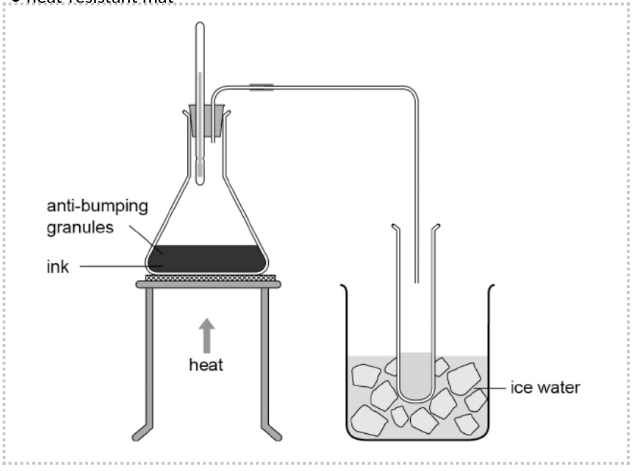
Where is the water a solid?
Where is the water a gas
Convert the artistic diagram of the apparatus into a chemical diagram in your exercise book.
Then upload a photo of your diagram to answer the question.
Method
Unscramble the method and copy the method into your exercise book.
Then start to set up the apparatus.
(a) Set up your apparatus as shown in the diagram.
(b) Adjust the Bunsen burner so that you have a gentle blue flame.
(c) (The air hole should be about half open and the gas tap should be about half on).
(d) Add 4-5 anti bumping granules
(e) heat the ink until the water boils.
(f) Collect the distillate in the test tube
(g) note the temperature of the vapour (using the thermometer).