from Life on the Mississippi by Mark Twain

Last updated about 1 year ago
10 questions
Making an Inference
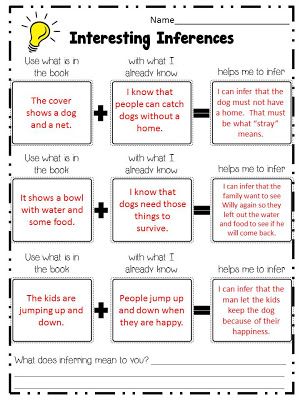
If someone asks you to make an inference, they are asking you to make an educated guess based on what you already know and what you have read in the text.

Information from text + What I know = Inference

Let's look at the following examples which show how to make an inference.
0.4
Make an Inference What does a job working on the steamboats represent to Twain and his boyhood friend?
Complete the following sentence with your response:
The job represents _______, _______, and _______ .
Analyze
When you analyze a text, you are being asked to discover or reveal something after a very detail examination. You may be asked to identify patterns, seek relationships between two or more things, or offer a deeper understanding of a text.

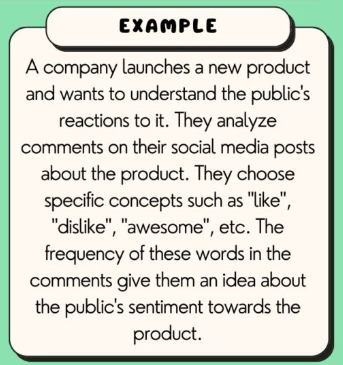
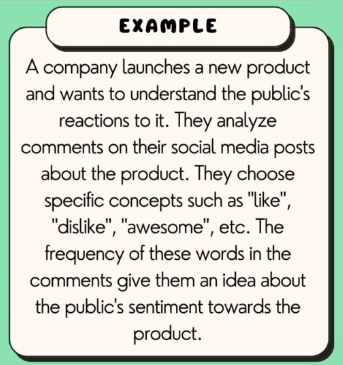
See the included example that demonstrates an analysis conducted by a company wishing to understand their customers opinions about their product.
0.4

Analyze Which careers besides steamboatman did the boys of Hannibal consider? Draw a rectangle around the careers.

0.4

Based on what you know about the nature of these jobs, why did the boys of Hannibal consider these careers?

To Speculate
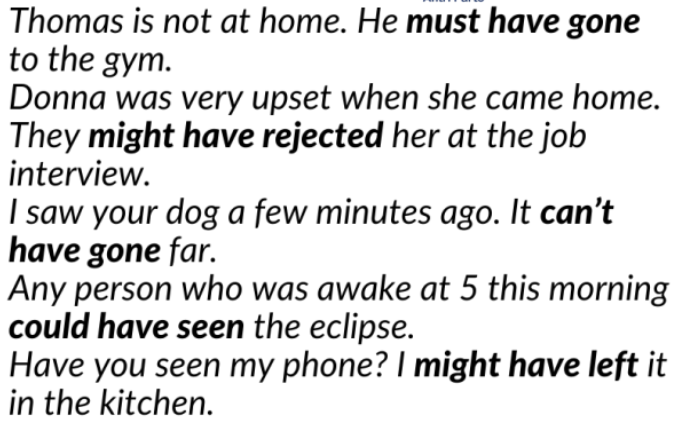
When asked to speculate, you are being asked to form a thought or opinion about something that you may not completely know the answer for, but may have a pretty good guess for.

Example:
If asked why so many students are late to school each day, someone might state, "All the late students must be oversleeping, missing the bus, or having car issues."
0.4
Speculate Where might these ideas have come from, and why did the boys abandon or outgrow them?
Stem: These ideas came from _______, and the boys abandoned these ideas because _______.
To Distinguish
To distinguish is to recognize or point out the difference in someone or something.
Example:
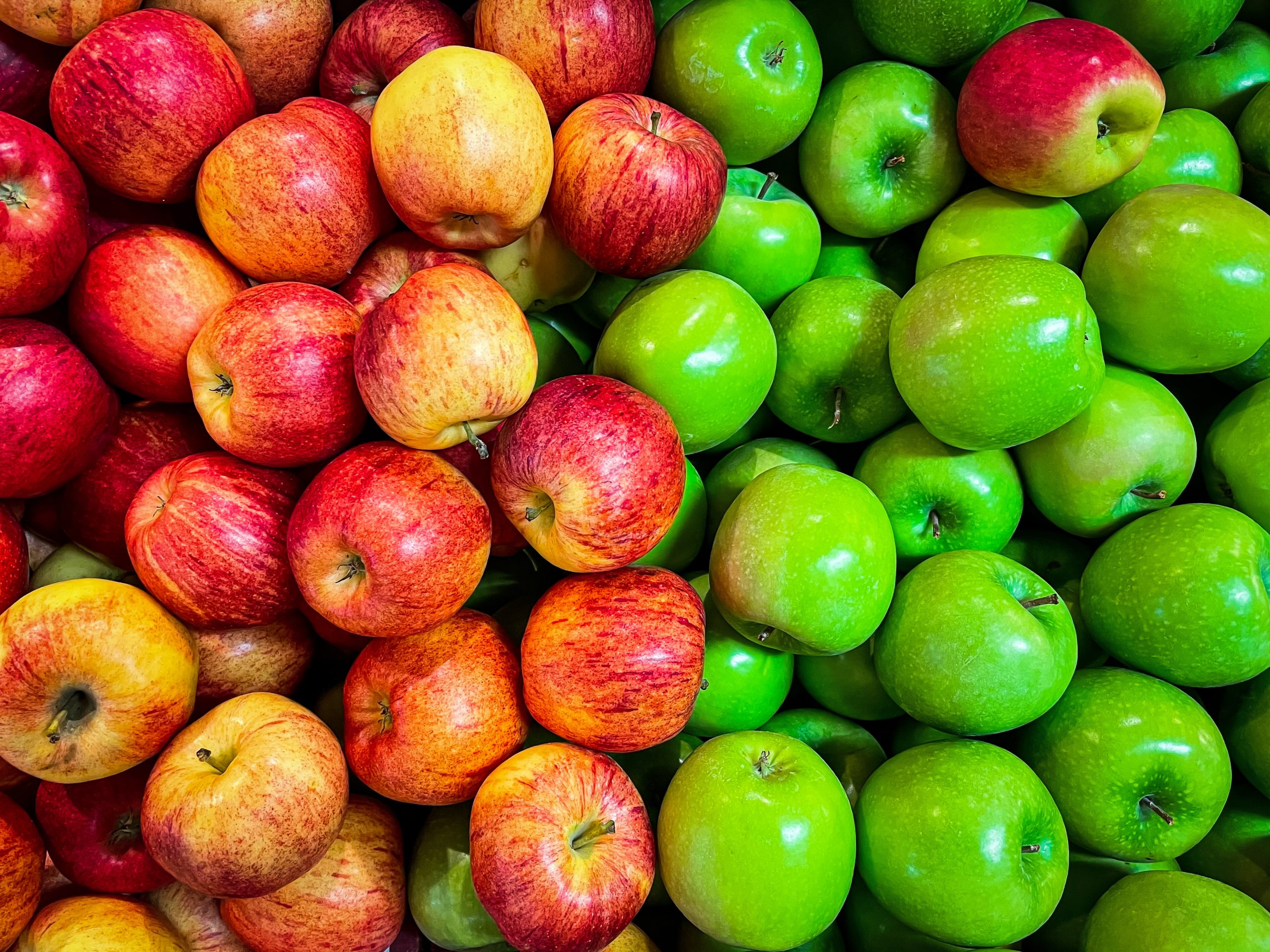
If I placed six different colored apples on the table and asked you to distinguish between them, you may do so by moving all the green apples to one side of the table and all of the red apples to the other side. Now, we would have distinguished piles based on two difference: color and type.
0.4

Distinguish
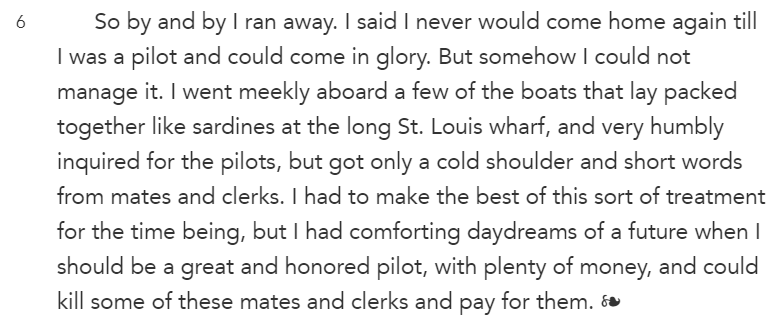
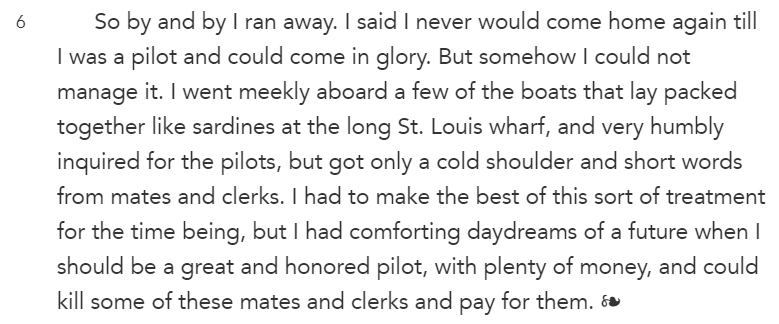
Cite at least three details in paragraph 6 that relate to being bold or full of bravado by drawing a rectangle around these words or phrases.
Then cite another three details that relate to being timid or unsure by underlining.

Interpret
To interpret is to determine and/or explain the meaning of something such as words in a text, a picture, or even someone's actions. As you read, you often interpret information by reading between the lines and developing an understanding of the author's true meaning or purpose.

Example:
If you were to see a painting in a museum and you knew about some of the recent events occurring in the artist's home country, you may begin to interpret the true message the author wished to communicate via their art.
0.4

Interpret Using the information from the last problem, describe the portrait of his young self that Twain creates in paragraph 6.

Analyze
When you analyze a text, you are being asked to discover or reveal something after a very detail examination. You may be asked to identify patterns, seek relationships between two or more things, or offer a deeper understanding of a text.

See the included example that demonstrates an analysis conducted by a company wishing to understand their customers opinions about their product.
0.4

Analyze Why do the boys feel as they do about the young apprentice engineer?

Evaluate
In literature, to evaluate means to assess or make an educated judgement about something within the reading. As readers, we evaluate many parts of a text including whether evidence is valid or useful, the true intentions of a character based on the things they say and their actions, and even bias which explores whether an author supports or opposes something in an unfair way.

Example:
If we read a short story about a girl named Mia who discovered a secret garden behind her home, we may be asked to evaluate the following parts of the story:
  1. Mia's character- what qualities does she have as a character?
  2. Setting- Does it contribute positively or negatively to the story?
  3. Main Idea- What is the main idea of the story? What is the message?
  4. Personal connection- Is Mia portrayed as a relatable and realistic character?
0.4

Evaluate In the last paragraph of the text, is the narrator's threat real, or is it Twain conveying something else in this passage?

Explore the Essential Question:
How are we shaped by the places we experience?
0.4

What feelings does Twain express about Hannibal, Missouri? What aspects of the place are so important to him?

0.4

What does the Mississippi River represent to Twain? Why do you think rivers in general are often deeply meaningful places for people?