HG U7D2 Volumes of Irregular Objects Nov15
star
star
star
star
star
Posljednje ažuriranje about 1 year ago
24 questions
1
1
1
1
1
1
1
1
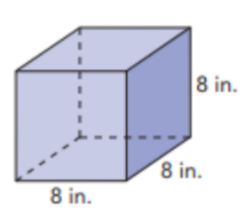
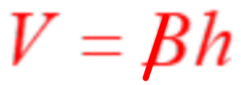
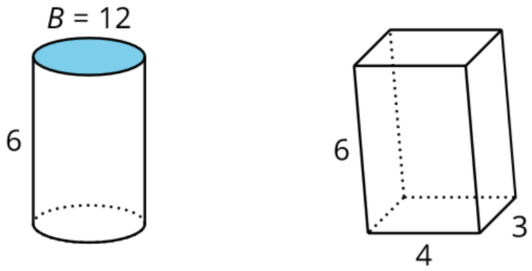
What is the volume?
Area of the base =
height (distance between the bases) =
Volume =
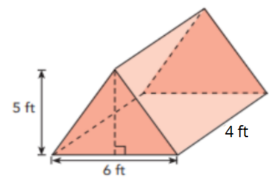
What is the volume?
Area of the base =
Height (distance between the bases) =
Volume =
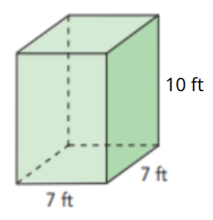
What is the volume?
Volume =
A fish tank is 50 centimeters long, 30 centimeters wide, and 40 centimeters high. It contains water up to a height of 28 centimeters. How many more cubic centimeters of water are needed to fill the tank to a height of 35 centimeters?
Draw this on paper or in the space available on the screen.
Set up and Solve
The volume of a rectangular prism is 441 cubic feet. It has a square base with edges that are 7 feet long. Find the height of the prism.
height =
Directions: Using the digits 1 to 9 at most one time each, place a digit in each box to list the dimensions of a rectangular prism and rectangular pyramid so that both shapes have equal volumes.
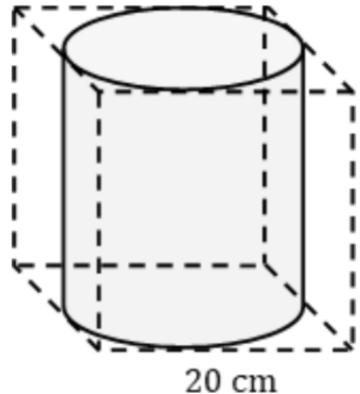
Julia was given a block of clay during her art class. The clay was in the shape of a 20 cm cube. Her task was to cut away at the cube to make the largest possible cylinder.
What is the volume of the cylinder she created?
The diameter of cylinder base is
The radius of the cylinder base is
Area of the base =
Height (distance between the bases) =
Volume =
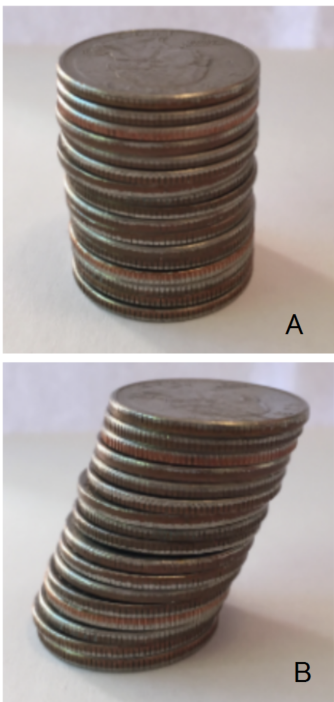
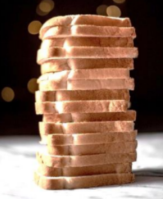
The images show the same number of coins arranged in different ways.
How are the two coin stacks different from each other?
Does either stack of coins resemble a geometric solid? If so, which stack and what solid?
How do the heights of the two stacks compare?
How do the volumes of the two stacks compare? Explain your reasoning.
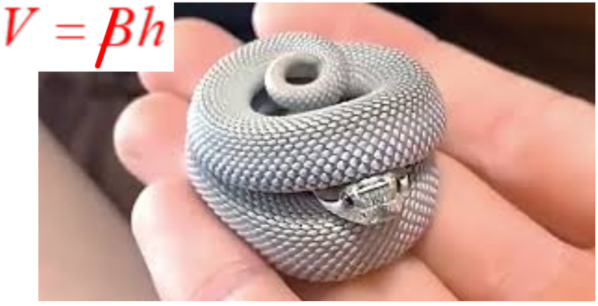
Let’s model a snake with a cylinder of length 3 feet and diameter 0.2 feet.
What is the volume of the snake?
Area of the base =
Height (distance between the bases) =
Volume =
Work With A Partner
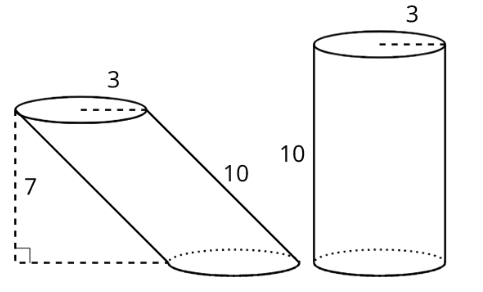
For the pair of solids, decide whether the volumes of the two solids are equal.
Explain your reasoning.
If you and a partner disagree, discuss each other’s approach until you reach agreement.
Are the volumes equal?
How do you know?
Work With A Partner
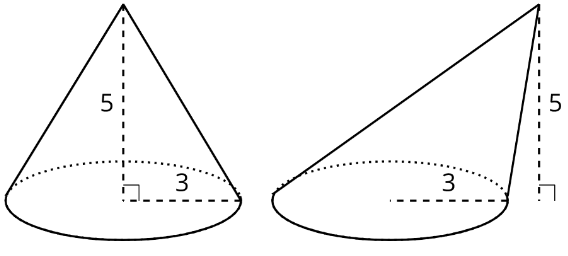
For the pair of solids, decide whether the volumes of the two solids are equal.
Explain your reasoning.
If you and a partner disagree, discuss each other’s approach until you reach agreement.
Are the volumes equal?
How do you know?
Work With A Partner
For the pair of solids, decide whether the volumes of the two solids are equal.
Explain your reasoning.
If you and a partner disagree, discuss each other’s approach until you reach agreement.
Are the volumes equal?
How do you know?
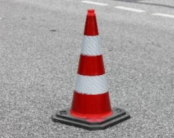
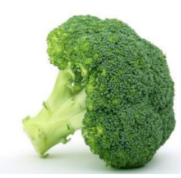
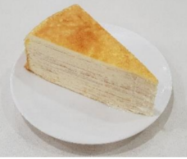
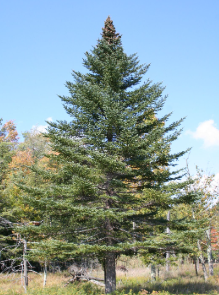
Objects in the real world are not always perfect cylinders, prisms, cones, or pyramids but may look similar to one or more of those shapes. Look at the images below and determine which shapes could be used to create each one.
Which shape/s could be used to create this,
?
Which shape/s could be used to create this,
?
Which shape/s could be used to create this,
?
Which shape/s could be used to create this,
?
Which shape/s could be used to create this,
?
Which shape/s could be used to create this,
?