HG U8D1 Probability Dec2
star
star
star
star
star
Last updated about 1 year ago
22 Nsɛmmisa
1
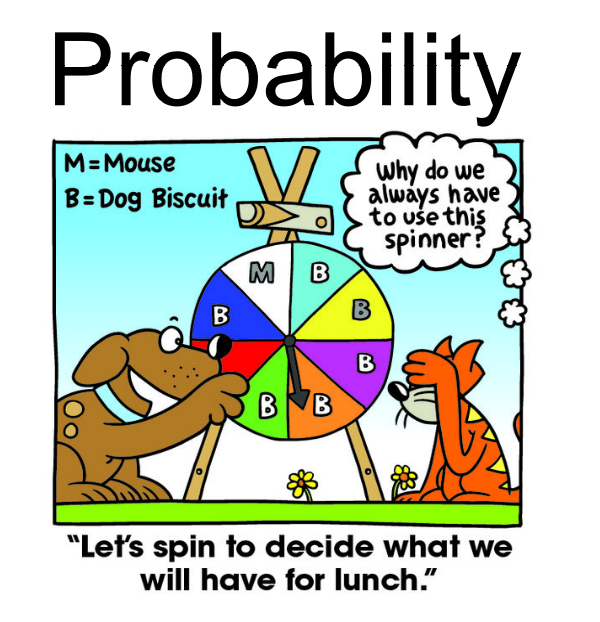
Six papers are placed in a bag with names written on them. The names are Lin, Mai, Mai, Noah, Priya, and Priya. If one name is chosen at random, what is the probability that it is Priya?
Six papers are placed in a bag with names written on them. The names are Lin, Mai, Mai, Noah, Priya, and Priya. If one name is chosen at random, what is the probability that it is Priya?
1
1