Translate the figure 2 units left and 2 units down.
A (1,3) --> A' _______
B (4,3) --> B' _______
C (2,-1) --> C' _______
3 points
3
Question 2
2.
Draw the reflection of the figure over the x-axis.
Perform the transformation and then write the coordinates into the correct box.
A(-2,-4) ---> A' _______
B (1,-3) ---> B' _______
C(3, -4) ---> C' _______
3 points
3
Question 3
3.
Rotate the figure 180° about the origin.
D (-4, -1) ---> D' _______
O (2, -3) ---> O' _______
G(1, -4) ---> G' _______
1 point
1
Question 4
4.
On the coordinate plane shown, Segment AB is a vertical segment with a length of 5 units.
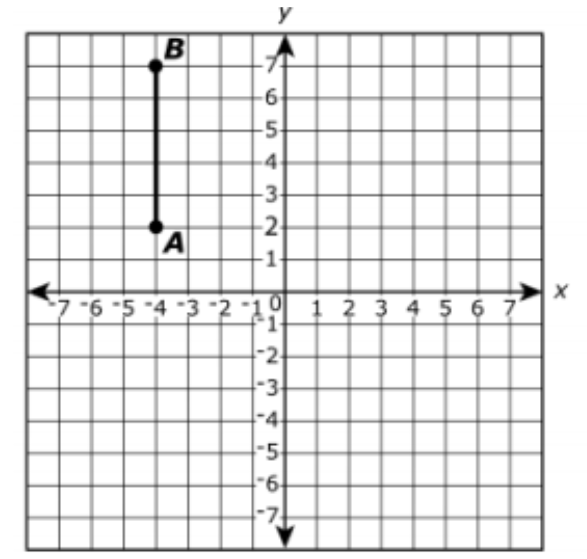
If Segment A'B' is the image of Segment AB after a rotation, which must be true about Segment A'B'?
3 points
3
Question 5
5.
The vertices of a triangle are M(−2, 1) , I(1, 0), A(−3, 2).
Draw the image after a dilation with a scale factor of 2.
Enter the coordinates of the image in the appropriate boxes.
M' _______
I' _______
A' _______
4 points
4
Question 6
6.
The vertices of a quadrilateral are W(-6,0), O(4, 2), L(2,-4). and F(-6,-6).
W' _______
O' _______
L' _______
F' _______
1 point
1
Question 7
7.
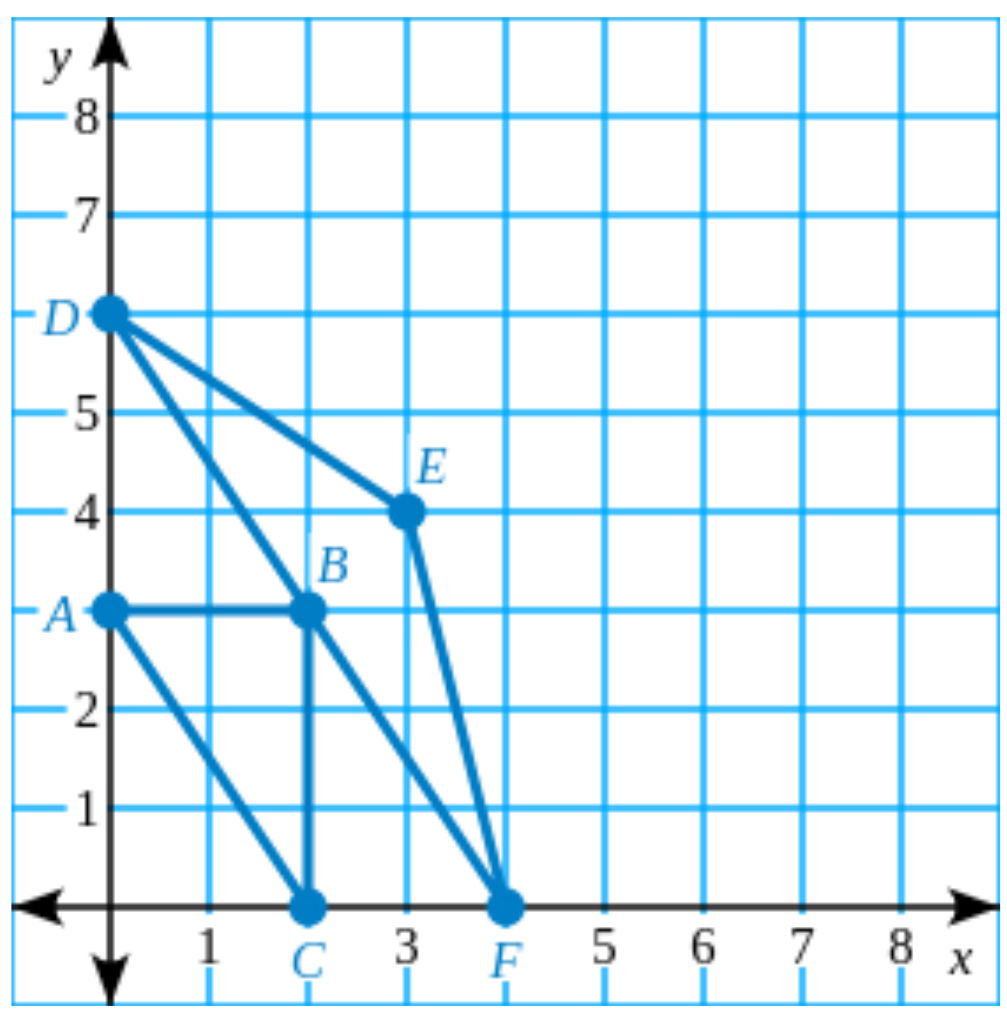
Are Triangle ABC and Triangle DEF similar?
2 points
2
Question 8
8.
Select from the drop-down menus to correctly complete the statement.
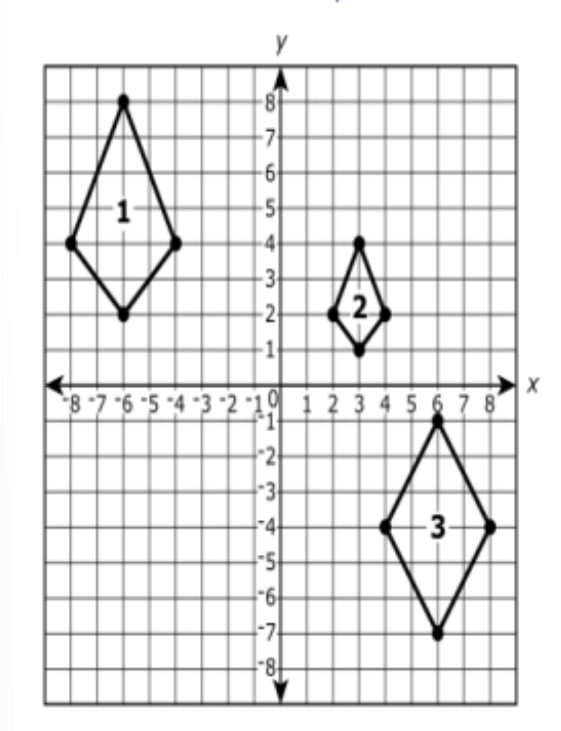
Figure 1 can be transformed into Figure 2 by a __________ followed by a __________.
1 point
1
Question 9
9.
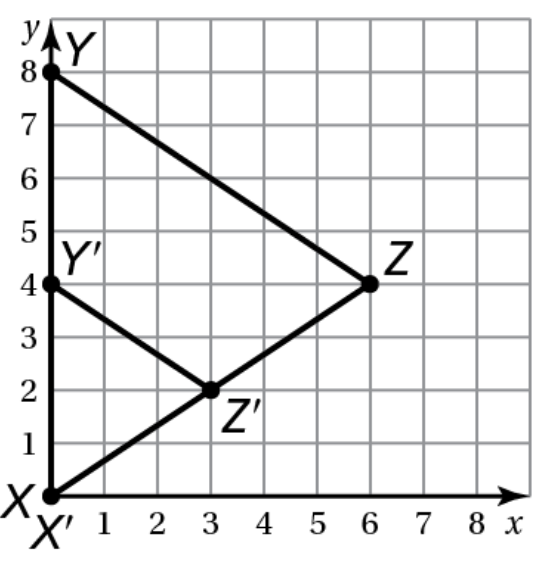
△X′Y′Z′ is a dilation of △XYZ . Identify the type of dilation and find the scale factor.
2 points
2
Question 10
10.
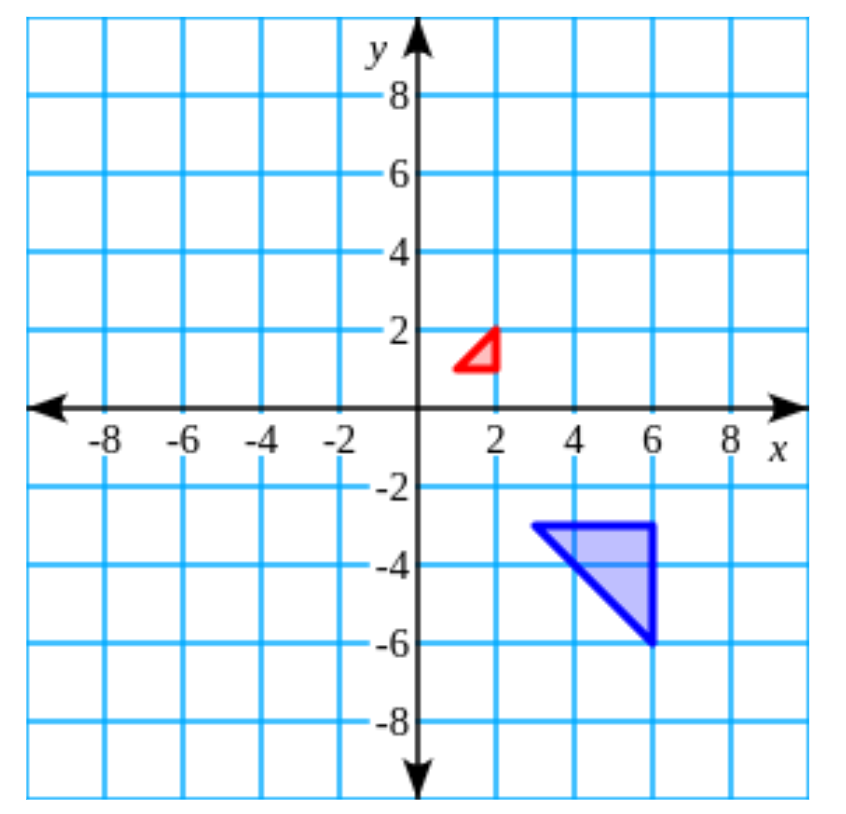
The red figure is similar ot the blue figure.
Complete the description of a similarity transformation between the figures.
One possible similarity transformation is to dilate the red figure with respect to the origin using a scale factor of __________ and then reflect the image over the __________-axis.
0 points
0
Question 11
11.
Extra Credit
Rotate the figure 90° counterclockwise about the origin (show in BLUE), and then reflect in the x-axis (show in PINK).