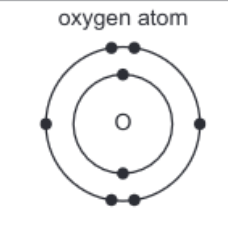
Elements, compounds and mixtures (advanced).

Last updated 5 months ago
31 questions
4

This exercise includes extra detail that you do not need to know until GCSE, (focus on the using the classification system).

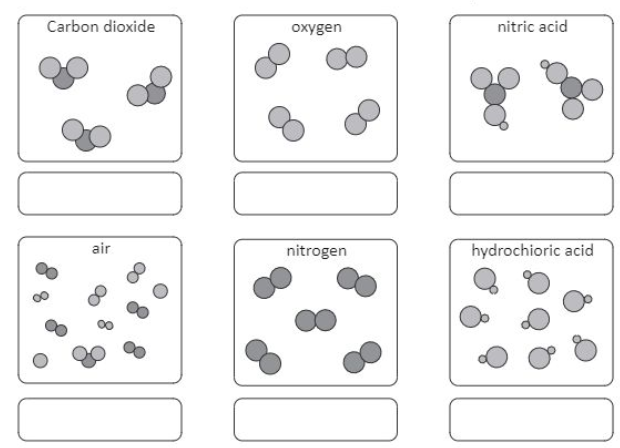
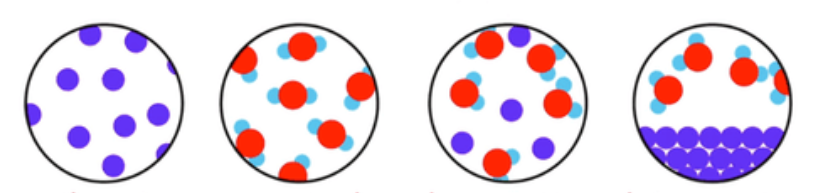
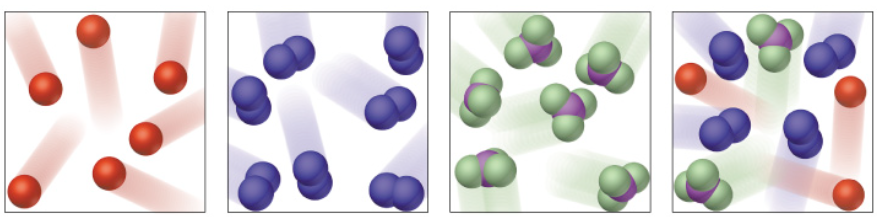
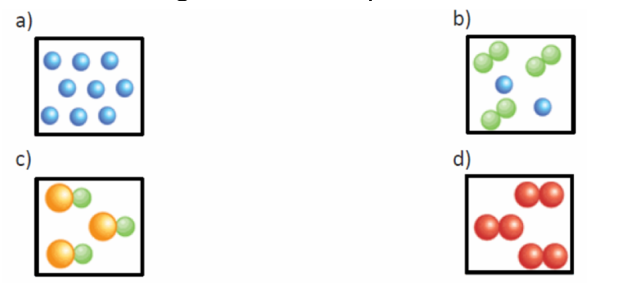
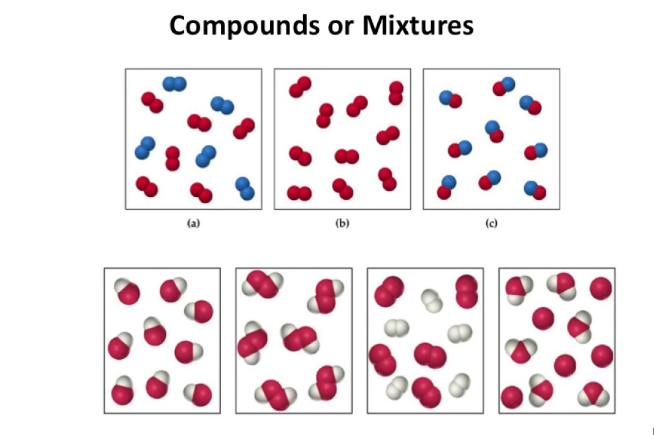
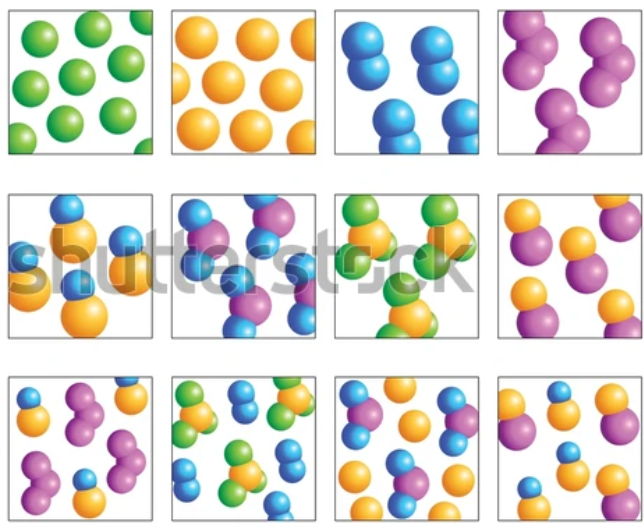
Elements have one type of atom only
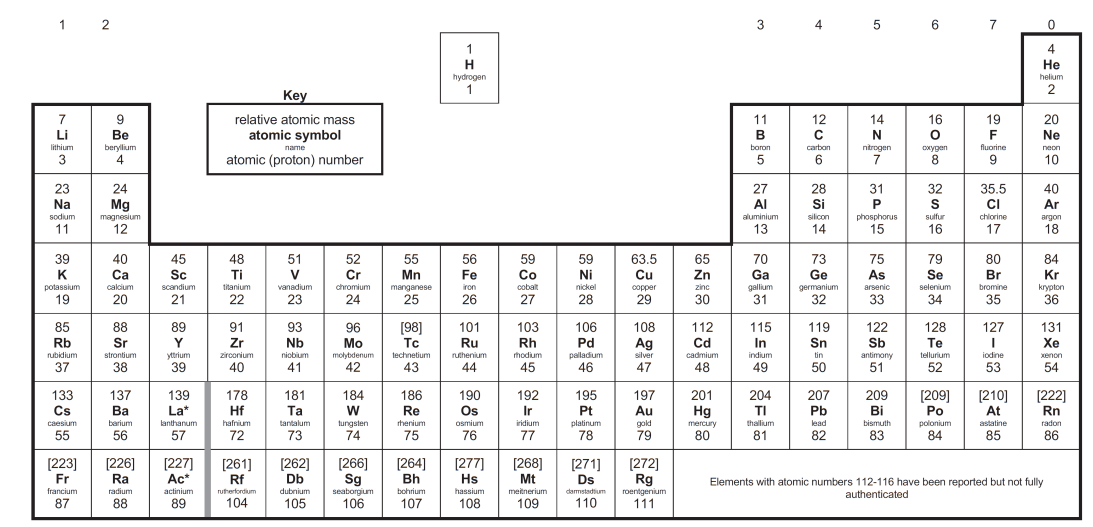
Elements can be found on the periodic table
Elements have one capital letter in their formula only

Compounds have more than one type of element chemically joined together in a fixed ratio.
Compounds have a formula with more than one capital letter.
Compounds can not be found on the periodic table.

Mixtures have more than one type of particle, jumbled together.
The particles do not have to be in a fixed ratio.
e.g.1. inhaled and exhaled air have different percentages of gases.
e g.2. Tea can be weak or strong, contain milk or not and contain sugar or not.
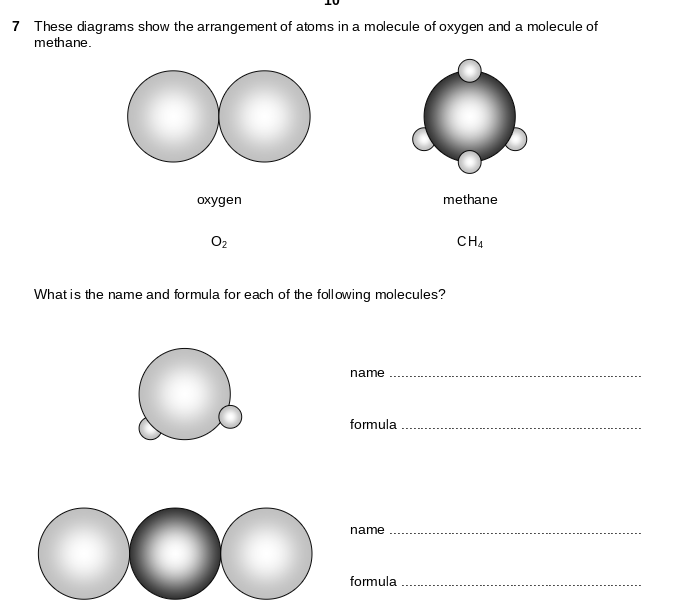
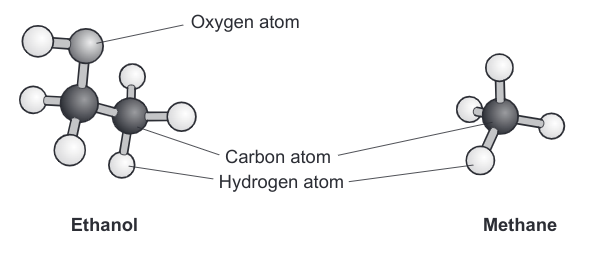
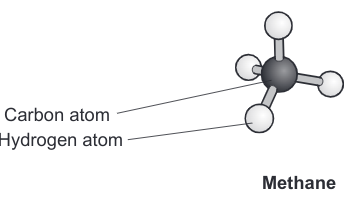
Select the compounds
1

Select the elements

1

Select the compounds
1

Select the mixtures

1

Select the elements

3

Select the mixtures

2

Identify the elements

3

Identify the compounds
2

Identify the elements

1

Select the element

1

Select the compound

2

Select the mixtures

1

Select the mixture

2

Select the elements

1

Select the compound

2

Select the element(s)

1

Select the compound(s)

1

Select the mixture

4
This exercise includes extra detail that you do not need to know until GCSE, (focus on the using the classification system).

Elements have one type of atom only
Elements can be found on the periodic table
Elements have one capital letter in their formula only

Compounds have more than one type of element chemically joined together in a fixed ratio.
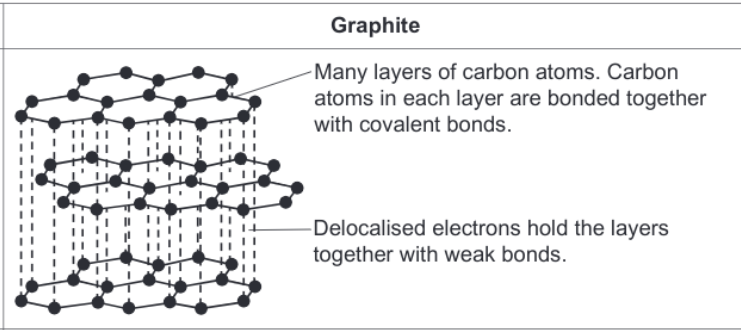
Compounds have a formula with more than one capital letter.
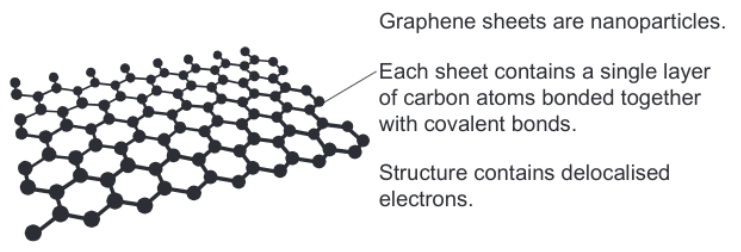
Componds can not be found on the periodic table.
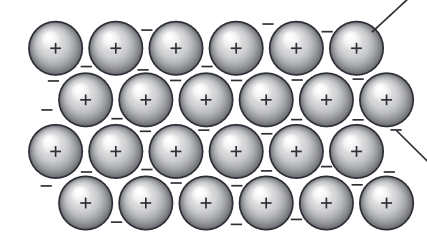
Mixtures have more than one type of particle, jumbled together.
The particles do not have to be in a fixed ratio.
e.g.1. inhaled and exhaled air have different percentages of gases.
e g.2. Tea can be weak or strong, contain milk or not and contain sugar or not.
Other Answer Choices:
carbon oxide
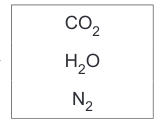
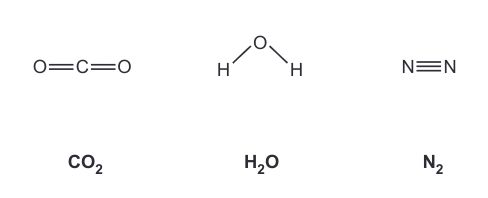
CO2
H2O
carbon dioxide
Carbon monoxide
water
3

Select the correct options

10
  • C7H16 (heptane)
  • H2
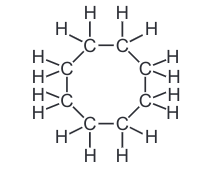
  • cyclooctane
  • NH3 (ammonia)
  • Air
  • N2
  • Element
  • Compound
  • mixture
9
  • H2O
  • H2
  • Sea water
  • Air
  • Carbon
  • Element
  • compound
  • mixture
7
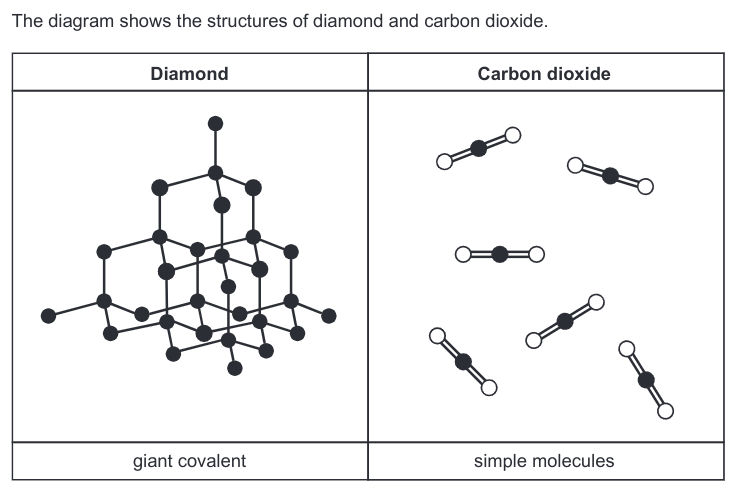
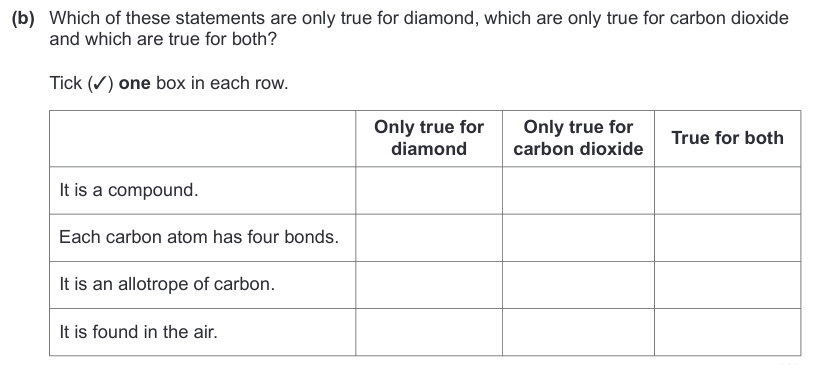
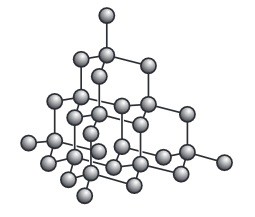
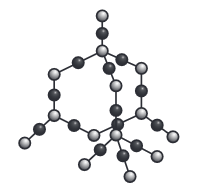
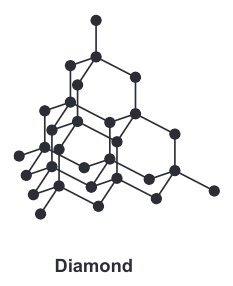
  • Diamond (c)
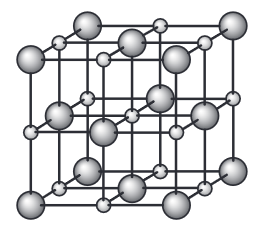
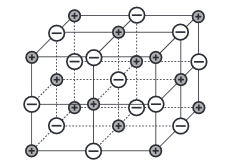
  • Sodium chloride (NaCl)
  • Sodium Na (hint this in an element)
  • Silicon dioxide SiO2
  • Calcium chloride
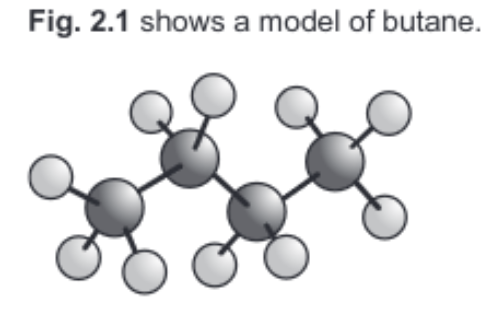
  • C4H10
  • Element
  • Compound
  • Mixture
3

Select the elements that are metals in period 3

4

Select the elements that are non-metals in Group 7 (the halogens).

5

Select the elements that are non-metals in period 3

4

Select the elements that are metals in group 1

4

Select the elements that are non-metals in group O (the noble gases)

7
  • Element
  • Compound
  • Mixture
7

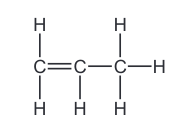
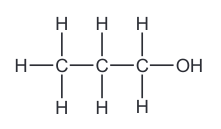
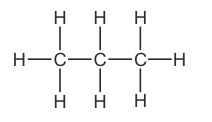
Note the exact structures will be important at GCSE.
You are just making sure that you can put the species into the correct categories.

  • (Propene) C3H6
  • propan-1-ol (C3H5OH)
  • propane (C3H8)
  • Potassium (K) (Hint this is an element)
  • C
  • C
  • NaCl
  • Element
  • Compound
7

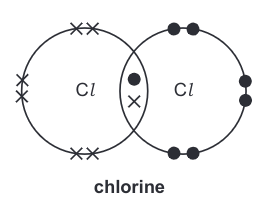
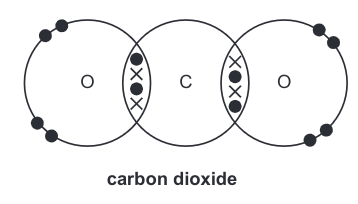
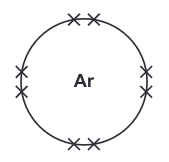
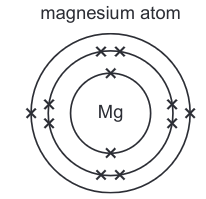
Again the details here are only needed at GCSE you need to focus on the formulae and the capital letters.

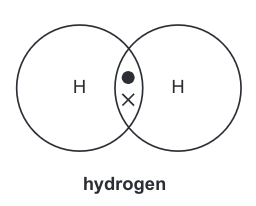
  • H2
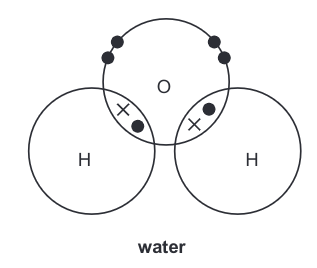
  • H2O
  • Cl2
  • CO2
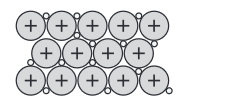
  • Mg
  • Element
  • Compound
  • Mixture