LR247.2.1: Rock Cycle

Last updated about 1 year ago
23 questions
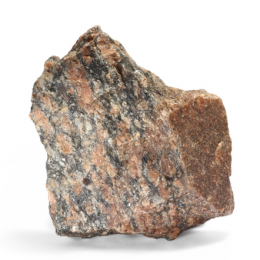
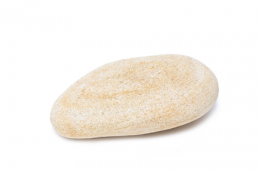
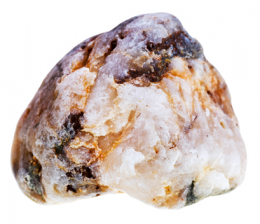
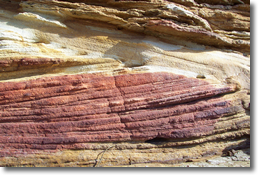
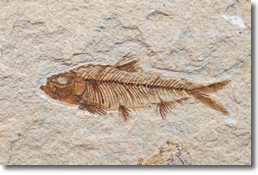
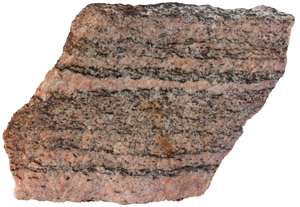
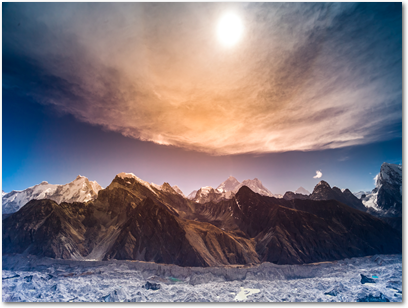
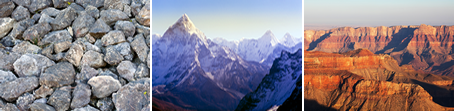
What do all of these pictures have in common? They all show different kinds of rocks! There are many kinds of rocks found on Earth's surface. Rocks come in many different shapes, sizes, and colors. All rocks are solids that are made up of one or more minerals. Even though there are thousands of minerals on Earth, only a few dozen are found in rocks.

Required
1
All rocks are made up of__________.
Scientists can identify different rocks by looking at the minerals inside them. There are many different kinds of rocks made up of different mineral combinations, and each kind of rock is formed in a different way. Scientists classify rocks into three main groups: • igneous • sedimentary • metamorphic


Granite is an igneous rock.


Sandstone is a sedimentary rock.


Marble is a metamorphic rock.
Required
1

Which is NOT one of the three kinds of rocks?

Igneous rocks form when molten rock, called magma or lava, cools down and hardens. Crystals often form in the igneous rock when the magma or lava cools down.
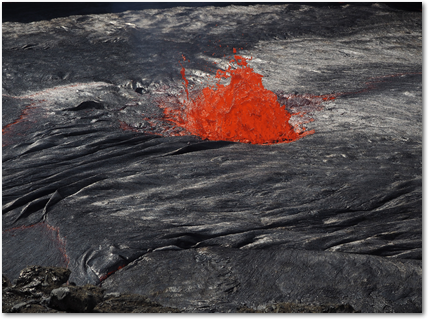
As this lava cools, it becomes igneous rock.


Some igneous rocks form when magma cools and hardens below the surface of the Earth. This process can take a long time. The long amount time allows large crystals to grow in these igneous rocks.
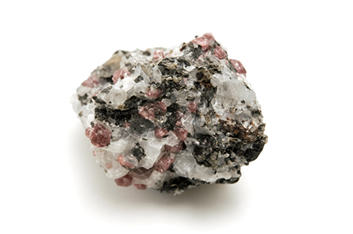

Granite is an igneous rock that forms underground. Each of the different colors in the rock are crystals.


Lava cools and hardens quickly on the surface of the Earth. The igneous rocks that form from lava tend to have tiny crystals; some have crystals so small they can only be seen with a microscope.
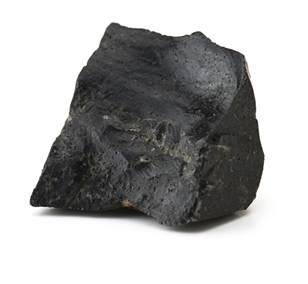

Obsidian is an igneous rock that forms above ground. The crystals in obsidian are not visible because they are so small.
Required
1

While she is on vacation with her family, Allyson finds many igneous rocks. Which of these locations probably contains the most igneous rocks?

Required
1

Sierra finds an igneous rock with very large crystals in her backyard. Was the rock most likely formed underground or above ground?

Sedimentary rocks form differently. As rocks are slowly worn away by rain, sun, wind, and water, little bits of the rock are carried away and deposited in other places. These tiny pieces of rock are called sediment. When layers of sediment settle on top of each other and harden, they become sedimentary rocks. Some sedimentary rocks contain big pieces of sediment. Others contain tiny grains of sand.


The different colors in this sedimentary rock are caused by different particles in the sediment.


Some sedimentary rocks also contain fossils. Millions of years ago, some animals died in riverbeds. Their bodies were covered with sediment from the river. Their soft organs rotted away, but their bones turned into rocks. They can now be found as fossils in sedimentary rocks.


This ancient fish was buried under sediment millions of years ago. Now it is a fossil.
Required
1
As rocks are slowly__________, little bits of rock called__________
are carried away and deposited in other places. When these layers harden, they are called__________.
Required
1

Lily says that sedimentary rocks form over a short period of time. Is she correct?

Metamorphic rocks form when igneous, sedimentary, or even other metamorphic rocks are changed by extreme heat and pressure. The incredible heat and pressure causes the old rock to change into a new rock with new properties. New minerals can be formed through this process.

This rock is marble. It was once the sedimentary rock limestone. After experiencing intense pressure and heat for thousands of years, the limestone was changed into marble. This is one example of how metamorphic rocks are made.

Heat alone is not enough to change a rock into a metamorphic rock. The heat must be accompanied by powerful pressure to cause the changes to the old rock necessary to create a metamorphic rock. Two places where metamorphic rocks are often found are deep within mountains or just underneath the ocean floor. Both these places experience very high pressure and exposure to hot temperatures.

Required
1

What two things need to be in the environment in order for metamorphic rock to form?

Required
1

Click on the boxes that are facts about metamorphic rocks. (choose 2)

Required
1

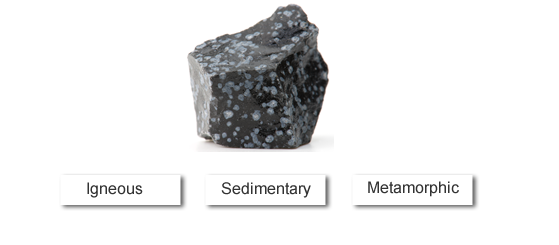
This rock has large crystals in it. It was formed when molten magma cooled down and hardened. What kind of rock is it?

Required
1
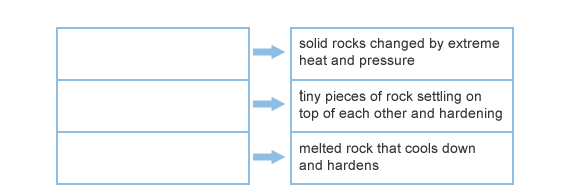
Drag the correct kind of rock to each definition below.
Other Answer Choices:
metamorphic
sedimentary
igneous
Check for Understanding:

1. There are three types of rock: igneous, sedimentary, and metamorphic.

2. Igneous rocks form when molten lava or magma cools down and hardens.

3. Sedimentary rocks form when small pieces of rock called sediment slowly settle into layers and harden.

4. Metamorphic rocks form when solid rocks are changed by extreme heat and pressure.
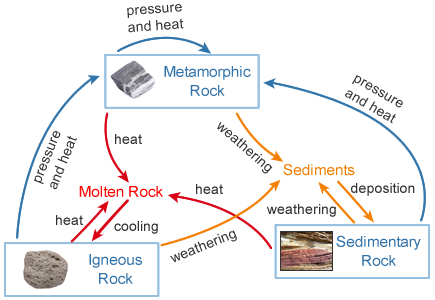
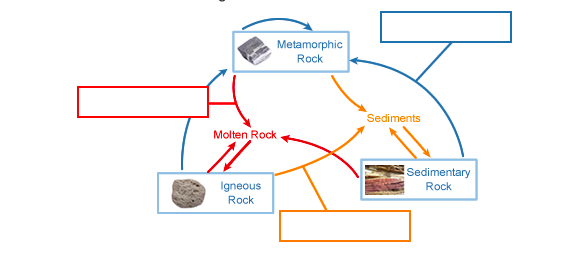
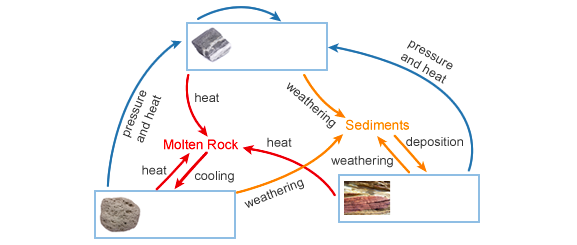
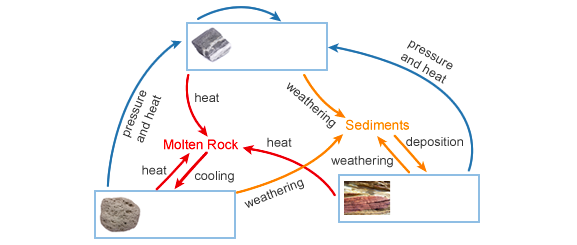
Rocks are being formed and destroyed all the time. This process is called the rock cycle. Unlike the life cycle of a plant or animal, the rock cycle is not a one-way cycle. Any rock can change from one kind of rock to another in the right conditions. Weathering, erosion, deposition, heat, and pressure all work to change rocks. Deep beneath the surface of the Earth, magma cools down and hardens into igneous rocks. Somewhere else, rocks are melted by extreme heat, and actually turn into magma themselves.

The rock cycle is the process that makes one kind of rock change into another kind. This cycle moves very slowly. It takes millions of years for rocks to change.

Required
1
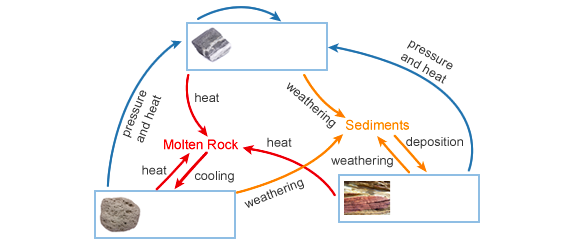
The rock cycle is the process that makes one kind of rock change into another kind. Drag the types of rocks that formed at each part of the rock cycle.
Other Answer Choices:
sedimentary
igneous
metamorphic
Required
1
Drag the different processes that help form rocks to the correct area of the diagram.
Other Answer Choices:
pressure and heat
cooling
weathering
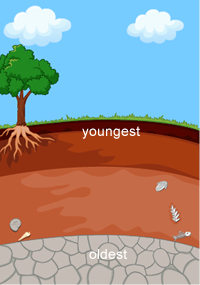
Rocks make layers as they are formed.
The layers at the surface of the Earth are usually the youngest. This is because as new rocks are created through the rock cycle, they form on the surface of the Earth. Older rocks are buried by newer rocks. The deepest layers tend to be the oldest. As scientists dig into the Earth, the layers they find on top are generally younger than the layers they find deep below the surface. This helps them identify the kinds of rocks they are finding and learn more about changes our planet has undergone.
Required
1
When a rock layer is close to the surface of the Earth, it is most likely__________than a rock layer that is deeper in the Earth.
Required
1

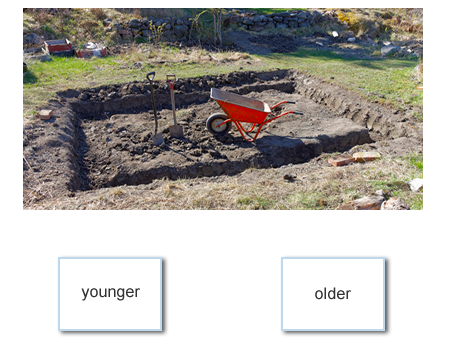
Sandra is digging a foundation for a shed in her yard when she finds an interesting looking rock. Which of the following most likely describes the age of the rock she finds?

Required
1

What is a rock?

Check for Understanding:

1. There are three main kinds of rocks: igneous, sedimentary, and metamorphic.

2. The rock cycle is the process that makes one kind of rock change into another kind. The rock cycle is constantly forming and destroying rocks.

3. Rocks make layers as they form. The layers closest to Earth's surface are the youngest. The deepest layers are the oldest.
Required
1

Click on the igneous rock.

Required
1

Click on the metamorphic rock.

Required
1

What do all rocks contain?

Required
1

Where are igneous rocks formed?

Required
1

Which type of rock is formed when other solid rocks are heated and put under pressure?

Required
1

Giancarlo is looking at a rocky cliff face. He notices:

•The cliff is made of a rough-feeling rock that has stripes of different colors.
•Some of the stripes are wide, and some are narrow.
•The stripes mostly run in straight lines from left to right.
•The stripes run for the entire length of the cliff wall.

Which kind of rock is the cliff most likely made of?

Required
1

How often are rocks changing?

Required
1

What does the rock cycle describe?