Twa kɔ nsɛm atitiriw so
Log in
Sign up for FREE
arrow_back
Laabri

Wednesday 11/20 - MM 3.4: Investigating Emulsifiers

star
star
star
star
star
Last updated 7 months ago
15 Nsɛmmisa
MM 3.4: Investigating Emulsifiers

Warm Up - Introducing Emulsifiers

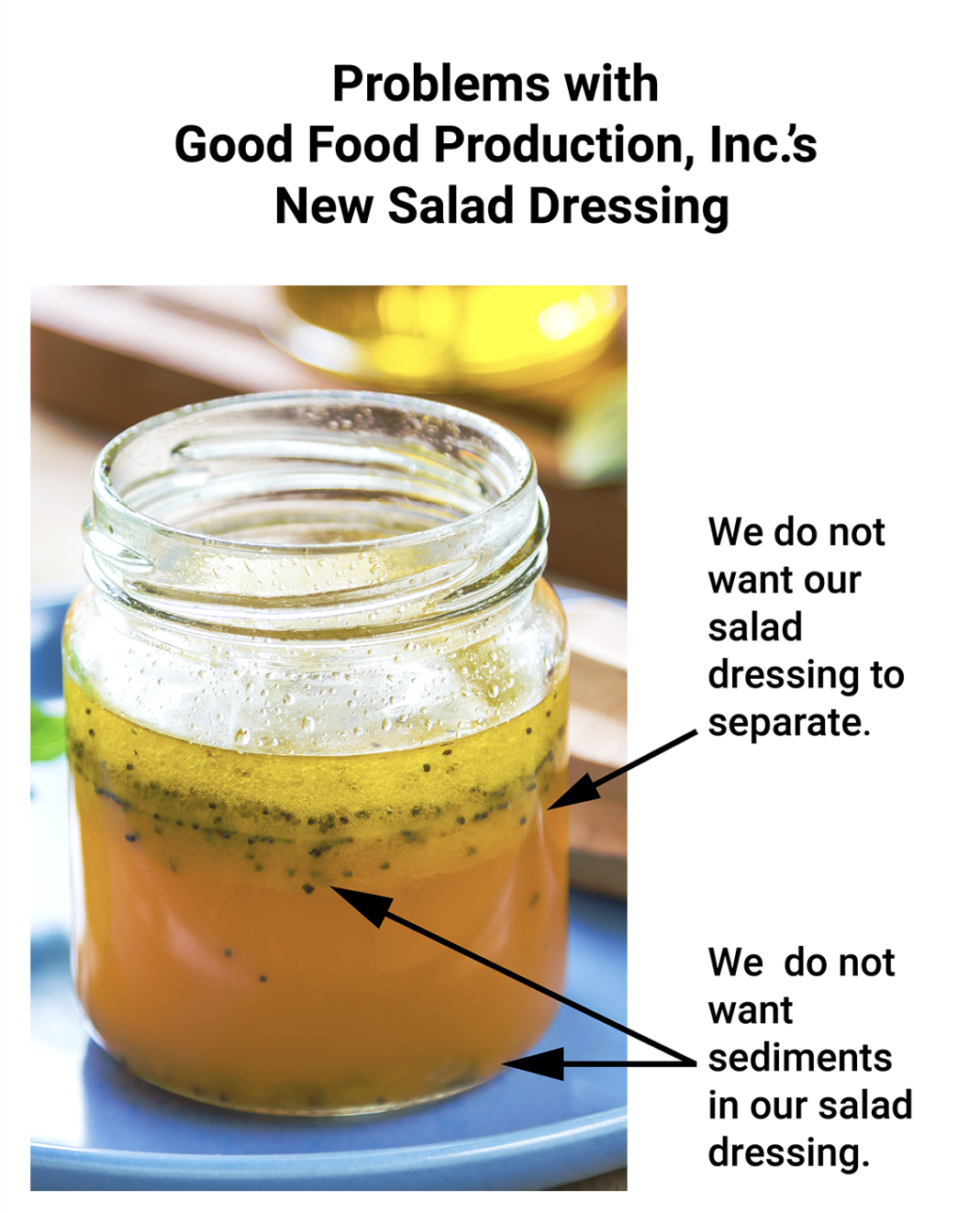
Welcome back salad dressing scientists! We already conducted Flavor Ingredients Tests and figured out which ingredients don’t leave sediments. Today, we will investigate how to create a salad dressing that doesn’t separate into layers.

You have shown through your observations, investigations, and models that you understand why oil and vinegar—or water—don’t mix. Now you need to consider how to make oil and vinegar (water) mix.
Setting Up Stability Tests
Final Observation Notes
1
Asemmisa {{asɛmmisaAhyɛnsode}}
1.

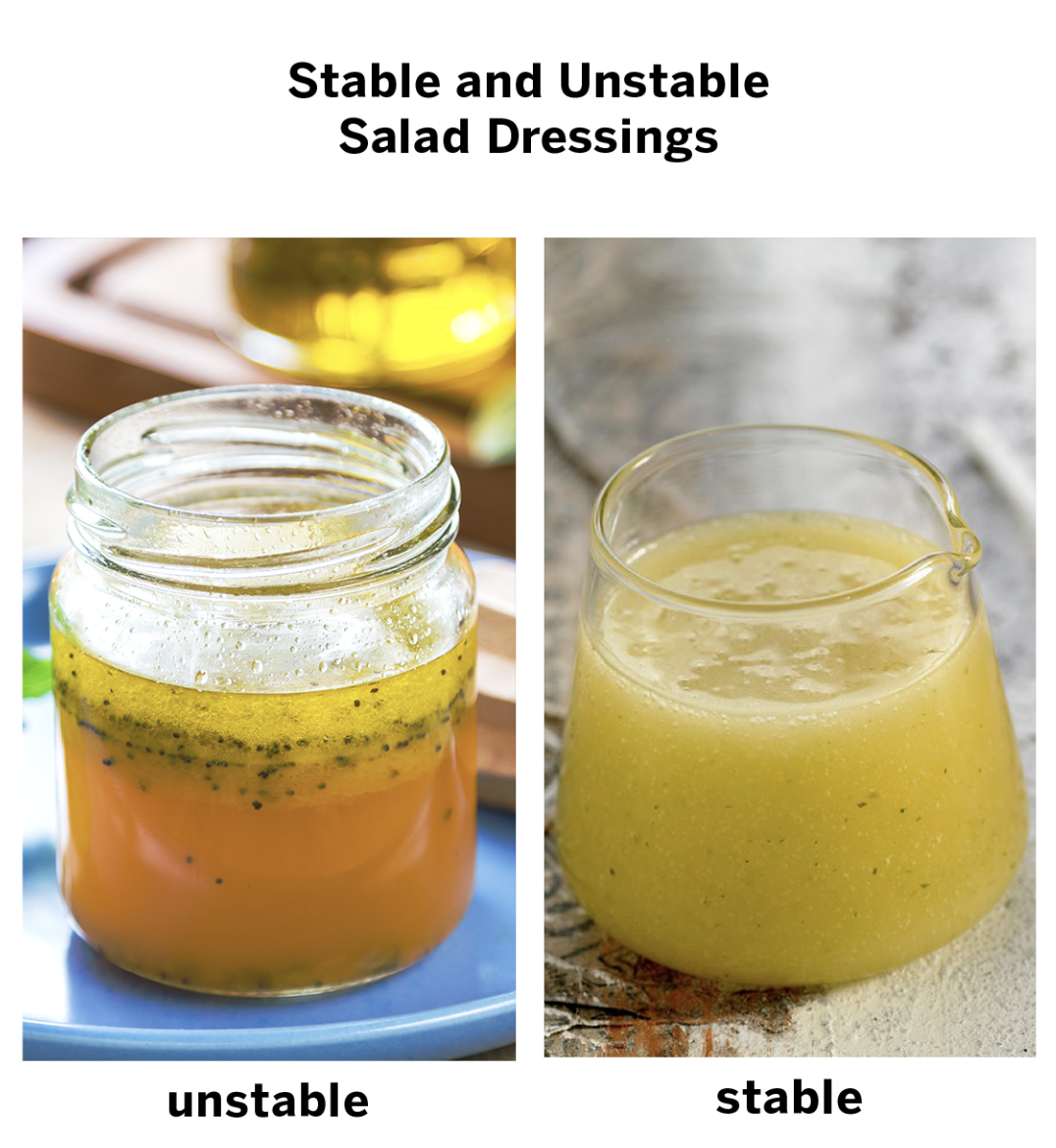
Based on the picture above, when a salad dressing stays mixed, we refer to it as a ___________ mixture.

1
Asemmisa {{asɛmmisaAhyɛnsode}}
2.

Based on the picture above, when a salad dressing separates, we refer to it as a ___________ mixture.

Oil and Water Mixture

0
Asemmisa {{asɛmmisaAhyɛnsode}}
3.

Oil and Water (Vinegar) Model:

DIRECTIONS: In the Mode1, draw what the oil and water look like on the nanoscale when they are in the same container. Use the shapes in the key to draw your model.

Stability Test Procedure

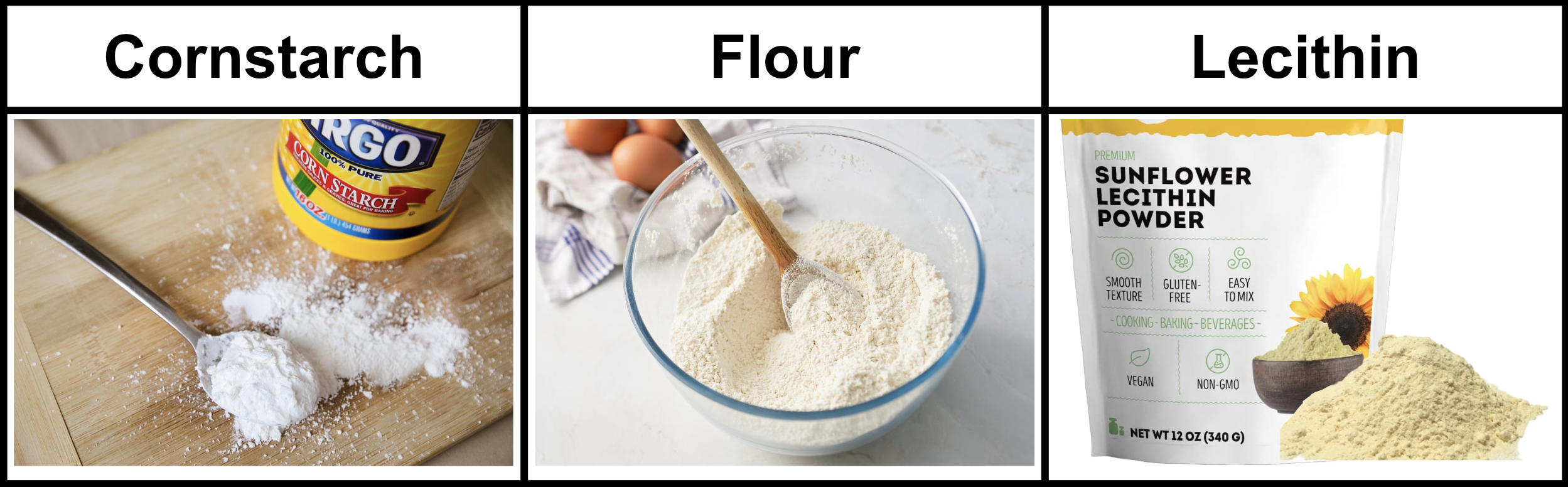
  1. Three group members go to one of the Materials Stations. Measure one level scoop of one of the texture ingredients into your vial of oil and water.

  2. Snap on the cap tightly. Return to your seat.

  3. Shake your vial for 30 seconds.

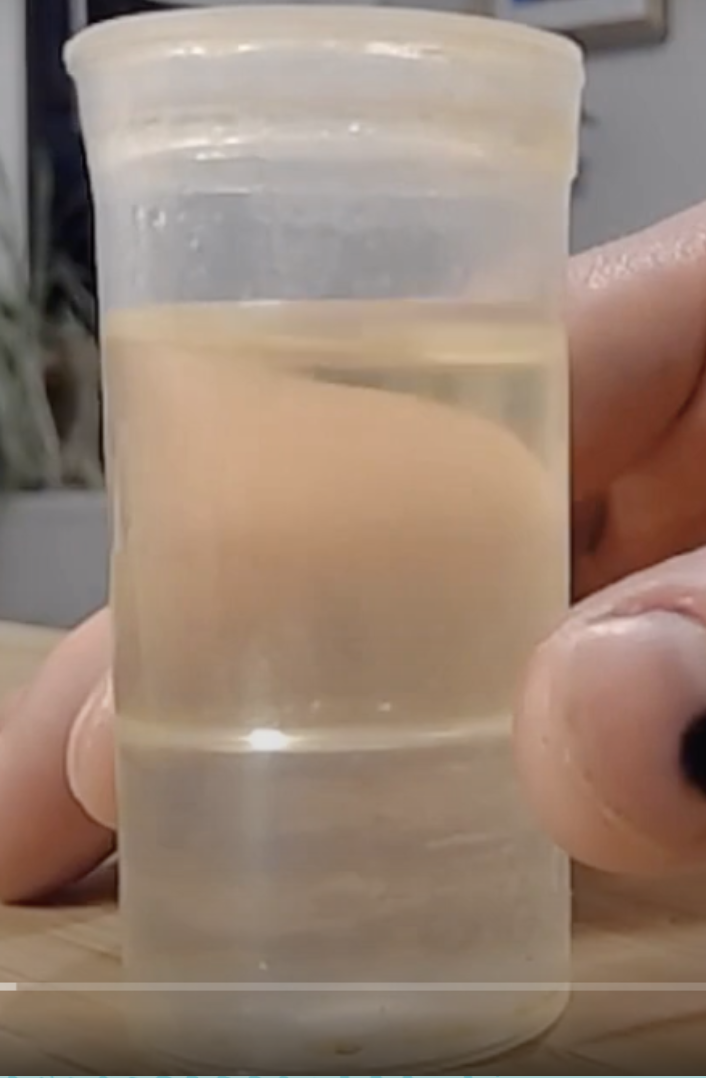
  4. Wait for three minutes. Record your starting observations in the table on the next page.

  5. Be sure to draw any layers you see.

  6. Record notes about what the mixture looks like, the number of layers you see, if you see any sediments, and anything else you observe.

  7. Shake your vial for 2 minutes.

  8. Record your final observations. Be sure to draw any layers you see.

  9. Record notes about what the mixture looks like, the number of layers you see, if you see any sediments, and anything else you observe.

0
Asemmisa {{asɛmmisaAhyɛnsode}}
4.

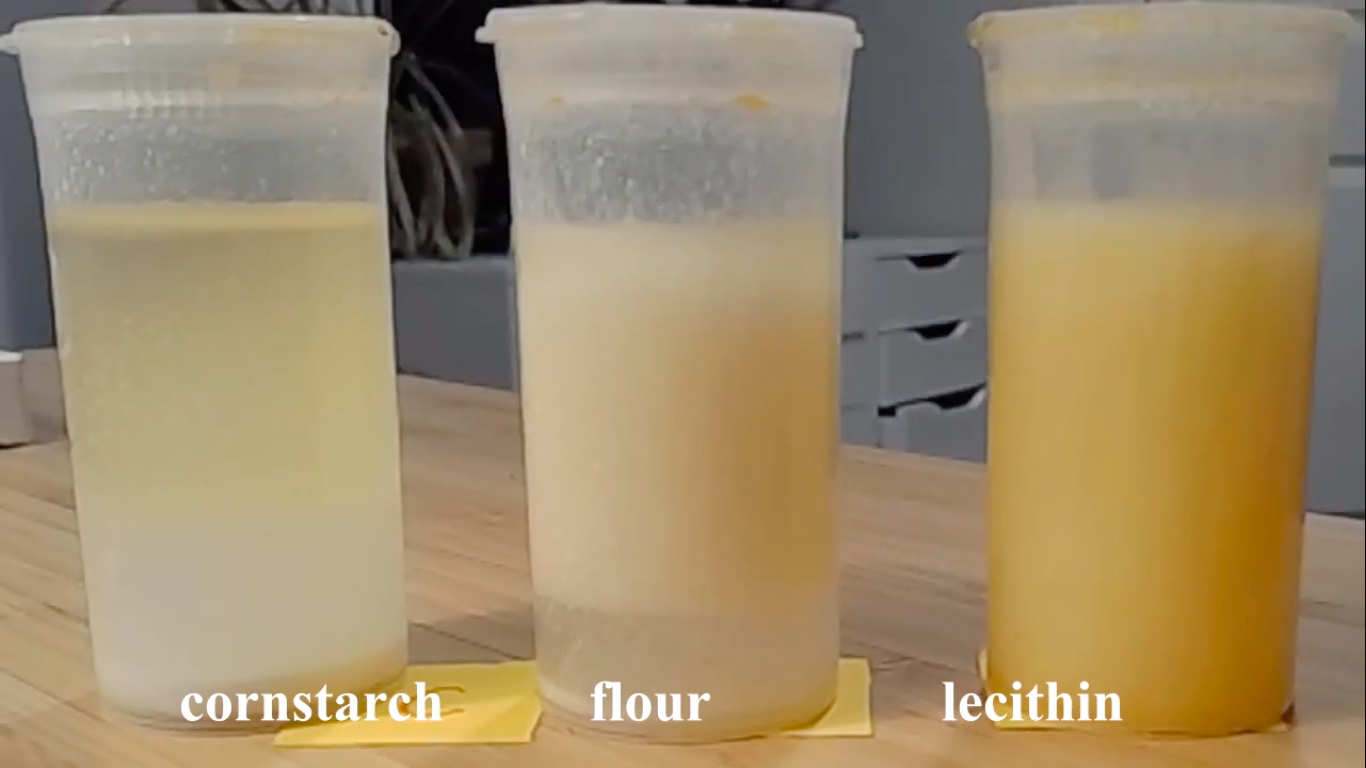
PREDICT: Which ingredient (cornstarch, flour, or lecithin) do you think will create the most stable salad dressing? Why?

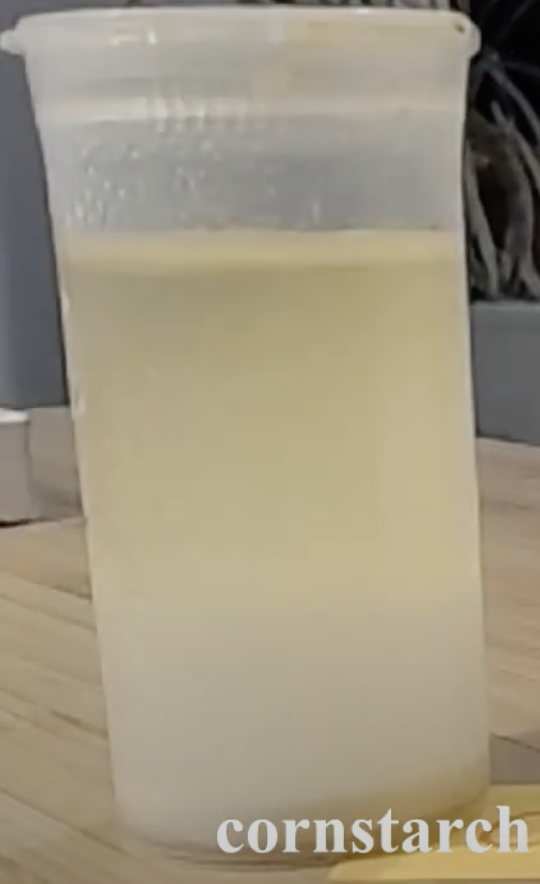
Cornstarch

1
Asemmisa {{asɛmmisaAhyɛnsode}}
5.

Do you see layers or sediment?

1
Asemmisa {{asɛmmisaAhyɛnsode}}
6.

Did this ingredient make oil and vinegar (water) completely mix?

1

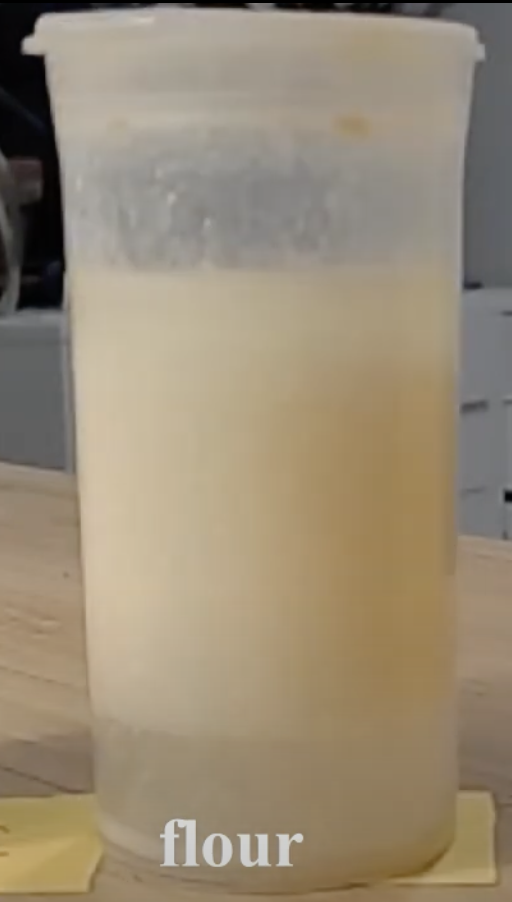
Flour

1
Asemmisa {{asɛmmisaAhyɛnsode}}
8.

Do you see layers or sediment?

1
Asemmisa {{asɛmmisaAhyɛnsode}}
9.

Did this ingredient make oil and vinegar (water) completely mix?

1

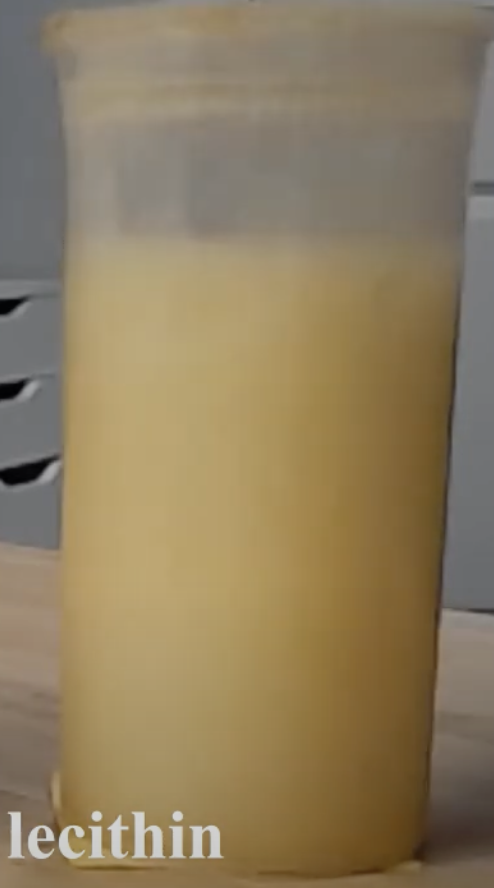
Lecithin

1
Asemmisa {{asɛmmisaAhyɛnsode}}
11.

Do you see layers or sediment?

1
Asemmisa {{asɛmmisaAhyɛnsode}}
12.

Did this ingredient make oil and vinegar (water) completely mix?

1

1
Asemmisa {{asɛmmisaAhyɛnsode}}
14.

Which ingredient created the most stable mixture? What is your evidence?

1
Asemmisa {{asɛmmisaAhyɛnsode}}
15.

Which ingredients created unstable mixtures? What is your evidence?

Asemmisa {{asɛmmisaAhyɛnsode}}
7.

Is this a stable or unstable mixture?

Asemmisa {{asɛmmisaAhyɛnsode}}
10.

Is this a stable or unstable mixture?

Asemmisa {{asɛmmisaAhyɛnsode}}
13.

Is this a stable or unstable mixture?