Preskoči na glavni sadržaj
Prijava
Sign up for FREE
arrow_back
Biblioteka

Electricity, Magnetism & Waves Unit Test Block 1

star
star
star
star
star
Posljednje ažuriranje 9 months ago
55
Obavezno
1
Obavezno
1
Obavezno
1
Obavezno
1
Obavezno
1
Obavezno
1
Obavezno
1
Obavezno
1
Obavezno
1
Obavezno
1
Obavezno
1
Obavezno
1
Obavezno
1
Obavezno
1
Obavezno
1
Obavezno
1
Obavezno
1
Obavezno
1
Obavezno
1
Obavezno
1
Obavezno
1
Obavezno
1
Obavezno
1
Obavezno
1
Obavezno
1
Obavezno
6
Obavezno
2
Obavezno
1
Obavezno
1
Obavezno
1
Obavezno
1
Obavezno
1
Obavezno
1
1
1
0
Pitanje 1
1.

Which metal has the strongest magnetic attraction?

Pitanje 2
2.

What causes magnets to repel?

Pitanje 3
3.

What will happen if a magnet is cut in half?

Pitanje 4
4.

What increases when like poles of two magnets are pushed together?

Obavezno
1
Pitanje 5
5.

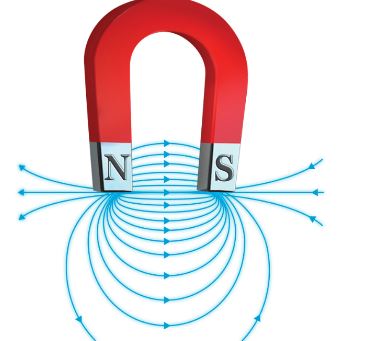
What type of magnetic field is shown in this image?

Obavezno
2
Pitanje 6
6.

Where on this magnet and its illustrated field lines is the magnetic force the strongest? Why?
Pitanje 7
7.

Why is Earth's magnetic field important for life on Earth?

Pitanje 8
8.

What is the transfer of charge that happens without direct contact called?

Pitanje 9
9.

How does static electricity differ from electric current?

Obavezno
4
Pitanje 10
10.

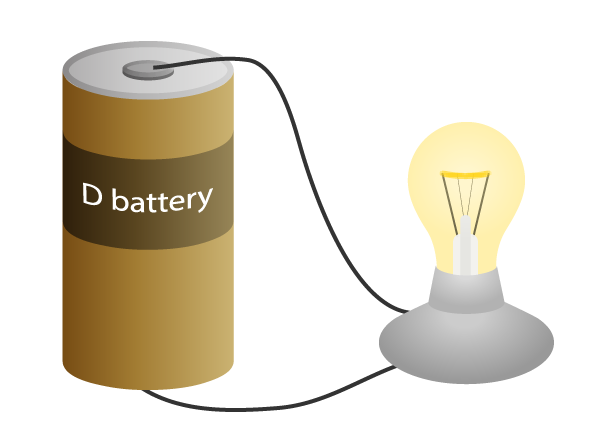
Describe the direction of the current flow in this circuit. Give 2 pieces of evidence that supports your explanation.

Obavezno
1
Pitanje 11
11.

Why are negatively charged particles that flow through a circuit sometimes called salmon?

Obavezno
1
Pitanje 12
12.

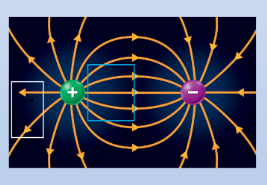
Is the electric field stronger within the white rectangle or within the blue rectangle?

Obavezno
1
Pitanje 13
13.

Provide evidence to support your claim in the previous question.

Obavezno
1
Pitanje 14
14.

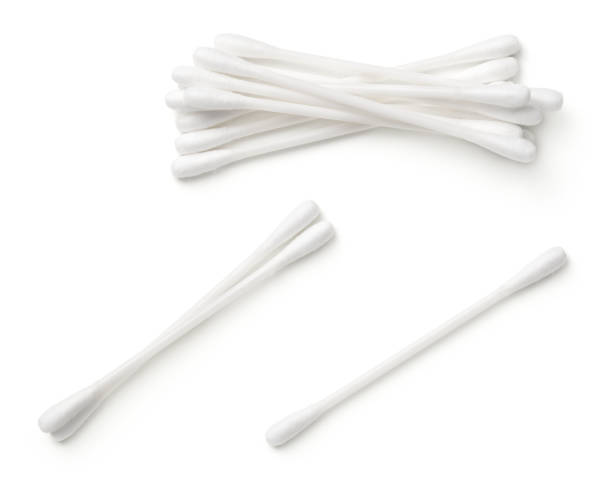
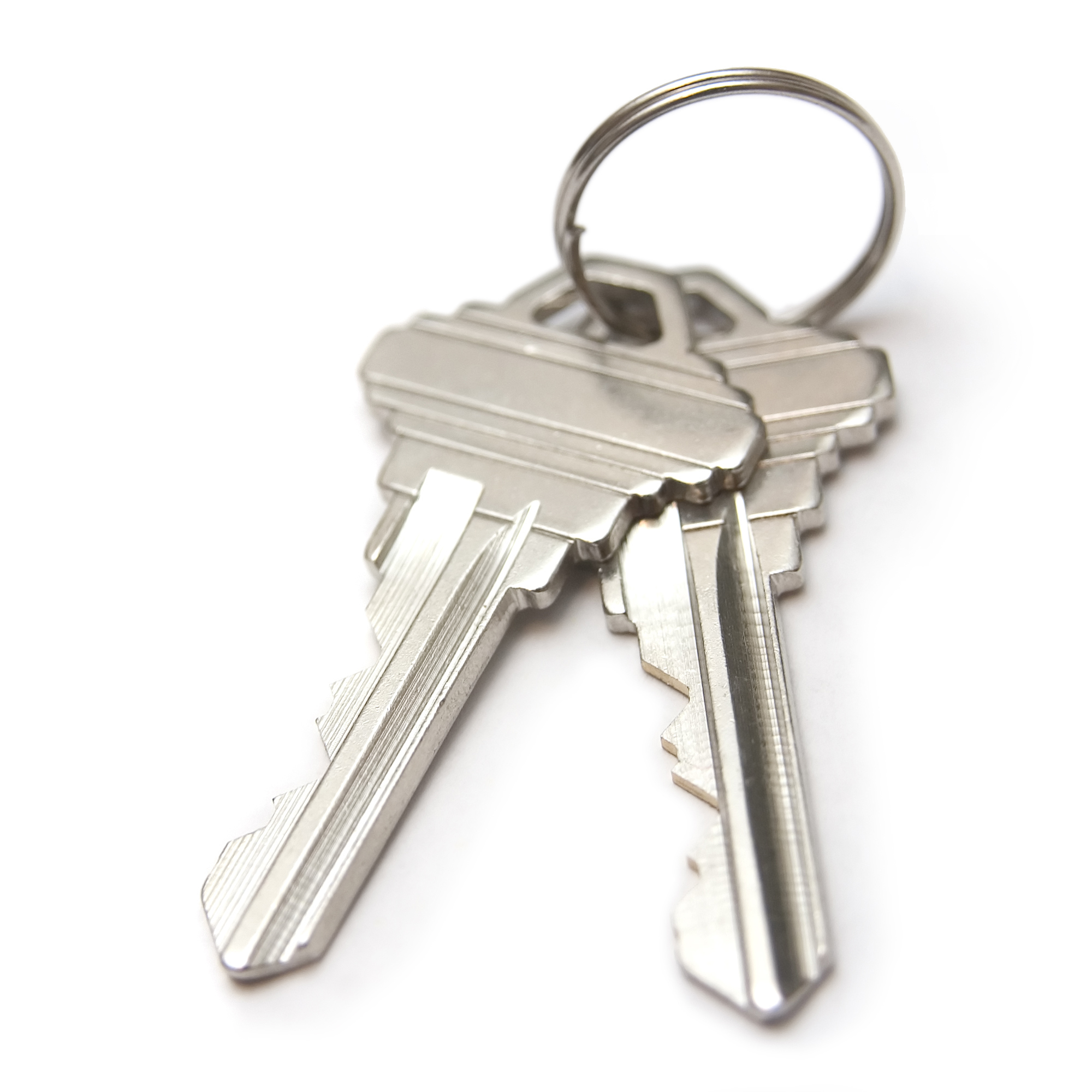
Would you classify this object as a conductor or insulator?

Obavezno
1
Pitanje 15
15.

Would you classify this object as a conductor or insulator?

Obavezno
1
Pitanje 16
16.

Would you classify this object as a conductor or insulator?

Obavezno
1
Pitanje 17
17.

Would you classify this object as a conductor or insulator?

Pitanje 18
18.

What is the distance from one compression to the next on a longitudinal wave?

Pitanje 19
19.

What is the name given to the region in a Longitudinal Wave where the particles are furthest apart?

Pitanje 20
20.

__________ waves need a medium to be present to transfer energy.

Pitanje 21
21.

Electromagnetic waves are ___________waves and do not need a medium to travel.

Pitanje 22
22.

What is the name given to the region in a Longitudinal Wave where the particles are closest together?

Pitanje 23
23.

If you were to measure how many waves pass a certain point in a specific amount of time you would be measuring the _______________.

Pitanje 24
24.

All Electromagnetic Waves travel at the same ___________________ when in empty space.

Pitanje 25
25.

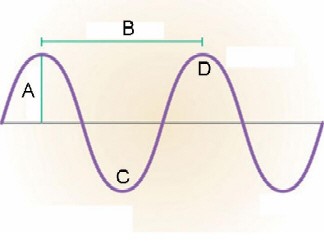
Based on the image above, which word below represents A?

Pitanje 26
26.

Based on the image above, which word below represents B?

Pitanje 27
27.

Based on the image above, which word below represents C?

Pitanje 28
28.

Based on the image above, which word below represents D?

Pitanje 29
29.

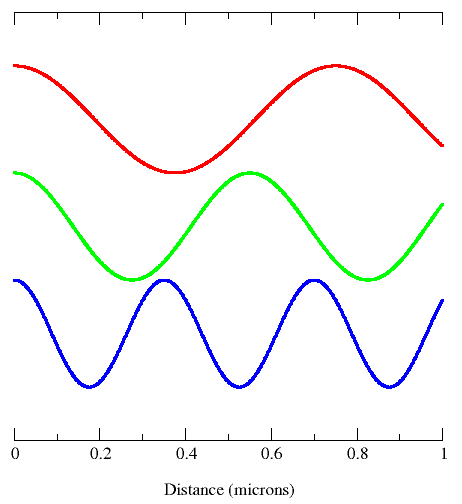
The image below shows waves with decreasing wavelength. Which of the following are also changing and how?

Pitanje 30
30.

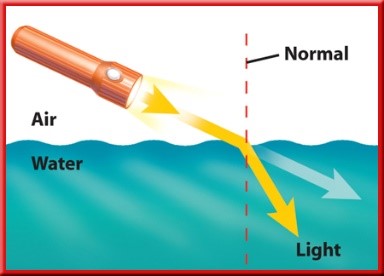
As waves enter a new medium and refracts, what happens?

Pitanje 31
31.

A woman in an apartment building is watching a worker through her living room window. Which wave behavior allows light to pass through the window?

Pitanje 32
32.

A bat flying through the caves can barely see, but uses echolocation to sense it's surroundings. Which wave behavior is the bat relying on?

Pitanje 33
33.

The sun shining outside causes the side walk and road to become warm. What wave behavior makes the side walk hot?

Pitanje 34
34.

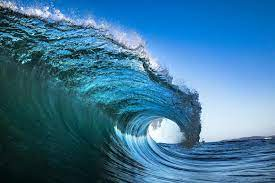
What wave behavior is illustrated in the picture?

Pitanje 35
35.

A wave interaction that results in a wave with a greater amplitude is what type of interaction?

Pitanje 36
36.

During our Wave Behavior Lab, we tested several materials for opacity (how much or little light passes through). Recreate your illustration showing the 3 levels of opacity. You may draw on paper and photograph or use the tools here. You do not need to draw 7 pictures, only 3.

As a reminder, the materials used were: 1. Brown Paper Bag, 2. White Square, 3. Clear Square, 4. Rough Square, 5. Brown & Red Square, 6. Black Bookmark & 7. Aluminum Foil.

Obavezno
2
Pitanje 37
37.

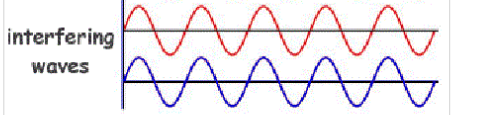
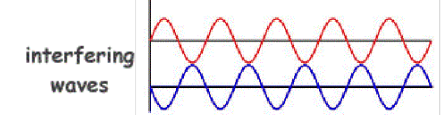
Examine the wave interference. What type of interaction is shown? If this were a light wave interaction, what you expect to see?

Obavezno
2
Pitanje 38
38.

Examine the wave interference. What type of interaction is shown? If this were a sound wave interaction, what you expect to hear?

Pitanje 39
39.

Using what you've learned about wave interactions, explain how noise cancelling headphones work.

Pitanje 40
40.

What lens type magnifies what is seen?

Pitanje 41
41.

Which wave has the longest wavelength on the Electromagnetic Spectrum and can be as long as a football field?

Pitanje 42
42.

These are the primary colors of light

Pitanje 43
43.

These waves on the Electromagnetic Spectrum carry the most energy.

Pitanje 44
44.

What color do you get when you mix red and green light?

Pitanje 45
45.

Why do we see an object in a certain color?

Pitanje 46
46.

What part of the eye contains rods and cones?

Pitanje 47
47.

If all colors of light are reflected by a material, it will appear what color

1
Obavezno
1
Obavezno
1
0
Obavezno
1
Obavezno
1
Obavezno
1
Pitanje 55
55.

BONUS: You can't see me, but I can see you; To be more specific, I see through. What am I?

Pitanje 48
48.

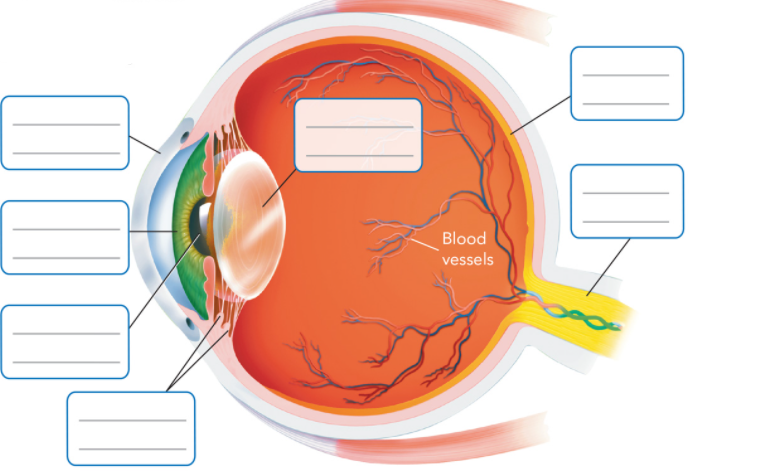
Label the eye with the correct part

(light enters the eye first through this)

Pitanje 49
49.

Label the eye with the correct part (the colored part of the eye)

Pitanje 50
50.

Label the eye with the correct part (small circular opening that can constrict or dilate):

Pitanje 51
51.

BONUS: Label the eye with the correct part

Pitanje 52
52.

Label the eye with the correct part:

Pitanje 53
53.

Label the eye with the correct part:

Pitanje 54
54.

Label the eye with the correct part: