Homework: Review of Mixtures Unit For Test
star
star
star
star
star
Last updated 11 months ago
5 questions
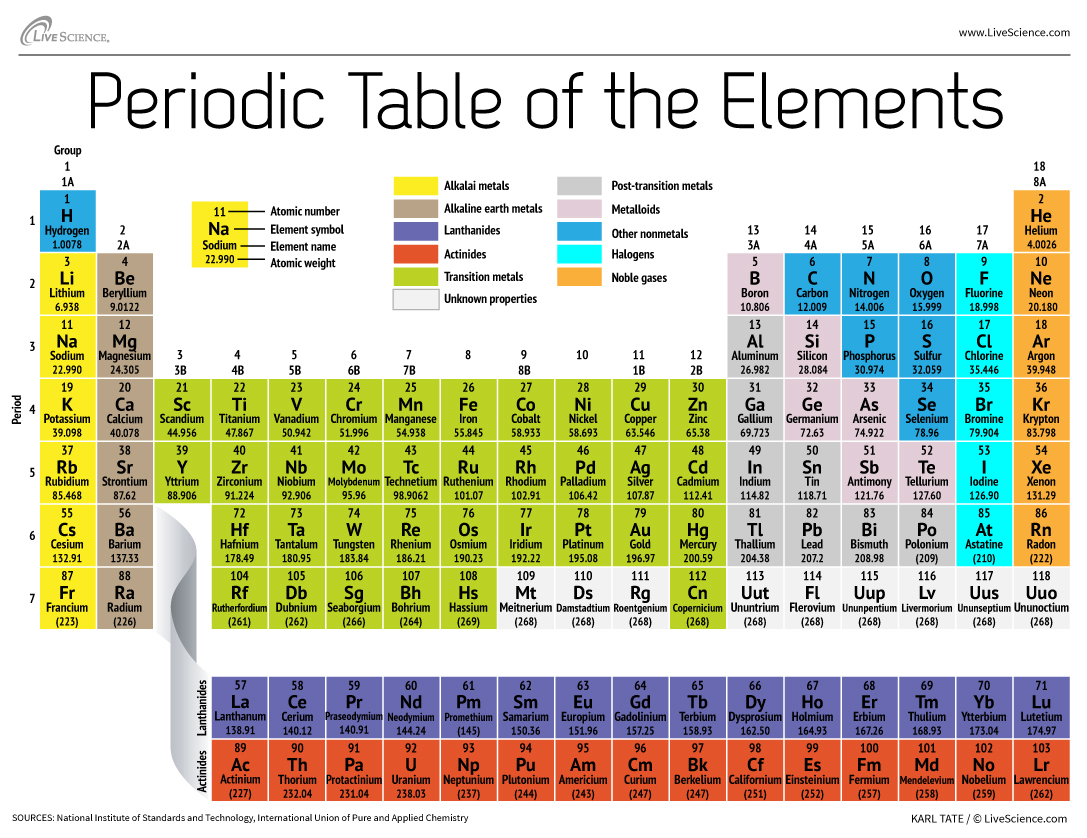
Atomic number = the number of protons (+) in an atom
- It is the number at the top of an elements square
- Example: Tungsten (W) has an atomic number of 74
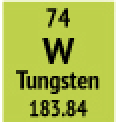
Atomic mass = the number of protons and neutrons in an atom
- The # of neutrons can be calculated by subtracting the atomic mass and atomic number
- Example: Silver (Ag): 108 - 47 = 61 neutrons
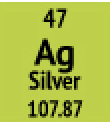
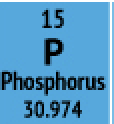
The periodic table reflects neutral atoms & the # protons = the # of electrons to present a neutral charge.
- Example: Phosphorus has an atomic number of 15, which means in a neutral atom is has 15 protons and 15 electrons.
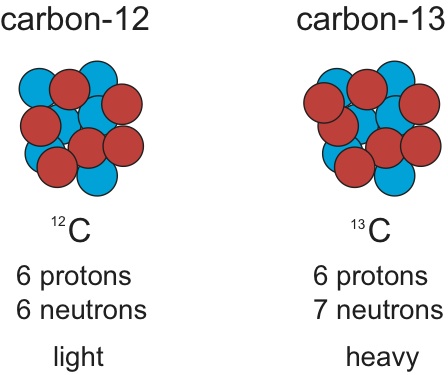
Isotopes are atoms that have the same number of protons (atomic number) and identity, but a different number of neutrons (atomic mass).
- Example: carbon-12 and carbon-13 are isotopes of one another because they both have the same atomic number but a different number of neutrons
Ions can occur when atoms interact. Cations are formed when metals lose electrons. Anions are formed when (typically) nonmetals gain electrons.
- Example: Na can lose an electron & become the cation Na+
- Example: Cl can gain an electron & become the anion Cl-
Ionic compounds have a metal and nonmetal bonded together.
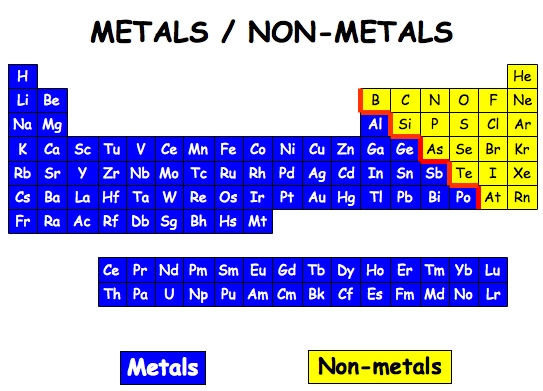
- Groups 1 and 2 are metals
- Groups 14 to 18 are nonmetals
- Example: NaCl
Covalent compounds have a nonmetal bonded to another nonmetal
- Examples: CO2
15
SET 1
A) What is the atomic number __________
B) What is the atomic mass __________
C) How can we determine the number of neutrons in an element __________
D) The number of protons typically equal the number of __________
E) Isotopes are atoms with the same atomic number but with a different __________
F) Ions can occur when atoms interact. Cations are formed when metals __________. Anions are formed when (typically) nonmetals __________.
SET 2
A) What is the atomic mass of Hydrogen (H) __________
B) What is the atomic number of Bromine (Br) __________
C) How many neutrons does Nickel (Ni) have __________
D) How many electrons should Bromine (Br) have by looking at its atomic number __________
E) An isotope of Phosphorus-31 could be __________
SET 3
A) Which of these is an ionic compound (metal + nonmetal) __________
B) Which of these is an covalent compound (nonmetal + nonmetal) __________
C) Which is the correct model for CrO4 __________
1
Create a model of this atom
Zr2H2O7K2
Create a model of this atom
Zr2H2O7K2
Purse substances and Mixtures
There are 2 main types of substances: pure substances and mixtures.
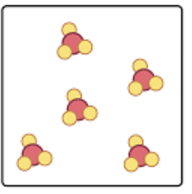
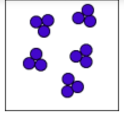
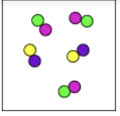
Pure substances can be elements, molecules of elements, or molecules of compounds.
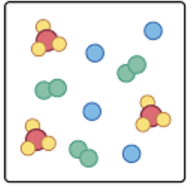
Mixtures are a combination of 2 or more pure substances that are mixed together in the same area, yet the substances are not chemically combined by bonds. These substances do not change their chemical identity.
- Mixtures include 2 or more different elements, 2 or more different compounds, or 2 or more different elements and compounds all in the same area.
Mixtures have different names which are determined by their particle size.
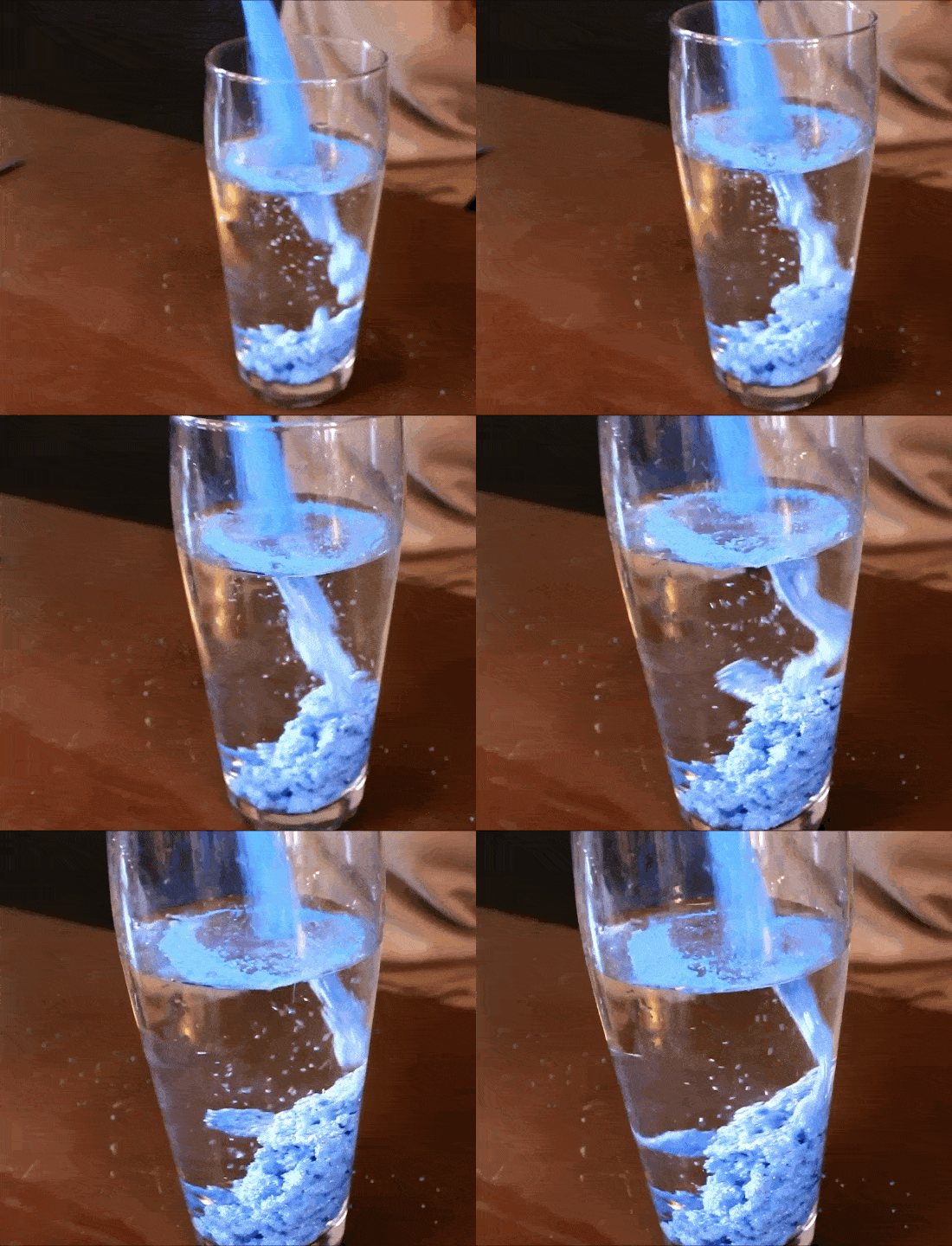
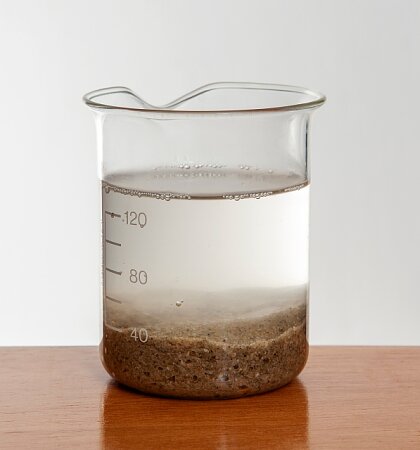
- A suspension is when big particles or chunks of something float in a liquid, like the mustard in a mac salad.
- A solution is when very small particles are mixed with a liquid.
- Colloids are when you take 2 materials that do not dissolve and you make the particles so small that they cannot separate.
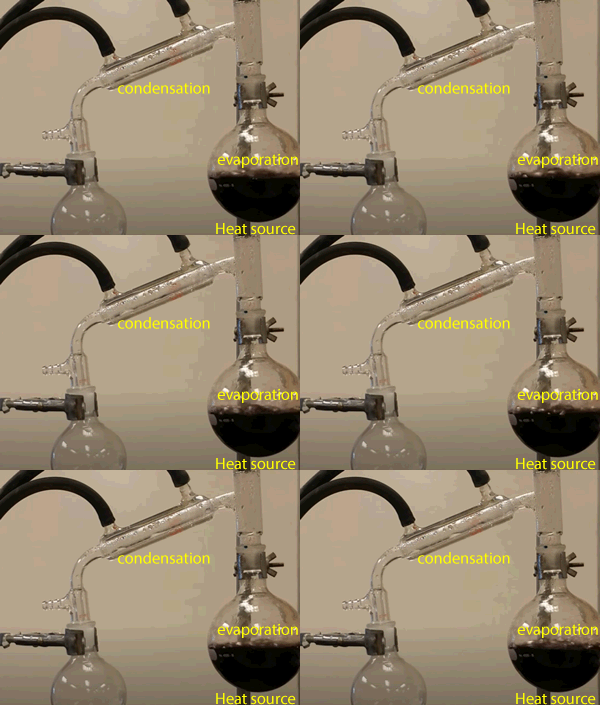
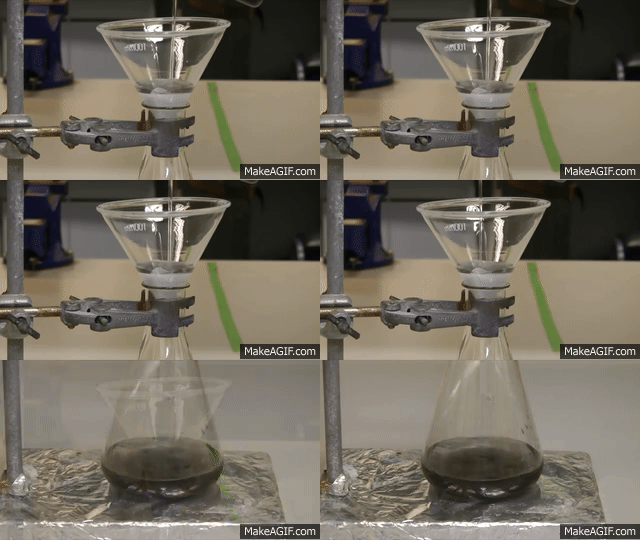
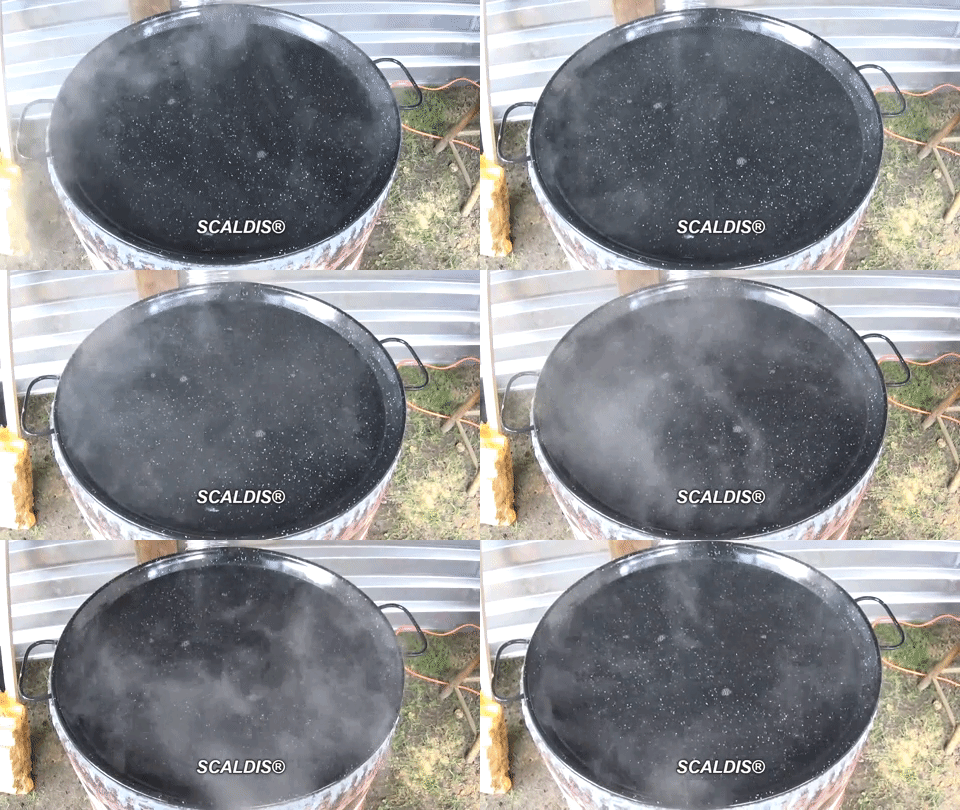
Mixtures can be separated by physical and chemical properties. In distillation, a mixture is heated and the temperature is monitored. As a substance reaches its boiling point, it will evaporate and turn into steam. This steam will enter a condenser that cools the steam, which then liquifies and falls into a receiving flask. At the end, the original flask will have one substance that has a higher boiling point and did not evaporate (called the residue) and the receiving flask will have a different substances with a lower boiling point that evaporated (the distillate). This process is used to separate petroleum (oil) into its valuable components like propane, diesel fuel, waxes and lubricants.
10
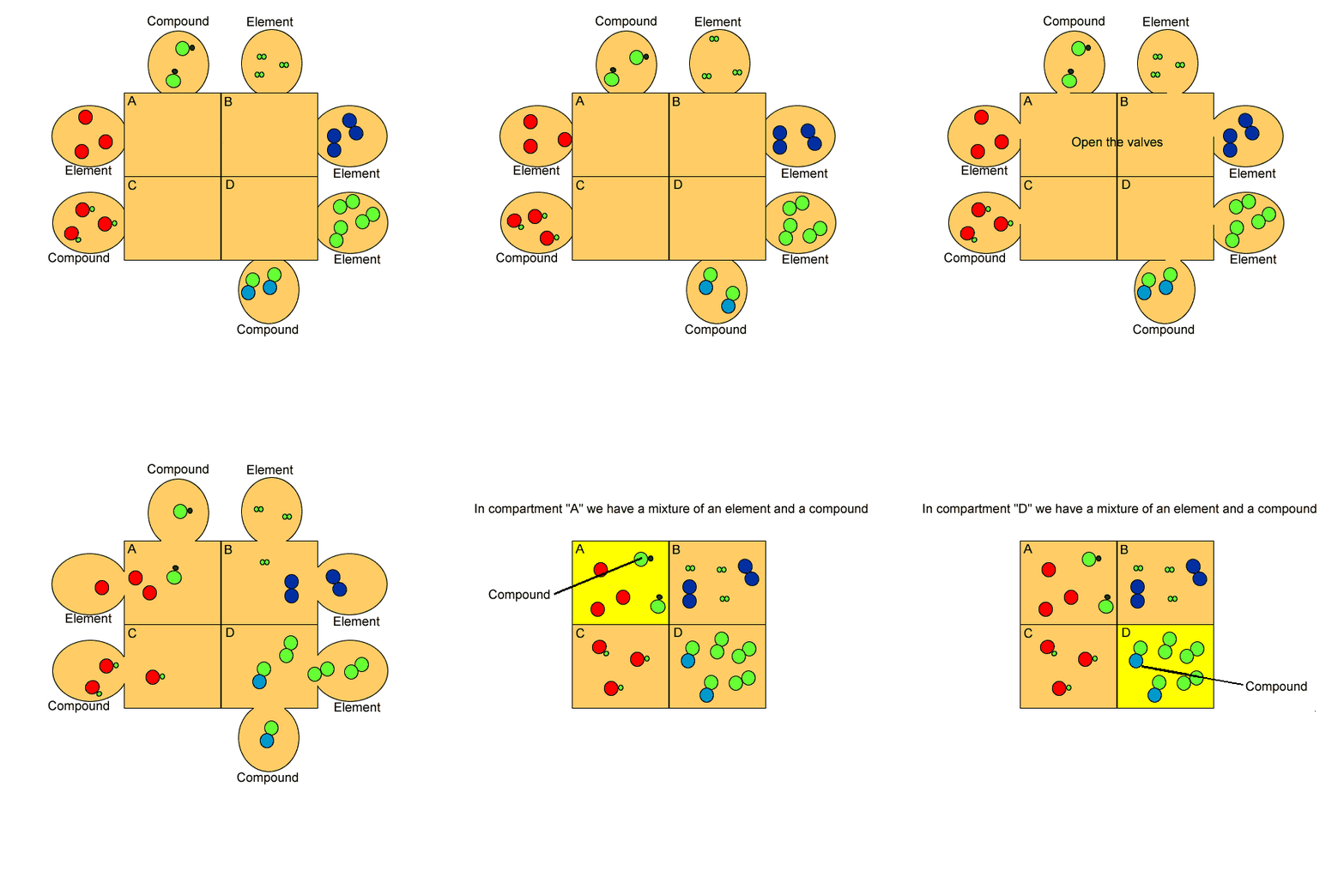
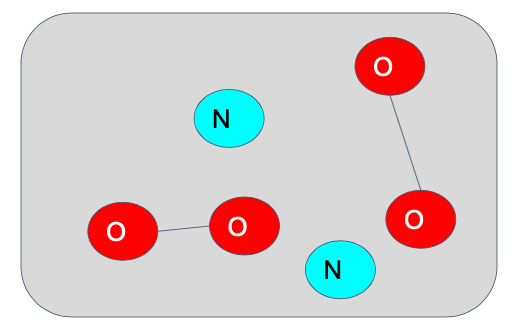
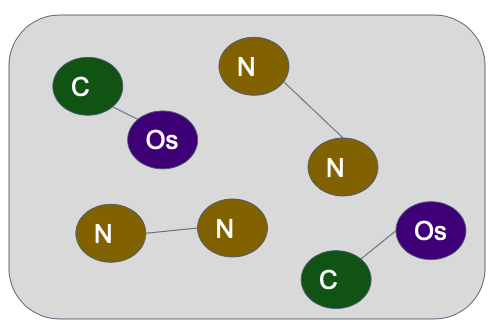
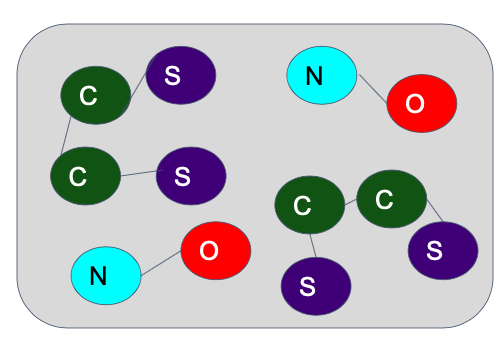
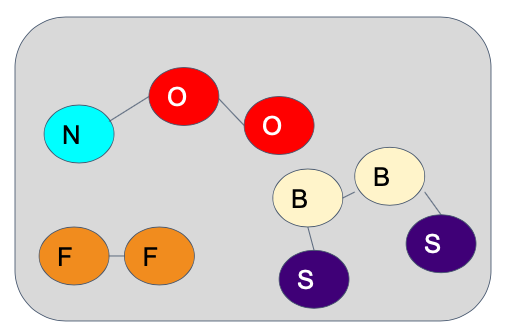
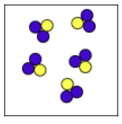
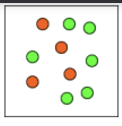
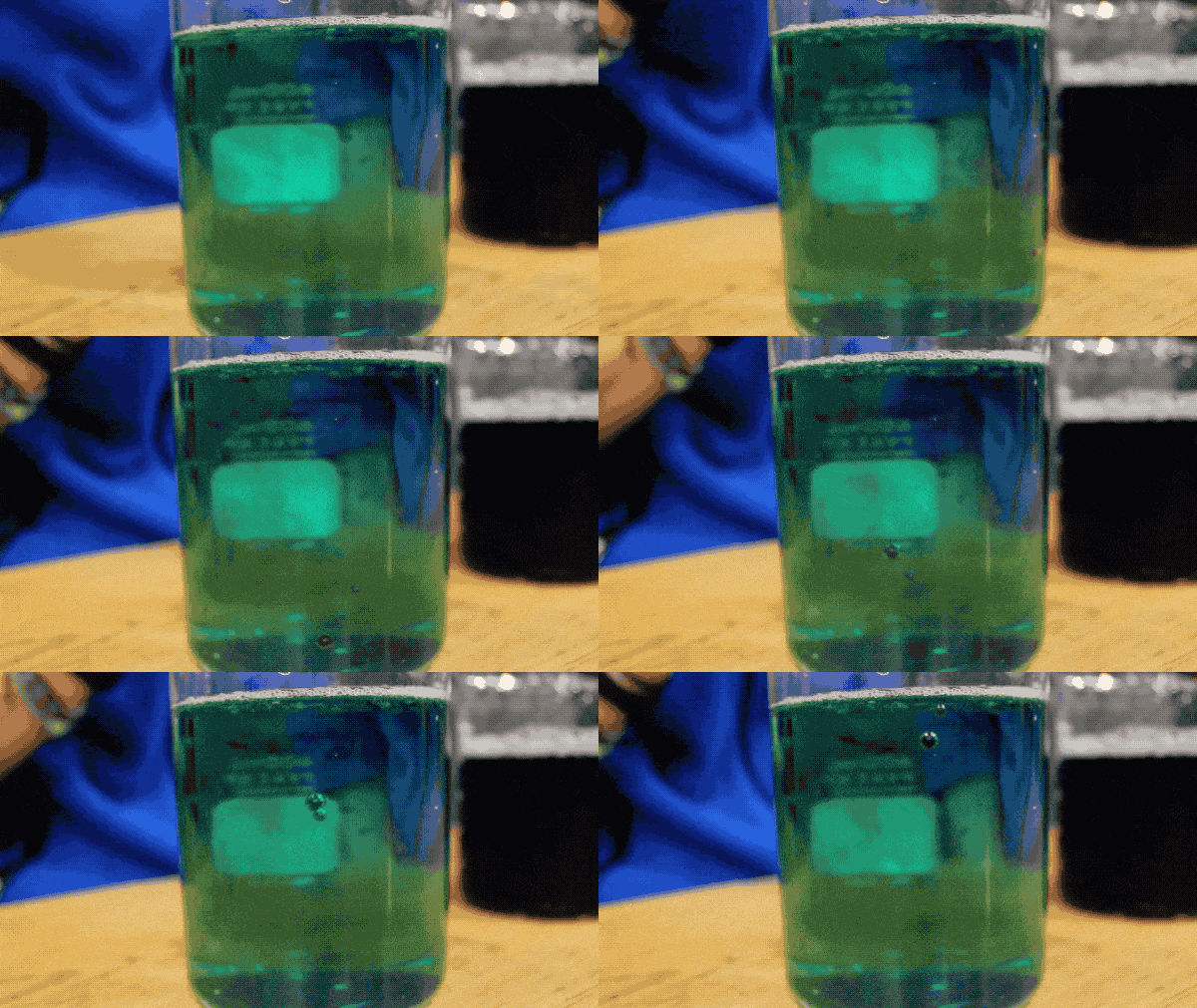
The diagram below is...__________
Below is...__________
Below is... __________
Below is.. __________
Below is..__________
Below is...__________
1
Create a model of...
- A mixture of Compounds
- A mixture of Elements
- A mixture of Elements and Compounds
Use atoms from the periodic table to contrive your models
Create a model of...
- A mixture of Compounds
- A mixture of Elements
- A mixture of Elements and Compounds
Use atoms from the periodic table to contrive your models
1
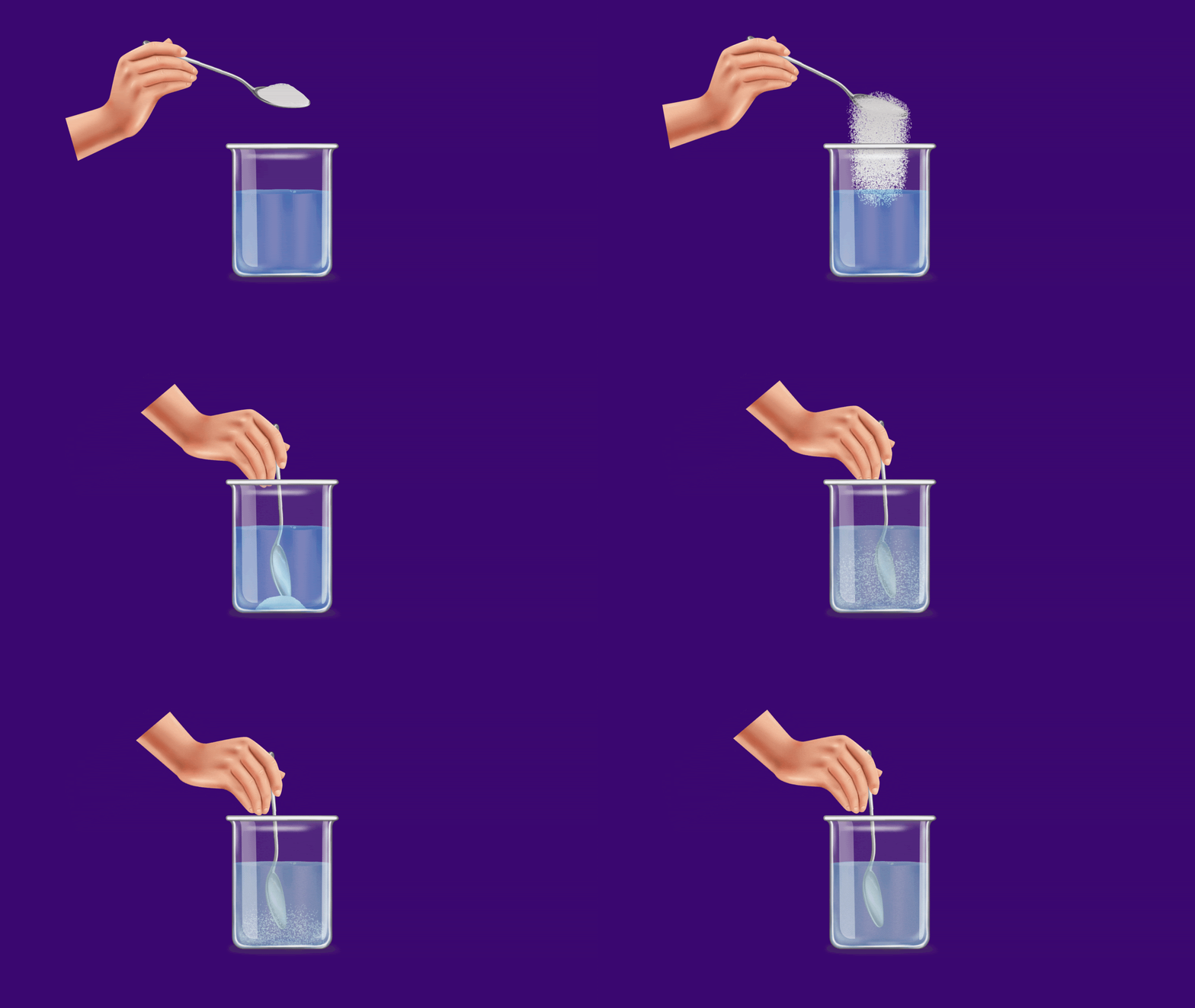
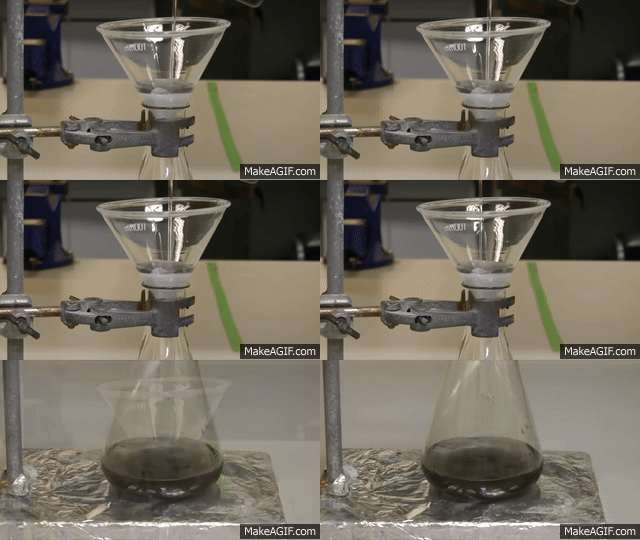
Match the scenario to the technique that can separate it
| Draggable item | arrow_right_alt | Corresponding Item |
|---|---|---|
Ms. Maddy has a mixture of two liquids that have separate boiling points. | arrow_right_alt | Filter the mixture in a filter paper to collect the solid residue in the paper and the liquid filtrate in the flask |
Mr. Guesno wants to separate a heterogenous mixture of sand and water. | arrow_right_alt | Use distillation to separate the mixture by vaporizing one, while keeping the other in the flask. The vaporized one will condense in a condenser and become a separated liquid. |
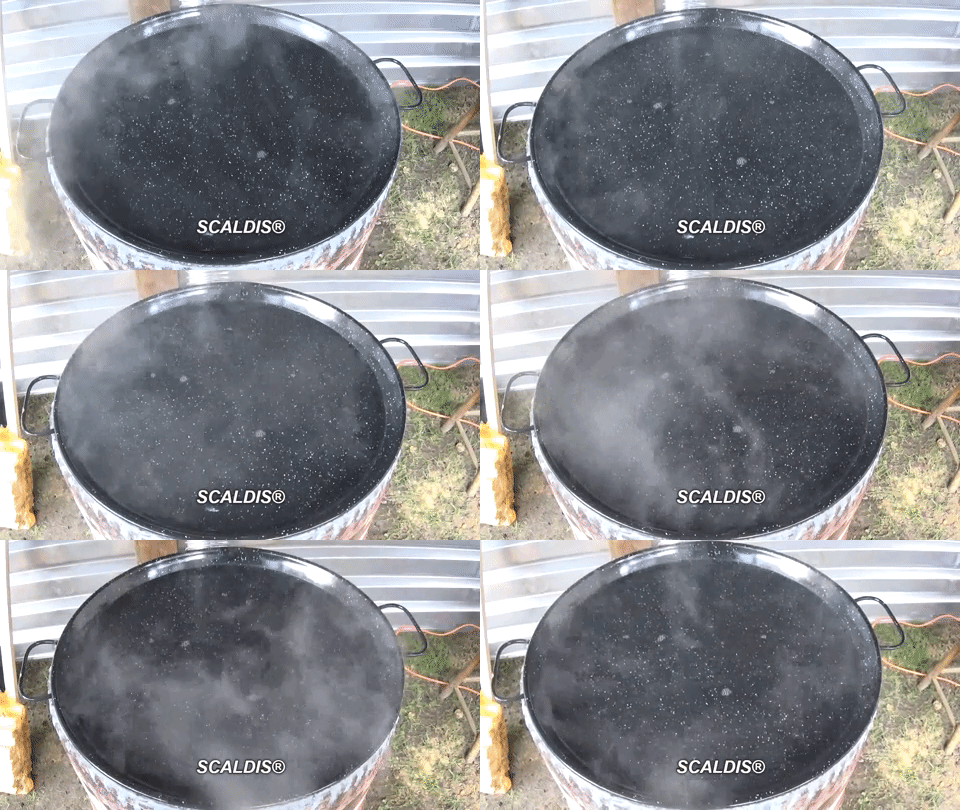
Ms. Phoebe has a mixture of salt, sand, and water. | arrow_right_alt | Use evaporation, allowing the liquid to vaporize into a gas and the solid to stay |
Mrs. Bello has a homogenous mixture of salt and water. | arrow_right_alt | First filter one substance out using a filter paper. Then with the remaining mixture, which is now liquid and a dissolved solute, evaporate the liquid. You should have crystals of solute remaining. |