LR247.2.2-3: Rock Rules, Processes, and Engineering
star
star
star
star
star
Last updated about 1 year ago
11 questions
Throughout Earth’s 4.6 billion-year history, the surface of the Earth and its organisms have changed drastically. Early geologists explained these changes with the theory of catastrophism, which states that Earth has been shaped by sudden, violent events known as catastrophes. These events include volcanoes, floods, earthquakes, and asteroid impacts.
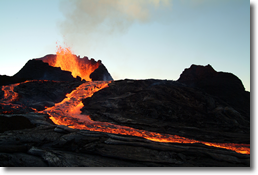
Scientists once believed that all change on Earth was caused by catastrophes, such as volcanic eruptions.
As geologists learned more about the history of the Earth, they began to challenge the idea of catastrophism. They developed an opposing theory called uniformitarianism. Uniformitarianism is a principle that states that the slow, gradual changes that shape the Earth today also shaped the Earth in the past. For example, the weathering and erosion that shape rock formations today also occurred in Earth’s past. While these changes are so slow that they may go unnoticed by humans, they can lead to drastic changes over long periods of time.
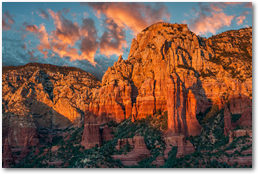
These rock formations have slowly changed shape over time due to weathering and erosion. These processes often go unnoticed because they happen very slowly.
Today, geologists believe that both uniformitarianism and catastrophism play a role in geologic change. While most geologic change is gradual and uniform, catastrophes do cause some geologic changes. For example, volcanic eruptions, asteroid impacts, earthquakes, and landslides can cause sudden changes to Earth’s surface.

Required
1 point
1
Question 1
1.
The principle of catastrophism states that change to the Earth’s surface occurs
__________.
The principle of uniformitarianism states that change to the Earth’s surface occurs
__________.
Required
1 point
1
Question 2
2.
The gradual formation of a river delta __________
A sudden, destructive earthquake __________
An asteroid impact __________
The formation of mountains over millions of years __________
Required
1 point
1
Question 3
3.
A scientist is explaining the changes to the landscape pictured above from the perspective of uniformitarianism. Which of the following statements would the scientist make about the landscape? (choose 2)
Required
1 point
1
Question 4
4.
What is catastrophism?
Required
1 point
1
Question 5
5.
What is uniformitarianism?
Required
1 point
1
Question 6
6.
True or False: Scientists use both catastrophism and uniformitarianism to explain geologic changes to the Earth.
Required
1 point
1
Question 7
7.
Modern geologists believe that __________ lead to geologic change.
Check for Understand:
1. Catastrophism is a principle that states that Earth has been shaped by sudden, violent events.
2. Uniformitarianism is a principle that states that the slow, gradual changes that shape the Earth today also shaped the Earth in the past.
3. Modern geologists believe that both catastrophism and uniformitarianism play a role in geologic change.
Rock Rules:
Superposition
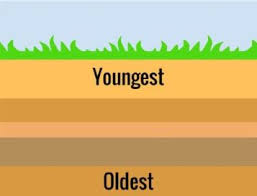
Sedimentary rocks are formed with the oldest layers on the bottom and the youngest on top. The rocks that are deposited first will be located at the bottom of the layers.
Original Horizontality
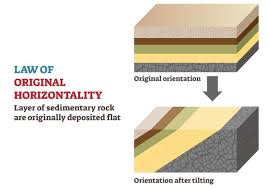
Sediments are deposited horizontally, so sedimentary rock layers are originally horizontal. For example, some volcanic sediment, such as ash, fall and cover the ground horizontally.
Unconformities
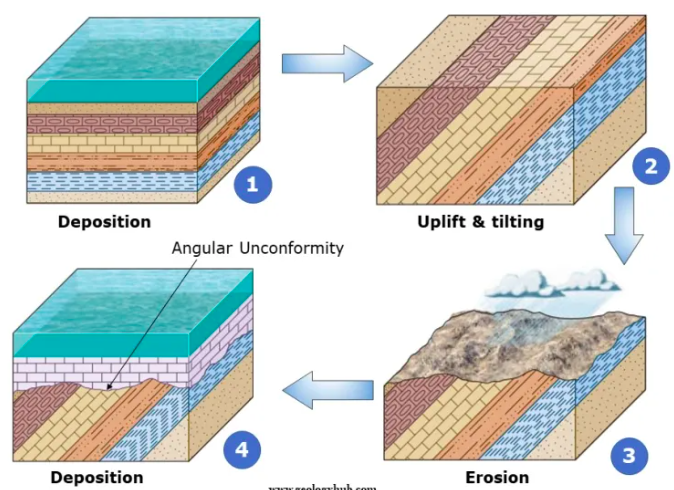
Sedimentary rock layers that are not horizontal are deformed and indicate something unusual happened.
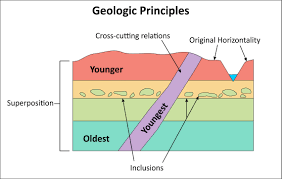
Using the three principles of rock rules, geologists can put layers in order from youngest to oldest. In the above picture we start by using the principle of superposition to understand that the blue layer is the oldest since it is on the bottom, followed by the green layer, yellow layer, then the red layer. The purple layer is over top of all the others, so we know that it is the very youngest, because it was deposited after the others were already there.
Required
1 point
1
Question 8
8.
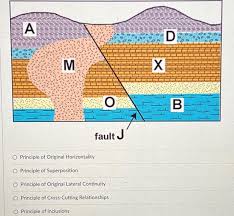
Use the 3 rock rules to put the letters in order from oldest to youngest.
Required
1 point
1
Question 9
9.
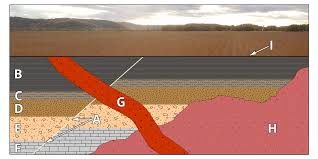
Use the 3 rock rules to put the letters in order from oldest to youngest.
Natural disasters occur all over the world. Some locations have earthquakes while other locations may have flooding. Engineers have techniques that will help buildings to withstand the natural disasters that may affect them do to their locations. For example, San Fransisco is prone to earthquakes, so buildings like the Transamerica Pyramid incorporate features like reinforced concrete, steel frames, tuned mass dampers, and deep foundation piles to resist seismic activity.
Building for Earthquakes:
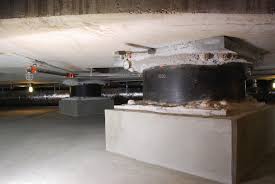
Base Isolation System:
The bearings are placed between the building's foundation and the structure above. When an earthquake occurs, the bearings move and stretch, absorbing the impact and reducing shaking and swaying.
Tuned Mass Damper:
Tuned mass dampers stabilize against violent motion caused by harmonic vibration. They use a comparatively lightweight component to reduce the vibration of a system so that its worst-case vibrations are less intense.
Building for Floods:
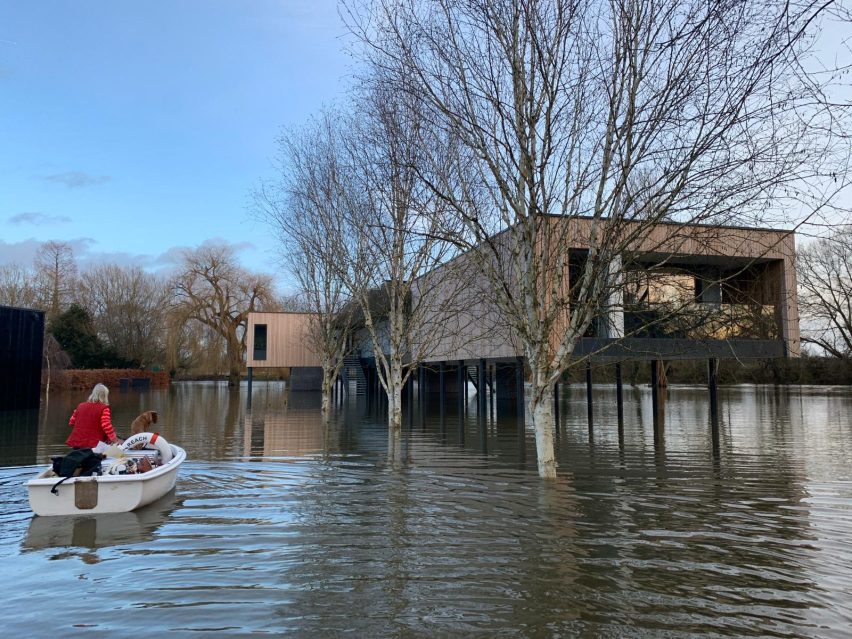
Stilts:
When you build a house or building so it is elevated above the base flood zone.
Building for Landslides:
Retaining Walls:
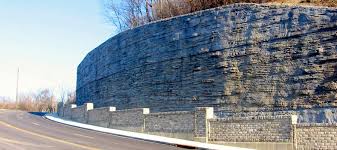
Retaining walls are designed to restrain dirt and stabilize a hill.
Required
1 point
1
Question 10
10.
True or false: A building that is structurally secure in one area, will be structurally secure in all areas.