Answer each of the following questions to the best of your knowledge. You may not use notes or help each other during the test. You have both 8th and 9th periods to work on this.
Topics:
Streams and Drainage Patterns
Oceans and Shorelines
Glaciers and Glaciations
Streams and Drainage Patterns
1 point
1
Question 1
1.
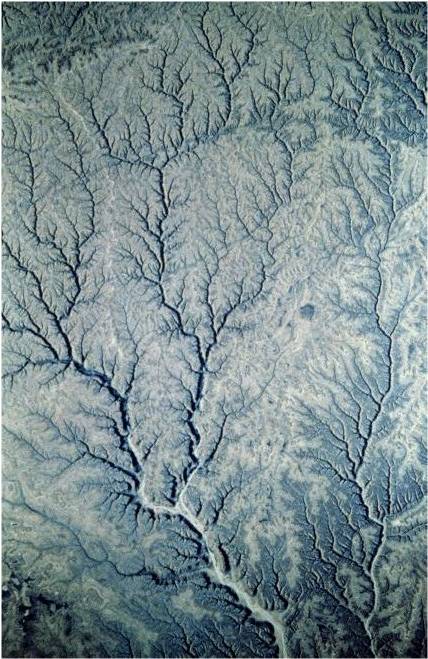
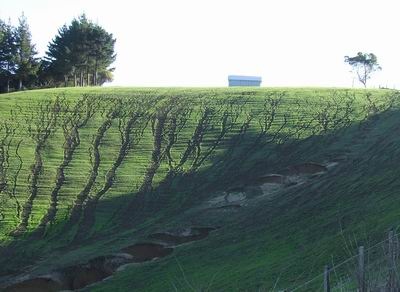
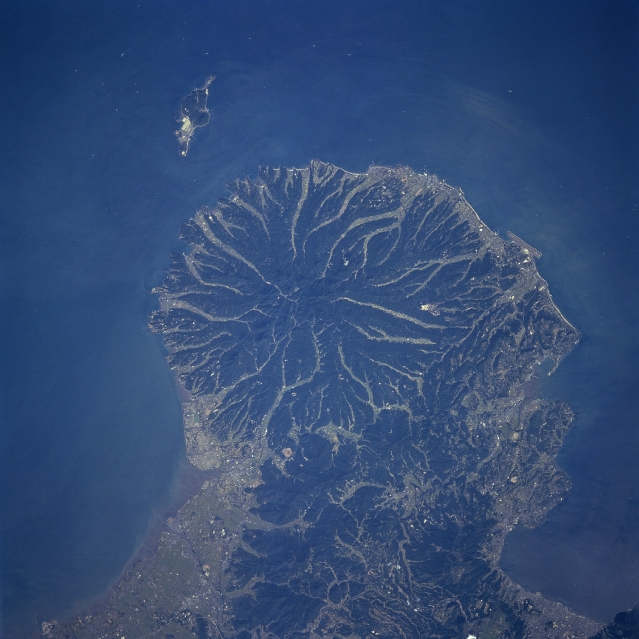
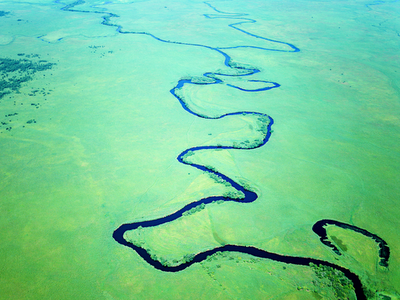
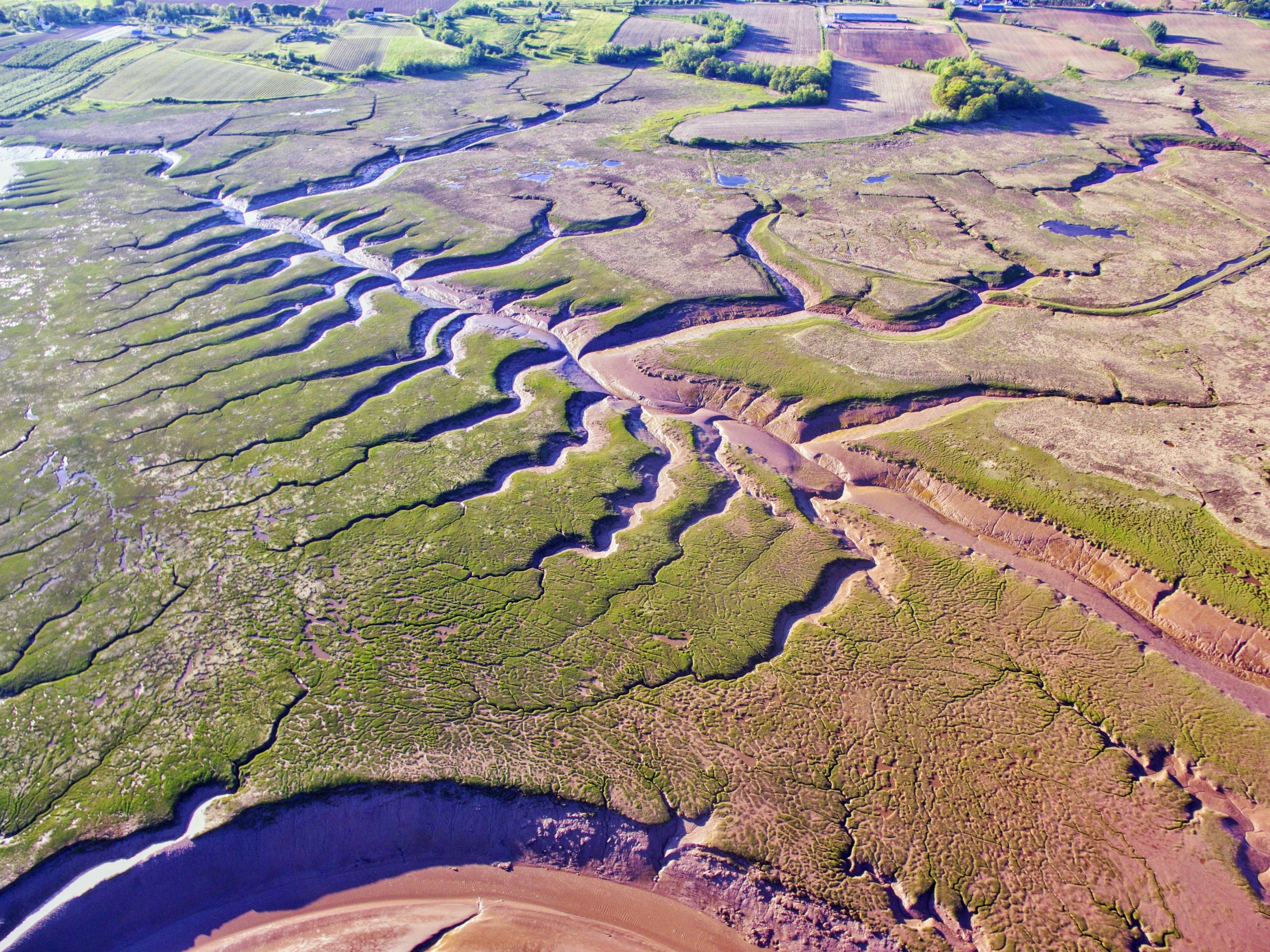
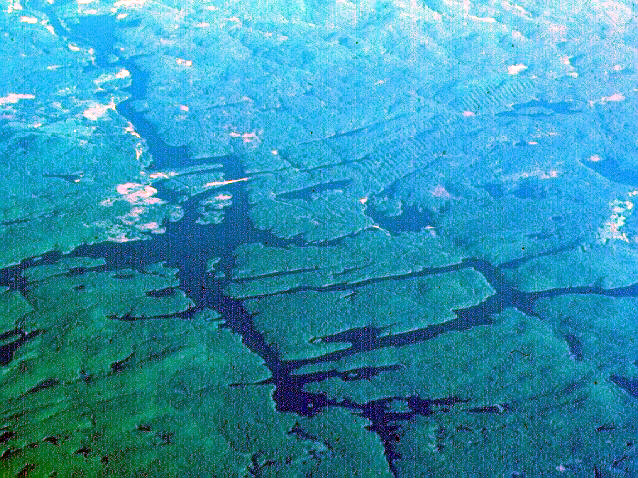
Match each picture with the type of drainage pattern it depicts
Draggable item
arrow_right_alt
Corresponding Item
arrow_right_alt
Radial
arrow_right_alt
Dendritic
arrow_right_alt
Trellis
arrow_right_alt
Parallel
arrow_right_alt
Rectangular
arrow_right_alt
Meandering
1 point
1
Question 2
2.
Sort processes into one of the 3 types of stream transport
ions in solution
sand grains that are picked up by the current when it is strong and settles out when it is weaker.
loose materials are removed from the bed and carried by the fluid
pebbles roll along the bottom of a river
coarse grains are pushed by the current
bed load
saltation
dissolved load
1 point
1
Question 3
3.
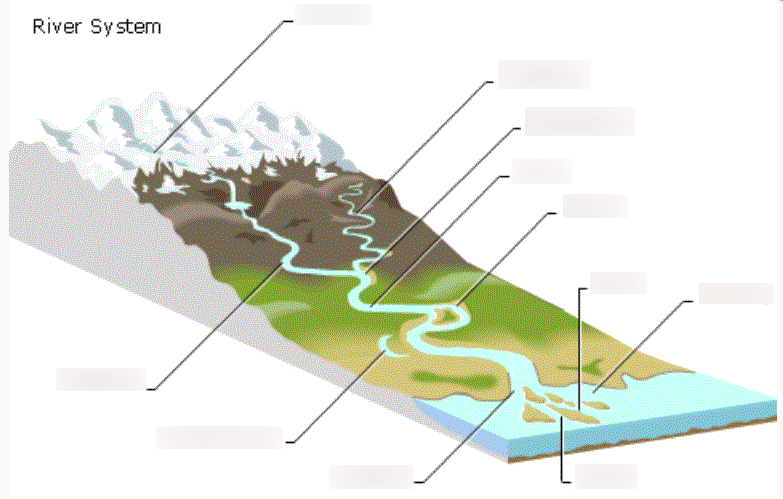
Label the parts of a stream
Other Answer Choices:
source
oxbow lake
channel
delta
confluence
levee
mouth
river
meander
tributary
estuary
1 point
1
Question 4
4.
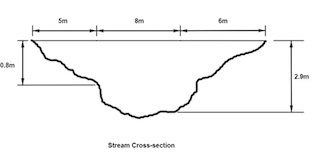
Identify what part of the stream has the strongest flow. 2 correct answers.
1 point
1
Question 5
5.
In 3 or 4 complete sentences, explain how a meandering stream can change or evolve over time. What are the names of the features that may evolve?
Oceans and Shorelines
1 point
1
Question 6
6.
In 3-4 sentences, explain the Coriolis effect AND its relationship to gyres.
1 point
1
Question 7
7.
Deep water masses form as a result of dense water sinking to the bottom of the ocean. The deepest water masses form in which of the following locations? 2 answers
1 point
1
Question 8
8.
How old is the ocean? The Thermohaline Circulation pattern of the Earth's oceans allows all the water in the oceans to mix. Because it is driven solely by density, it moves rather slowly, at about 1 cm per second on average, and must travel ~31,500 km to make a complete loop. Using this information, how long does it take for the oceans to become completely mixed?
HINT: watch out for units that need to be converted!
1 point
1
Question 9
9.
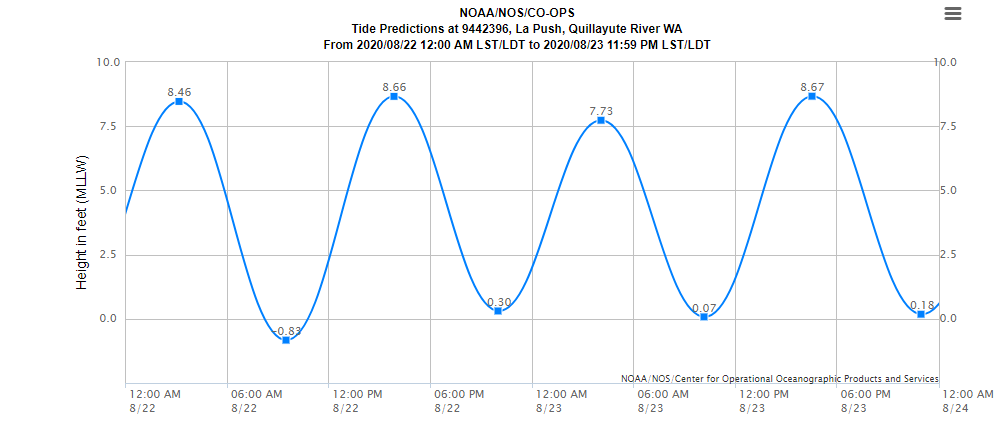
Below is shown a tidal chart for the Seattle Harbor. About how much does sea level rise due to tides in this region?
1 point
1
Question 10
10.
Does temperature or salinity have a stronger effect on the density of water?
Thermohaline Circulation allows for the flow of __________ water masses to flow through the oceans and is driven by __________, which in turn is controlled by __________ and __________. The strongest of these effects is __________.
1 point
1
Question 11
11.
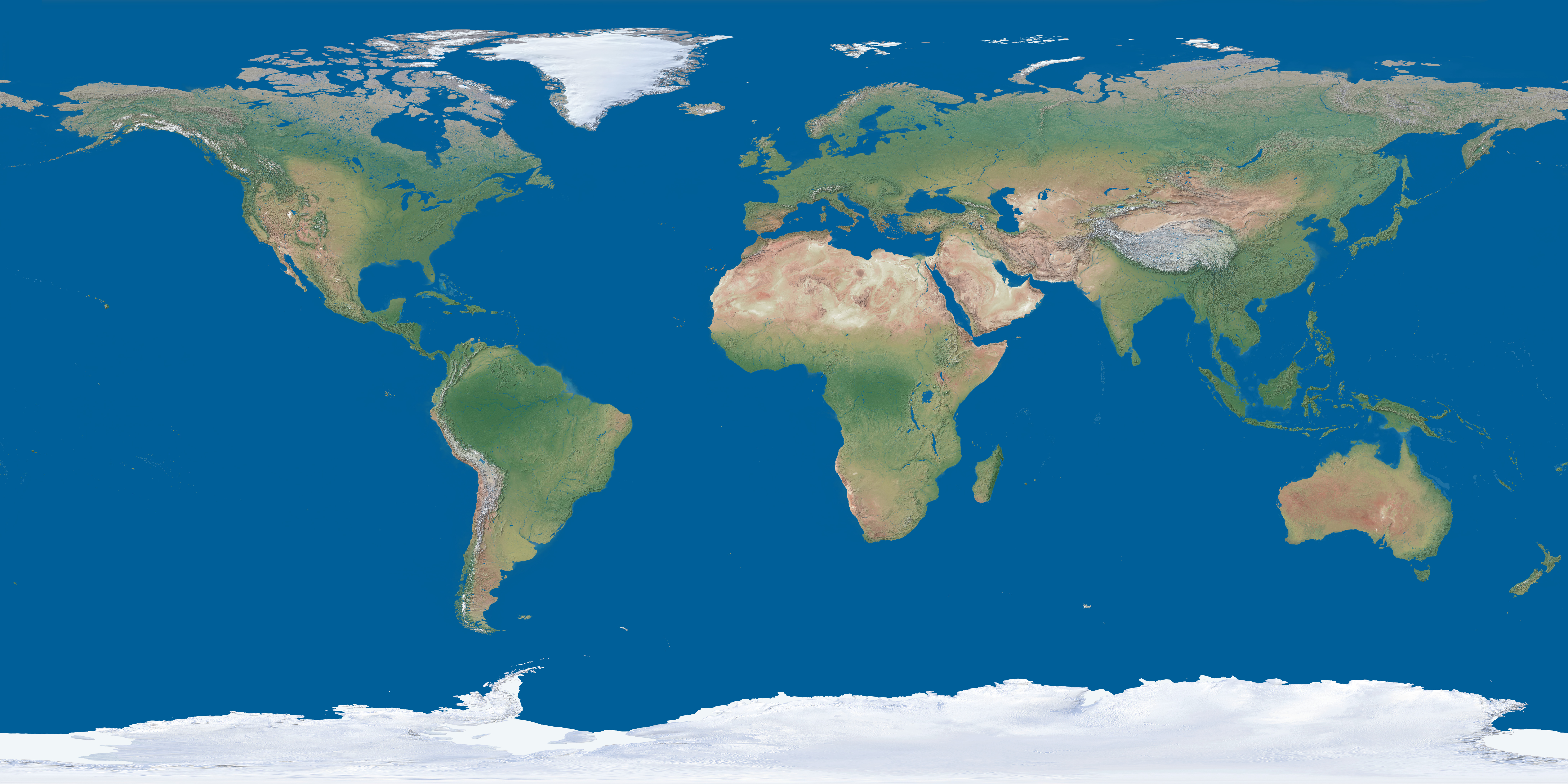
Identify all the locations on the map below that contain gyres.
1 point
1
Question 12
12.
Surface currents are controlled by _______ and shows the movement of ocean water at _______. Thermohaline Circulation is controlled by _______ and shows how water masses move at_______
1 point
1
Question 13
13.
Explain in 2-3 complete sentences why Hurricanes move clockwise and Cyclones move counterclockwise. What force is responsible for this movement?
1 point
1
Question 14
14.
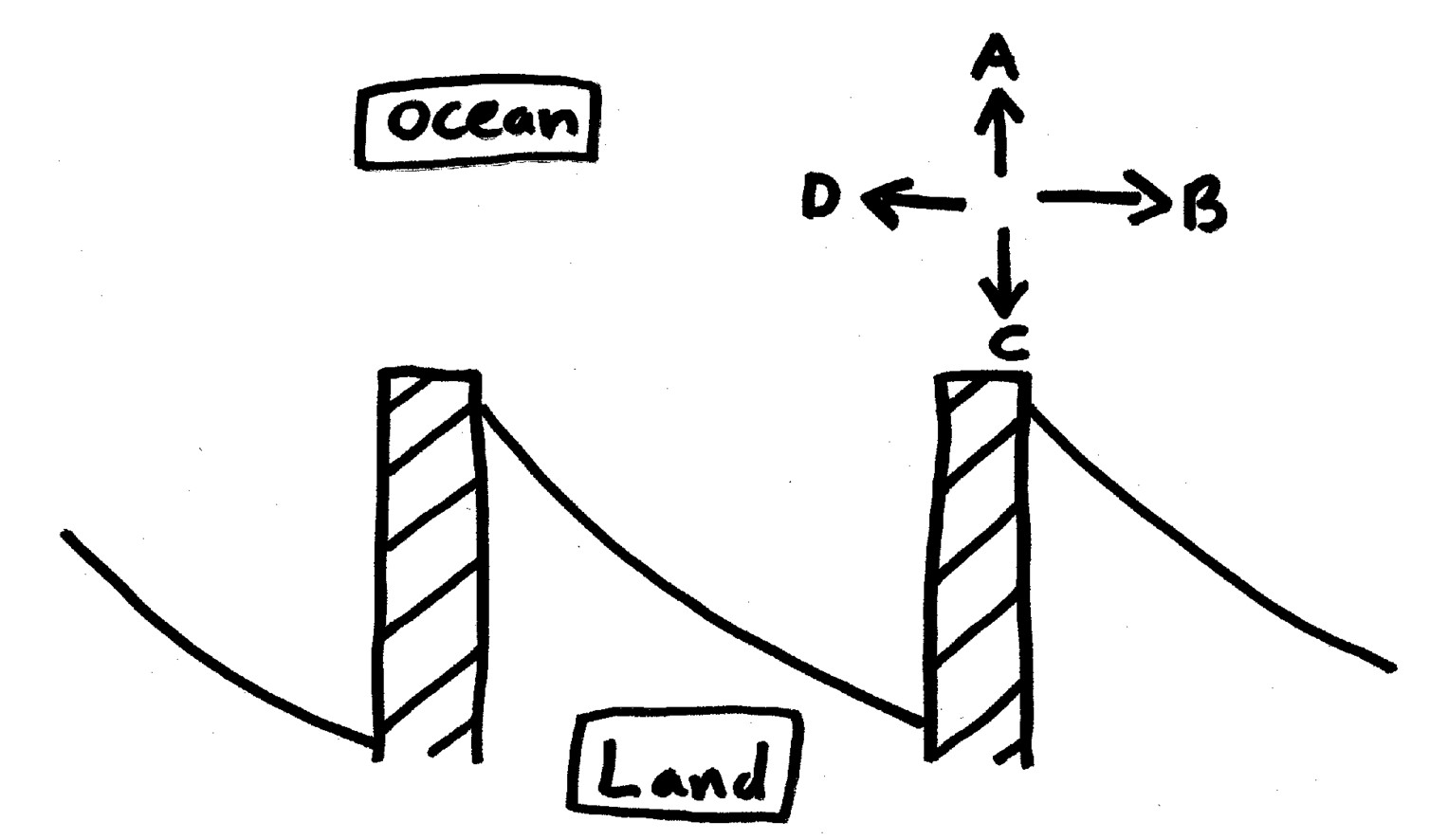
Based on the aerial view of the coastal structures below, determine the direction of longshore drift: (NOTE: the shoreline was originally a straight shoreline.)
Glaciers and Glaciations
1 point
1
Question 15
15.
Reorder steps to show the process of glacial ice formation from first (at the top) to last (at the bottom)
snow
firn
glacial ice
granular ice
1 point
1
Question 16
16.
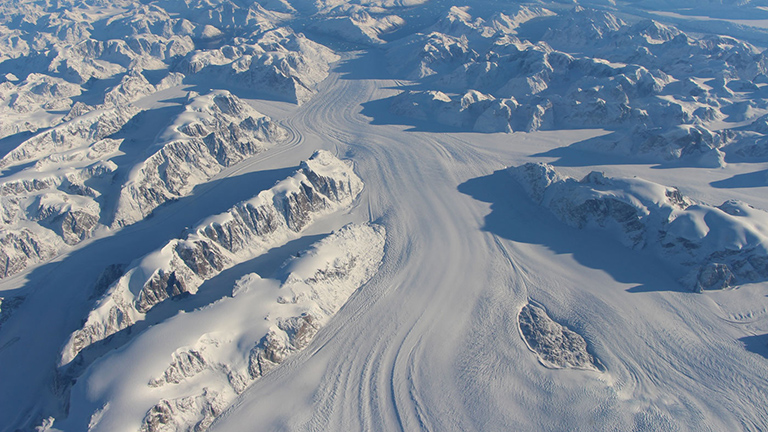
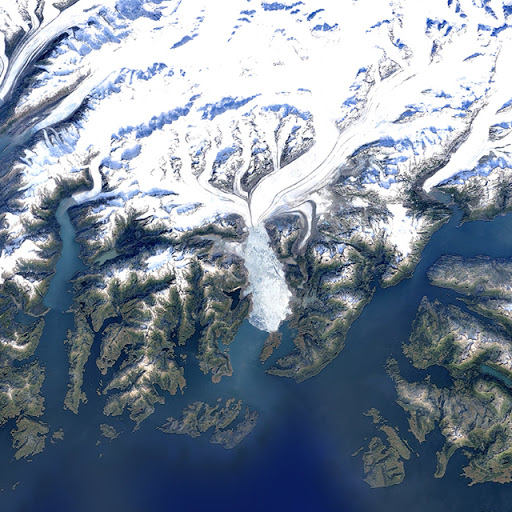
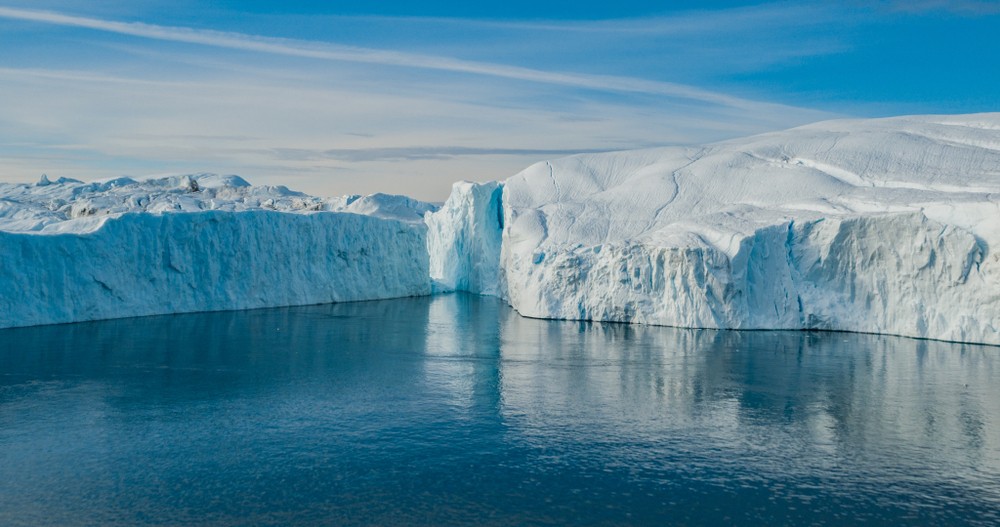
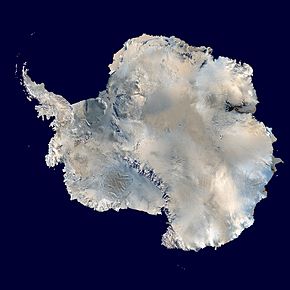
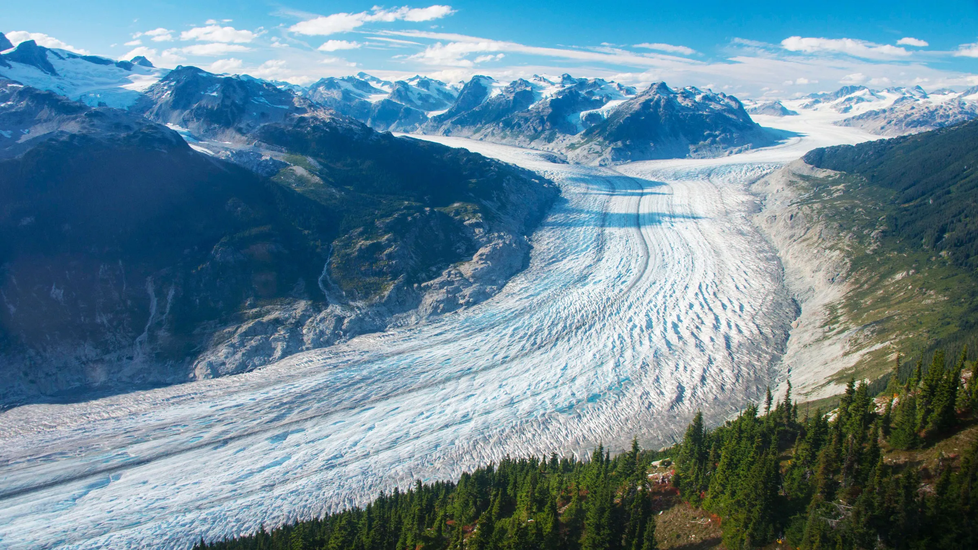
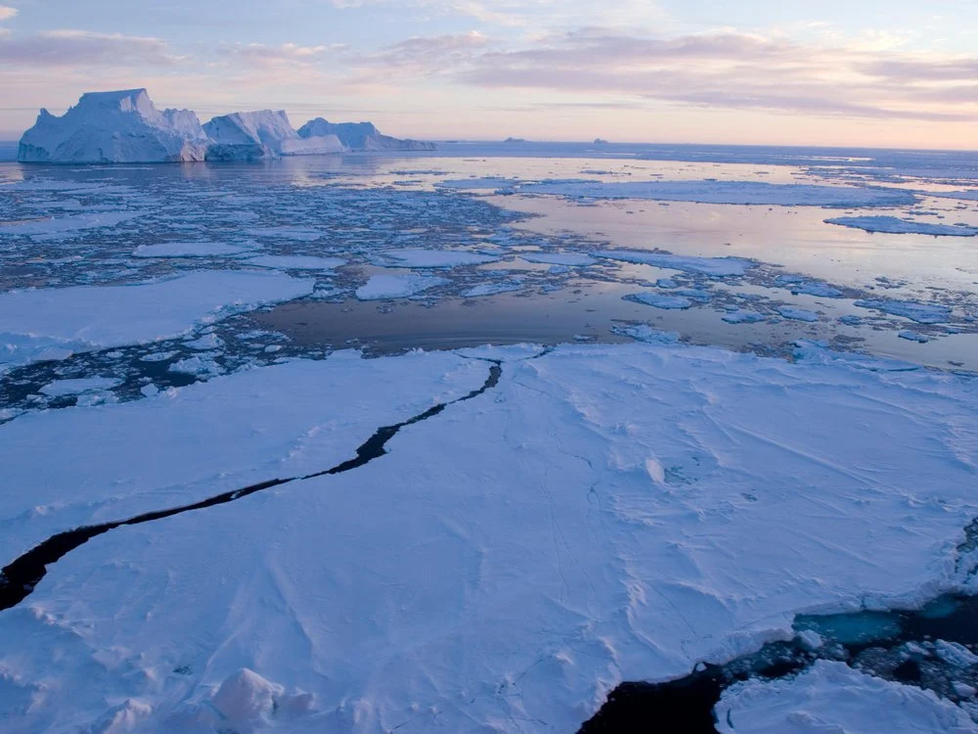
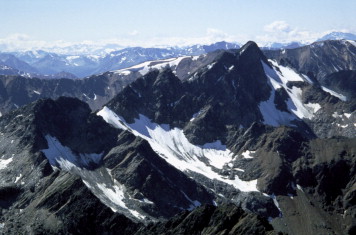
Sort the following pictures as either mountain or continental glaciers.
Mountain glacier
Continental glacier
1 point
1
Question 17
17.
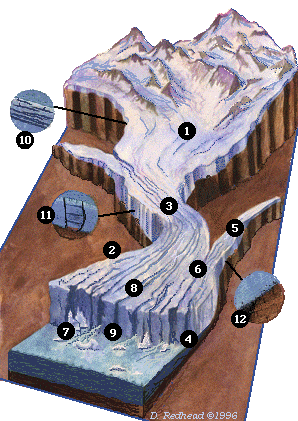
Match each of the different zones of the glacier pictured below with its correct label
Draggable item
arrow_right_alt
Corresponding Item
4
arrow_right_alt
accumulation zone
5
arrow_right_alt
ablation zone
7
arrow_right_alt
equilibrium line
8
arrow_right_alt
terminal moraine
2
arrow_right_alt
tributary
1
arrow_right_alt
medial moraine
10
arrow_right_alt
calving
9
arrow_right_alt
terminus
11
arrow_right_alt
meltwater
6
arrow_right_alt
ice lenses
12
arrow_right_alt
ice flow
3
arrow_right_alt
glacier bed
1 point
1
Question 18
18.
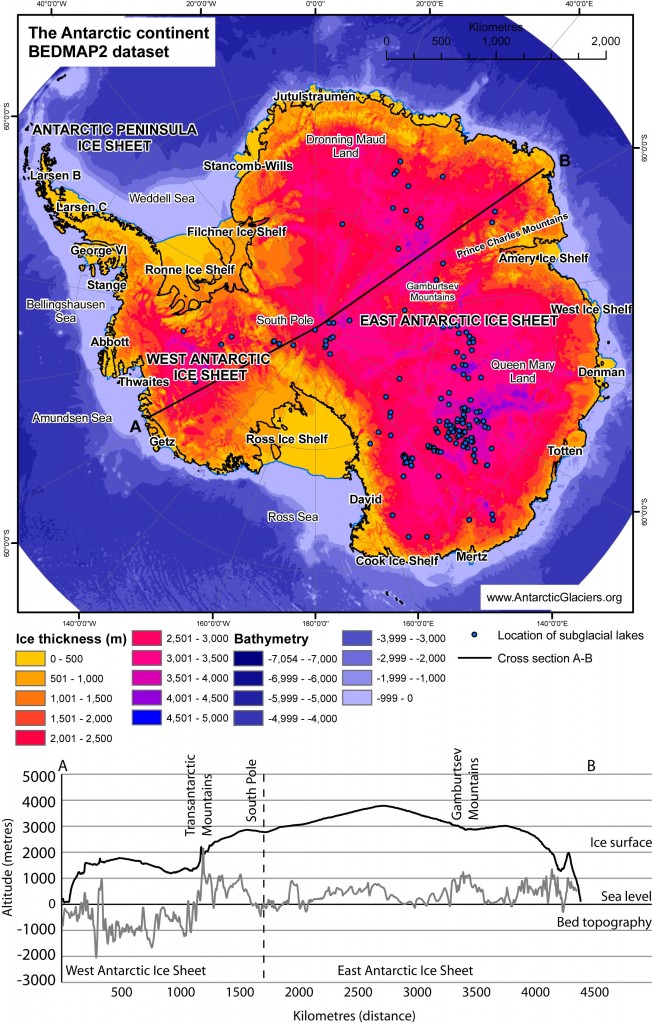
The East and West Antarctic ice sheets are separated by the TransAntarctic Mountains. Although they share a continent, they are wildly different in their stability. The map and graphs below show how ice thickness across the Antarctic continent is variable, with thin ice over the mountains and thick ice over East Antarctica.
Using this image and your knowledge of glaciers, explain at least 2 reasons why ice thickness plays a role in the stability of the ice sheets.
1 point
1
Question 19
19.
Describe the types of glacial erosion and how they occur.
1 point
1
Question 20
20.
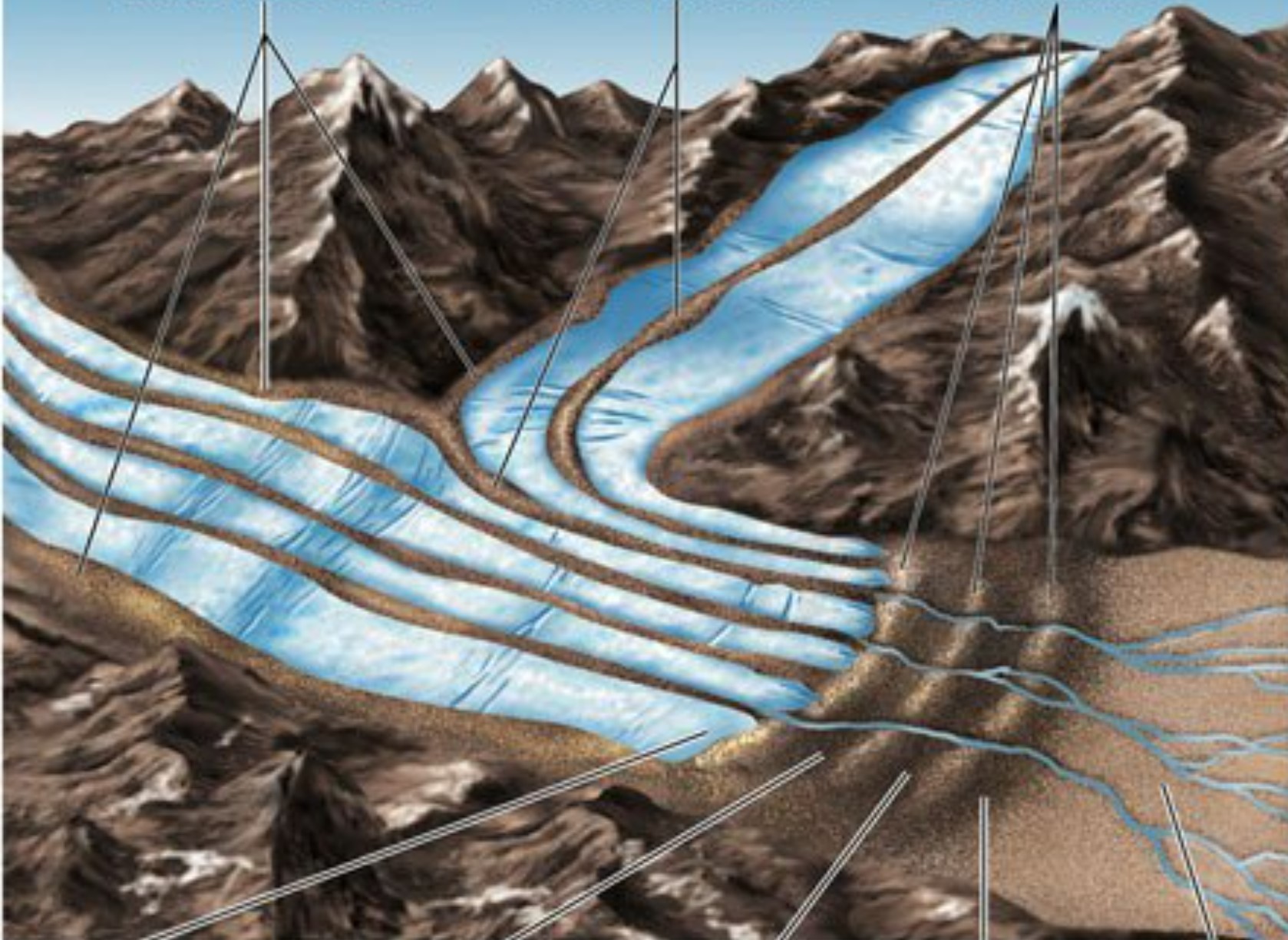
Label the types of moraines on the picture below
Other Answer Choices:
medial moraine
outwash
end moraines
terminus of glacier
lateral moraine
terminal moraine
recessional moraine
ground moraine
1 point
1
Question 21
21.
Glaciers carry a variety of sediments and grains in the ice due to erosion occurring as the glacier flows. Once the glacier melts away, which of the following is the type of sediment that forms from the varied grains collected by the glacier through its journey?
1 point
1
Question 22
22.
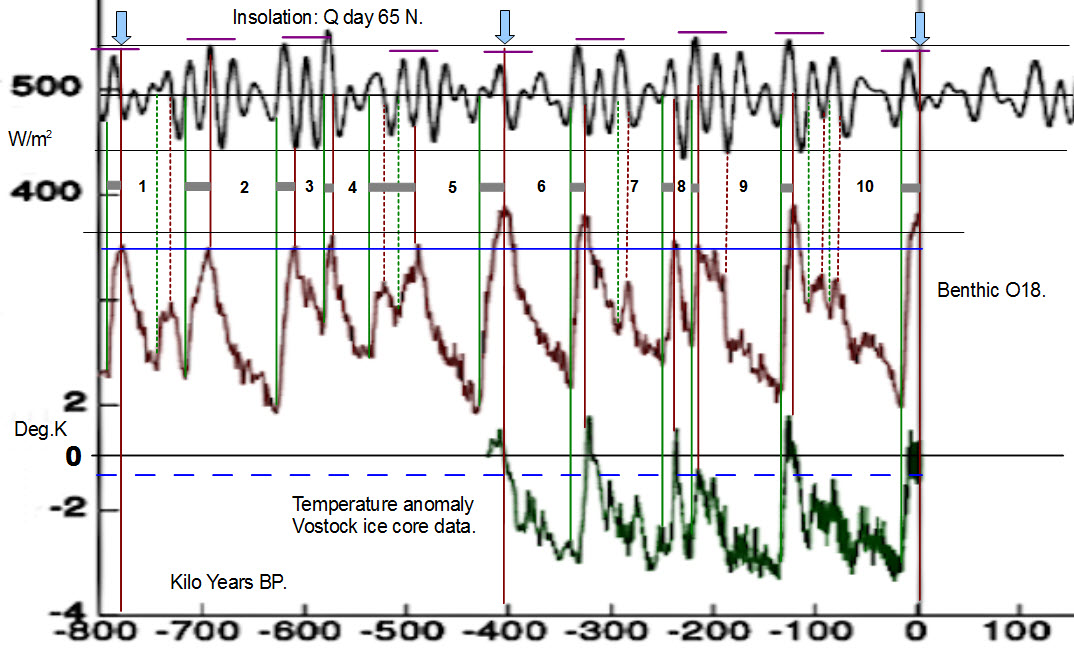
The graph below shows the cumulative Milankovitch Cycles on the top line, benthic d18O values in the middle line and ice core records from the Vostok ice core in the bottom line.
Summarize the importance of what this graph depicts.