Log in
Sign up for FREE
arrow_back
Library

The Louisiana Purchase

star
star
star
star
star
Last updated 11 days ago
11 questions
Thomas Jefferson Purchases Louisiana
Required
1
Required
1
Required
1
Required
1
Reading Comprehension
Required
1
Geography Challenge
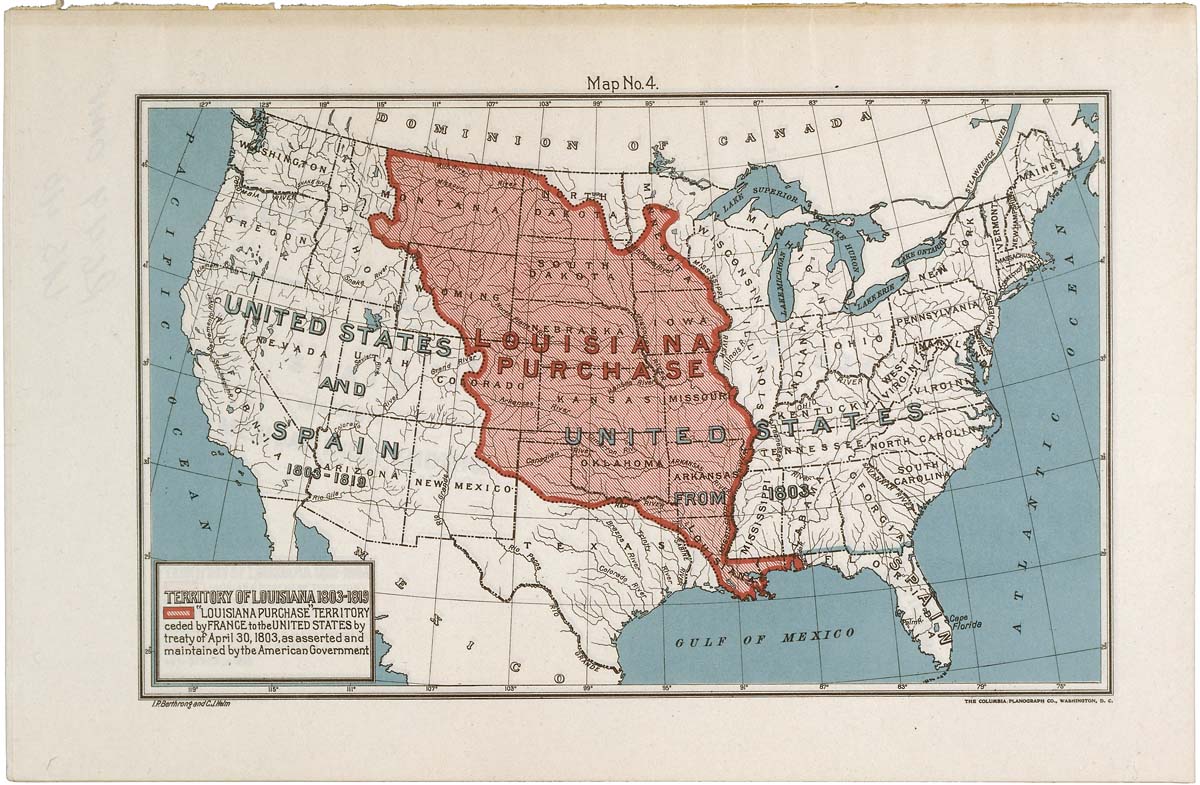
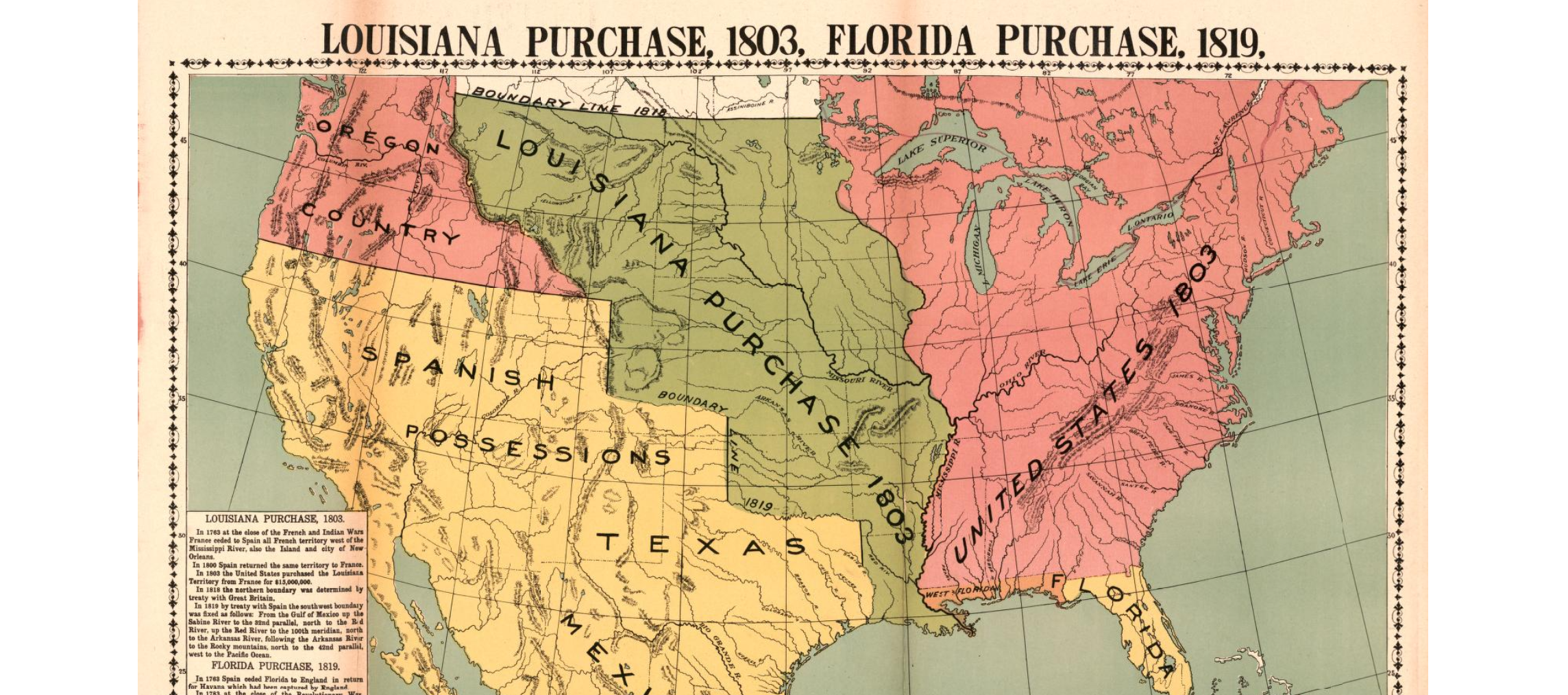
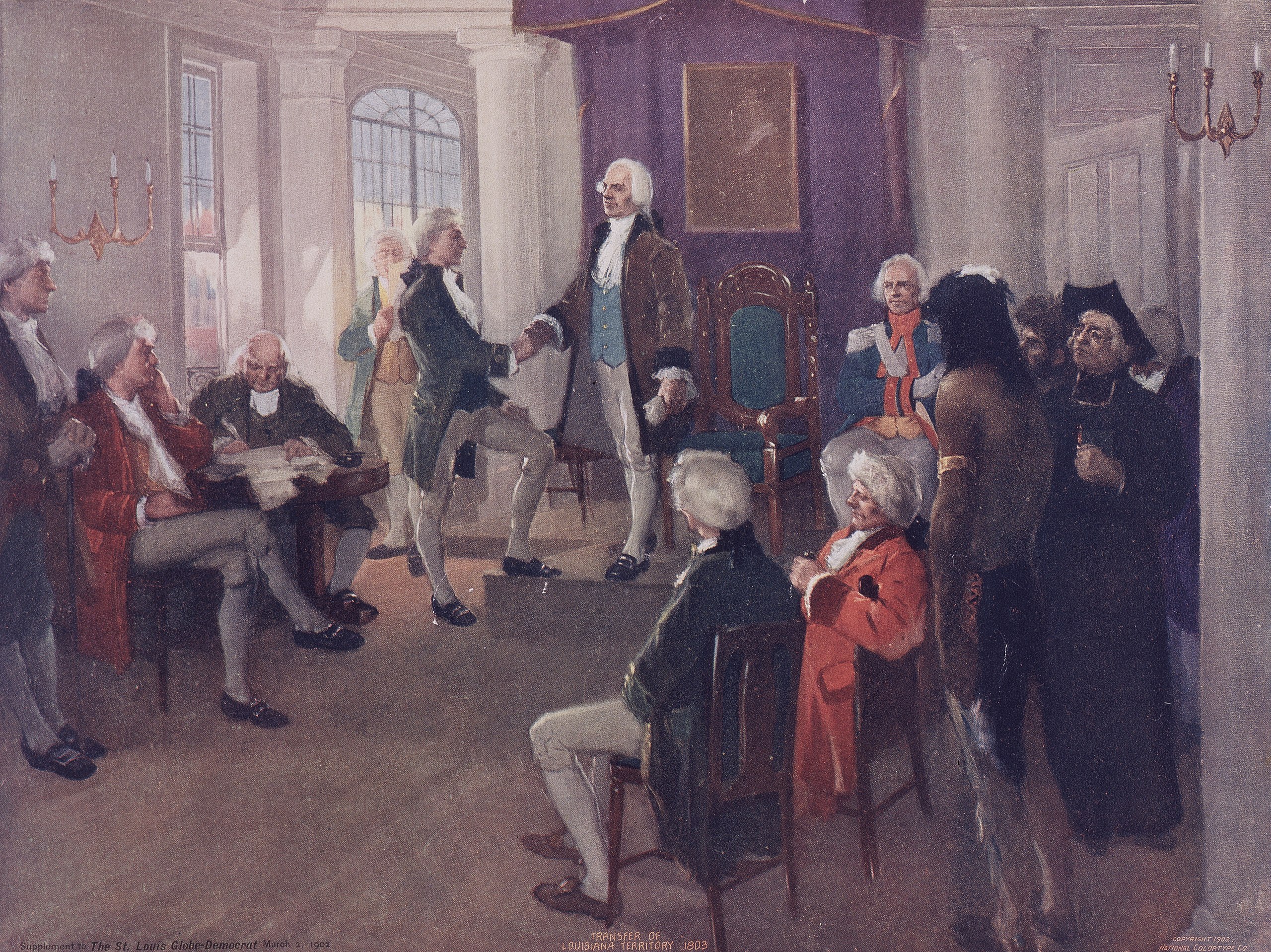
In 1803, the United States made a monumental land deal with France known as the Louisiana Purchase. For $15 million, the U.S. acquired approximately 828,000 square miles of territory west of the Mississippi River, doubling the nation's size. The purchase was negotiated by President Thomas Jefferson and representatives of Napoleon Bonaparte, the leader of France. At the time, Napoleon needed money for his military campaigns in Europe, and France’s colony in the Americas was becoming difficult to manage.

The Louisiana Purchase opened vast new lands for settlement and economic growth. However, it also raised questions about the powers of the federal government, as some argued that the Constitution did not explicitly authorize the acquisition of new territory.
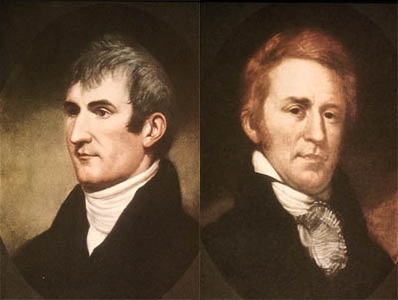
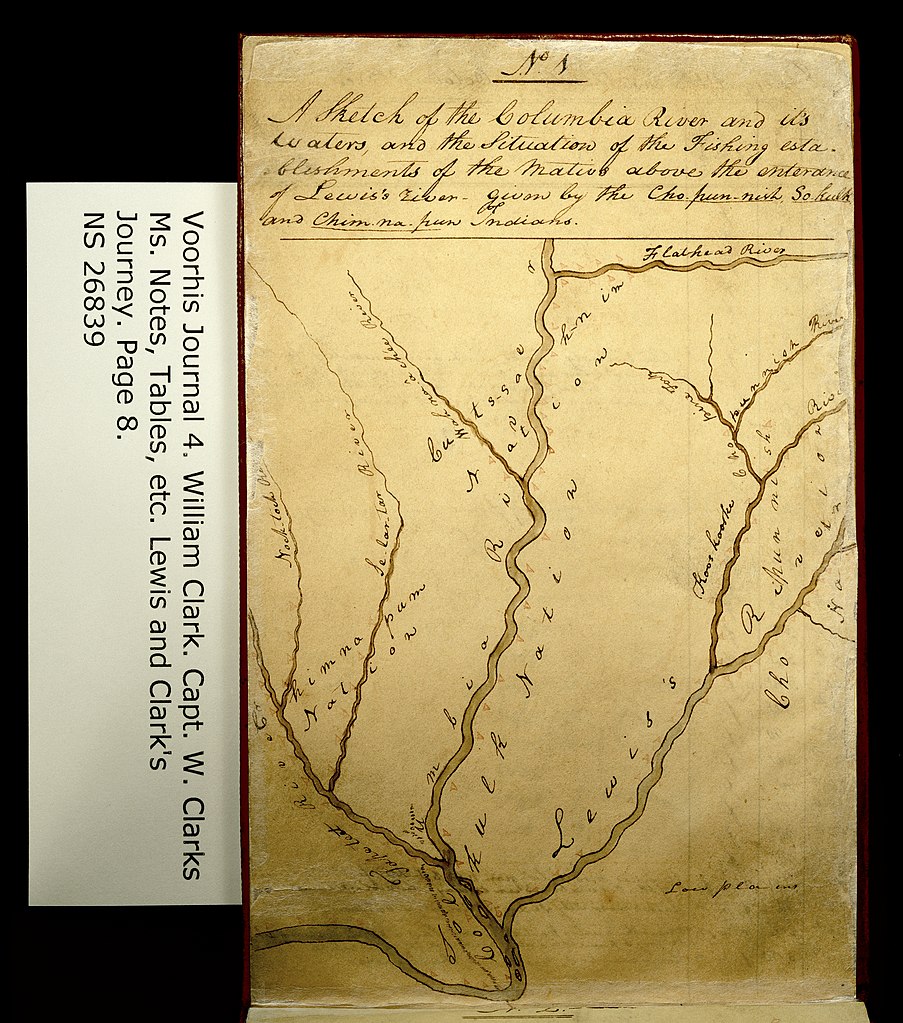
To explore this new territory, President Jefferson commissioned the Lewis and Clark Expedition in 1804. Led by Meriwether Lewis and William Clark, the expedition was tasked with mapping the land, establishing relationships with Native American tribes, and finding a potential water route to the Pacific Ocean.

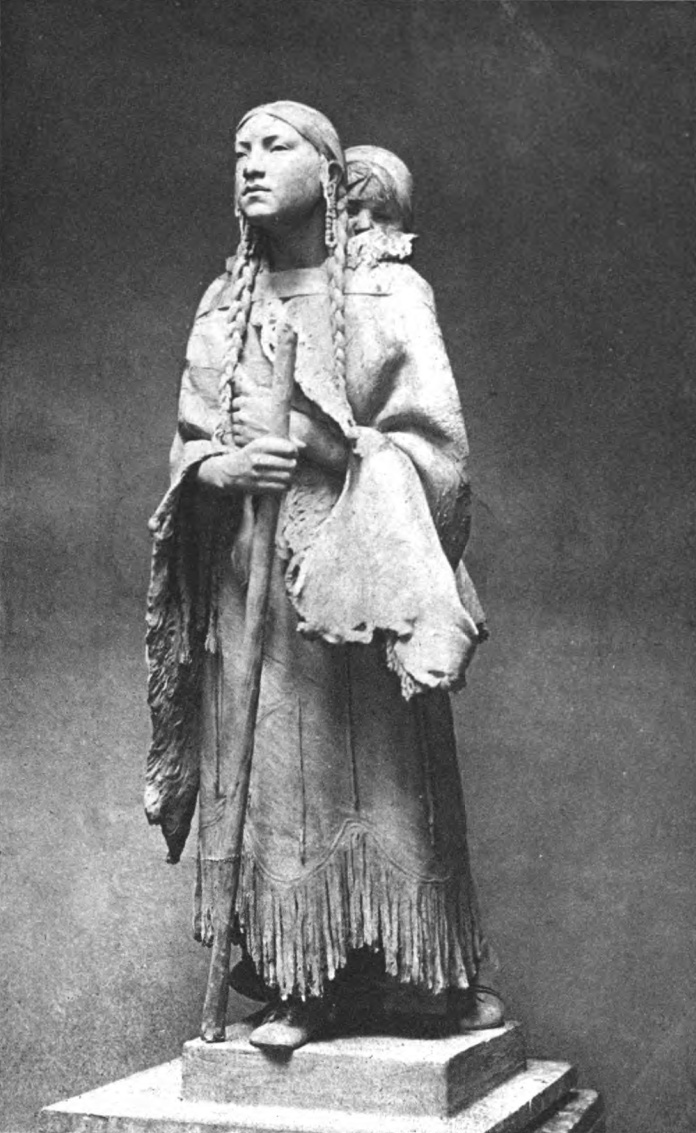
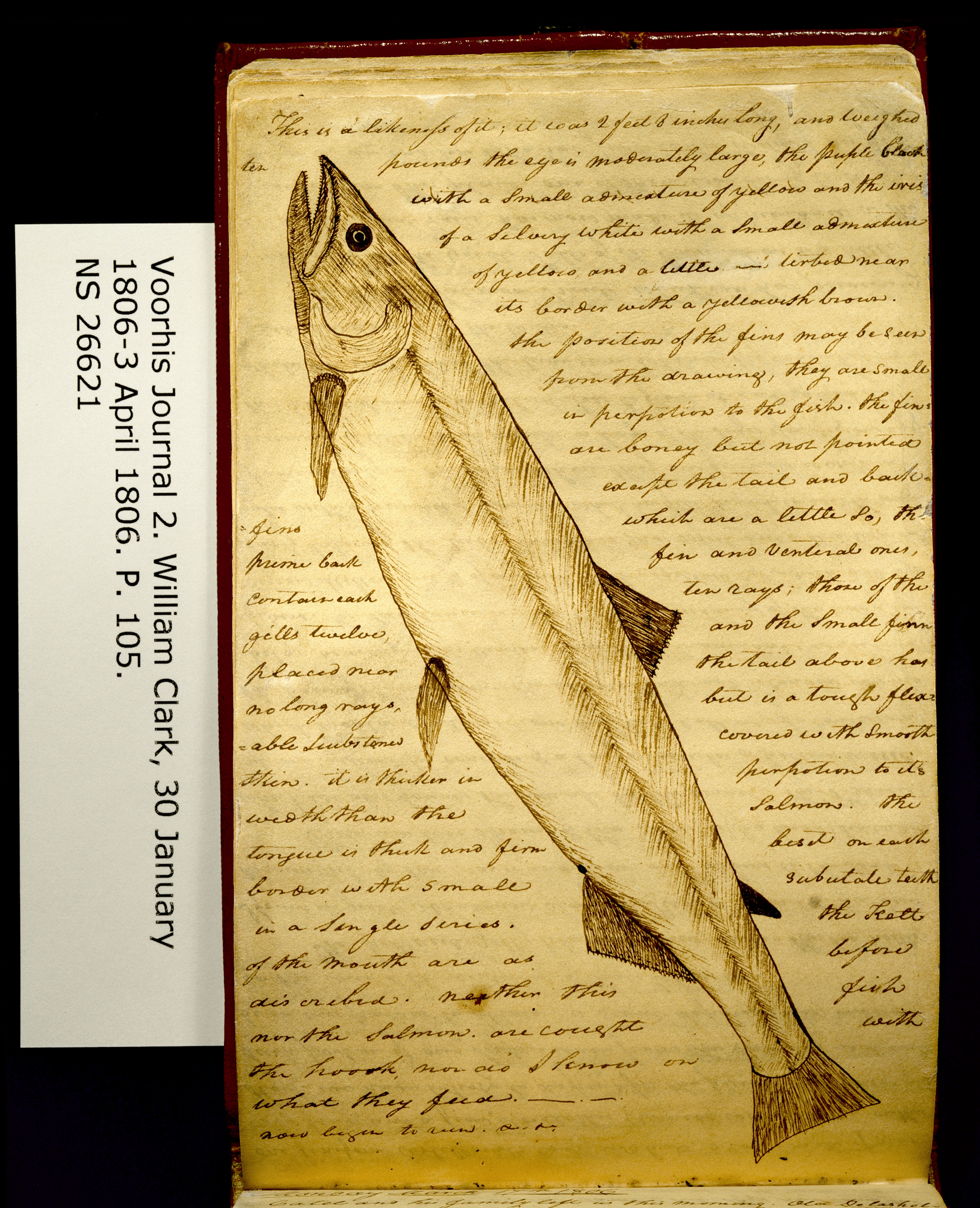
With the help of Sacagawea, a Shoshone woman who served as a guide and interpreter, the expedition traveled over 8,000 miles and documented hundreds of plant and animal species. Their journey lasted more than two years, from May 1804 to September 1806. The expedition provided valuable information about the geography, natural resources, and cultures of the region, paving the way for future westward expansion.
Significance of the Louisiana Purchase and Exploration
  • Economic Opportunities: The new land offered vast resources and fertile soil for farming, making it essential for the nation's growth.
  • Westward Expansion: The Louisiana Territory became the foundation for U.S. expansion westward, fulfilling the idea of Manifest Destiny in later years.
  • Cultural Impact: The expedition brought a greater understanding of the diverse peoples and ecosystems in the West. However, it also marked the beginning of greater conflicts with Native American tribes as settlers moved into their lands.
  • Government Power: The Louisiana Purchase set a precedent for future land acquisitions, demonstrating the federal government’s ability to expand the nation's borders.
These events not only transformed the physical map of the United States but also shaped its cultural and political future.
Question 1
1.

Why did France agree to sell the Louisiana Territory to the United States?

Question 2
2.

What was one major constitutional issue raised by the Louisiana Purchase?

Question 3
3.

What was one of the long-term consequences of the Louisiana Purchase?

Question 4
4.

Which of the following best describes one short-term objective of the Lewis and Clark Expedition?

Question 5
5.

Which portion of the excerpt below provides insight into Hamilton's personal view of Jefferson?

The purchase of New Orleans is essential to the peace and prosperity of our Western country and opens a free and valuable market to our commercial states. This purchase will probably make it seem like Mr. Jefferson is brilliant. Any man, however, who possesses any amount of intelligence will easily see that the purchase is the result of lucky coincidences and unexpected circumstances and not the result of any wise or thoughtful actions on the part of Jefferson’s administration. As to the vast region west of the Mississippi, it is a wilderness with numerous tribes of Indians. And when we consider the present territory of the United States, and that not one-sixteenth is yet under occupation, the possibility that this new purchase will be a place of actual settlement seems unlikely. If our own citizens do eventually settle this new land, it would weaken our country and central government...this purchase is at best extremely problematic.”

- Alexander Hamilton
The purchase of New Orleans is essential to the peace and prosperity of our Western country and opens a free and valuable market to our commercial states. This purchase will probably make it seem like Mr. Jefferson is brilliant. Any man, however, who possesses any amount of intelligence will easily see that the purchase is the result of lucky coincidences and unexpected circumstances and not the result of any wise or thoughtful actions on the part of Jefferson’s administration. As to the vast region west of the Mississippi, it is a wilderness with numerous tribes of Indians. And when we consider the present territory of the United States, and that not one-sixteenth is yet under occupation, the possibility that this new purchase will be a place of actual settlement seems unlikely. If our own citizens do eventually settle this new land, it would weaken our country and central government...this purchase is at best extremely problematic.”

- Alexander Hamilton
Required
1
Question 6
6.

Does Hamilton support or oppose the Louisiana Purchase? How do you know?

“According to the Louisiana Treaty, the territory must be formed into states and admitted into the Union. Will Congress be allowed to set any rules for their admission? Since slavery is legal and exists in Louisiana, and the treaty states that we must protect the property of the inhabitants, won’t we be forced to admit the new states as slave states? Doing so will worsen the problem of unequal representation from slave and free states.”

- Rufus King, 1803
Required
1
Question 7
7.

What unintended consequence of the purchase does Rufus King identify?

"It is the case of a guardian, investing the money of his ward in purchasing an important adjacent territory; & saying to him when of age, I did this for your good."

~ Thomas Jefferson, 1803
Required
1
Question 8
8.

Who does Jefferson suggest the purchase will benefit? How do you know?

Required
1
Required
1
Required
1
Question 11
11.

The Lousiana Purchase roughly doubled the geographic size of the United States.

Question 9
9.

What body of water did the Louisiana Purchase provide U.S. with direct access to?

Question 10
10.

What major river runs through the Louisiana Territory?