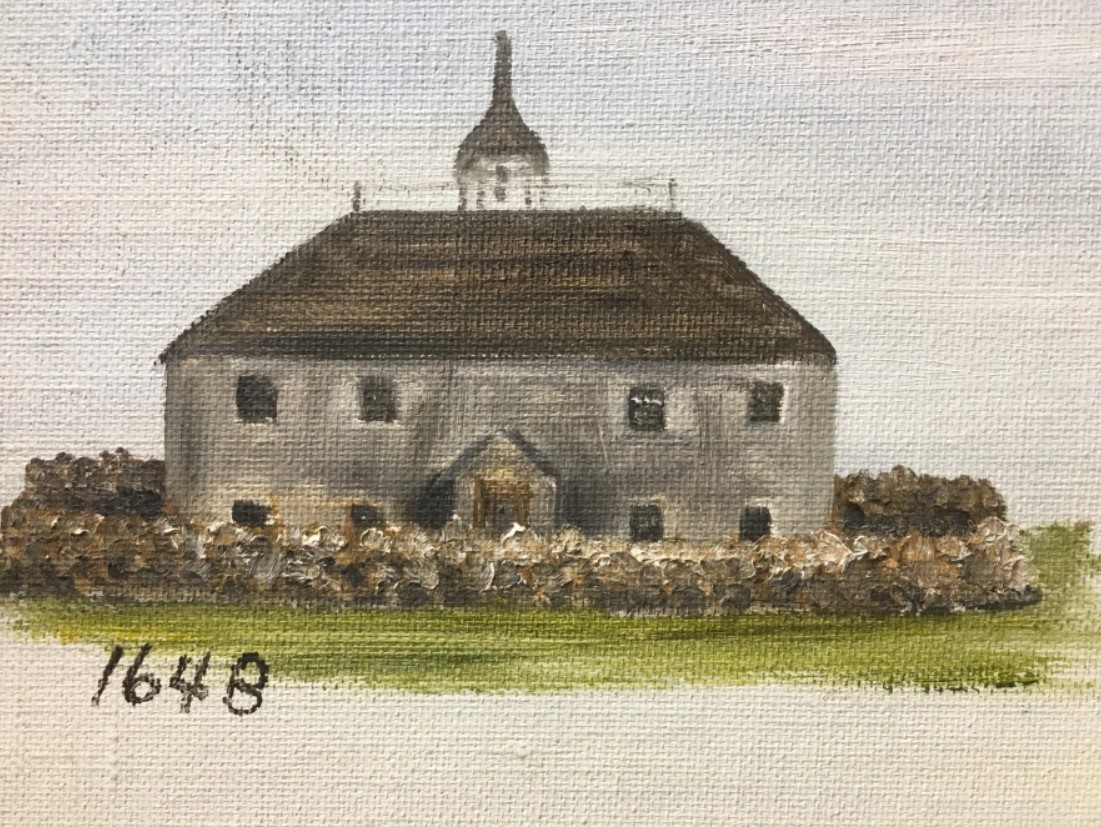
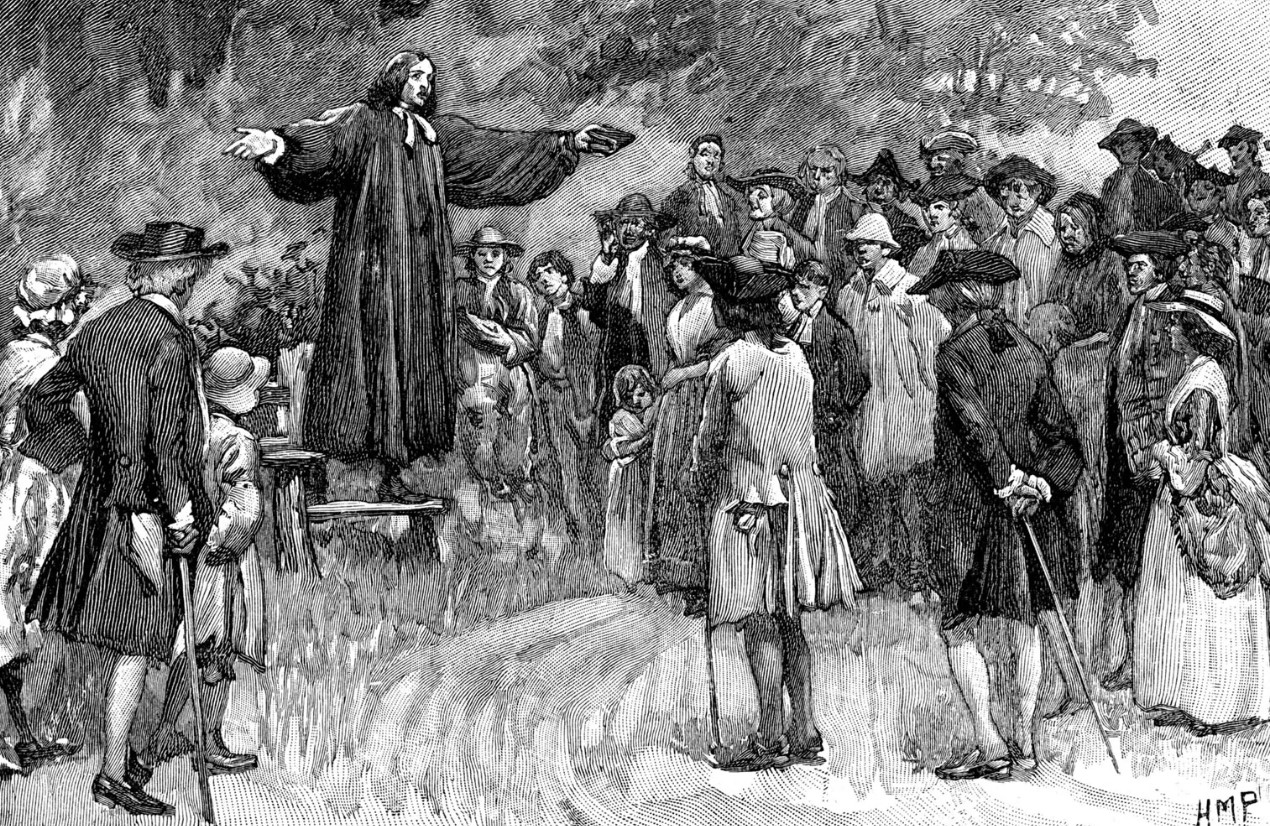
Puritan Meetinghouse in New England
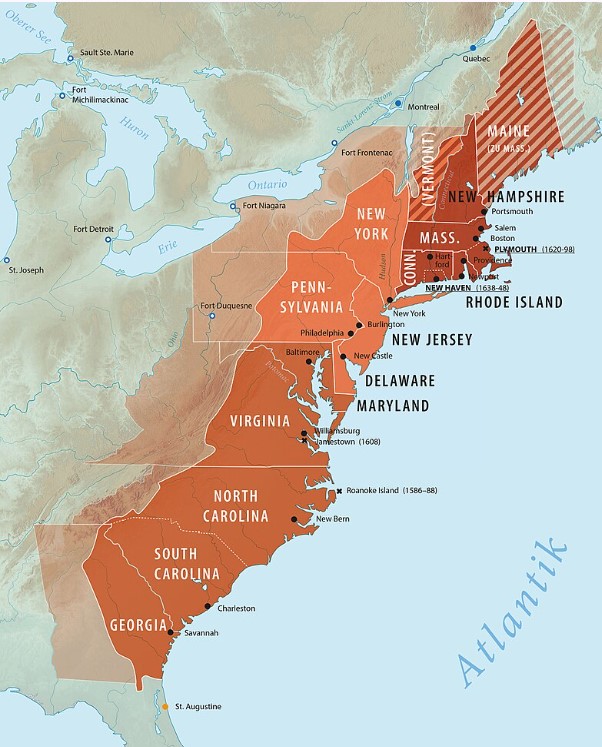
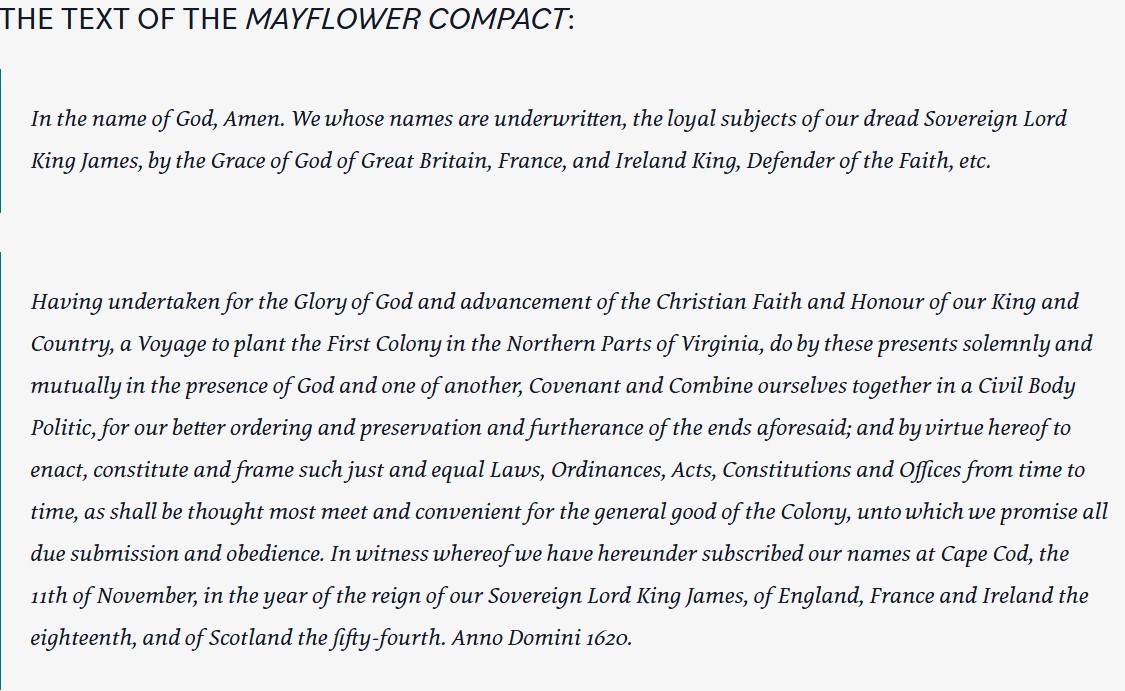
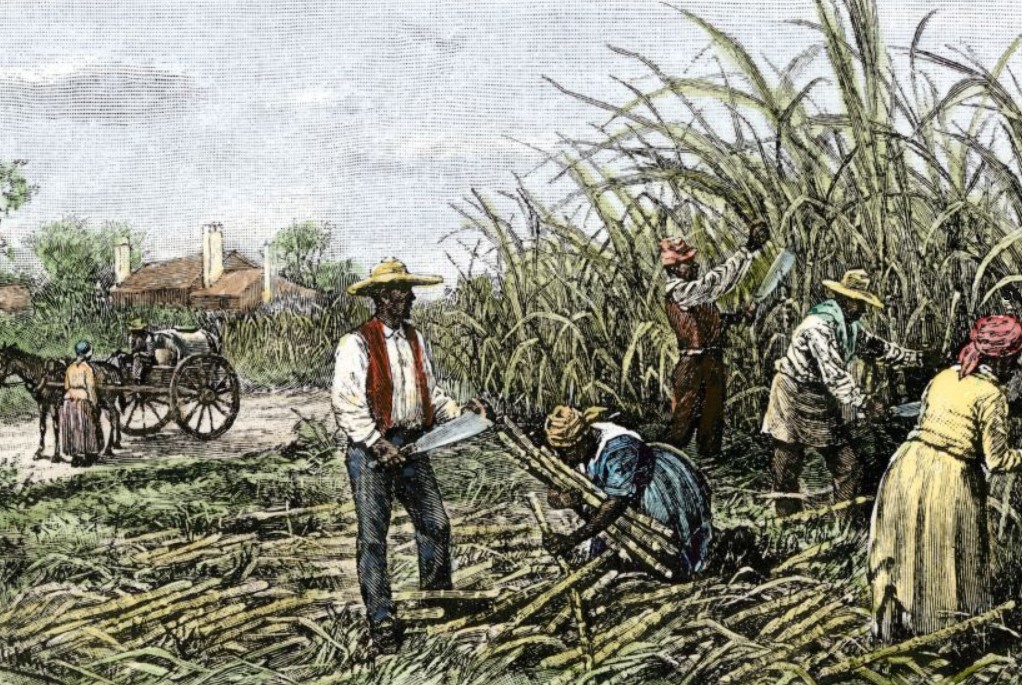
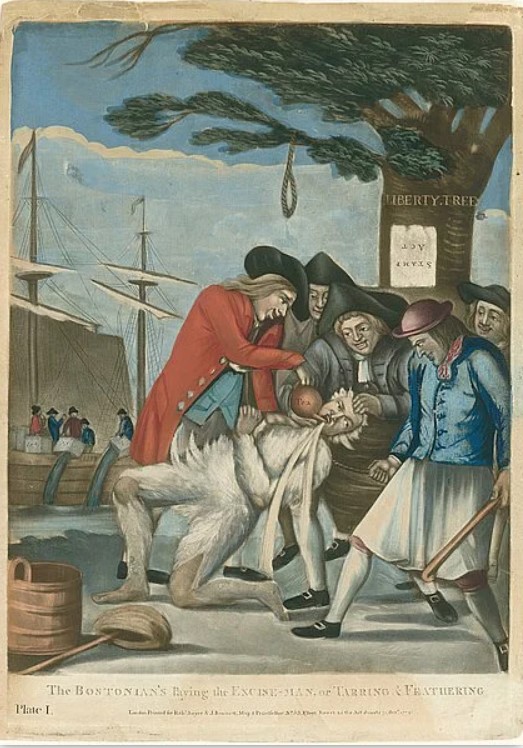
What were the main similarities and differences between the economies of the Northern and Southern colonies?
What were the long-term consequences of slavery on the Southern colonies and the United States as a whole?
How did the perspective of a Puritan settler differ from that of a Southern planter?
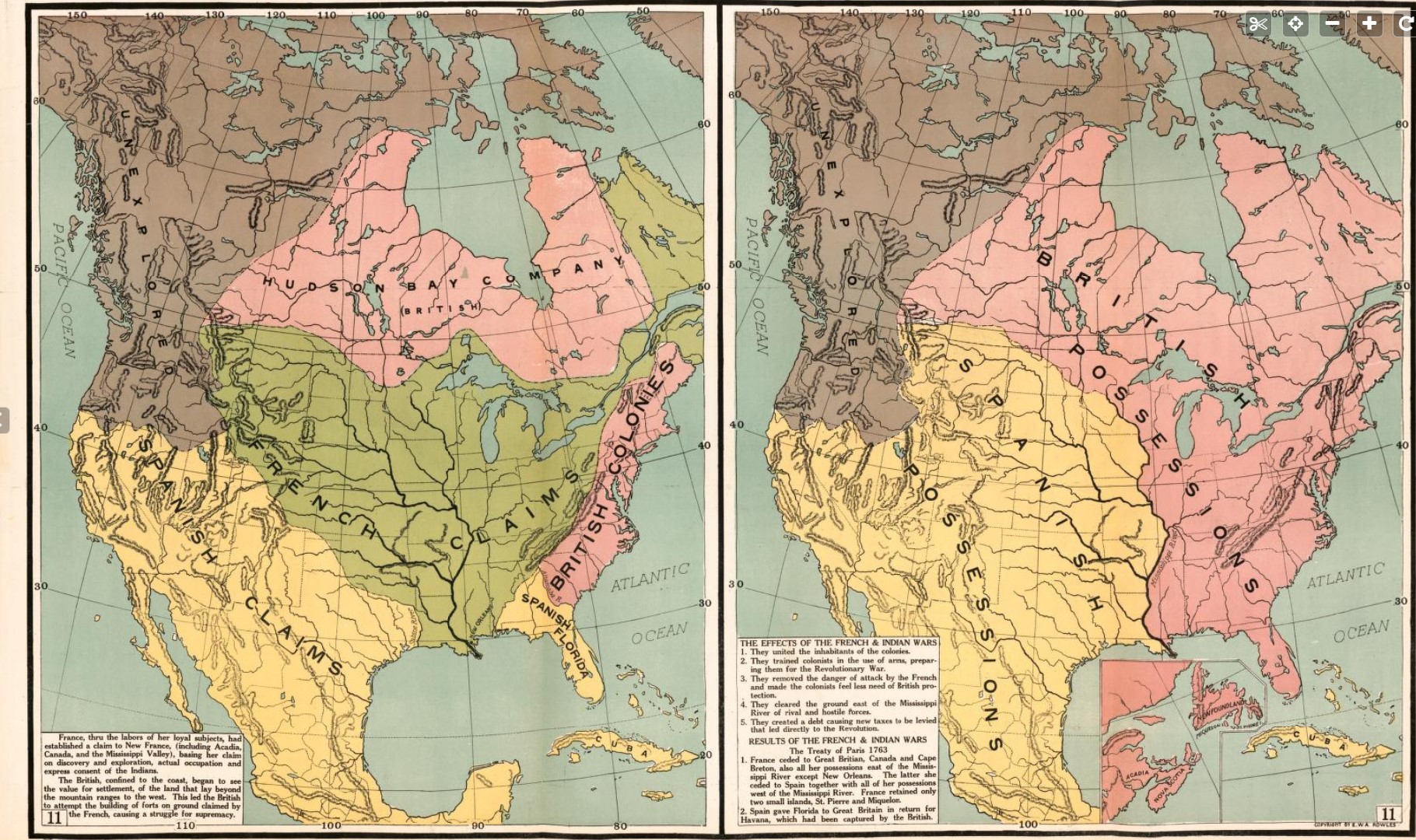
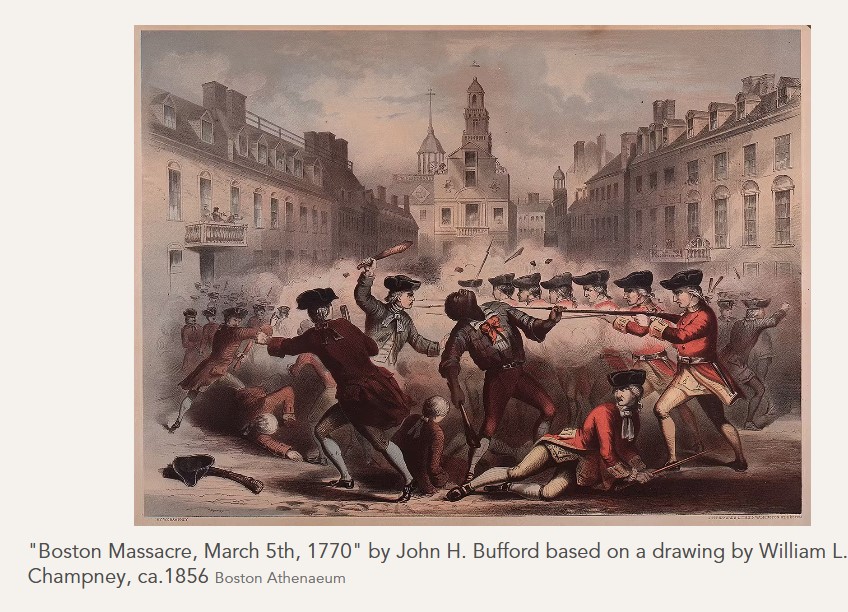
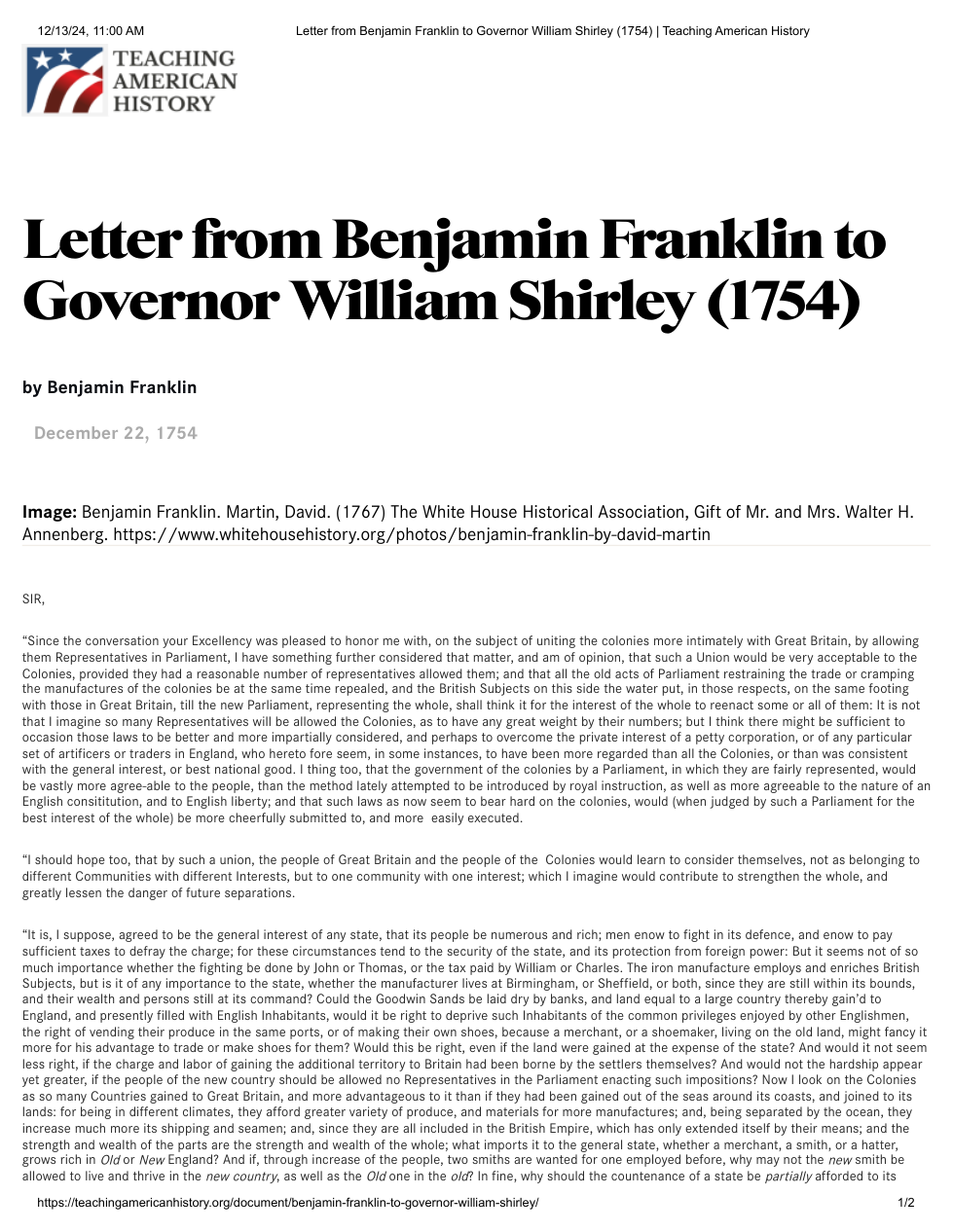

How did different groups within colonial society, such as Loyalists, Patriots, and Native Americans, experience the American Revolution?
How did British policies, such as taxation and trade restrictions, contribute to the growing tensions between the colonies and Great Britain?
In what ways did the American Revolution both continue and break with the past?
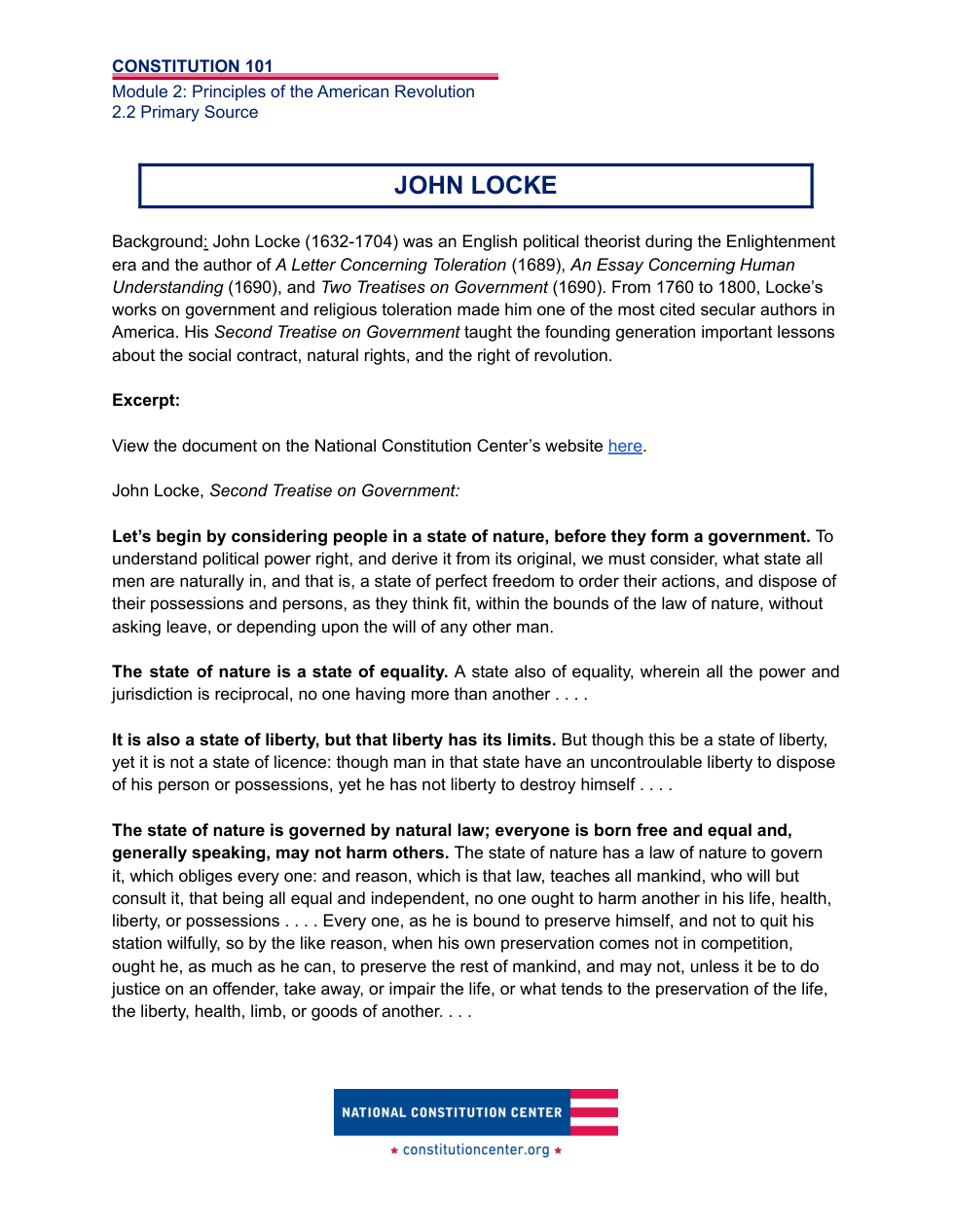
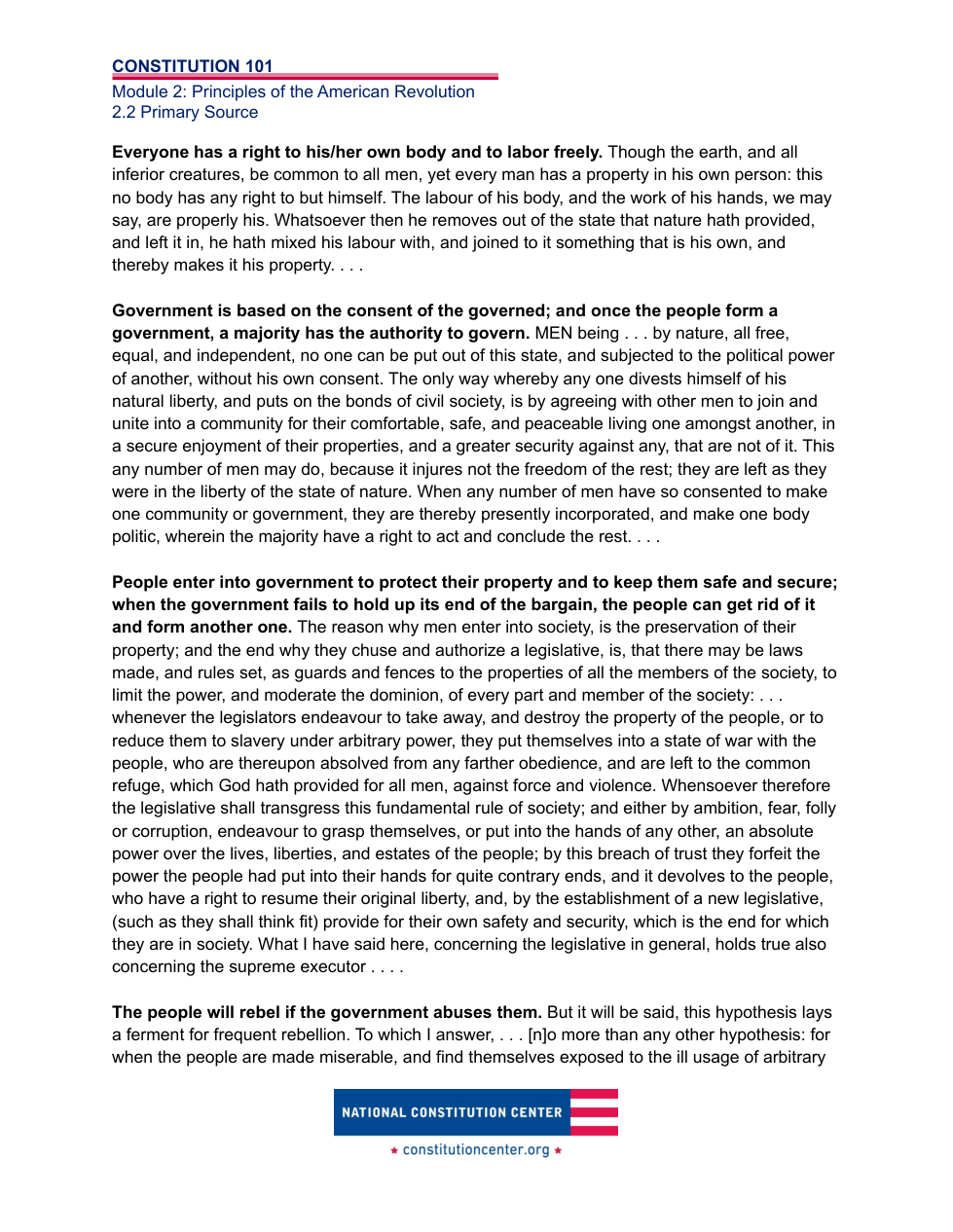

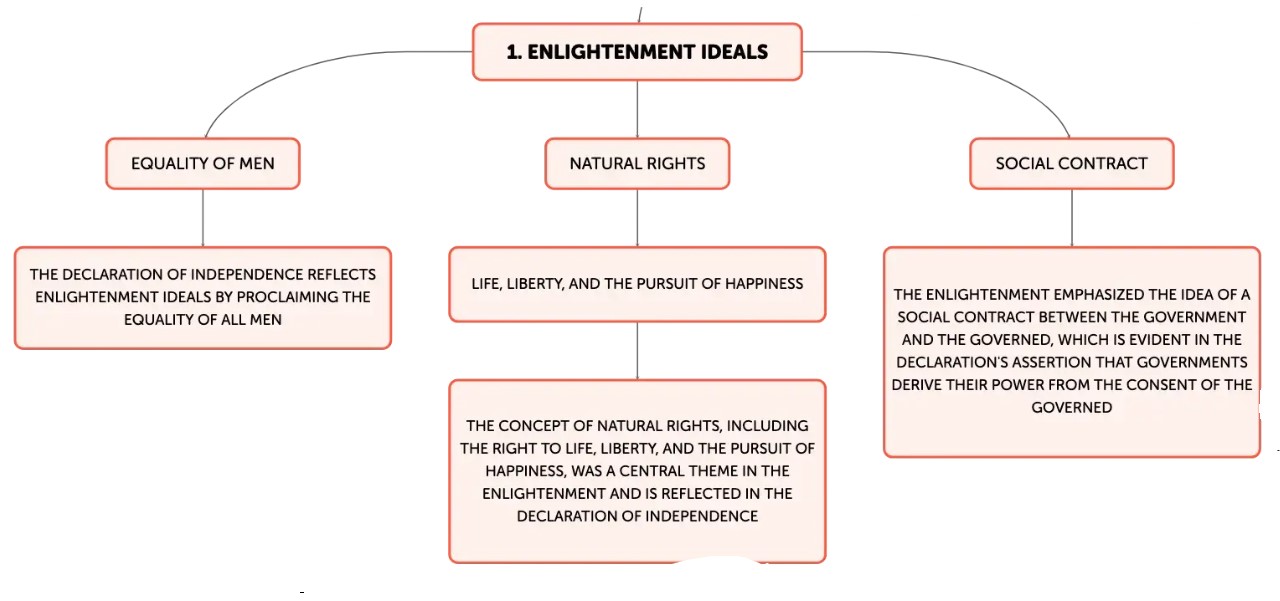
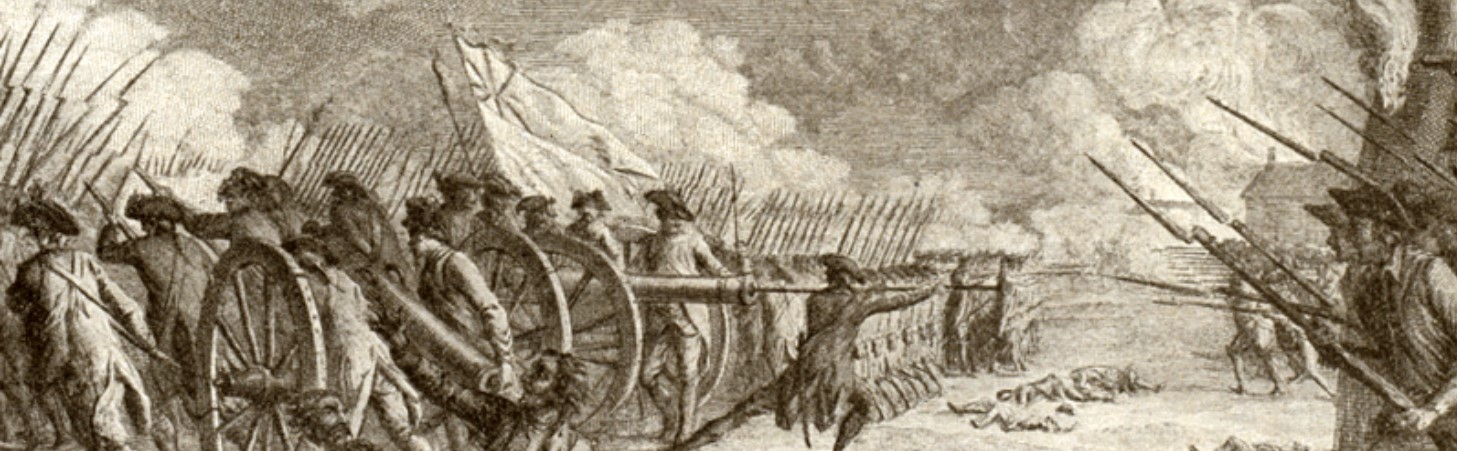
How did Enlightenment ideas influence the American Revolution?
How did the principles of republicanism and popular sovereignty shape the American political system?
How did the American Revolution and the creation of the U.S. Constitution embody Enlightenment ideals?
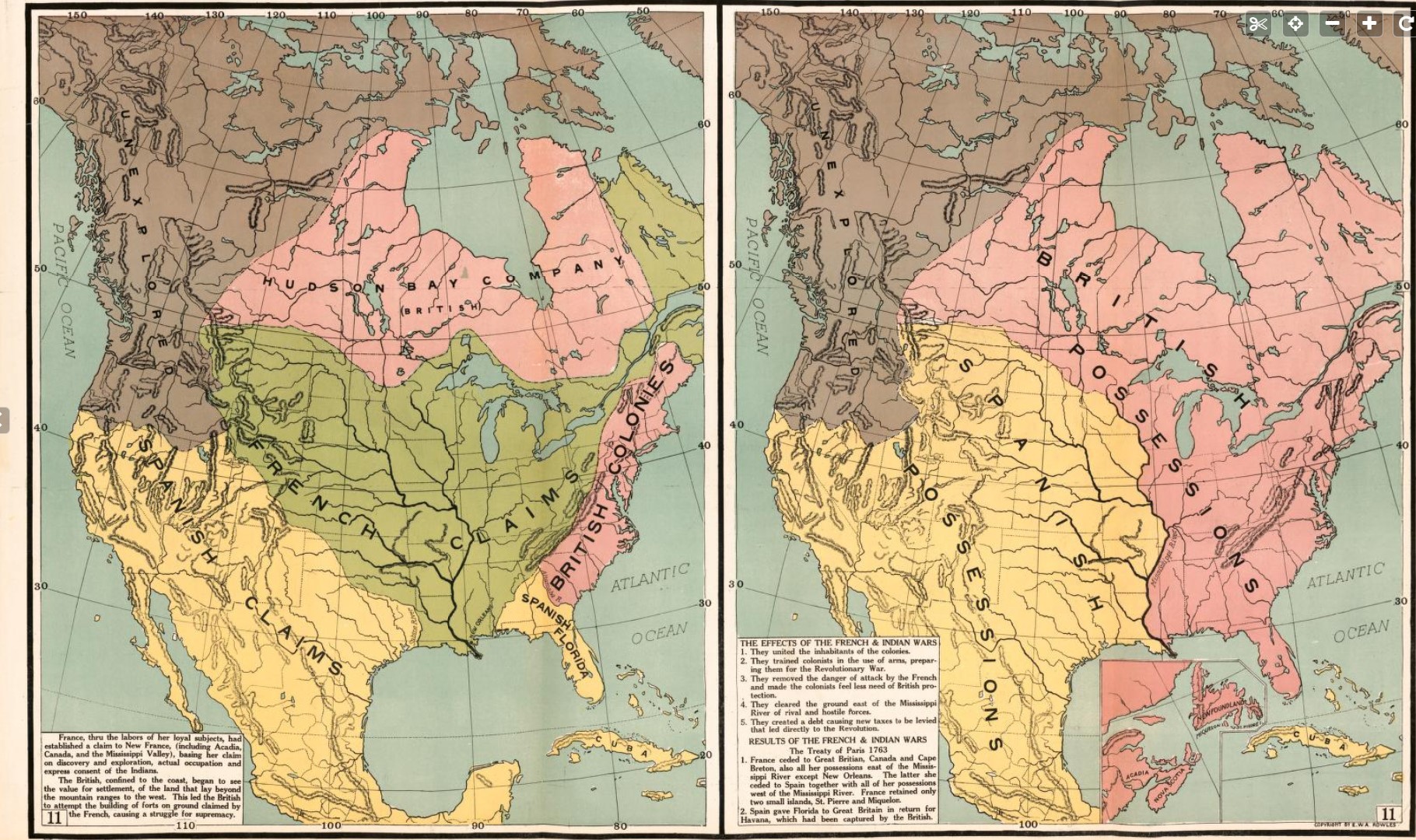
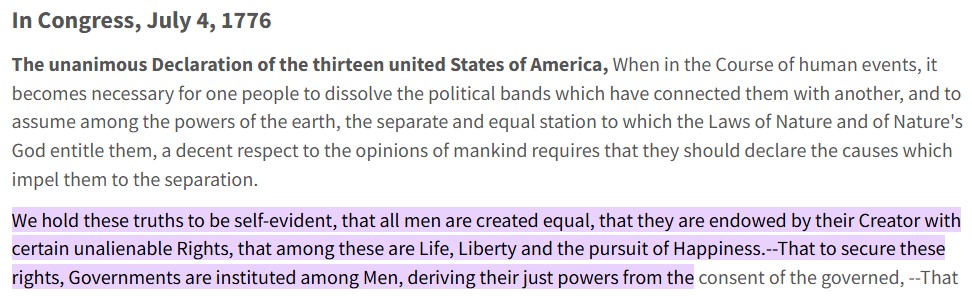
How did the American Revolution and the creation of the U.S. Constitution embody Enlightenment ideals?
Who were some of the key figures of the American Revolution?
What were the weaknesses of the Articles of Confederation?
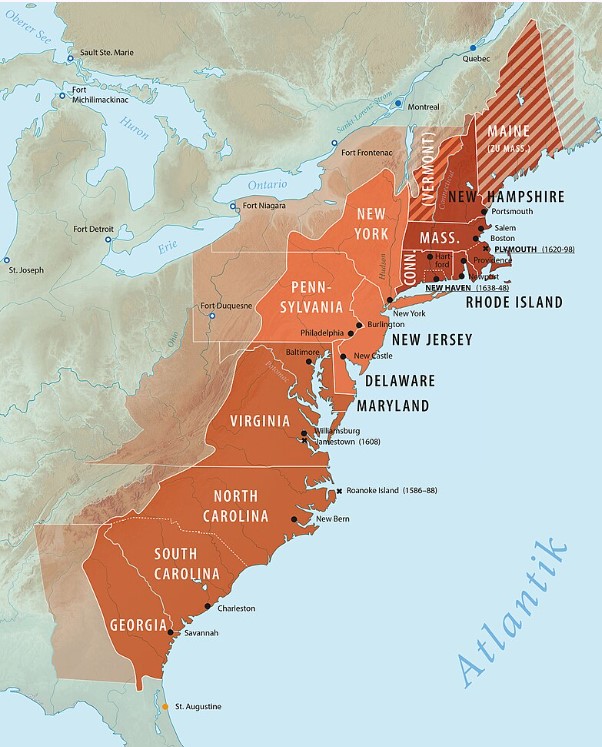
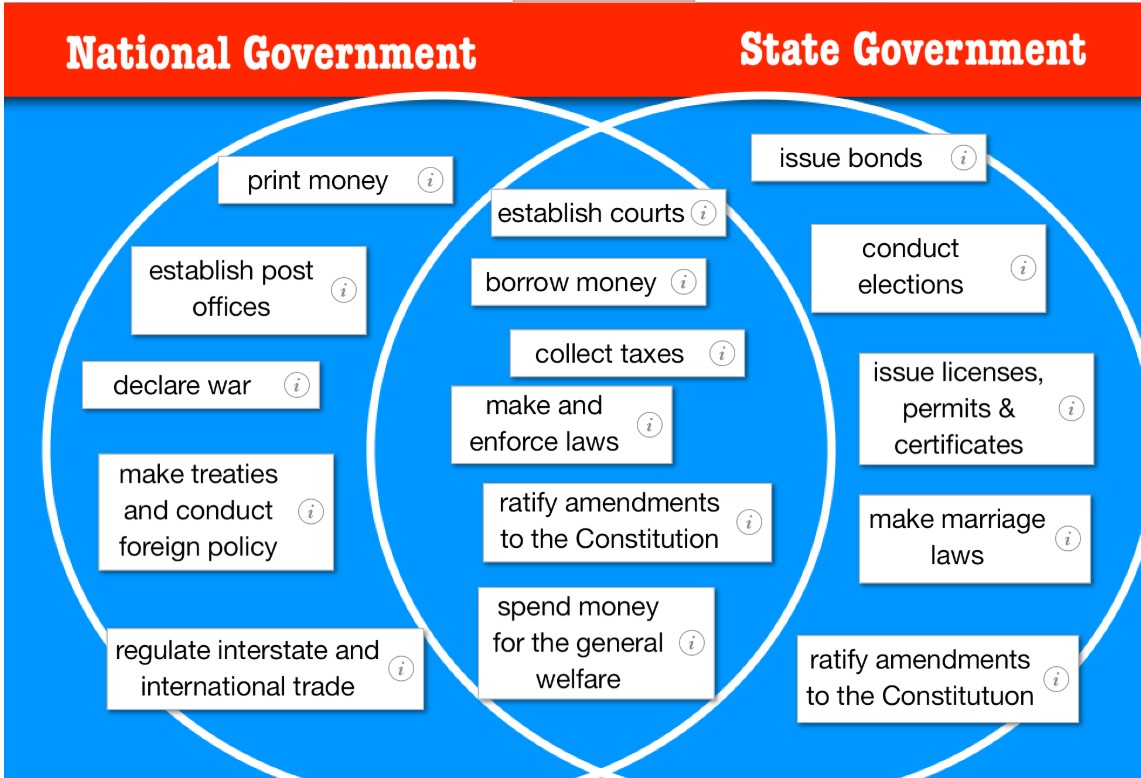
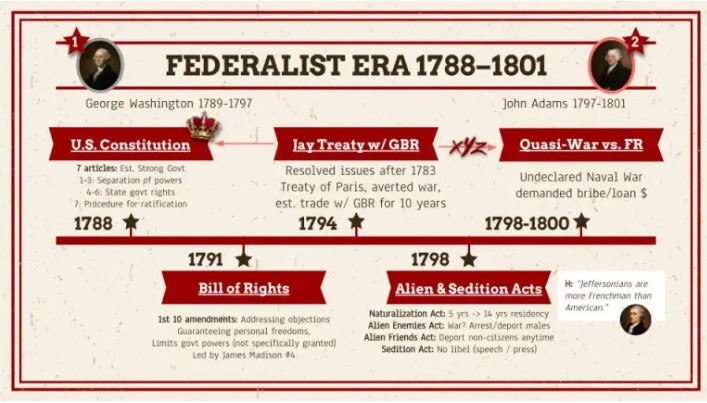
What were the primary concerns of the Anti-Federalists regarding the proposed Constitution, and how did the Federalists address these concerns?
Which of the following is a key principle of the American system of government that limits the power of any one branch?
The Great Compromise and the Three-Fifths Compromise were both attempts to address which issue during the Constitutional Convention?
How did the concept of Manifest Destiny contribute to the growing sectional tensions in the United States during the mid-19th century?
To what extent did the Compromise of 1850 and the Kansas-Nebraska Act succeed in addressing the issue of slavery and maintaining sectional harmony?
What were the primary factors that led to the outbreak of the Civil War?
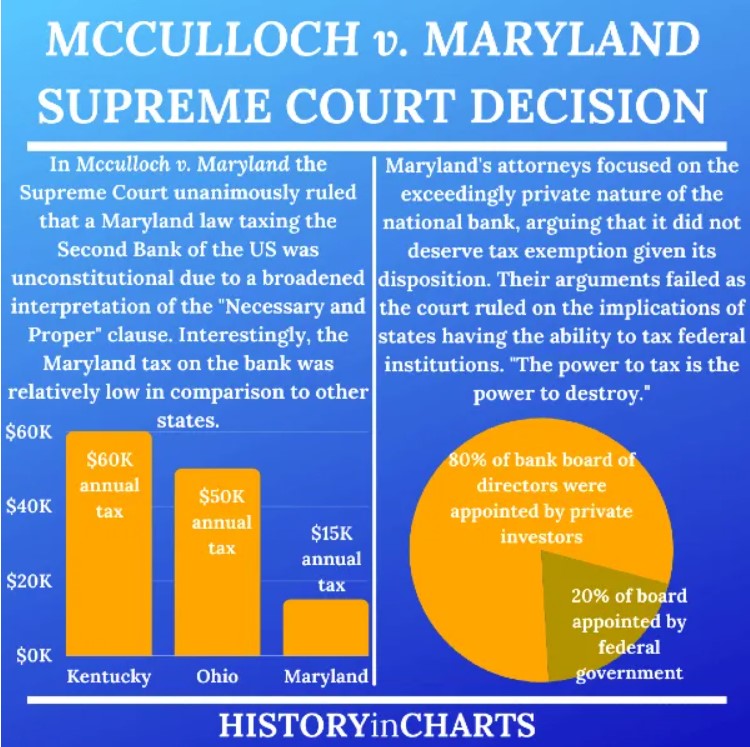
Which of the following Supreme Court cases directly challenged the rights of Native American tribes and ultimately led to their forced removal?
Marbury v. Madison
McCulloch v. Maryland
Worcester v. Georgia
Plessy v. Ferguson
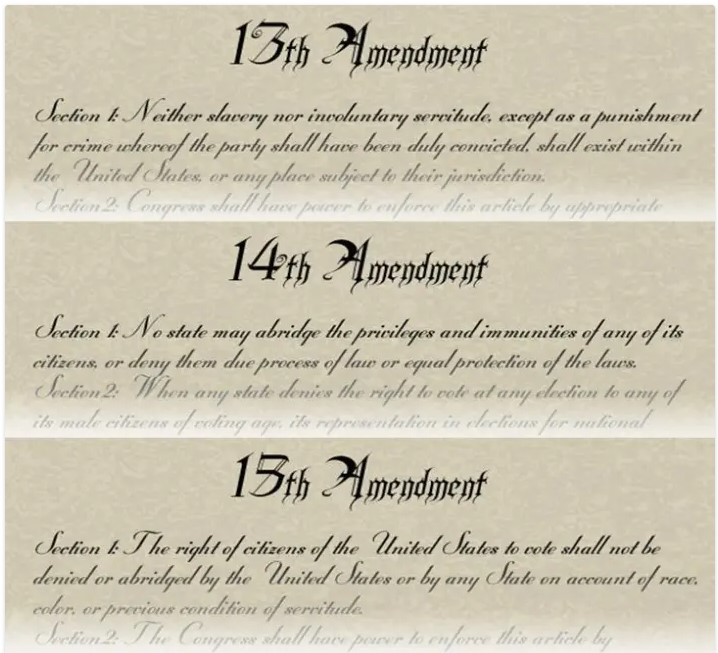
The 13th, 14th, and 15th Amendments to the U.S. Constitution were primarily designed to:
The Civil War and Reconstruction Era significantly altered the balance of power between the federal and state governments. Which of the following best describes this shift?
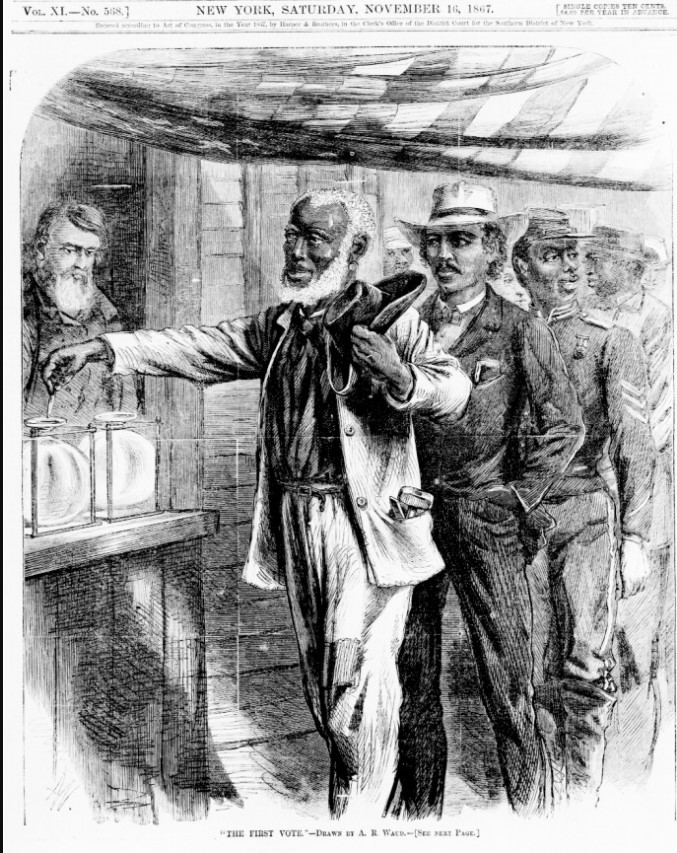
The document 2 image depicts a significant event in American history. Which of the following best explains the long-term impact of this event on the path of Reconstruction and the rights of African Americans?
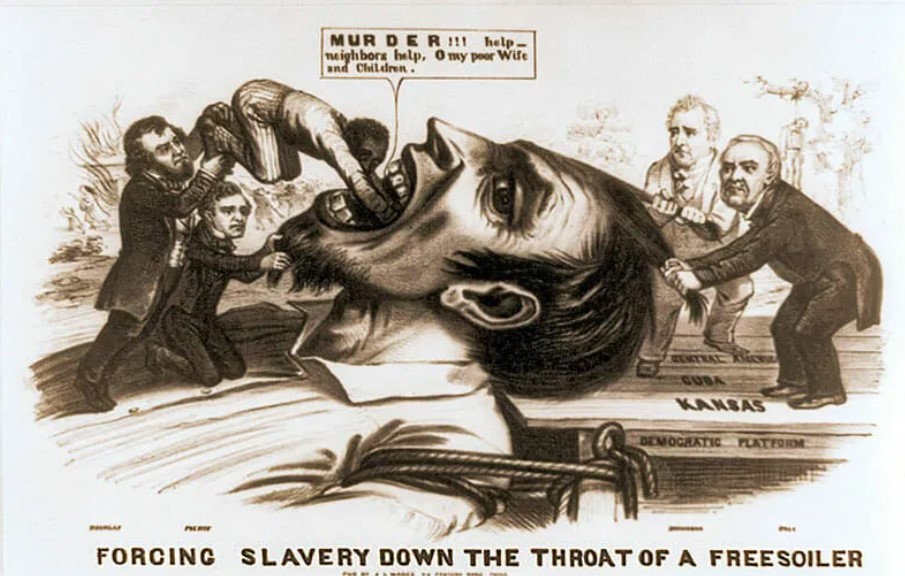
What message is conveyed by the political cartoon (document 2) titled "Forcing Slavery Down the Throat of a Free Soiler"?
How did the concept of Manifest Destiny contribute to the growing sectional tensions in the United States during the mid-19th century?
How did the Dred Scott decision contribute to the growing sectional divide in the United States?
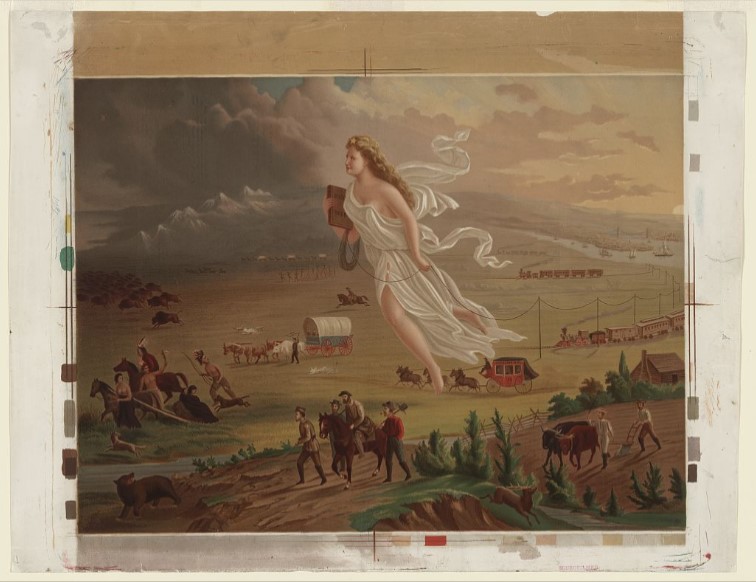
The political cartoon (document 1) above illustrates the concept of Manifest Destiny. Based on your understanding of this concept, which of the following best explains how it influenced American foreign policy in the 19th century?
Which of the following was a major economic difference between the North and the South in the antebellum period?
The Missouri Compromise of 1820 was an attempt to:
How did the Market Revolution and industrialization contribute to the growing sectional divide between the North and the South?
To what extent did the development of transportation infrastructure, such as canals and railroads, contribute to the economic growth and territorial expansion of the United States in the 19th century?
It hindered economic growth by increasing transportation costs and limiting trade.
It primarily benefited the Eastern seaboard, leaving the interior regions underdeveloped.
It facilitated the movement of people, goods, and ideas, stimulating economic growth and westward expansion.
It had a limited impact on economic development and territorial expansion.
How did the telegraph revolutionize communication and contribute to social and economic change in the 19th century?
How did the Industrial Revolution and westward expansion contribute to the growing sectional tensions between the North and the South?
How did the abolitionist and women's rights movements of the 19th century challenge traditional social and political norms?
To what extent did the federal government promote and/or hinder access to civil rights during this time period?
To what extent did Reconstruction successfully address the issue of racial inequality in the South?
What were the primary factors that led to the end of Reconstruction?
To what extent did the Reconstruction Amendments (13th, 14th, and 15th) transform American society?
How did the Civil War and Reconstruction reshape the American political landscape, and what were the primary factors that led to the end of Reconstruction?
How did the Supreme Court's decisions during Reconstruction impact the rights of African Americans?