
Ɛhia
2
Bekijk de afbeelding en geef aan wat het doel er van is.
Kies uit:
Bekijk de afbeelding en geef aan wat het doel er van is.
Kies uit:
Bekijk de afbeelding en geef aan wat het doel er van is.
Kies uit:
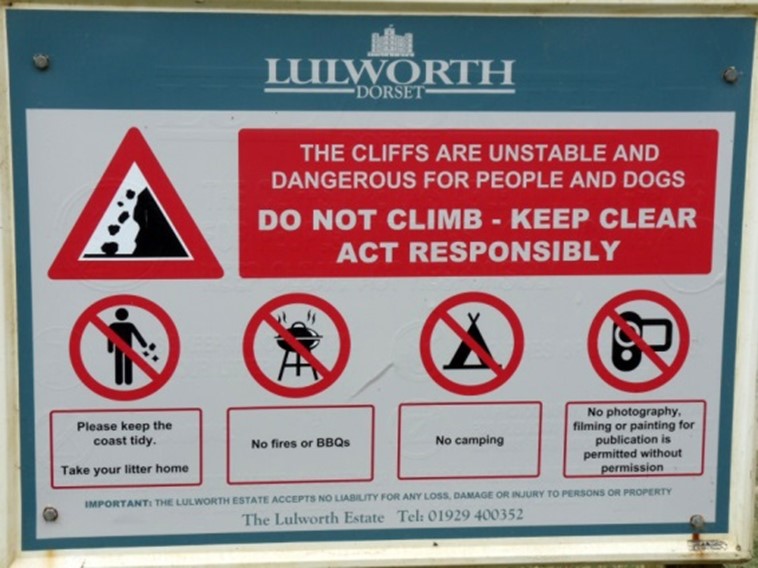
Bekijk de afbeelding en geef aan wat het doel er van is.
Kies uit:
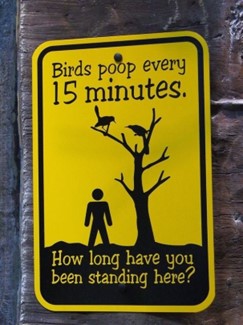
Bekijk de afbeelding en geef aan wat het doel er van is.
Kies uit:

Bekijk de afbeelding en geef aan wat het doel er van is.
Kies uit:
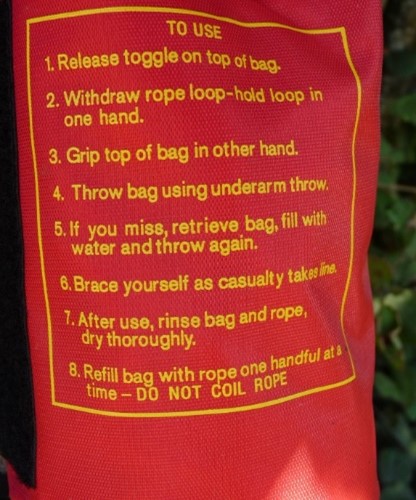
Bekijk de afbeelding en geef aan wat het doel er van is.
Kies uit:
Read Playing Video Games Can Make You a Better Searcher and choose the missing words.
1 develop / play
2 certain / all
3 way / ability
4 accurate / equipped
5 untrained / experienced
Playing Video Games Can Make You a Better Searcher
Want to be a great doctor or scientist? Make sure you video games.
New research shows that video games can help people ‘find things’ better and faster.
For instance, if a doctor is looking for something on an x-ray, or if a scientist is looking at a satellite image, they may be able to do it better if they’ve ‘trained’ by playing video games.
Certain video games, like driving games, can improve a person’s ‘visual search skills.’ That’s the to see something that’s hidden in the middle of a confusing field of things.
Researchers at the University of Toronto studied three groups of people: 20 people who played a shooting game called Medal of Honor, 20 people who played the driving game Need for Speed, and 20 people who played a puzzle game called Ballance.
The people who played the shooting and driving games became ‘faster and more ’ at searching for things, says Sijing Wu, the lead author of the study.
The people who played the puzzle game did not improve their ability to find things faster.
Researchers also compared video game players against people who didn’t play video games. They found that the players were better at visual searching.
Past studies have found that other aspects of a person’s ability to see well are also improved by video games, says U of T psychology professor Ian Spence.
4 Tekstverbanden (24 punten - T)
Read Australian Zoo Celebrates First Echidna Births in 30 Years.
Geef bij de volgende alinea’s aan wat de tekstverbanden zijn, de bijbehorende signaalwoorden en de desbetreffende zin.
Kies voor de tekstverbanden uit:
Opsomming – Tegenstelling – Voorbeeld – Oorzaak & Gevolg – Conclusie.
Example:
Alinea 1
Tekstverband: Tegenstelling (2 punten) Signaalwoord(en): However (2 punten) Zin: However, they are one of only two egg-laying mammals (the other being the duck-billed platypus) left in the world. (2 punten)
Australian Zoo Celebrates First Echidna Births in 30 Years
[0] Echidnas, medium-sized animals that closely resemble porcupines or hedgehogs. However, they are one of only two egg-laying mammals (the other being the duck-billed platypus) left in the world.
[1] Also called spiny ant eaters, the timid creatures - that are native to Australia - are very elusive and hard to observe in the wild. That’s why, though they have been around for millions of years, very little is known about their lifestyle, making it almost impossible to breed the mammals in captivity. The news that the three echidna babies, or puggles, hatched at Sydney’s Taronga had survived the first crucial months was met with much joy. Zoo keepers announced that the trio had opened their eyes and begun to develop their characteristic spines, both signs of good health. The tiny mammals all have different mothers. The youngest was born to Pitpa, the last echidna born at the zoo in 1987!
[2] In the wild, the adorable new born puggles first spend two months nuzzled inside their mother’s pouch-like skin fold. When they start to grow their sharp spines, the babies are transferred to underground tunnels where they remain warm and protected. The mothers return every three to six days to feed the puggles. Then, when the infants are about six months old, they are taken from the nesting area, fed one final time, and finally left to their own means.
[3] The zoo-born puggles are undergoing a similar transition. Having spent some time in their own mother’s pouches, they are transferred to cozy burrows designed to mimic the underground tunnels in the wild. According to Suzie, their keeper, ‘All three mothers are doing an amazing job and tending to their puggles as needed. For example, we have one mum who is so attentive that she returns to feed her baby every second day.’
[4] Suzie attributes the recent success to the zoo’s newly completed echidna breeding facility, which was constructed after extensive consultation with other zoos and wildlife parks. The expert adds that monitoring — these yet to be named — puggles, is allowing them to get a better understanding of how the mammals grow and develop. This knowledge will help improve the breeding program even further. So, the zoo will not have to wait for another 30 years to welcome more of these delightful animals.
Alinea 1
Signaalwoord:
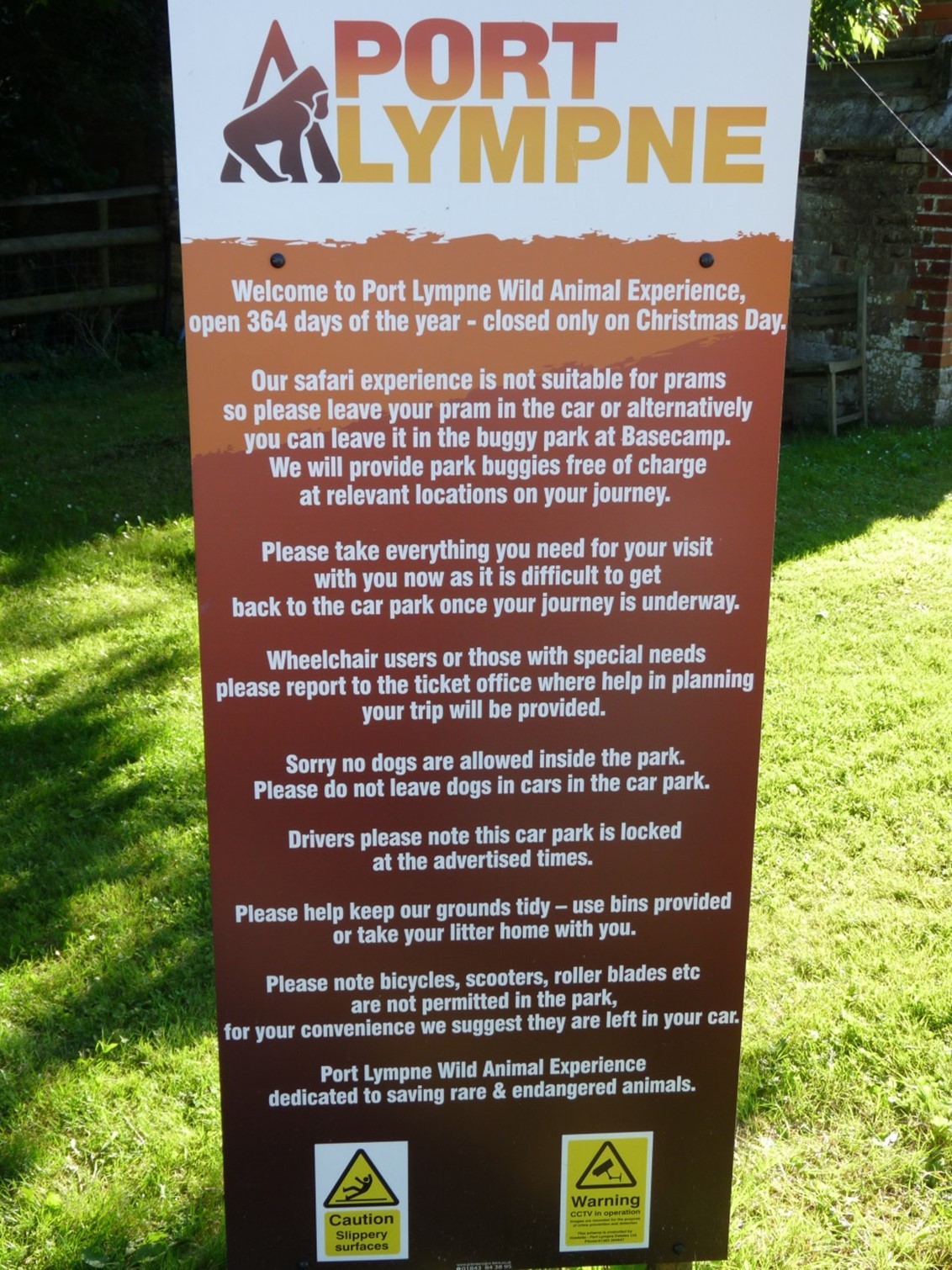
Beantwoord de vraag in het Nederlands. Wat moet je in de auto laten?
Beantwoord de vraag in het Nederlands. Waarom adviseert het park je om al je benodigde spullen nu mee te nemen?
Researchers Pay People to Stay in Bed
[1] Getting paid to stay in bed all day sounds pretty good. But what if someone offered you $23,000 to stay in bed for two months? That’s the deal that a medical research team in Toulouse, France, is offering to 24 volunteers.
[2] Researchers at MEDES, the Institute of Space Medicine and Physiology, are looking for volunteers to help them study the effects of weightlessness on the human body by spending 60 days lying down. Lying in bed isn’t exactly the same as being weightless, but the effects on the human body are similar.
[3] When astronauts spend a long time in an environment with no gravity, like the International Space Station, their bodies are affected in many ways. After a couple of months on the ISS, astronauts’ hearts don’t pump as hard. Their muscles become smaller and weaker because they no longer have to work against gravity. Their bones become less dense and may break more easily. There may also be changes in the astronauts’ immune systems and sleep habits.
[4] Dr. Arnaud Beck, the physician in charge of the study, said his goal is to measure the effects of weightlessness and to find ways to prevent problems.
[5] The study will take 88 days altogether. During the first two weeks, the subjects will be measured and tested to establish their levels of fitness and strength. Then they will spend 60 days lying in bed with their heads slightly lower than their bodies.
[6] They will have to do everything while lying down, including eating, brushing their teeth, and going to the bathroom. Dr. Beck said the rule is that they must have at least one shoulder touching the bed at all times.
[7] Half of the volunteers in the study will be taking capsules containing special food supplements several times a day to see if they help reduce the health problems caused by weightlessness.
[8] The last two weeks of the study will be spent taking more measurements and trying to build up the subjects’ strength again.
[9] Volunteers must be men between the ages of 20 and 45 who are in perfect health and physically active. They must be non-smokers and have no allergies or dietary restrictions.
[10] The researchers completed one study in April. A second study will take place from September to December 2017.
Dictionary (5 punten - T)
Use the text Researchers Pay People to Stay in Bed and a dictionary.
Schrijf bij de volgende woorden op of het een zelfstandig naamwoord, bijvoeglijk naamwoord of werkwoord is.
Word Word type
1 research -
2 weightlessness -
3 gravity -
4 prevent -
5 measurements -
Dictionary (5 punten - T)
Schrijf de Nederlandse vertaling van het woord op.
Woord Dutch translation
1 research -
2 weightlessness -
3 gravity -
4 prevent -
5 measurements -
Read Researchers Pay People to Stay in Bed and answer the following questions.
Wat voor soort tekst is dit? (2P) Kies uit:
Wat is het doel van deze tekst? Kies uit:
Wat is het onderwerp van deze tekst?
Welke twee onderdelen van de tekst hebben je geholpen om het onderwerp te bepalen bij het Verkennend Lezen? Kies de TWEE juiste antwoorden:
Gebruik Zoekend lezen.
Hoe lang moeten de vrijwilligers in bed blijven liggen?
Gebruik Zoekend lezen.
Hoeveel vrijwilligers worden er gezocht?
Gebruik zoekend lezen.
Hoe lang duurt het gehele onderzoek precies?
Gebruik Zoekend lezen.
Wat gebeurt er de laatste twee weken van het onderzoek?
Gebruik Intensief lezen.
Wat wordt er precies onderzocht?
Gebruik Intensief lezen.
Wat gebeurt er in je lichaam na een paar maanden in een ruimtestation?
Gebruik Intensief lezen.
Wat moeten de vrijwilligers allemaal liggend doen?
Gebruik Intensief lezen.
Wat moet tijdens het liggen altijd het geval zijn?
Gebruik Intensief lezen.
Waarom krijgt maar de helft van de vrijwilligers extra voedingssupplementen?
Alinea 2
Signaalwoorden:
Alinea 3
Signaalwoord:
Alinea 4
Signaalwoord:
Beantwoord de vraag in het Nederlands. Wat mag je niet in de auto achterlaten?
Beantwoord de vraag in het Nederlands.
Waar kun je jouw afval laten?
Beantwoord de vraag in het Nederlands.
Waar houdt Port Lympne zich vooral mee bezig?