Q2 Voting Essay

Last updated 11 months ago
7 questions
Essay prompt:

EXPLAIN the role that your vote plays in making your voice heard and how your taxes are spent, and then JUSTIFY whether/how this makes a better future for your family.
A great first step in writing an essay is to make an outline. Its very important to break down the prompt in creating your outline

To make an essay outline you first must understand what is exactly required from the prompt

Essay Prompt:

EXPLAIN the role that your vote plays in making your voice heard and how your taxes are spent, and then JUSTIFY whether/how this makes a better future for your family.

Let's break it down:

EXPLAIN the role that your vote plays in making your voice heard and how your taxes are spent, and then JUSTIFY whether/how this makes a better future for your family.


Making an essay outline also draws attention to any command terms in the prompt that will also guide your essay. the first two APEC body paragraphs you are required to EXPLAIN but the last APEC body paragraph you will need to JUSTIFY


EXPLAIN- to make something clear or understandable.

JUSTIFY - means that you are required to give reasons for a position or argument. You need to provide supporting evidence and explanations for your position.


Prompt essay basic outline:
  1. Introduction
  2. 1st body APEC paragraph- (EXPLAIN ) Making your voice heard through voting
  3. 2nd body APEC paragraph- (EXPLAIN ) How my taxes are spent
  4. 3rd body APEC paragraph- (JUSTIFY) whether/how this makes my family's future better
  5. Conclusion
We have learned from our previous APEC essay the importance of finding your evidence/proof first. With the proof you can then easily make your Assertions, Explanations, and Connections after.

Lets take a look at the information provided below and select information you can use in your APEC Body paragraphs

The information provided is not in depth but designed to give you ideas and to help you find direction for constructing your body paragraphs, The topic/theme is "Your Vote". Feel free to do additional research once you decide on the direction you want to take, especially for finding specific Proof/Evidence.
  1. 1st body APEC paragraph- (EXPLAIN ) Making your voice heard though voting
  2. 2nd body APEC paragraph- (EXPLAIN ) How my taxes are spent
  3. 3rd body APEC paragraph- (JUSTIFY) whether/how this makes my family's future better
(ACT Now)
Info for the first paragraph
1st body APEC paragraph- (EXPLAIN ) Making your voice heard though voting

Vote! It's Your Right.
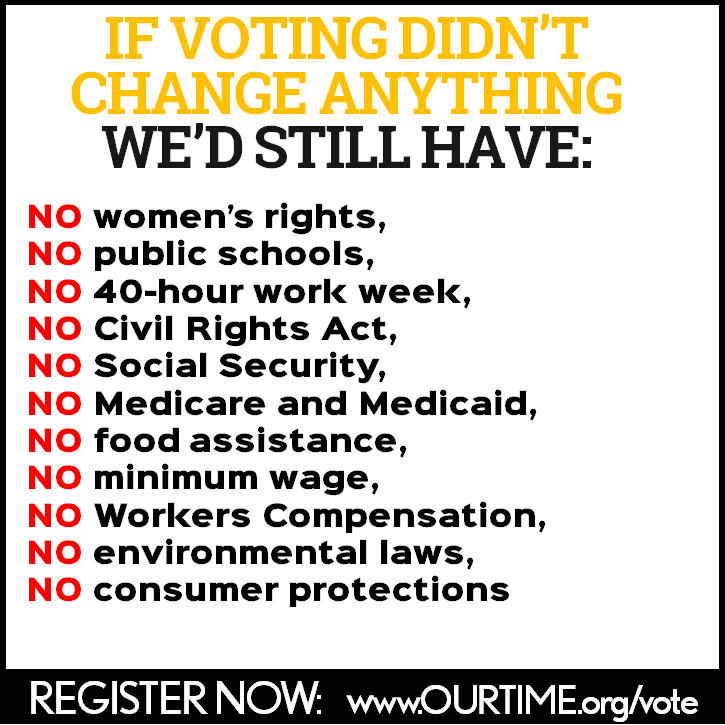
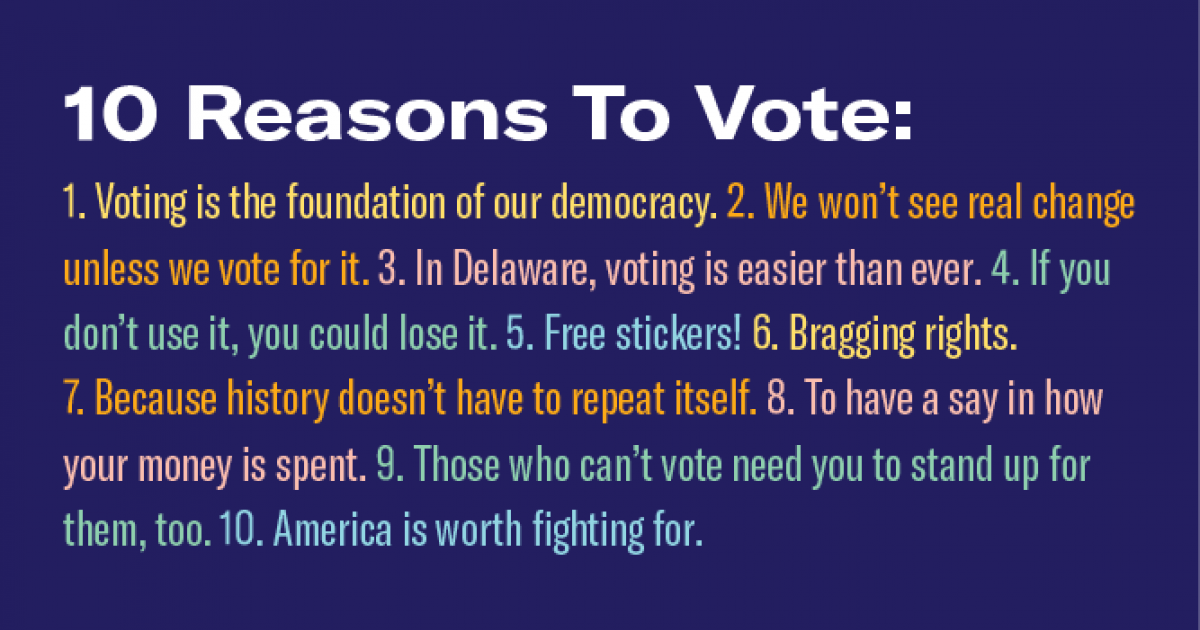
People have died defending this right. Don’t take it for granted! Voting is more than just electing a candidate, it’s choosing the right policies and people who have your best interests in mind when making decisions that will affect our community, state and nation. When you vote, you are taking an active role in deciding issues regarding health care, immigration, equal opportunity, voting rights, infrastructure, jobs, education, social security, neighborhood safety, taxes, etc. (Amendments; 15th, 19th, 24th, 26th) (Making your voice heard though voting)

The importance of voting
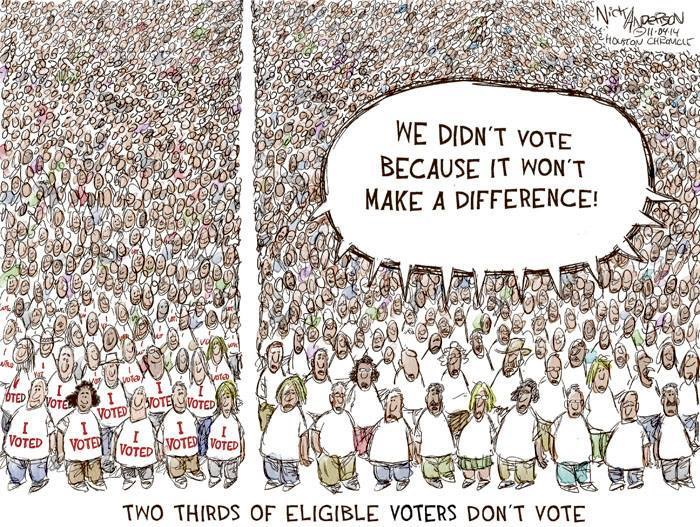
When people hear that they should vote, they often only think of the presidential election. They may respond “But I don’t like either candidate” or “My state will definitely vote Democratic/Republican anyway”. However, while voting for president is important, there are hundreds of other, smaller elections being held each year. Voting for local laws and government positions are not privileges which should be quickly overlooked. For example, did you know that sheriff is an elected position in many states ? Those who are seeking law enforcement reform can have a say in how their local police force is run by voting for a sheriff who has the belief system and career history that they most want to see. This is just one small example of how local elections can play a major role in systemic reform.

If You Do Not Vote, Someone Else Will.
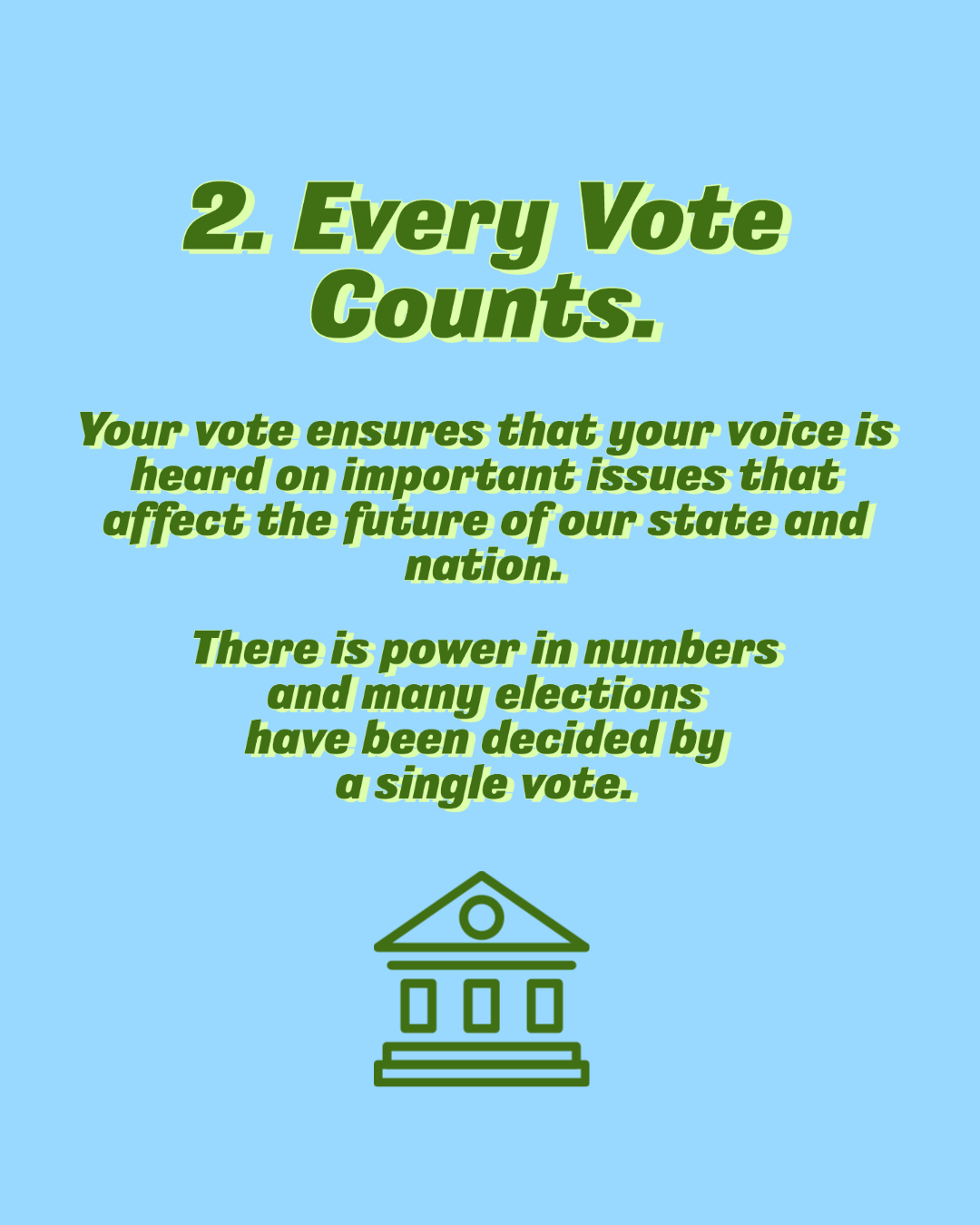
Voting only takes a couple of minutes but the ripple effect caused by your vote will last beyond a candidate’s term. Do you want someone else deciding for you the laws that will affect your family and community? Voting gives you the power to choose how your city, state, and country will be run. If you don’t vote, you can’t complain! Go vote and make the decision before someone else does it for you.

Vote to Allocate Federal Money To this Region.
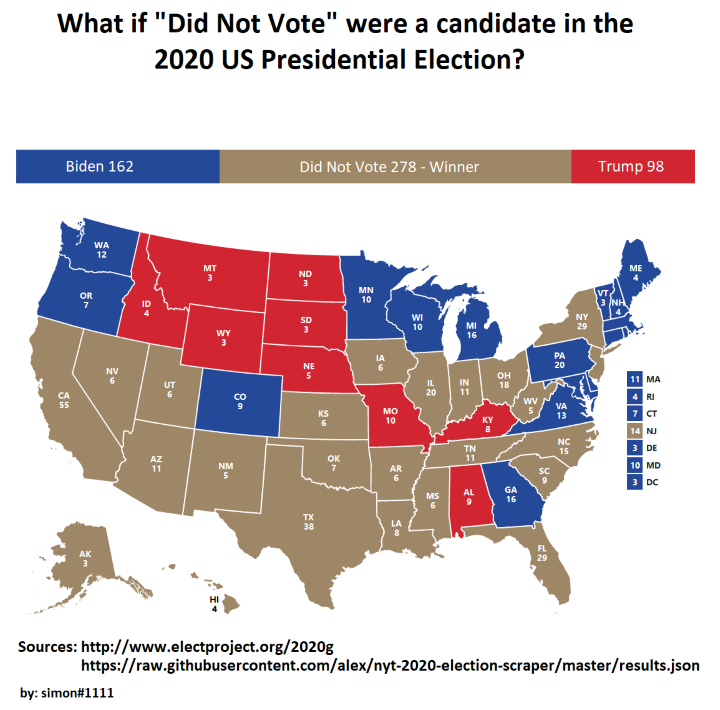
This money can be used for education, youth programs, healthcare, veterans, creating jobs, the environment, etc. In the Rio Grande Valley 4 out of 10 people vote in a Presidential Election and only 2 out of 10 vote in a Gubernatorial Election. This is not enough! For this region to grow and get state and federal funding, we need to vote.
1

Write your 1st Body paragraph
1st body APEC paragraph- (EXPLAIN ) Making your voice heard though voting

Assertion-Proof-Explanation-Connection
"A" - a statement of what you intend to prove
"P" - some evidence or examples that illustrate the assertion
"E" - an explanation of how the evidence proves the assertion
"C" - a statement connecting the assertion to the thesis (Theme) of your paper

After you complete your paragraph, you will color code each sentence using the color code above
students are required to color code their APEC sentences, students highlight the desired sentence and a bar will appear, then click on the black circle and the different colors will appear. Select the desired color and what you originally highlighted will become the desired color.

(AACT Now)
Info for the second paragraph
2nd body APEC paragraph- (EXPLAIN ) How my taxes are spent


Decide How Your Taxes Will Be Spent.
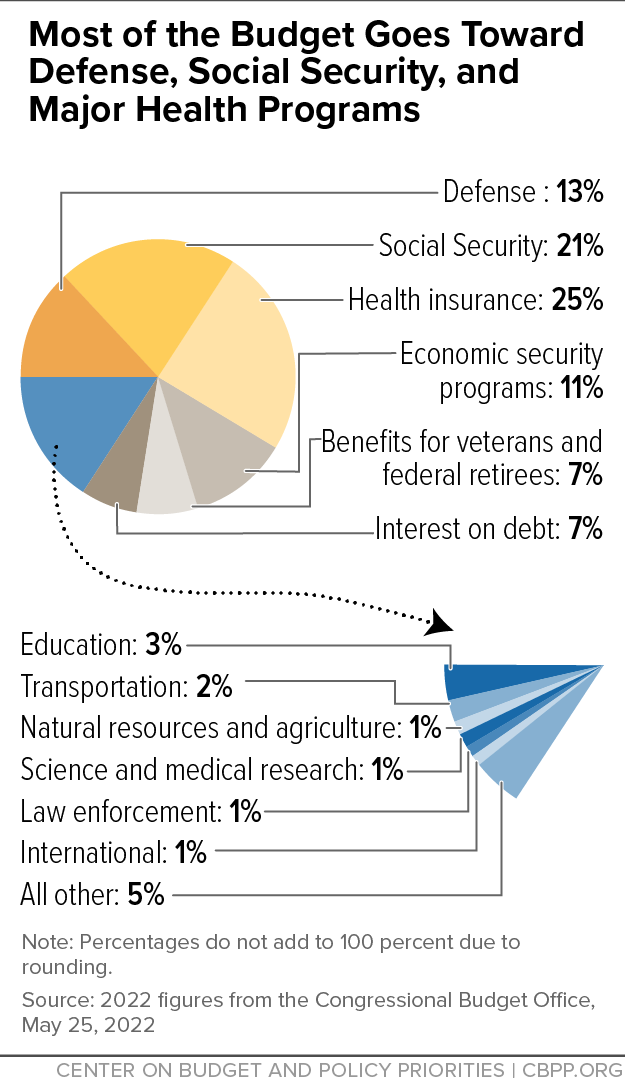
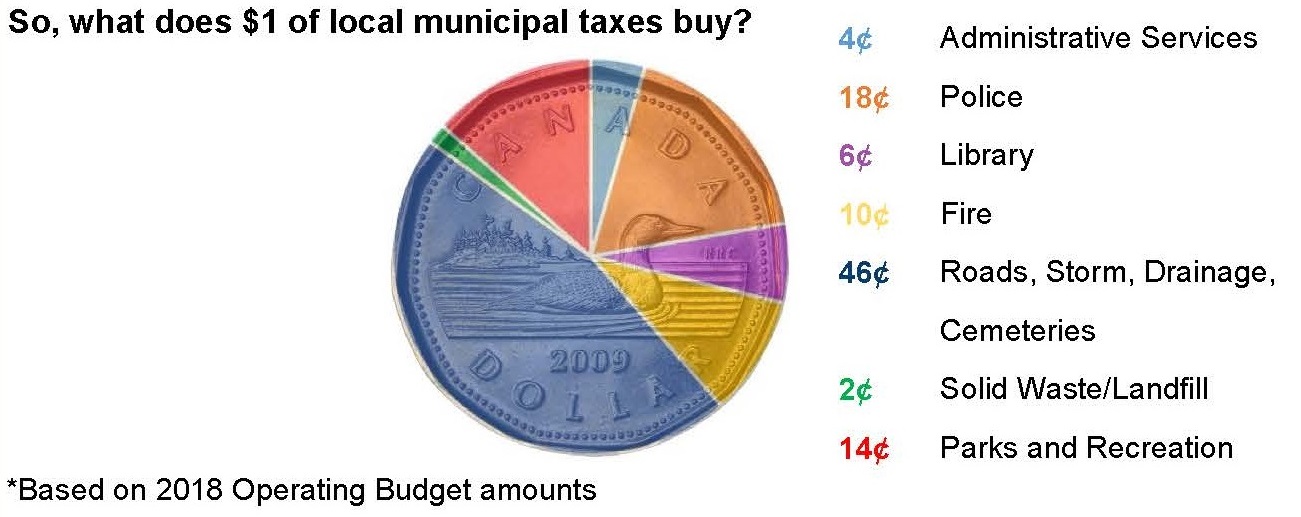
Elected officials such as county/city commissioners, the governor, state officials, legislators, President, and members of Congress will decide how to pay for public services with the money collected from our taxes and how to share the tax burden. Take an active role and find out if your candidate shares your views and will spend your money wisely.

A huge chunk of your income is dedicated to taxes. In fact, the average family paid more than $12,000 in federal income taxes last year!

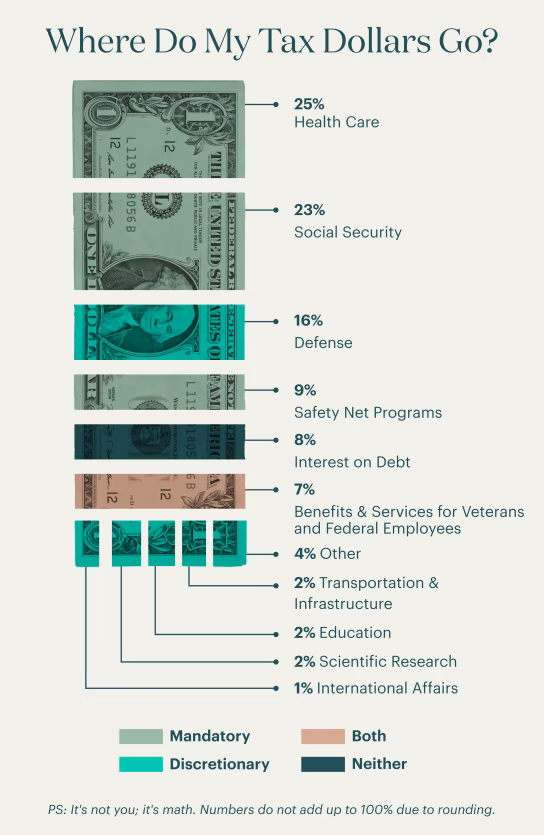
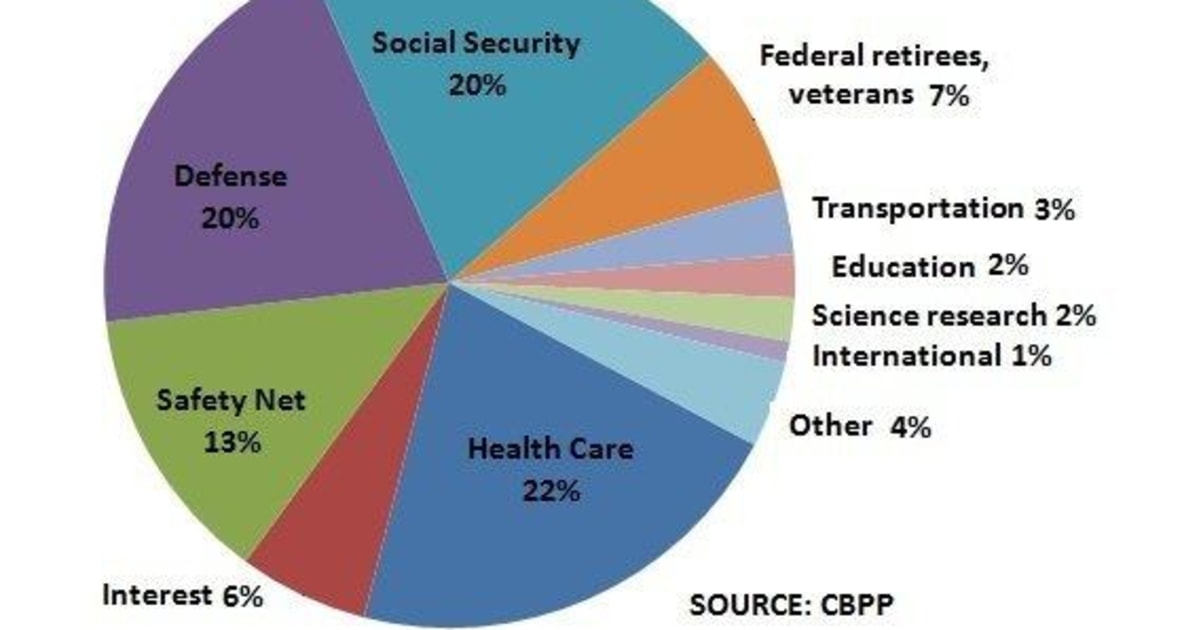
As a taxpayer, you hand over the dough to keep some important federal programs afloat. If you’ve ever been curious about where your tax dollars go, check out these seven ways the government spends your tax money:

Health programs: Your taxes go to fund health programs like Medicaid, Medicare, Children’s Health Insurance Program and general health initiatives. Together these programs account for around 28% of last year’s federal budget.

Military: Your taxes also help pay for national defense and security-related programs. Funds in this category support the Department of Defense and the cost of international military programs.

Social Security: More than 60 million Americans received Social Security benefits in 2016. Beneficiaries include retired workers, surviving children and spouses of deceased workers, and disabled workers.

Interest on the national debt: It’s no secret that the government isn’t gazelle intense about paying off its debt. The national debt is $17 trillion, and the federal government relies on your taxes to make the interest payments on the borrowed funds. Last year, the interest payments claimed around 6% of the federal budget.

Veteran benefits: There are around 22 million veterans in the U.S., and your income taxes help cover their pensions, medical care, education programs and disability payments. The government also funds the operation of VA medical facilities and clinics.

Food and agricultural benefits: This category includes assistance programs like the Supplemental Nutrition Assistance Program, the National School Lunch Program and Federal Crop Insurance.

Education programs: Pell Grants, work study programs, student aid and elementary and secondary education initiatives are funded through your income taxes.

What If You Don’t Agree with Federal Spending?

As much as we’d sometimes like to pull the plug on our own tax bills because we don’t agree with how the federal government is spending our money, you still need to pay your taxes. Not doing so has legal consequences and could also lead to debt that might derail your financial goals and credit score.
But you can take some actions if you don’t agree with how the federal government is spending your tax dollars:
  • Contact your legislators. Find your representatives in the House of Representatives and the Senate, then contact them about your concerns. Don’t forget to contact your state representatives as well as your US representatives.
  • Use your vote. Vote for candidates for president, the House of Representatives, or the Senate who align most closely with your policy beliefs and who may be more likely to spend money in a way you agree with.
  • Get involved. Learn more, get involved with grassroots change efforts, or sign or create petitions for change.
1

Write your 2nd Body paragraph
2nd body APEC paragraph-(EXPLAIN ) How my taxes are spent

Assertion-Proof-Explanation-Connection
"A" - a statement of what you intend to prove
"P" - some evidence or examples that illustrate the assertion
"E" - an explanation of how the evidence proves the assertion
"C" - a statement connecting the assertion to the thesis (Theme) of your paper

After you complete your paragrah you will color code each sentence using the color code above
students are required to color code their APEC sentences, students highlight the desired sentence and a bar will appear, then click on the black circle and the different colors will appear. Select the desired color and what you originally highlighted will become the desired color

Info for the 3rd paragraph
3rd body APEC paragraph- (JUSTIFY) weather/how this make my family's future better
Remember you will have to take a side- voting does or does not make my famil'y future better

Voting Affects Your Job.
When you vote for a member of Congress, the President, the governor and your legislators they make decisions that affect minimum wage, fairness in hiring, pay equity, job security, workplace safety, and health insurance provided by your employer. (Making your voice heard though voting) (weather/how this make my family's future better)

Vote to Improve Your Child's Education
Local and state school board members who you elect will make decisions on policies and budgets that will affect how well prepared your children will be for their future. Your Legislators, governor, members of Congress, and the President also make decisions that affect the cost and quality of public schools and higher learning institutions. Vote to place your children and grandchildren in good hands. (Making your voice heard though voting) (How my taxes are spent) (weather/how this make my family's future better)

Healthcare is Affected by Your Vote.
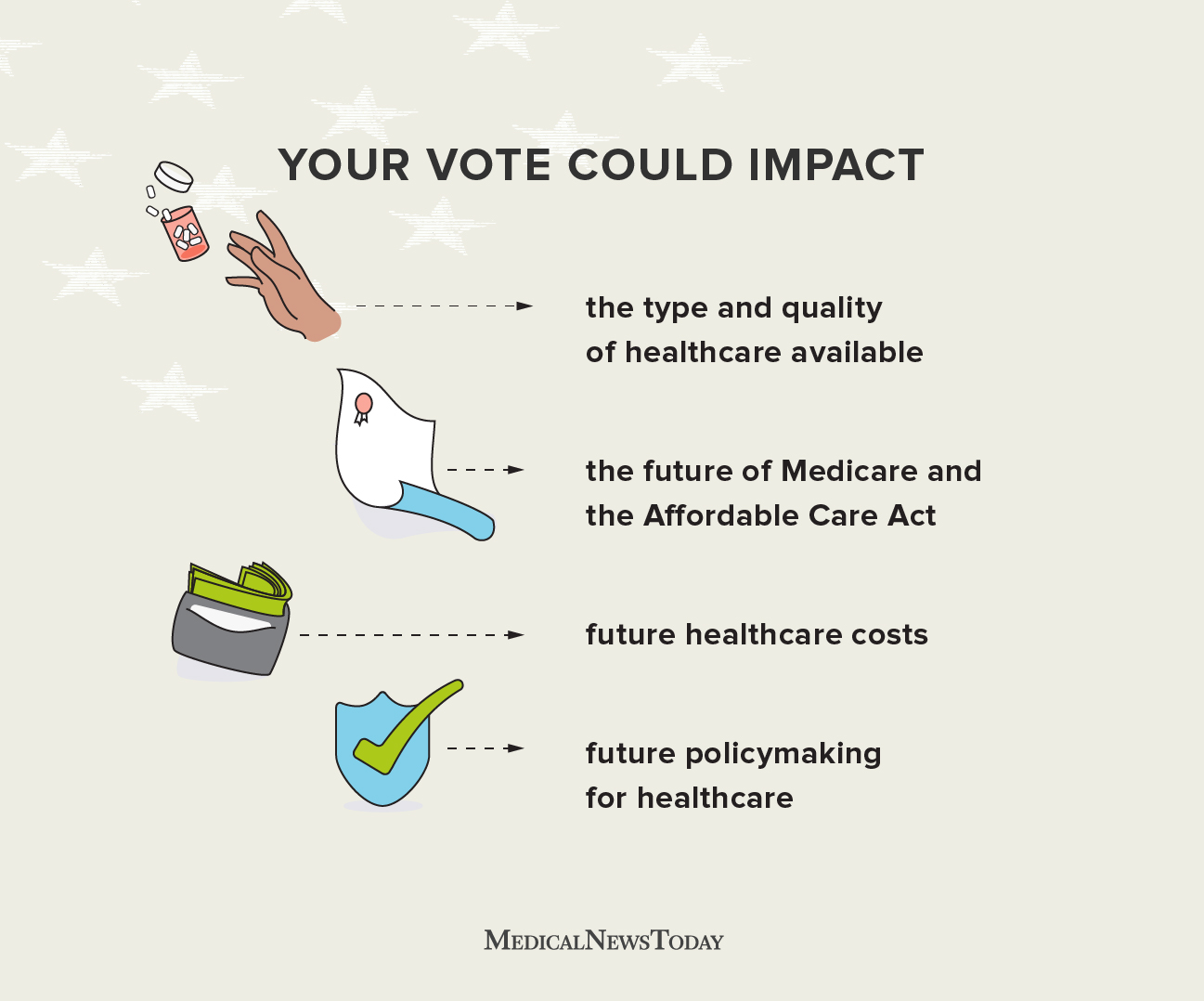
Your vote grants the governor, legislators, and Congress the right to take action and pass or reject laws that will determine your access to health care. Vote and elect people who have your best interest in mind. Do it for your love ones, so they can have access to a Healthcare that represents your views. (Making your voice heard though voting) (How my taxes are spent)

Social Security is Affected by Your Vote
Whomever you elect for president and Congress will decide how much payroll tax you pay and what Medicare services you receive and share payment for. They also make decisions on cost of living increases and benefit schedules for your Social Security pension. (Making your voice heard though voting) (How my taxes are spent)

Vote to Improve the Safety of Your Neighborhood.
Elected officials like sherrif's and judges make day to day interpretations and decisions on laws that will affect your community, law enforcement, crime prevention, traffic patterns, and where to build schools, parks, and recreational places. (Making your voice heard though voting) (weather/how this make my family's future better)

Vote to Improve Your Highways.
Have you ever wondered why we have so many roads with potholes and no one seems to be doing anything about it? The people you elect like commissioners, legislators, governor, and members of Congress take an active role deciding what highways are needed, what public transit to support and how the bill will be paid. Vote to elect people who will do something to fix the problems we face. (Making your voice heard though voting) (How my taxes are spent)
1

Write your 3rd Body paragraph
3rd body APEC paragraph- (JUSTIFY) weather/how this make my family's future better

Remember for this paragraph you must give and JUSTIFY your opinion weather Voting DOES or DOES NOT make your family's future better. This sentence will also be your Assertion sentence

Assertion-Proof-Explanation-Connection
"A" - a statement of what you intend to prove
"P" - some evidence or examples that illustrate the assertion
"E" - an explanation of how the evidence proves the assertion
"C" - a statement connecting the assertion to the thesis (Theme) of your paper

After you complete your paragrah you will color code each sentence using the color code above
students are required to color code their APEC sentences, students highlight the desired sentence and a bar will appear, then click on the black circle and the different colors will appear. Select the desired color and what you originally highlighted will become the desired color

1

Now lets cut and paste our 3 APEC body paragraphs together in one place. Cut and paste each body paragraph (question 2, 3, 4) HERE (Be sure to double spece between paragraphs so you are left with 3 distinct paragraphs)

Introductions for academic papers

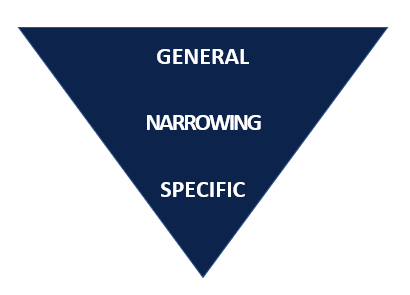
An introduction is the first paragraph of your paper. The goal of your introduction is to let your reader know the topic of the paper and what points will be made about the topic. The thesis statement that is included in the introduction tells your reader the specific purpose or main argument of your paper. These can be achieved by taking your introduction from "general" to "specific."

Think of an introduction paragraph in an academic paper as an upside-down triangle, with the broadest part on top and the sharpest point at the bottom. It should begin by providing your reader a general understanding of the overall topic. The middle of the introduction should narrow down the topic so your reader understands the relevance of the topic and what you plan to accomplish in your paper. Finally, direct your reader to your main point by stating your thesis clearly.
By moving from general subject to specific thesis, your audience will have a more concrete understanding of what your paper will focus on.

  1. GENERAL- This refers to the broader topic you will address in your paper and its significance for the reader. For example, it might let your reader know you are writing about "climate change." Example: Climate change caused by humans is having a drastic effect on the world.General
  2. NARROWING- This is where you guide your reader to see your purpose for this particular paper. These sentences should give the reader an idea of what the context is for the topic. For example, it's not that you want to merely discuss climate change in general, but instead want to discuss the effects on yearly temperatures and how citizens can act. Example: However, the damage is not only affecting glaciers and rivers. Temperatures are starting to noticeable shift in cities and neighborhoods that have been otherwise consistent for centuries. Addressing the issue may require challenging decisions by individuals who have grown comfortable with their lifestyles and my be unaware of how their choices contribute to climate change.Narrowing
  3. SPECIFIC- This is where you narrow the focus to your argument, or your Thesis Statement. It is no longer about "climate change" or "human action," for example, but taking the argument all the way to your specific point. Example: While it has long been convenient to ignore how small changes may have a compounding effect on slowing climate change, it is vital to consider the extent to which measures such as eliminating single-use plastics can provide meaningful help.Specific
Introduction- 2 steps

First, State the subject and its importance
Example: The right to vote is foundational to democracy.
Then

Use your Thesis statement and Prompt that summarizes what the paper will set out to do
Example: Although many people choose not to vote, voting in a democracy is critical to make your voice heard and influence how taxes are spent. In fact, voting has made/could make my family’s future better.
OR
On the other hand, voting has not always made my family’s future better.

1

CONCLUSIONS

Conclusions for academic papers

An academic conclusion paragraph reminds your reader of the main points of your paper and summarizes the “take away” or significance of the conversation.

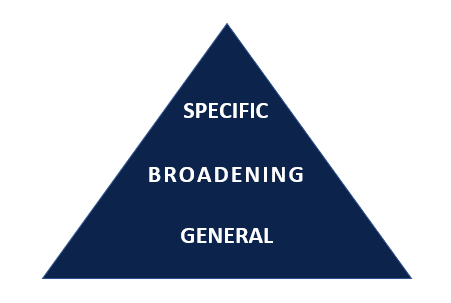
Think of your conclusion as an upside-down introduction paragraph. Returning to the triangle analogy from academic introductions:


SPECIFIC- Begin with your rephrased thesis statement to remind your reader of the point of your paper. Since it is the specific point you aimed to support, it is the best way to begin a conclusion. Example: While no single action is going to reverse centuries of unregulated degradation to the atmosphere, something as minor as lessening societal reliance on plastic appears to be a reasonable first step toward progress.Specific

BROADENING- Summarize the points you made in your paper and show how they support your argument; tie all the pieces of your paper together. This is how you broaden the scope of your thesis one last time. Example: Reducing the greenhouse emissions will play a huge part in keeping our atmosphere balanced from a climate perspective. The extent to which such factors help will have a direct correlation to the sacrifices citizens of the world are willing – and able – to make. Over time, small changes such as this may add up to a restored consistency in the climate, fewer natural disasters, healthier water, and happier people.

GENERAL- Tell your reader what the significance of your argument might be. Why is the discussion important? Do you want your reader to think differently, question something, or perform some action? Make a recommendation of what your reader should "do" with the information you just gave them, or share the importance of the topic. This is where you look into the general future, hoping your reader can take something from your paper. Ex: Whether such seismic shifts in societal behaviors are feasible is a separate discussion, but the evidence suggests that doing so could lead to a future where it can be said that climate change was solved, not made worse, by humans.

Sentence Starters

When writing a conclusion paragraph, it is important to review all the great and interesting points that were made in the essay. The first sentence should make it clear the essay is coming to a close. Here are some simple ways to get the job done:
  • In summary
  • In brief
  • In conclusion
  • In general
  • In this way
  • In short
  • As stated
  • As expressed
  • As you can see
  • As a result
  • To review
  • To sum it up
  • To summarize
  • To conclude
  • Therefore
  • Thus
  • Hence
  • Lastly
  • Overall
  • Finally
  • For these reasons
Conclusion

Sentence Starters

When writing a conclusion paragraph, it is important to review all the great and interesting points that were made in the essay. The first sentence should make it clear the essay is coming to a close.

Here are some simple ways to get the job done:
In summary
In brief
In conclusion
In general
In this way
In short
As stated
As expressed
As you can see
As a result
To review
To sum it up
To summarize
To conclude
Therefore
Thus
Hence
Lastly
Overall
Finally
For these reasons
1

Write your Conclusion

1

Now lets cut and paste our essay together for the first draft

cut and paste your Introduction (question #5)

double space

cut and paste your 3 body paragraphs (question #4) and make them all the same color black

double space

cut and paste your conclusion (question #6)

make sure each paragraph is distinct and separate so you have 5 clean paragraphs