Ɛhia
0.25
Ɛhia
0.25
Ɛhia
0.25
Ɛhia
0.25
Answer these questions about information we learned about in Semester 1. We will go over the questions you did not complete through a Kahoot.
Rubric:
32-35 correct = Exceeding
27-31 correct = Meeting
21-26 correct = Approaching
20 correct or less = Beginning
What is a source that is created at or around the time of an event by someone was present?
What is a source that is created after the time period by an expert called?
Drag the source example on the left to either primary or secondary.
An original Korean War uniform worn by your great-grandfather.
An autobiography about Benjamin Franklin, written by Franklin.
A newspaper article from 1773 that wrote about the Boston Tea Party (1773).
A biography about the life of Thomas Jefferson.
A book written about the Revolutionary War
A chapter in your U.S. history textbook about Indigenous People.
Primary Sources
Secondary Sources
Match the term on the left to the definition on the right.
| Draggable item | arrow_right_alt | Corresponding Item |
|---|---|---|
Longitude | arrow_right_alt | A set of lines that run east and west around the globe (horizontal) |
Latitude | arrow_right_alt | A set of lines that run from the North Pole to the South Pole (vertical) |
Which of the following was NOT one of the three regions of the 13 colonies?
Write a Level 1 Question about any information we have learned in this class so far.
Write a Level 2 Question about any information we have learned in this class so far.
Select all of the following that are one of the 4 Lenses.
Match the buzzword on the left to correct lens on the right.
Evidence (Sources)
Laws
Physical features
Government
Rights of citizens
Resources
Money
Cause and effect
Past events
Human-environment interaction
Wealth and poverty
Climate
Geography
History
Economics
Civics
Match the branch of government on the left with the main role they do on the right.
| Draggable item | arrow_right_alt | Corresponding Item |
|---|---|---|
Legislative Branch | arrow_right_alt | Enforce laws |
Judicial Branch | arrow_right_alt | Make laws |
Executive Branch | arrow_right_alt | Ensure that laws are fair, equal, and constitutional. |
Which of the following does NOT tell you whether a source is primary or secondary?
Which of the following was not one of the main European countries to colonize the New World (the Americas)?
Match the vocab term on the left to its definition on the right.
| Draggable item | arrow_right_alt | Corresponding Item |
|---|---|---|
Taxation without Representation | arrow_right_alt | A place that is settled by a group of people outside their home country and is ruled by the home country. |
Colony | arrow_right_alt | A colonist who rejected British power and wanted the colonies to be independent. |
Taxation | arrow_right_alt | A colonist loyal to the British government. |
Patriot | arrow_right_alt | The government requires citizens to pay an amount of money for the country. |
Propaganda | arrow_right_alt | The government requires people to pay money without letting them vote or getting their opinions |
Loyalist | arrow_right_alt | Misleading information that promotes a specific point of view. |
Does the description of slavery on the left talk about Slavery in Africa or Slavery in America? Drag each statement over to the right.
Enslaved people were not treated much different than the poor.
Enslaved people had little to no hope of earning freedom.
Enslaved people could earn their freedom
Children of slaves were forced into slavery.
Children of enslaved people were not forced into slavery.
Enslaved people were treated harshly, seen as less than human, and the law did not protect them or give them rights.
Slavery was based on race.
Enslaved people were often criminals or conquered people, it was not based on race.
Slavery in Africa
Slavery in America
The French and Indian War was fought between France and the Native Americans against
Match the term or event on the left to its description on the right.
| Draggable item | arrow_right_alt | Corresponding Item |
|---|---|---|
Quartering Act (1765 & 1774) | arrow_right_alt | A protest in response to the Tea Act where colonists dressed up as Native Americans and dumped a bunch of tea on 3 British Ships. |
Boston Tea Party | arrow_right_alt | An event in Boston where there was a violent confrontation between British soldiers and colonists and British soldiers killed five colonists. |
Boston Massacre | arrow_right_alt | A series of acts passed by the British after the Boston Tea Party were meant to punish Massachusetts and send a message to the other colonies. |
Coercive Acts (Intolerable Acts) | arrow_right_alt | A meeting in September 1774, in which men from 12 colonies met to discuss recent events in the colonies and create a response to these events. |
First Continental Congress | arrow_right_alt | A law that required colonists to provide housing and food for British soldiers and pay for it. |
Select all of the items below that the British taxed the colonists on.
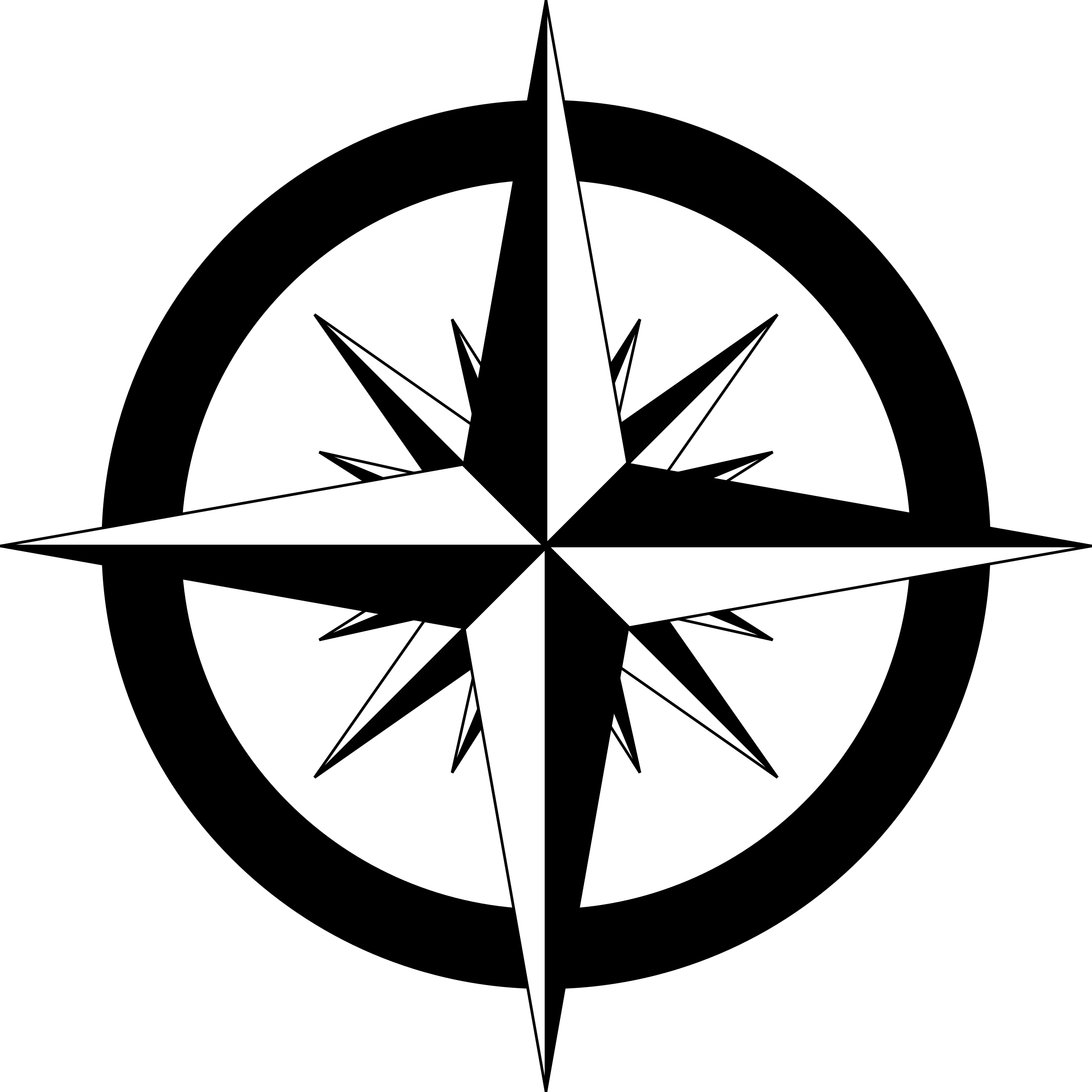
What direction is 4 on the Compass Rose?
What direction is 5 on the Compass Rose?
What direction is 6 on the Compass Rose?
What direction is 7 on the Compass Rose?