Asemmisa {{asɛmmisaAhyɛnsode}}
1.
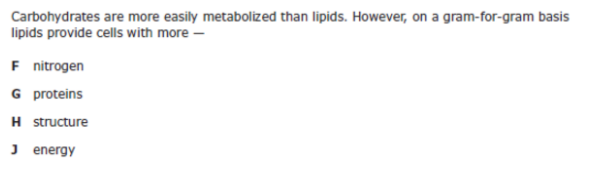
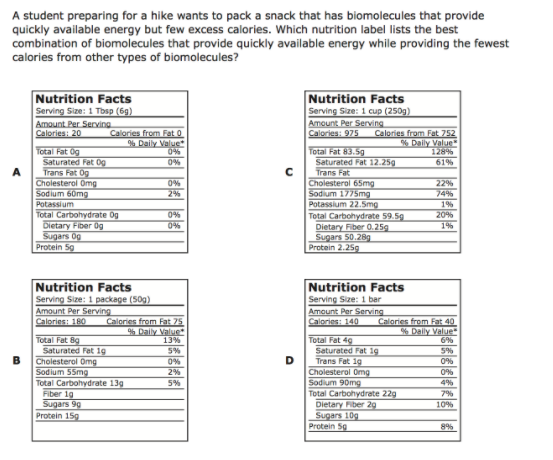
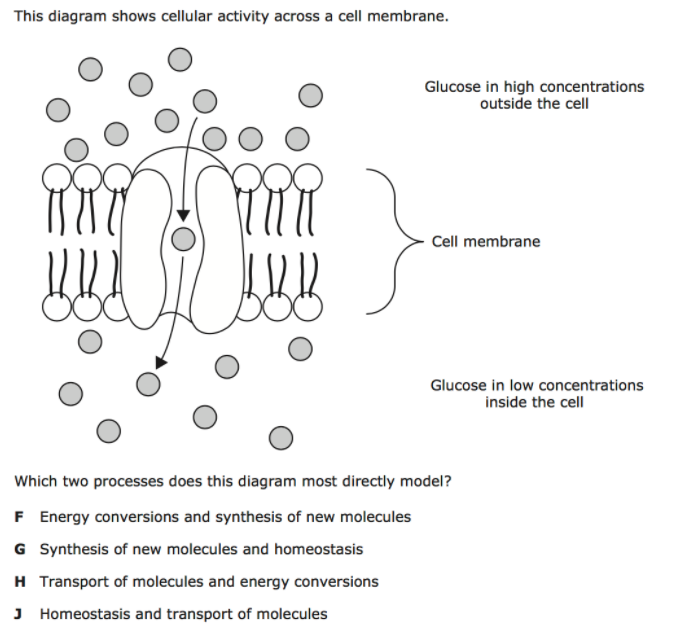
Which is the correct order in which mitosis occurs?
During which stage of meiosis does crossing over occur?
What is the main difference between meiosis and mitosis?
During which stage of meiosis does crossing over occur, and what is the significance of this process?
What is the end result of meiosis in terms of chromosome number and genetic composition?
What is the difference between mitosis and meiosis in terms of genetic variation?
What is the difference between meiosis I and meiosis II?
What is independent assortment, and how does it contribute to genetic variation?
What is the purpose of Punnett Square?
Perform a Punnett square and then find the probability of each predicted genotype and phenotype appearing in the F1 generation. Red is dominant over yellow.
What is the probability of the parents in cross above resulting in a tomato plant offspring that is homozygous?
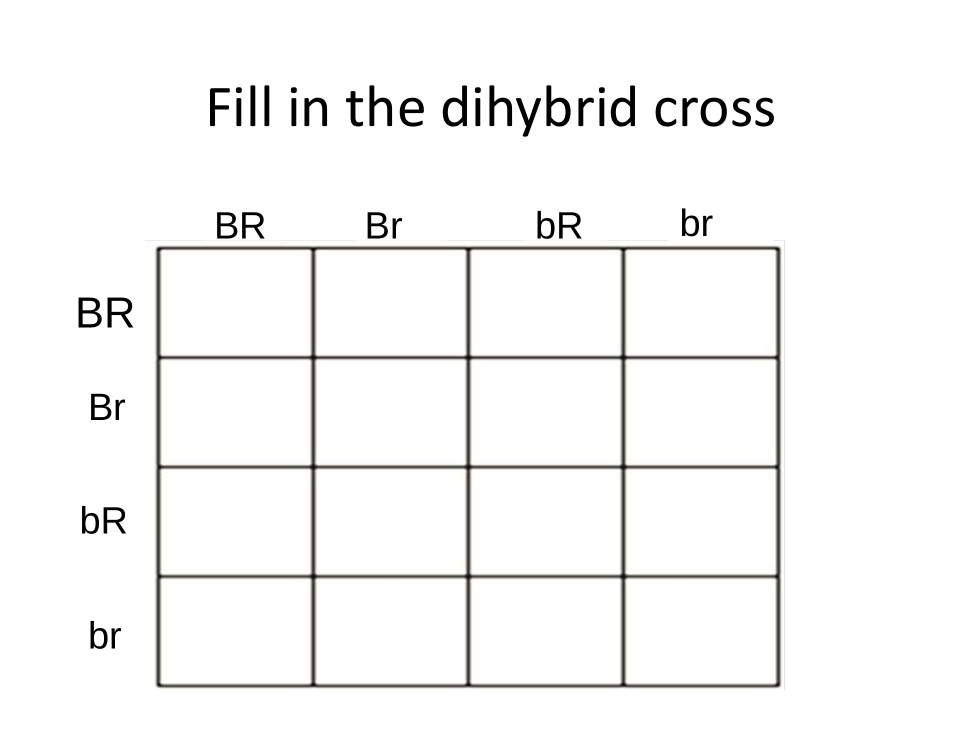
If B is for a dominant beak and R is for a dominant ridges, how many will have the dominant phenotype for both?
Some diseases are passed from parents to offspring through their genes, these are considered genetic diseases. Some of the inherited disorders that fall into this category include Tay-sachs disease, sickle-cell anemia, hemophilia, and cystic fibrosis. A child can suffer from one of these diseases only if both parents pass on a recessive gene for the disease. Cystic Fibrosis results in the body producing abnormally thick, sticky mucus which clogs the lungs leading to recurring infections.
If an individual has the genotype FF will they have cystic fibrosis?
If an individual has the genotype Ff will they have cystic fibrosis?
If an individual has the genotype ff will they have cystic fibrosis?
Some diseases are passed from parents to offspring through their genes, these are considered genetic diseases. Some of the inherited disorders that fall into this category include Tay-sachs disease, sickle-cell anemia, hemophilia, and cystic fibrosis. A child can suffer from one of these diseases only if both parents pass on a recessive gene for the disease. Cystic Fibrosis results in the body producing abnormally thick, sticky mucus which clogs the lungs leading to recurring infections.
When you fill in the cross, make sure you put the Bs toghether and the Rs together