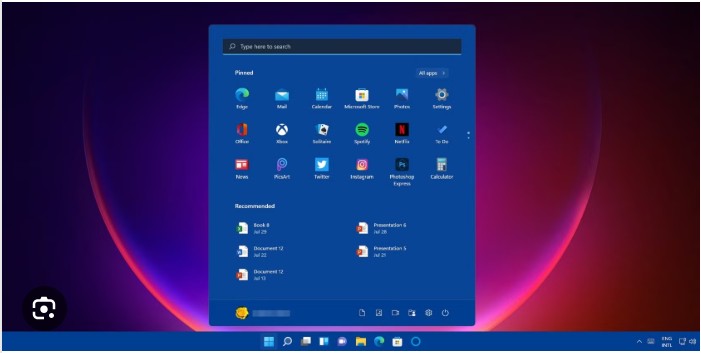
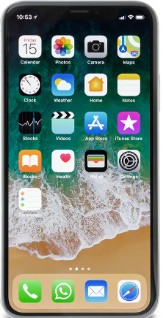
This lesson focuses on the characteristics of computing devices/tools, features of a computer system, and definition of general-purpose and purpose-built computer systems, with a dash of Computing history.
In today's lesson, we are going to learn some really exciting things about the machines and devices we use everyday.
Today, we are going to learn about a bunch of 'Computing devices'.
Before we start today's lesson, we need to focus on these two words:
Calculate
Compute
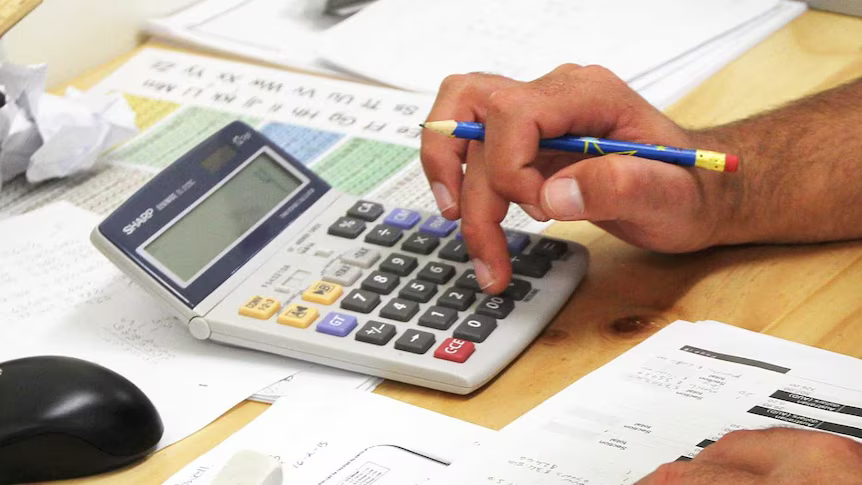
When we calculate something, we work with numbers and some formulae, and we use our brains to work out the result.
Compute is usually referred to calculations with the help of a tool or device.
It is quicker and usually more accurate and precise. This is because humans can make mistakes, especially when they get tired, but machines and devices don't get tired. Their system does not get foggy like our minds sometimes do! So if the tool or device is not broken, it always generates a more accurate result in calculations.
It is reliable and consistent.

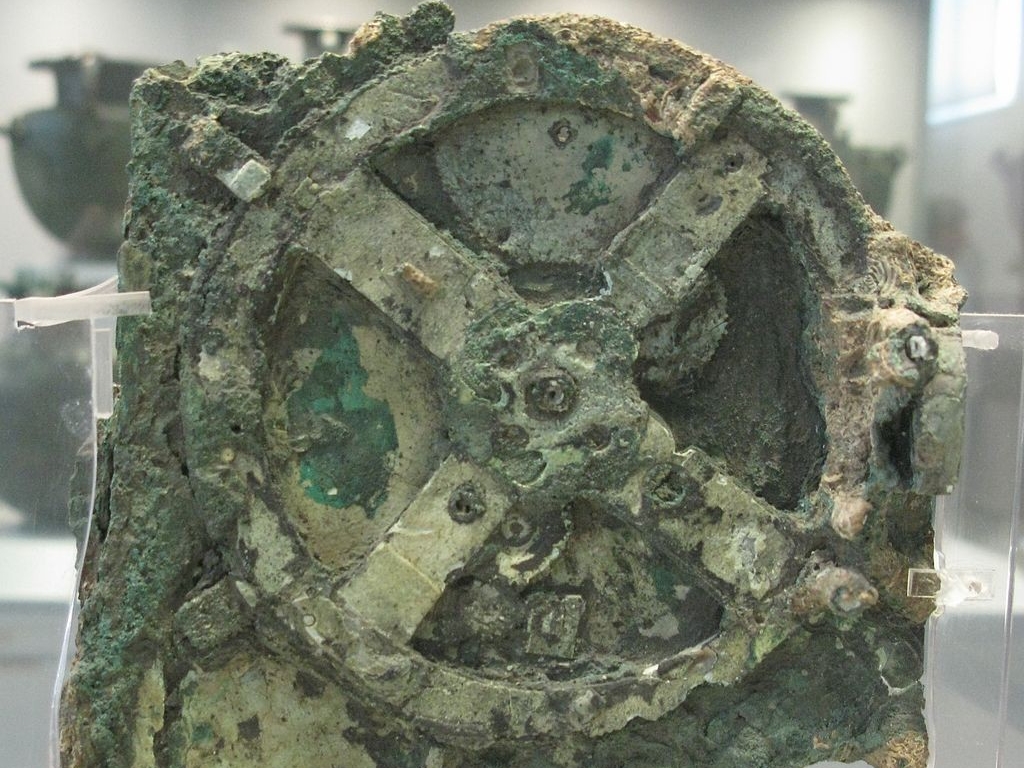
Now...look at this weird thing!
You might think it is an ancient wheel discovered by archaeologists (people who dig ancient areas to discover new things about history, people, civilisations).
But it is in fact the 'Antikythera' mechanism.
It was discovered from a shipwreck in 1900 by a group of divers, near a Greek island called Antikythera, at the depth of 45 metres below sea surface.
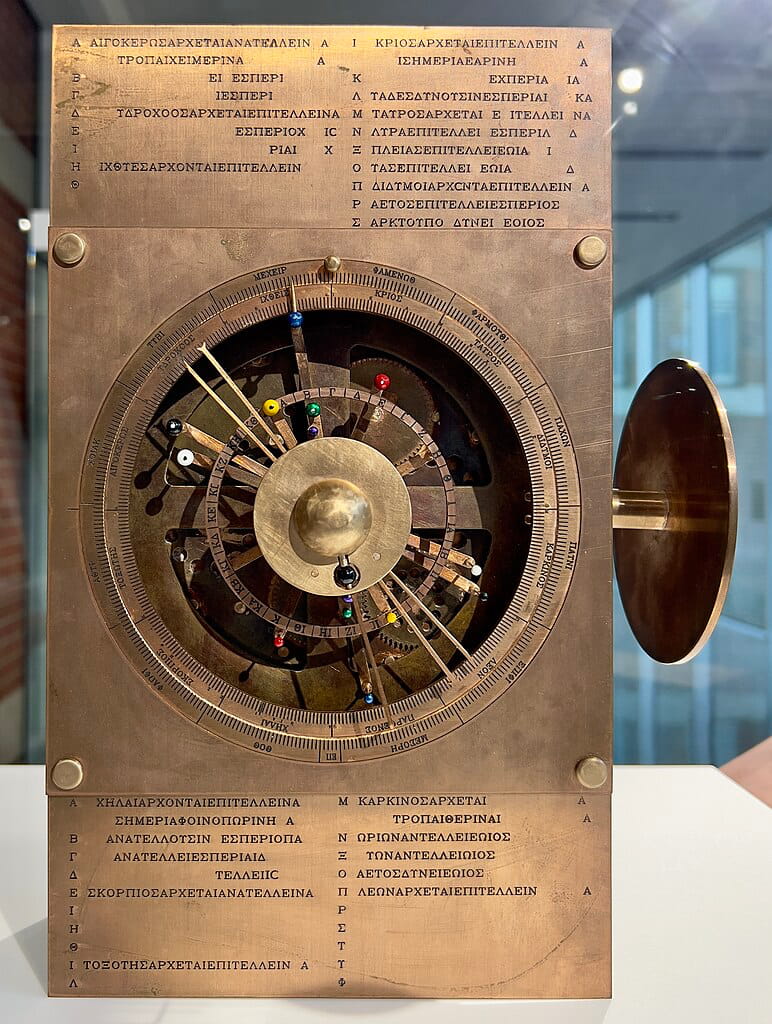
Today, scientists and engineers with the use of very modern x-ray tools and computers have made a replica of it. Looks stunning!
But what did it do?
Well...
It's a device from the Mediterranean about 2000 years ago.
It modelled the movements of the known planets, phases of the moon, lunar and solar eclipses and more. It could predict the positions of celestial objects and eclipses decades in advance.
How would it be operated?
A dial was turned on one side to a date the user was interested in, and the device would move all its axils and gears to show all the things for that particular date, which could be in the past or future.
It was essentially an analogue "computer" in the sense that it took information in (turn the dial to the desired date) and gave data out (the position of planets etc) using a mechanical process.
Required
4 points
4
Question 1
1.
So, what could the 'Antikythera mechanism' show to humans?
Required
1 point
1
Question 2
2.
Could we call the 'Antikythera' mechanism a 'computing device'?
Required
0 points
0
Question 3
3.
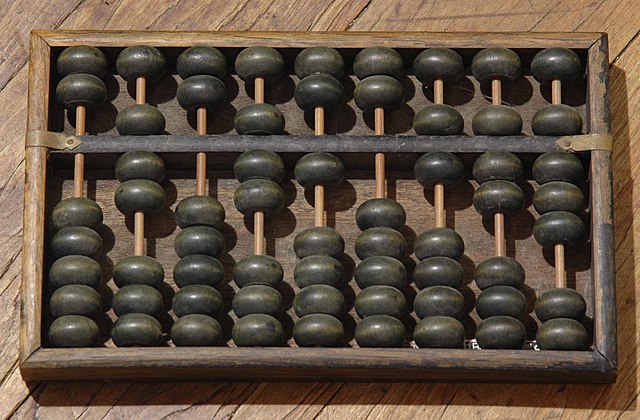
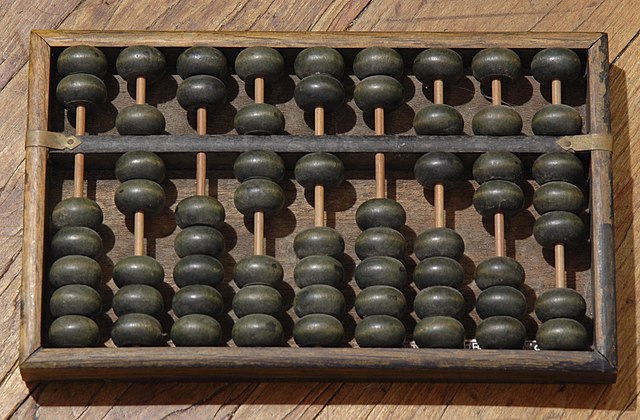
Do you know the name of this device? If yes, write it.
To those who typed in the word 'Abacus', bravo and well-done!
Abacus dates back nearly to 5000 years ago.
It was a hand-operated device invented by the Sumerians to make their calculations faster.
It could perform addition, subtraction, multiplication and abstraction.
Required
1 point
1
Question 4
4.
Can we call the 'Abacus' a 'computing device'?
So, up to this point, we have learnt that:
Not all computing devices or systems look similar to our today's modern computer systems.
From 5000 years ago, humans have been trying to invent tools and devices that could calculate different things, whether numbers, planet positions, eclipses or the geographical orientation.
They were all, in a way, a computer. They could compute, meaning a machine that could calculate.
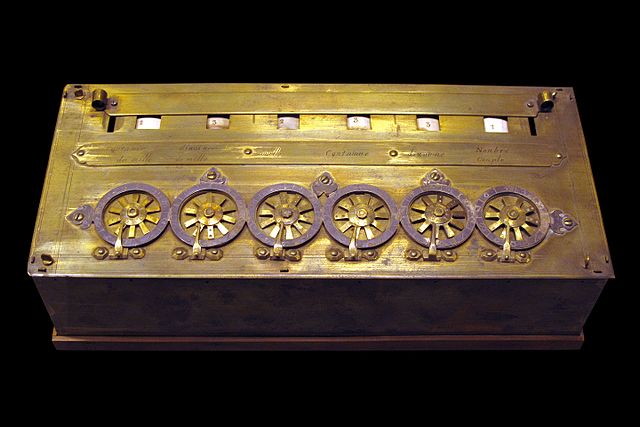
Pascaline
This is the very first mechanical calculator invented by Blaise Pascal, a French mathematician, in 1642.
The machine could add and subtract two numbers directly.
It could also perform multiplication and division through repeated addition or subtraction.
Pascal's calculator was especially successful in the design of its 'carry mechanism', which adds 1 to 9 on one dial, and carries 1 to the next dial when the first dial changes from 9 to 0.
Required
1 point
1
Question 5
5.
Is 'Pascaline' a computing device?
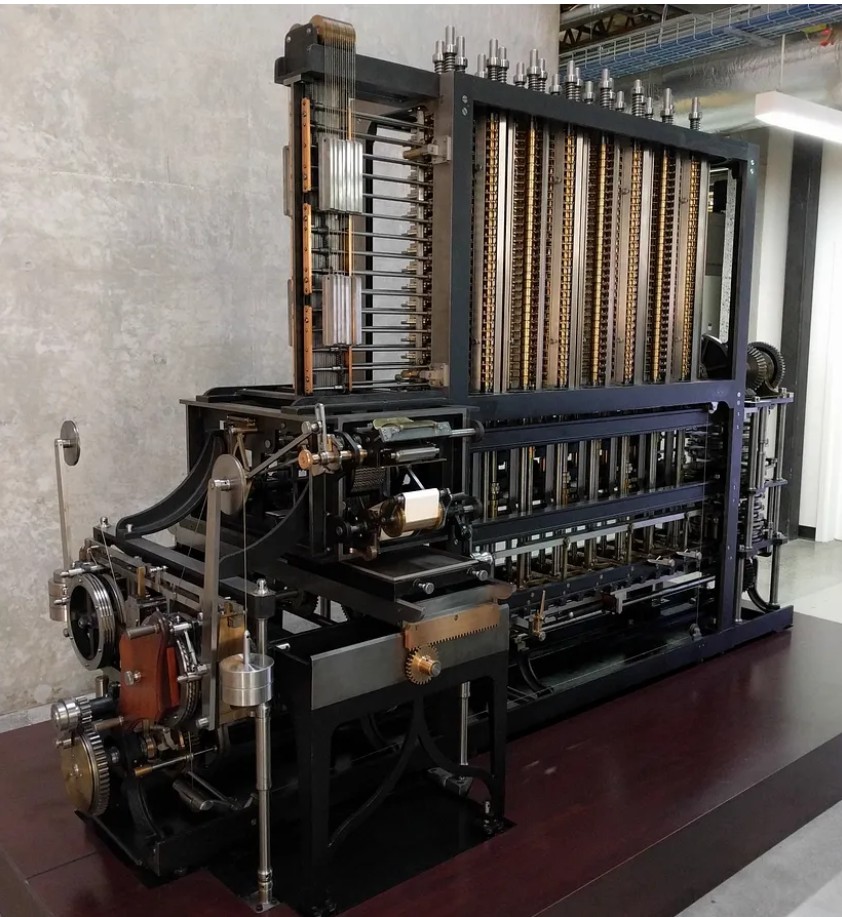
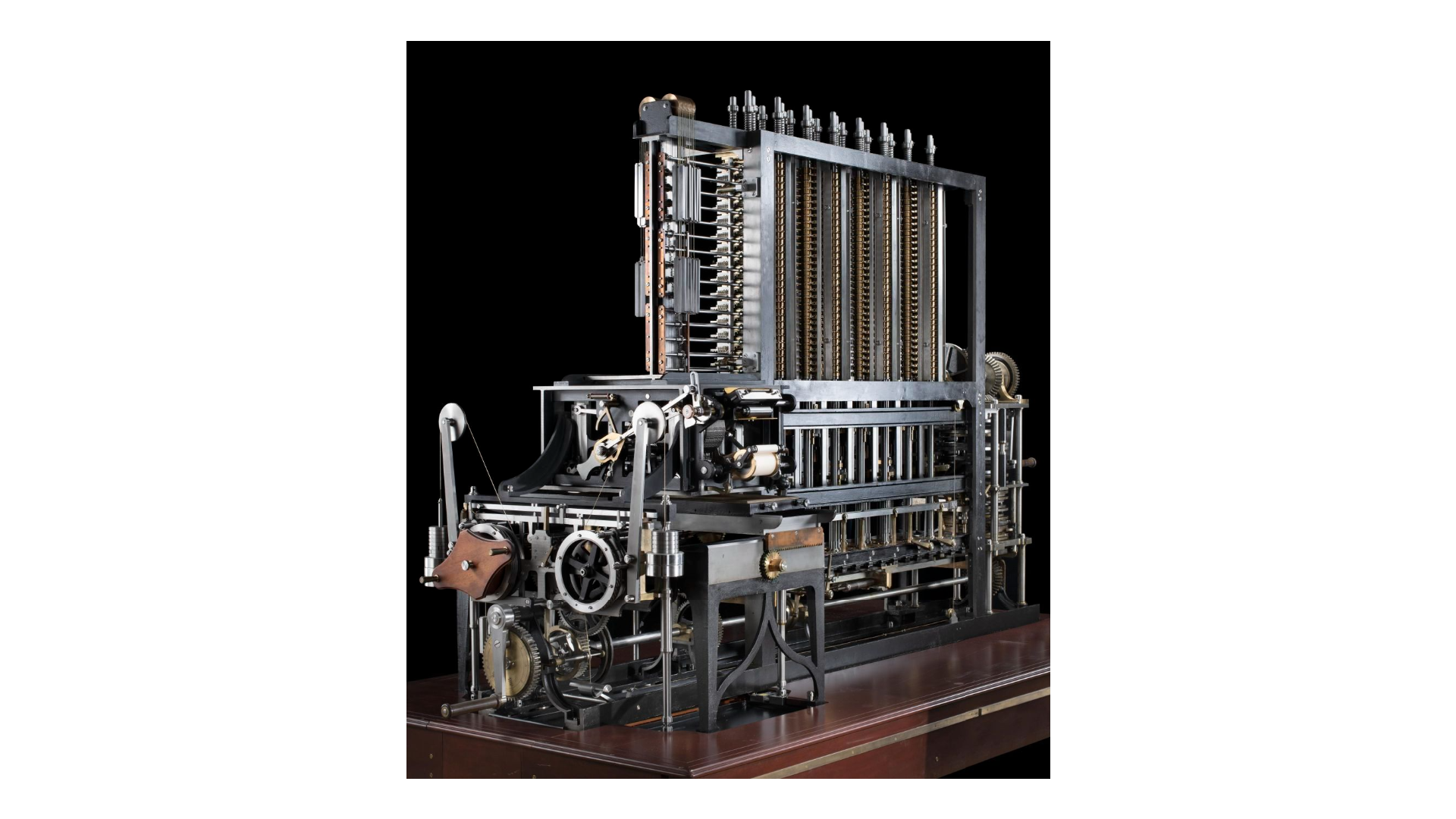
Difference Machine
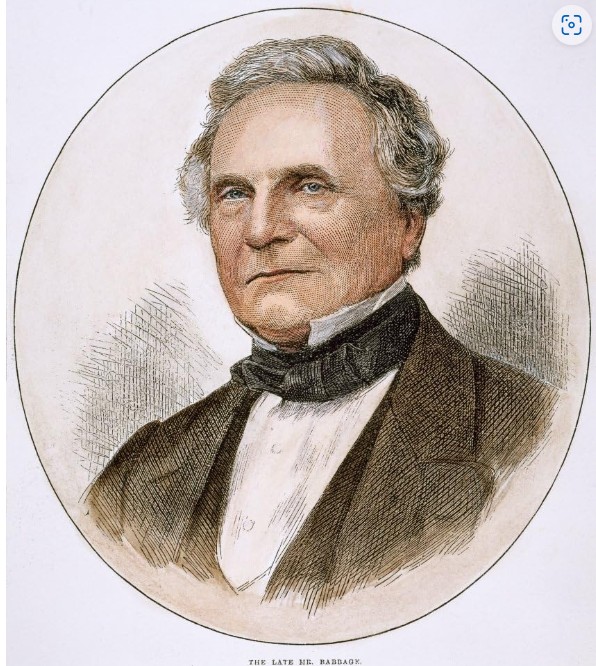
This wonderful computing machine, called the 'Difference Machine', was designed by Charles Babbage.
Mr. Babbage is given the title 'The Father of Computers', and the reason is his invention.
If you paid attention, all the previous computing devices were only able to perform basic mathematical calculations, but a human had to operate them.
Charles' invention was the very first mechanical computing device, which could be programmed.
It is important because if a machine is programmable, it means humans can write the program, give it to the machine, stand aside and the machine can automatically perform operations. It does not depend on humans anymore once a program (set of instructions) is given to it.
Unfortunately, Mr. Babbage died before he could practically construct all the parts of the machine that he had designed on paper.
In year 2000, a group of scientists and mathematicians, decided to follow Charles' diary and journals to construct the whole machine, which you can see in the picture, and it worked!
It was the very first machine that had a unit for processing, a memory and even a printer.
See?! These are the parts of every modern computer we see and use today.
Required
3 points
3
Question 6
6.
So, in what way was Charles Babbage's 'Difference machine' better and more advanced than the machines before it?
Required
4 points
4
Question 7
7.
Tick the boxes that go in the definition of a computing system/device.
Required
6 points
6
Question 8
8.
Tick the ones that can be considered as a 'computer system'.
You've done great so far!
Now, think about all the devices and machines we went through.
Think about what they are designed to.
Are they designed to do a single task, a set of tasks, or could they do anything?
All the machines and devices we talked about, are limited to only one task or a set of tasks.
A washing machine is capable of washing clothes, adjusting water temperature, adjusting the cycle speed, and semi-drying the clothes.
A dishwasher is capable of washing the dishes, adjusting water temperature, choosing to wash the upper tray, lower tray or both, and dry the dishes.
Mr. Babbage's Difference Machine was capable of doing mathematical calculations.
Air-Con can cool the air, heat the air and dry the air based on your input on the remote control.
These devices are called 'purpose-built' computer systems.
They are designed and programmed to perform one or few tasks.
Your dishwasher cannot play music for you.
And your digital alarm clock cannot cool the air for you.
Your microwave oven cannot take photos for you.
Required
6 points
6
Question 9
9.
Think about your Chromebook, or the desktop PC you're sitting at, or a laptop or your smart phone if you have one.
Write 6 things these computer devices can do for you.
E.g.: I can read .pdf books on my Chromebook.
Required
13 points
13
Question 10
10.
Match the programs(apps) with what we can do using them on our smart phones
Draggable item
arrow_right_alt
Corresponding Item
arrow_right_alt
This app/program can open .pdf file for us so we can read text and e-books.
arrow_right_alt
Using this app/program, we can make phone calls on our mobile lines.
arrow_right_alt
This app/programs makes it possible for us to take pictures or record videos.
arrow_right_alt
Using this app, we can listen to music, make our own playlists and stores our favourite music in its library.
arrow_right_alt
This app/program makes it possible for us to chat, send video or voice message and have video calls or voice calls over the Internet.
arrow_right_alt
This is the calculator app/program. We can do calculations.
arrow_right_alt
This app/program shows us the date, keeps the date updated, and we can also organise our daily work using it. It send us notifications for our meetings, doctor's appointments, birthdays, exams, etc.
arrow_right_alt
It is a gaming app. We can play games and keeps us entertained.
arrow_right_alt
This is a navigation app. It uses Google maps to help us find our way or places near us.
arrow_right_alt
This app/program makes it possible for us to watch videos.
arrow_right_alt
This one show us the current/future weather and temperature for any city that we want. It can also give us warnings about bad weather.
arrow_right_alt
This one show us the time, we can also set time, set alarms, set timers and use it as a stop watch as well.
arrow_right_alt
These apps/programs are used for going through webpages and websites on the Internet. They can also remember our username and password for different websites or emails.
Well-done you!
Desktop computers, Laptops, Chromebooks, tablets and smart phones can do so many different tasks if we give them the right programs (set of instructions).
That is why we call them 'General-purpose' computer devices.
You cannot do anything other than washing clothes with a washing machine.
But with your general-purpose computer system, if you install the proper application or program, you can get them to do anything for you.
That is why millions of people in different professions use general-purpose computers, such as doctor, engineers, teachers, students, bank workers, architects, artists, fashion designers, pilots, police officers, etc.
They are used everywhere from airports and train stations to space stations, from cafes and restaurants to colleges and hotels and hospitals. You see them everywhere at work thanks to thousands of programs and applications written by coders and programmers.
Required
2 points
2
Question 11
11.
What is the most important difference between a general-purpose computer system and a purpose-built computer system?
Required
1 point
1
Question 12
12.
All computer systems work on the basis of getting _______ , _______ it using programs and instructions and giving our desired _______ .
Required
1 point
1
Question 13
13.
Programs or applications are a set of _______ which tell the computer system what to do and how to process input data/information.
Required
1 point
1
Question 14
14.
General-purpose computer systems can do almost any task with the right program.
Required
1 point
1
Question 15
15.
A smart phone is a _______ computer system.
Excellent!
You reached the end of this lesson.
Today you learnt:
What a computer system is.
What a general-purpose computer system is.
what a purpose-built computer system is.
What program/ instruction is.
How to tell if a computer system is a general-purpose one or a purpose-built one.
That every computer works on the basis of input, process using instructions, and output.