LR257.3: Cells and Levels of Organization #1

Last updated 11 months ago
25 questions
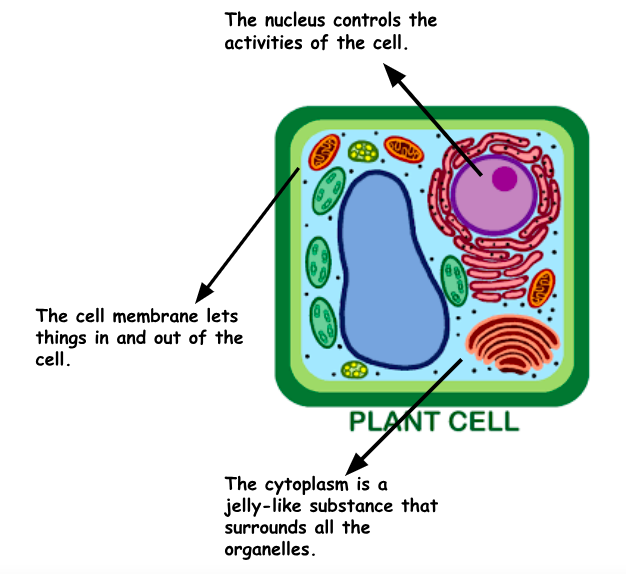
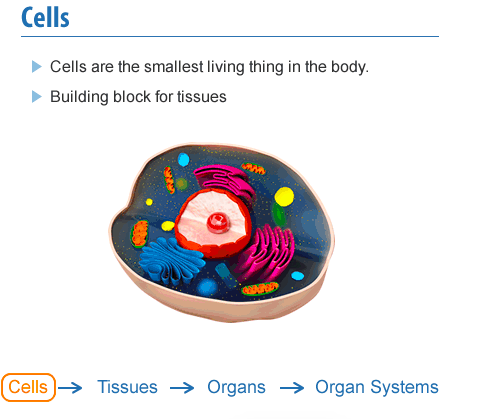
Let's review the parts of a plant cell that you have learned about over the last month, starting with the nucleus, cell membrane, and cytoplasm.


Required
1
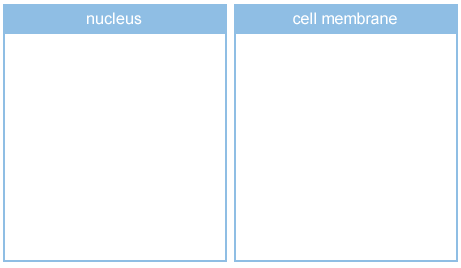
What parts of the human body are most similar to the nucleus and cell membrane?
Other Answer Choices:
Required
1

The cytoplasm is the jelly-like substance that helps the cell keep its shape. It is made up of water and nutrients. What characteristics of the cytoplasm show that it contains water?

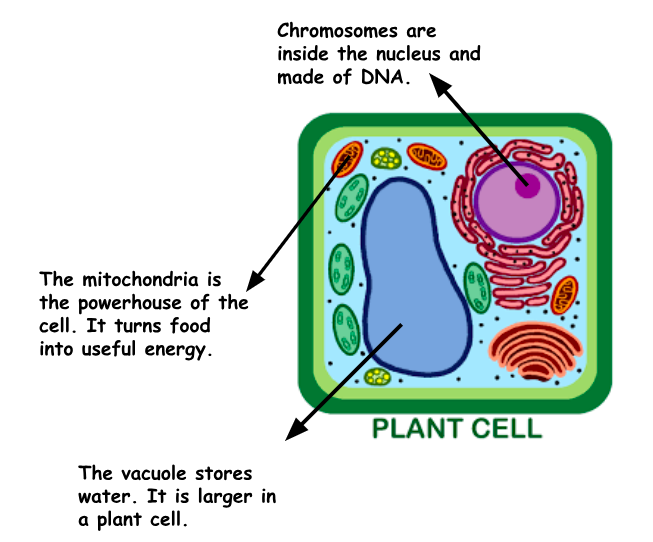
More organelles in a cell include the mitochondria, vacuole, and chromosomes.

Required
1
__________take in nutrients and break them down. This gives the cell __________.__________ store water and are larger in a __________.
__________ is made of DNA and found inside the __________.
Required
1
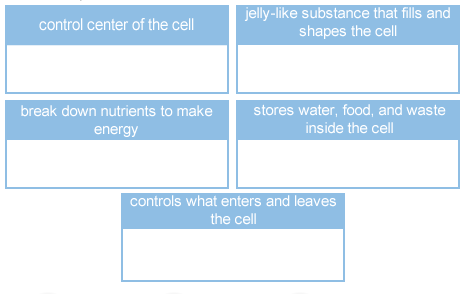
Match the part of the cell to its function.
Other Answer Choices:
vacuole
nucleus
mitochondria
cytoplasm
cell membrane
Required
1
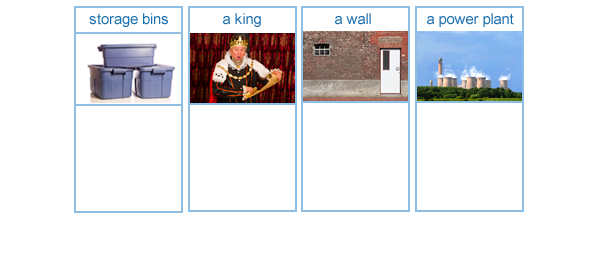
Different cell parts support the cell in different ways. Which real-life example is each cell part most similar to?
Other Answer Choices:
cell membrane
nucleus
vacuole
mitochondria
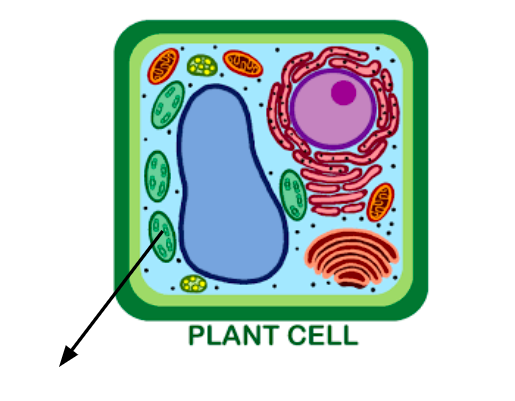
Plants cells have two additional organelles.

Required
1
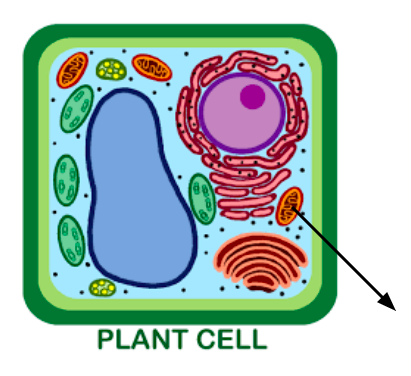
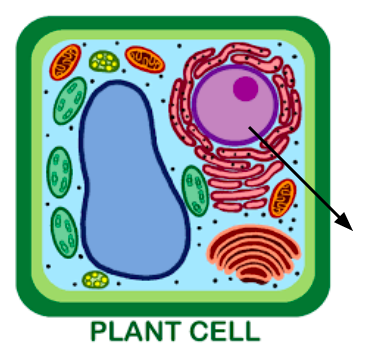
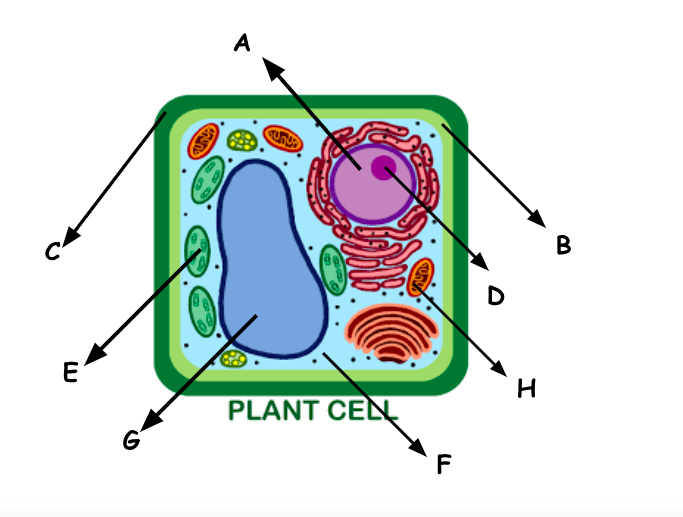
What cell part does each job?

The __________ is the command center of the cell.
The __________ is the powerhouse of the cell and makes energy.
The __________stores water and is larger in a plant cell.
The __________lets things in and out of the cell.
The __________are found inside the nucleus and are made of DNA.
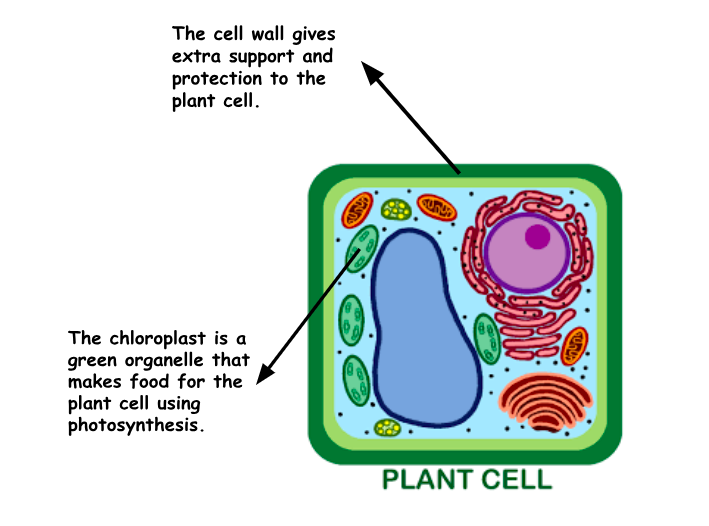
The __________ protects and supports the plant cell.
The __________is a jelly-like substance that surrounds the organelles.
The __________is a green organelle that makes food for the plant cell.
Required
1

How are all plants different from animals?

Required
1

Plants get their energy from the Sun. However, animals cannot get their energy from the Sun. What does this tell us?

Required
1

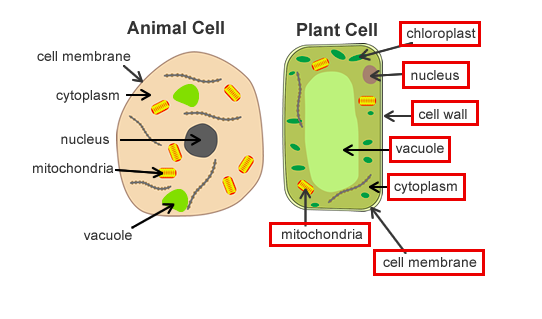
Click on the parts of a plant cell that are not found in an animal cell.

Required
1

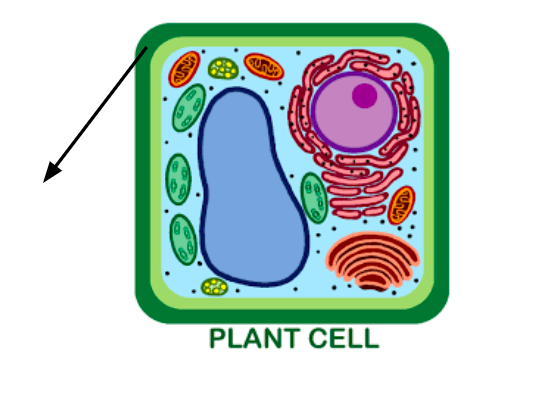
Match the description and picture of the cell part.

Draggable itemCorresponding Item
creates food for the cell using photosynthesis
Makes energy for the cell
helps protect the cell and give it a rigid shape
Controls the cell
Required
1

Which of the following are not found in an animal cell? (choose 2)

Check for Understanding:

1. Chloroplasts and the cell wall are cell parts that are only found in plant cells.

2. Chloroplasts use the Sun's energy to create food for a plant.

3. The cell wall helps protect a plant cell and gives it a rigid, rectangular shape.
Required
1

What is the nucleus?

Required
1
Pick the cell organelle that goes with the definition:
__________a rigid structure that protects the cell and gives the cell its shape.
__________the thin outer layer of the cell that controls what enters and leaves the cell
__________the jelly-like substance that fills the cell
__________a storage area for water, food, and waste inside the cell
Required
1
Pick the cell organelle that goes with the definition:
__________structures that burn food to make energy for the cell
__________structures that create food for the cell from the Sun’s energy
__________structure that controls the cell
__________structures that are inside the nucleus and are made of DNA
Required
1
Other Answer Choices:
cell wall
nucleus
chloroplast
cytoplast
mitochondria
chromosomes
cell membrane
vacuole
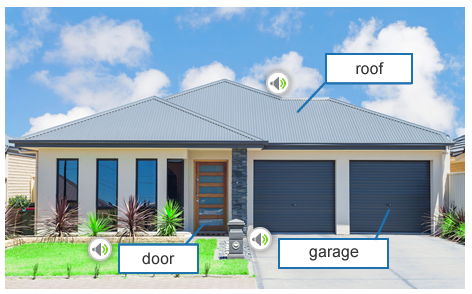
When you look at a house, you see one whole building, but if you have ever seen a house being built, you know there are many systems and pieces to put it together.

Which systems make up a house?

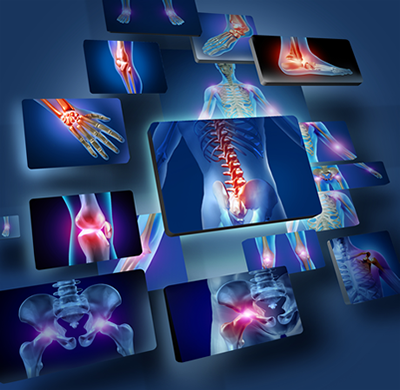
Just like a house is composed of many systems and parts, the human body is equally as complex.

Levels of organization of the human body.


Organism: A living thing that can function on its own.
Required
1

Put the Levels of Organization in order from simplest on the top to most complex on the bottom.

  1. cell
  2. organ
  3. tissue
  4. organism
  5. organ system
Required
1
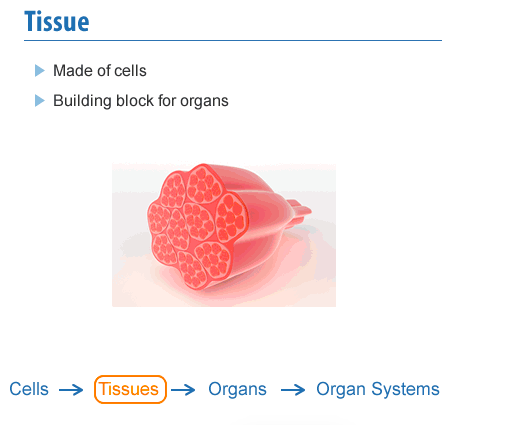
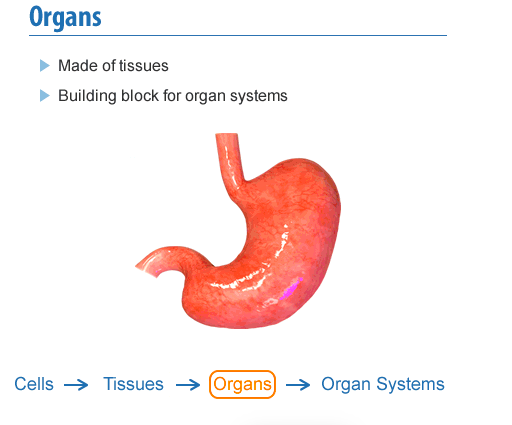
Tissues work together to form a special body part, called a __________that fulfills a special function for the body.
Required
1
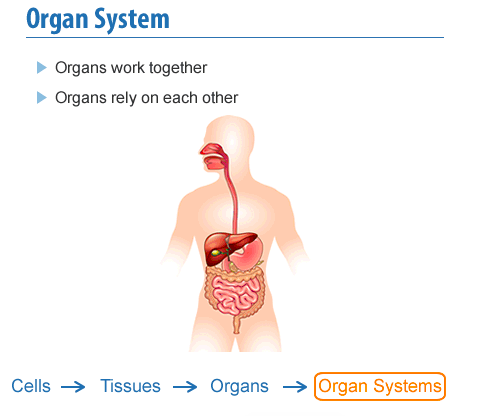
If one organ in an organ system stops working, the other organs in the system will __________.
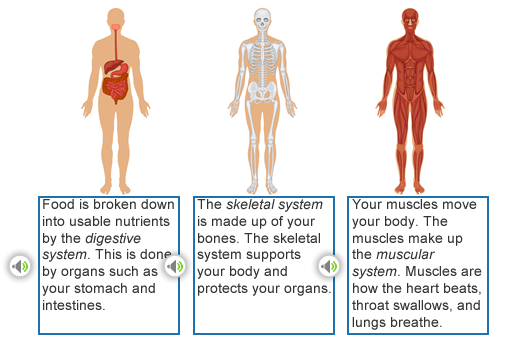
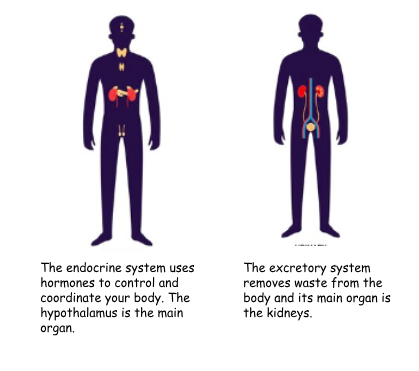
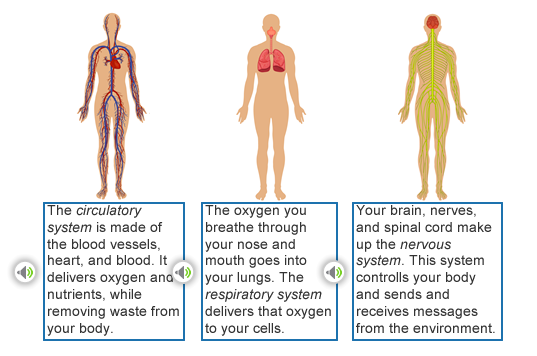
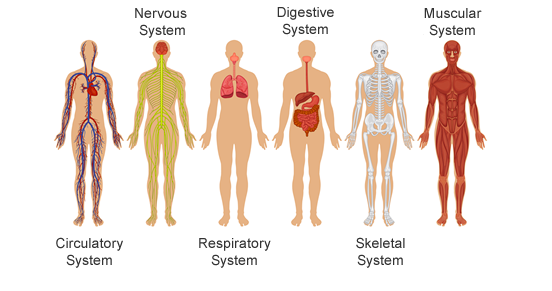
The body is divided into organ systems. The organ systems are responsible for specific functions that keep your body running.

Required
1

Which of these are NOT organ systems of the human body. (choose 3)

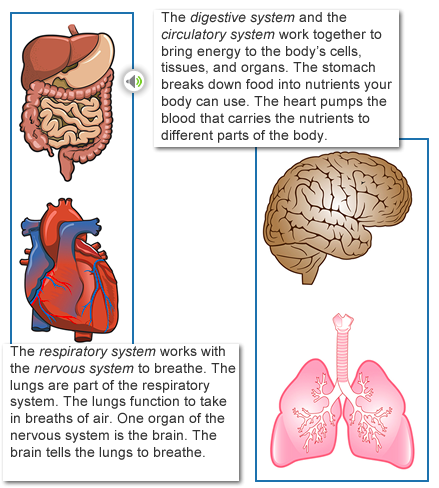
Just like individual organs work together to form organ systems, different organ systems work with each other to help the body function. Without one organ system, the other systems will struggle function.

Required
1

Organ systems do not work together.

Required
1

The skeletal system helps you stand, and the muscular system helps you to move. Which of the following functions will those organ systems work together to complete. (choose 3)

Required
1

Organ systems working together are most similar to:

Required
1

The stomach, large intestine, and small intestine are all organs in the digestive system. If the small intestine stopped working, which of the following would be likely to happen?

Check for Understanding

1. Organs work in groups called organ systems.

2. Organ systems work together to perform tasks and body functions.

3. If one organ, or organ system, does not function properly, the other organs and systems can also suffer.
Required
1

Your body is digesting food and using it for energy. Select the system being used.

Required
1

A cell is to a tissue as an organ is to a(n)