1
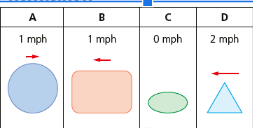
Of the objects shown, which one(s) do not
have energy in their kinetic energy stores?
Of the objects shown, which one(s) do not have energy in their kinetic energy stores?
Of the objects shown, which one(s) do not have energy in their kinetic energy stores?
A car speeds up. What happens to its kinetic energy store?
A student is going to school. During the journey, sometimes they are stationary, sometimes they are running and sometimes they are walking. When do they have the most energy in their kinetic energy store?
When does the kinetic energy store of an object change?
When is the kinetic energy store of an object zero?
An athlete is sprinting. When they are doing this, they have 400 J in their kinetic energy store. How will the number of joules in their kinetic energy store be different if they slow down to walking pace?
The fuel in a car’s fuel tank has 100 kJ in its chemical energy store. We use all of this fuel to increase the kinetic energy store of the car.
a) How much energy is in the chemical energy store of the fuel when the fuel has been used up?
The fuel in a car’s fuel tank has 100 kJ in its chemical energy store. We use all of this fuel to increase the kinetic energy store of the car.
b) What is the maximum amount of energy that could be in the kinetic energy store of the car once all of the fuel has been burned (assuming none is lost to the surroundings)?
What are the three ways in which the elastic energy store can be increased in an object?

When the catapult is pushed down, which energy store of the person has decreased?
When the catapult is pushed down, which energy store of the catapult has increased?
When the catapult is fired and the ball flies, which energy store of the catapult has decreased?
When the catapult is fired and the ball flies, which energy store of the ball has increased?