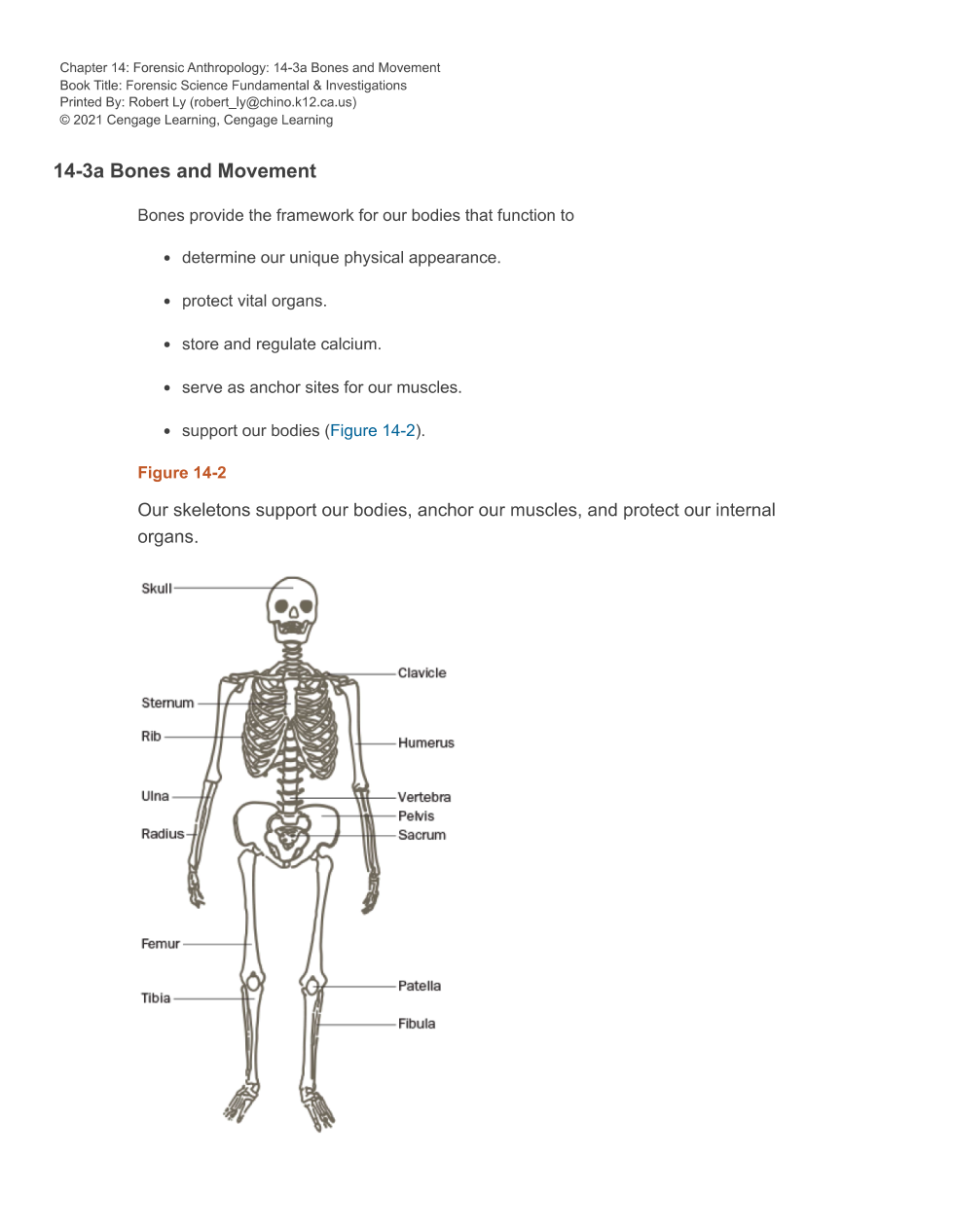
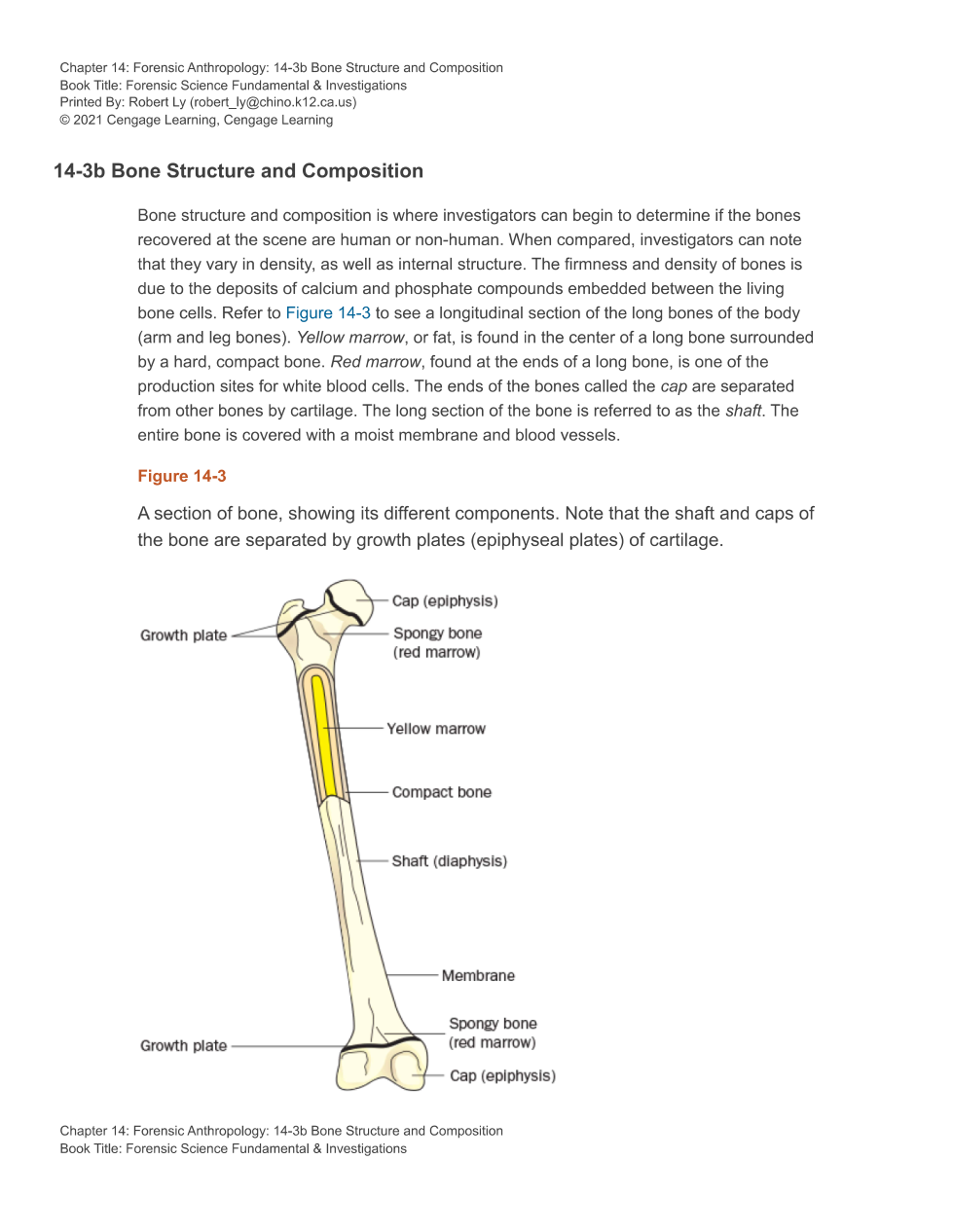
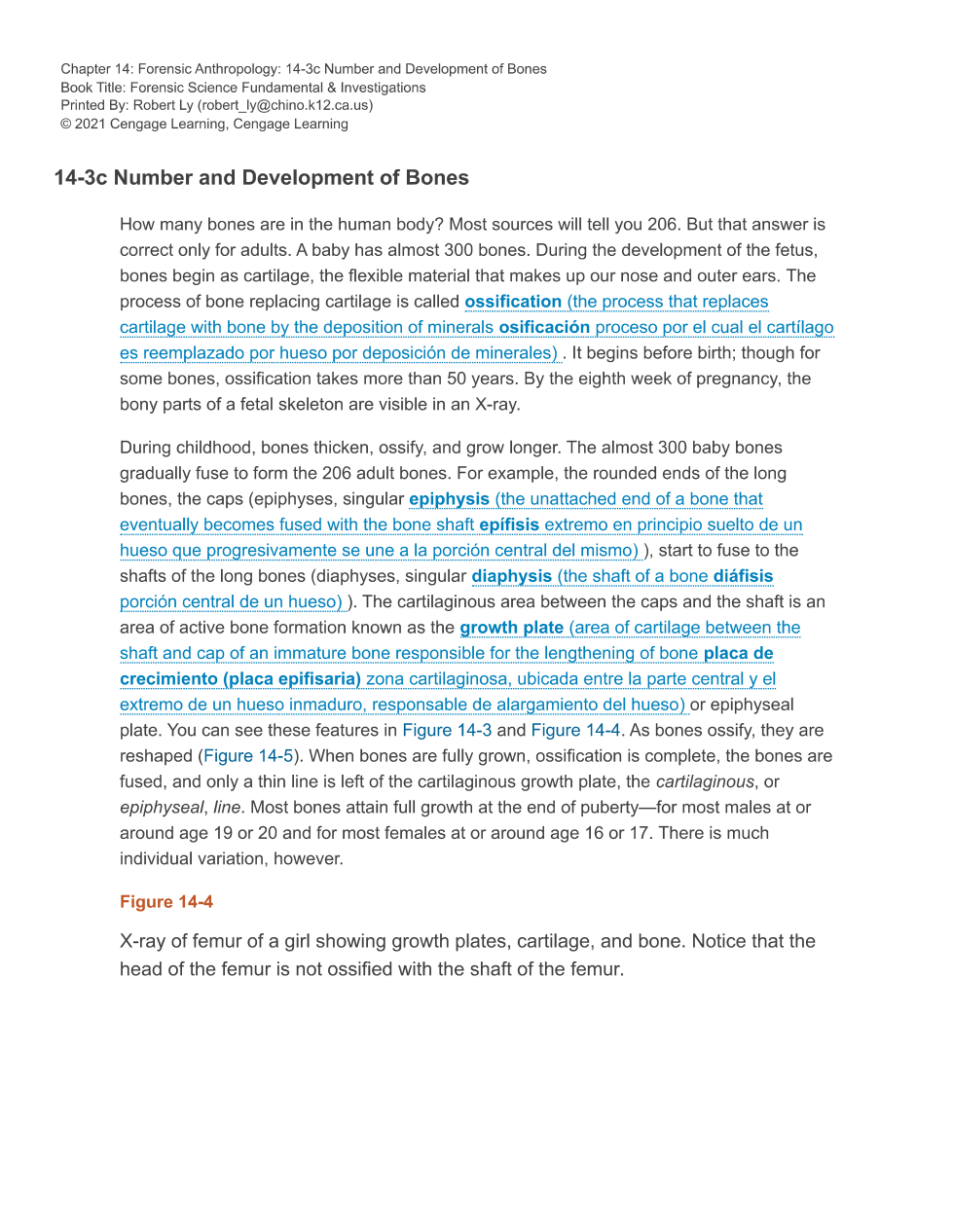
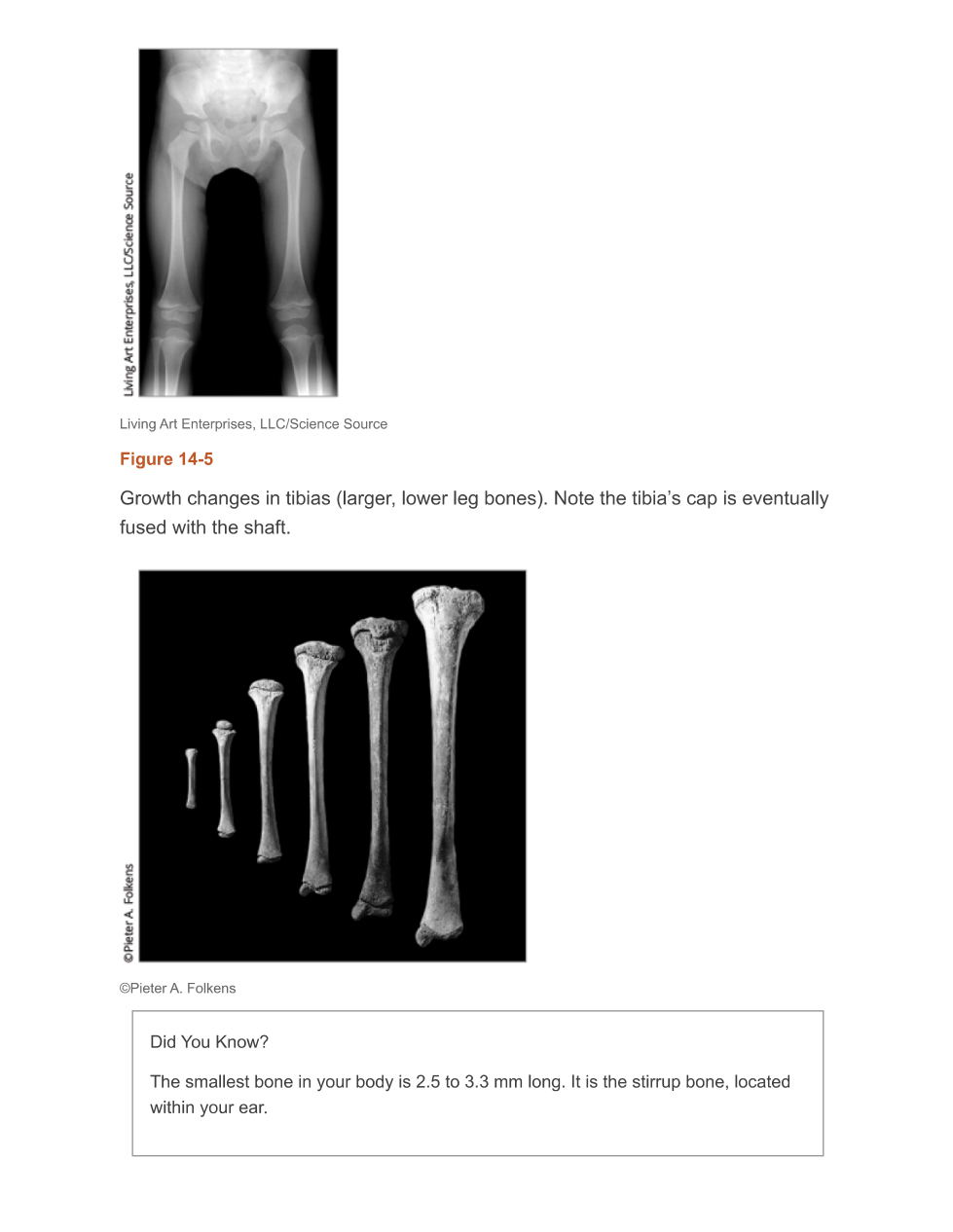
Determining sex is crucial when analyzing unidentified human remains. The os pubis, sacrum, and ilium of the pelvis are bones that have the most obvious differences between men and women, along with the shape of the skull, the shape of the mandible (jaw), and the size of the occipital protuberance (bump) at the back of the skull. A common way to determine sex is by observing the size of the bones; males tend to have larger bones than females. Males also tend to have larger areas for muscle attachment. The sacrum is straighter in females and more curved in males. The space in the middle of the pelvic bone is larger in women to make birthing easier.

For a more accurate determination, a forensic anthropologist can remove the os pubis from the front of the pelvis and examine it for typically male or female qualities.
A forensic anthropologist can make the surest determination of sex by comparing three basic characteristics of the os pubis: the width of the pubic arch, the width of the pubic body, and the existence of a well-defined ventral arc, a bony ridge on the lower side of the female pubic bone (see Figure 14.2).
The pubic arch has a larger angle in the female than in the male. The pubic body is narrower in males than in females. Males do not usually have a ventral arc.
The ventral arc is a bony ridge found on the bottom side of the pubic bone that does not usually appear in its easily recognizable form until a woman is in her mid-20s. A precursor arc, a small bony line, first appears around the age of 14 (see Figure 14.3).
The ventral arc of a female in her 20s usually resembles that shown in Figure 14.4; the arc is clearly defined, but does not show as heavy a ridge as that seen in older females. Four percent of the female population does not show any ventral arc; when this is the case, the investigator must determine sex through other characteristics.