Homework: Enzymes
star
star
star
star
star
Last updated over 1 year ago
7 Nsɛmmisa
Question 1
00:46
Question 2
01:29
Question 3
02:10
13
1
8
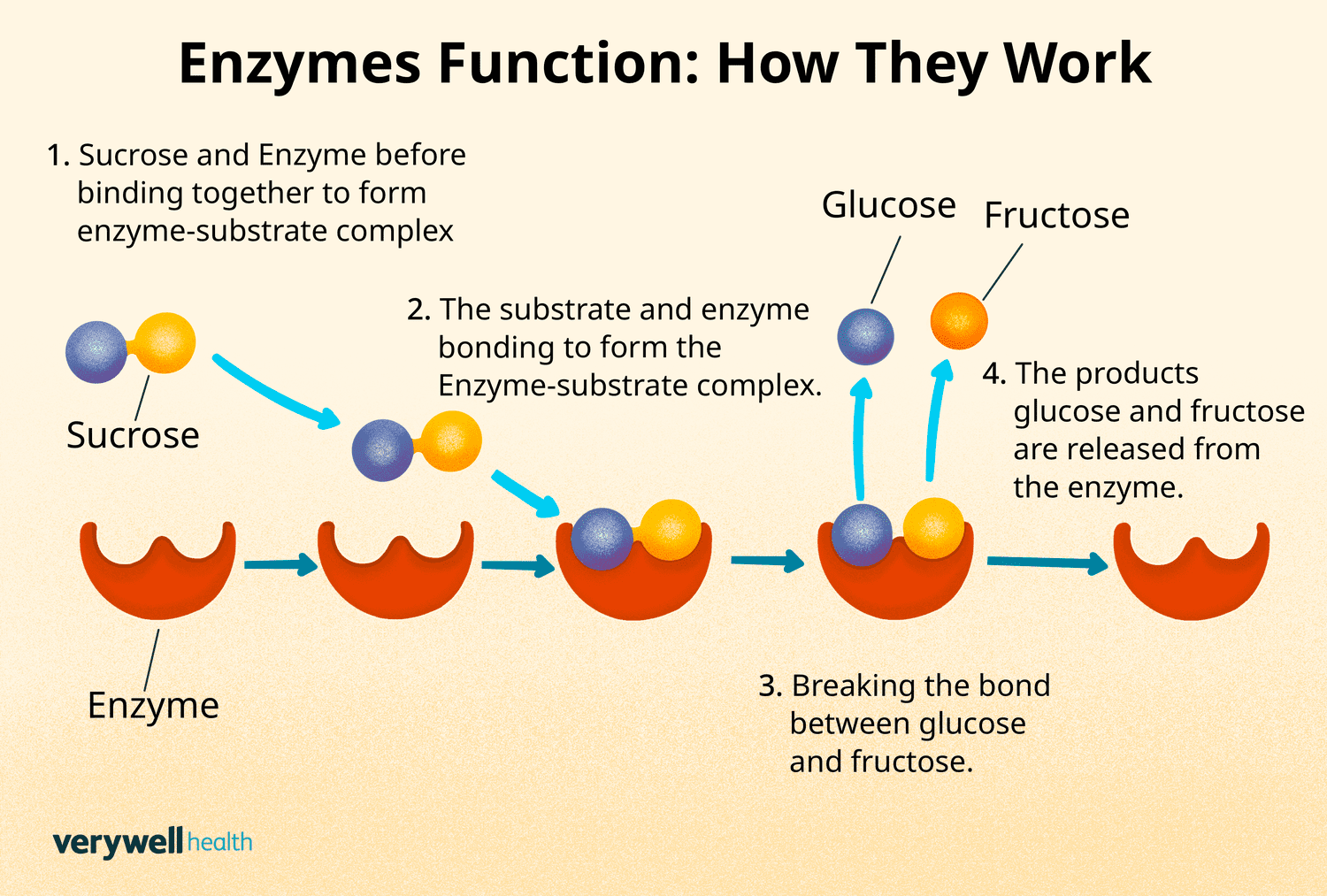
Enzymes are proteins that can speed up (catalyze) chemical reactions. Without proper enzyme regulation you would die.
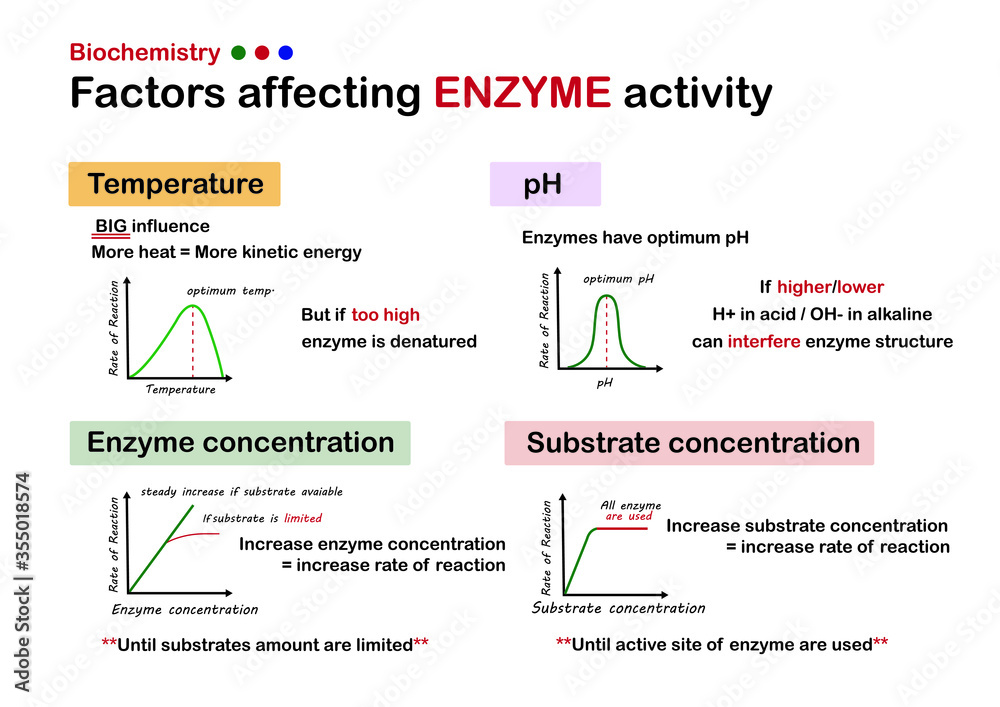
Each enzyme is shaped specially for certain substrates and each performs a specific reaction. An enzymes ability to function can be affected by:
too hot or too cold of a temperature
an uncomfortable pH
and by enzyme inhibitors.
substrate concentration (the more the better - faster reaction)
enzyme concentration (the more the better - faster reaction)
How does it work?
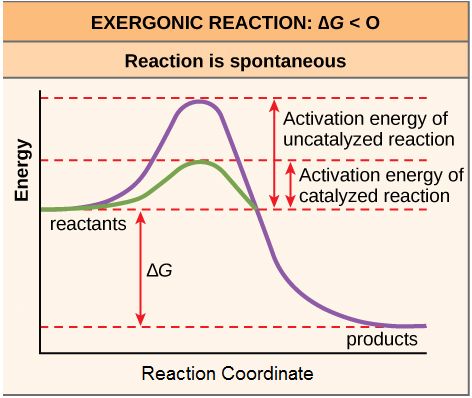
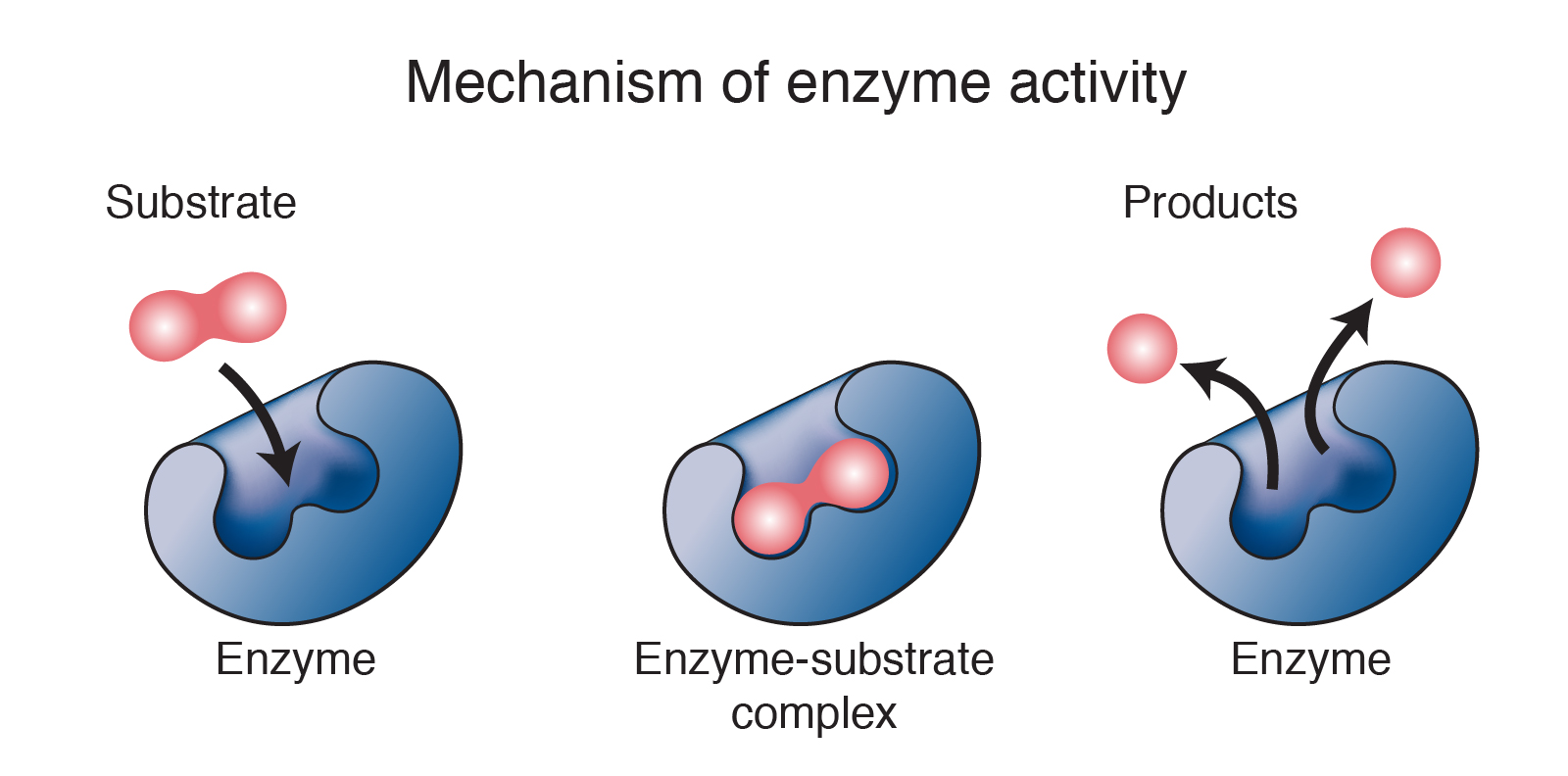
The enzymes and substrates have shapes complementary to each other. The substrate will fit into an enzymes active site, like a lock and key. An enzyme lowers the activation energy needed for a reaction to occur, meaning the reaction can occur sooner allowing a new product to be made.
Lysosomal disorder examples
Some of the impacts you would expect to observe to the internal health of the cells of someone with a lysosomal disorder.
inability to destroy engulfed bacteria
inability to digest cellular waste
inability to digest food supply
Enzymes are what macromolecule?
Enzymes
Without proper enzyme regulation you would die
How does an enzymes shape relate to its function?
The enzyme and substrates have
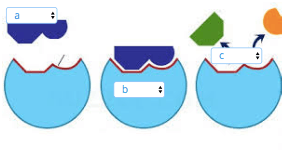
A is the
B is the
C is the
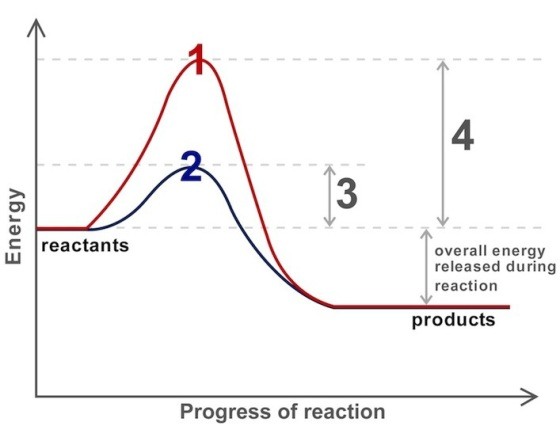
An enzyme the activation energy needed for a reaction to occur.
Which color line represent a reaction with an enzyme present?
What can affect enzyme ability?
What are some of the impacts you would expect to observe to the internal health of the cells of someone with a lysosomal disorder?
A) What does a healthy pancreas do?
B) What happens if you have "pancreatic exocrine insufficiency"?
C) Name some of the causes of pancreatic exocrine insufficiency.
D) What happens when there is too much unabsorbed fat?
E) Name some of the treatments for pancreatic exocrine insufficiency.
F) What is the most effective treatment?