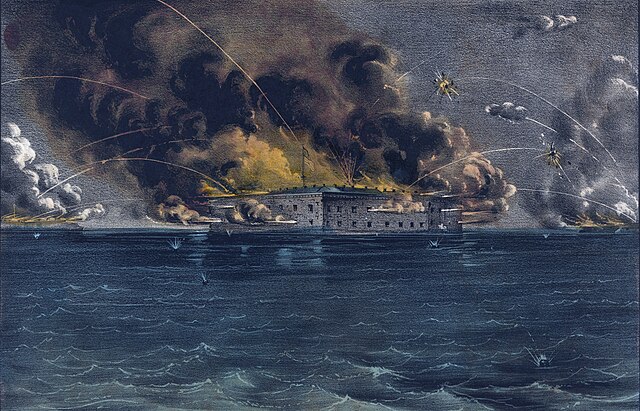
The first shots of the war were fired at Ft. Sumter (above) in South Carolina.
When the American Civil War began in 1861, most people in the North and South believed the conflict would be brief. Even some military and government officials believed this. No one expected the war to be as deadly and as costly as it became. The Civil War proved to be the first modern war, where most of the people felt its impact, experienced the pain of losing loved ones, and had their lives disrupted—especially in the Southern and border states.
Although the Union had many advantages at the outset, it was fighting a determined enemy. The Union strategy reflected this reality. To win the war, the Union would need to destroy the South.
Required
1
Required
1
Required
1
Required
1
Question 4
4.
What was the main goal of the Union Blockade?
Required
1
Question 5
5.
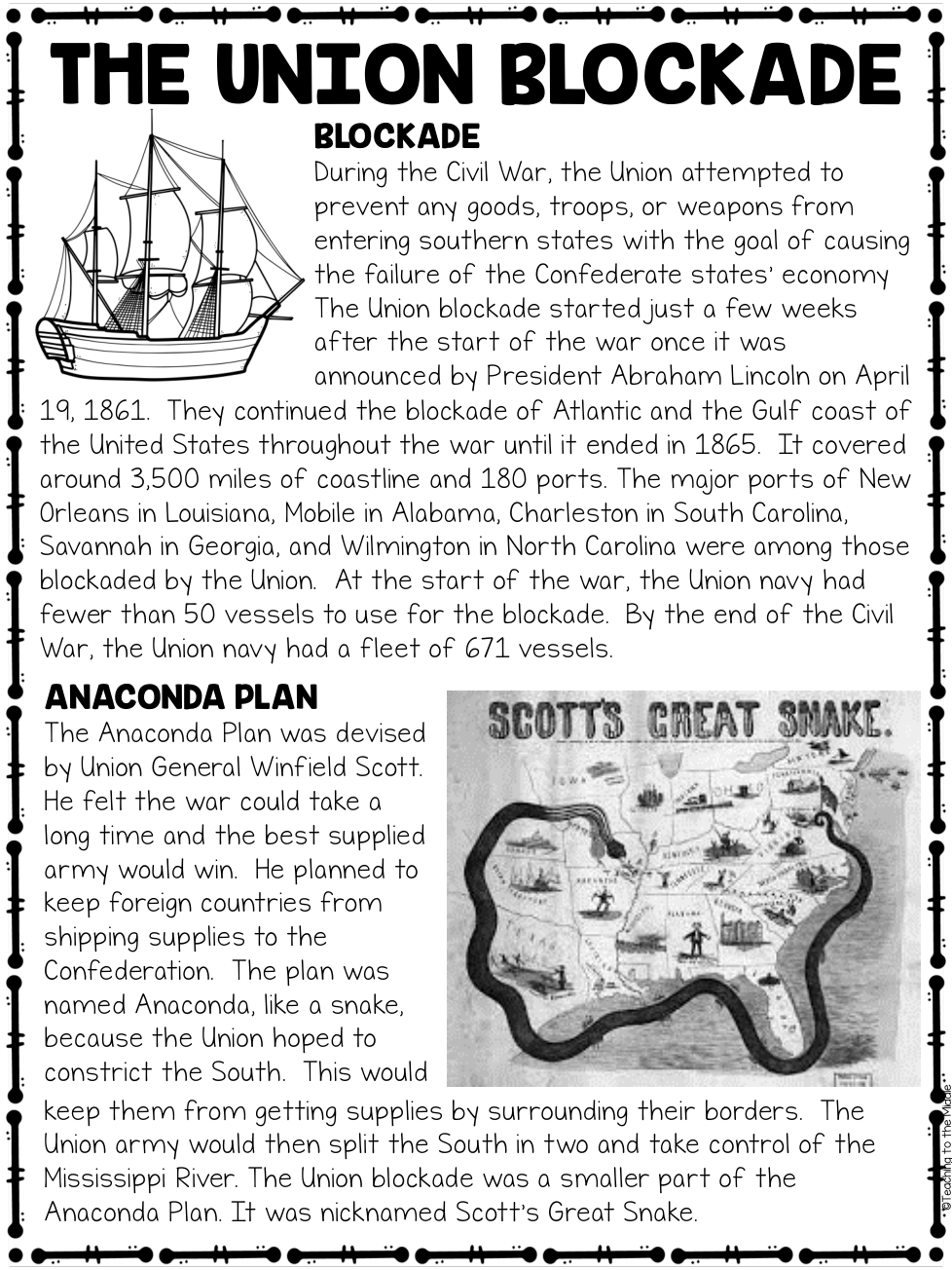
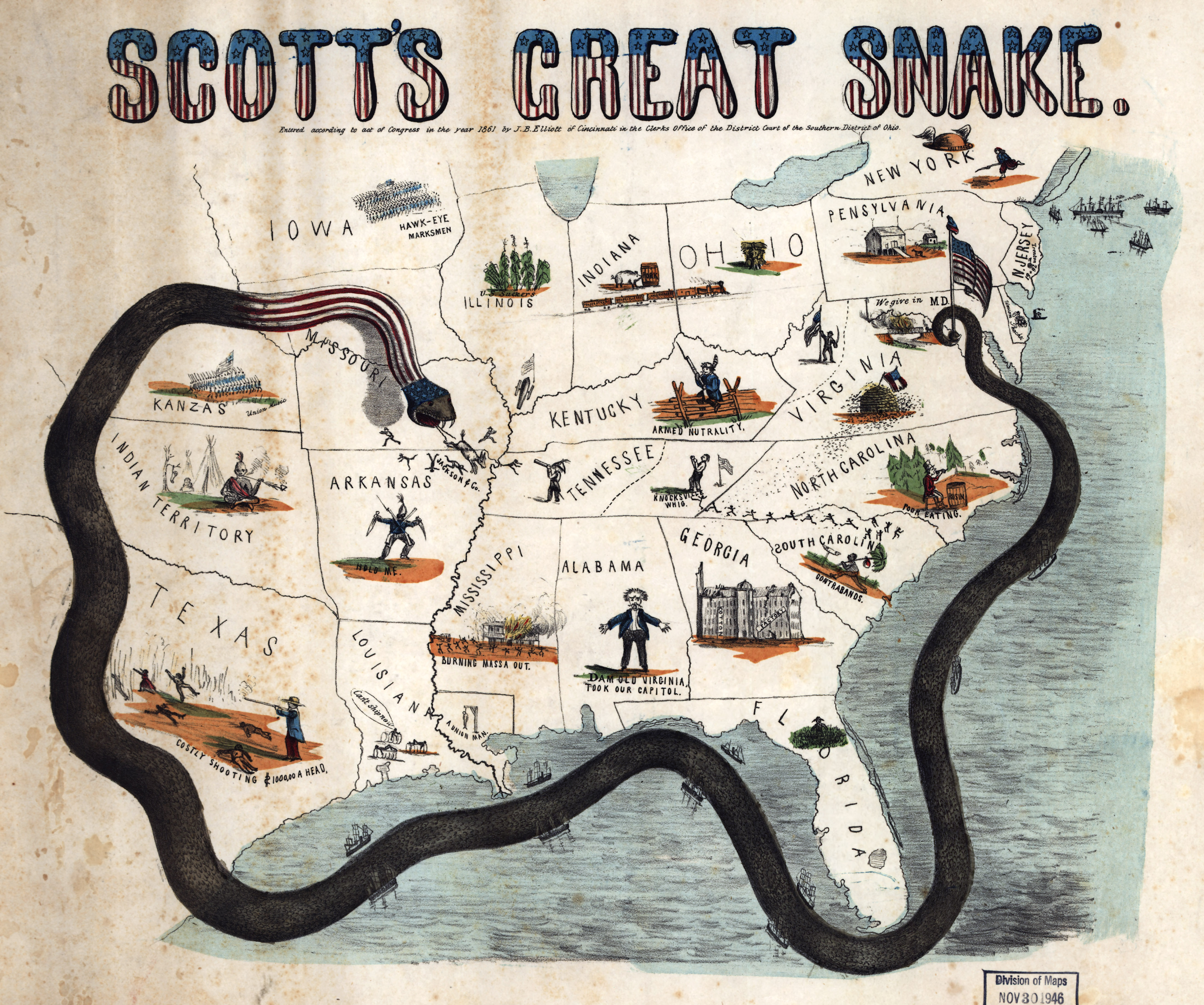
Why was Scott’s strategy known as the “Anaconda Plan?”
Question 6
6.
What is the illustration in Georgia according to this illustration? What can you infer about Georgia according to the artist?
Question 7
7.
BONUS: According to the illustration, what evidence is there to suggest that people living in the Appalachian Mountains DID NOT want to secede from the Union?
Required
1
Question 8
8.
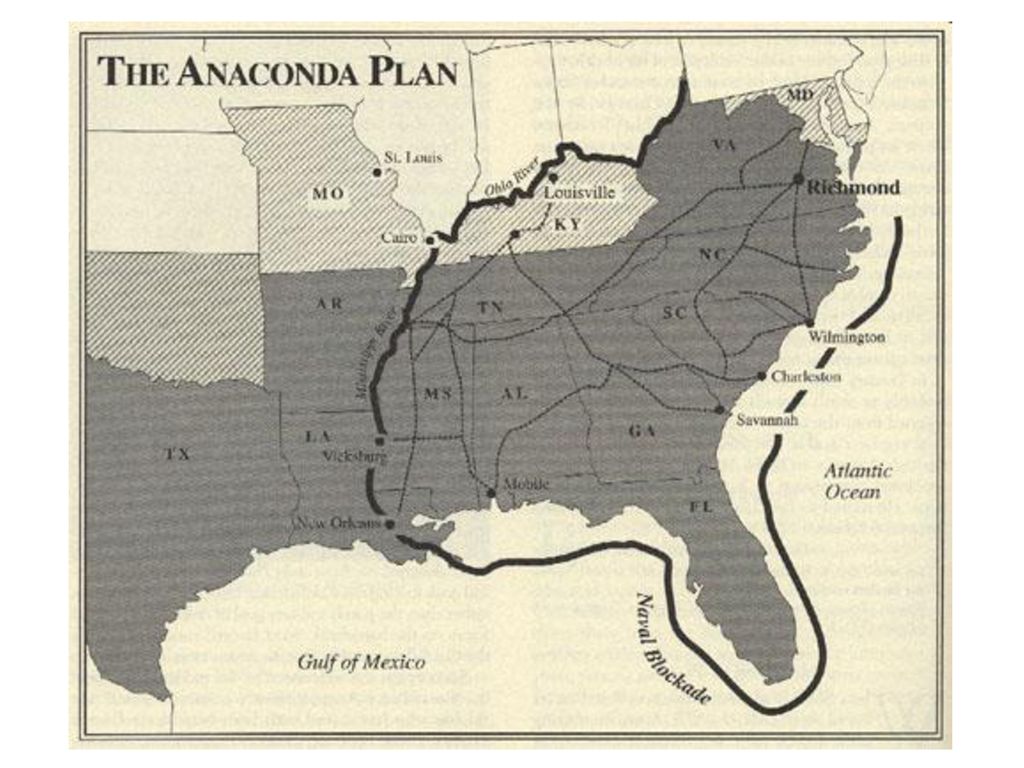
What state is in the center of this strategic plan?
Required
1
Question 9
9.
Which two major rivers will the Union have to capture in order to make this plan work?
Required
1
Question 10
10.
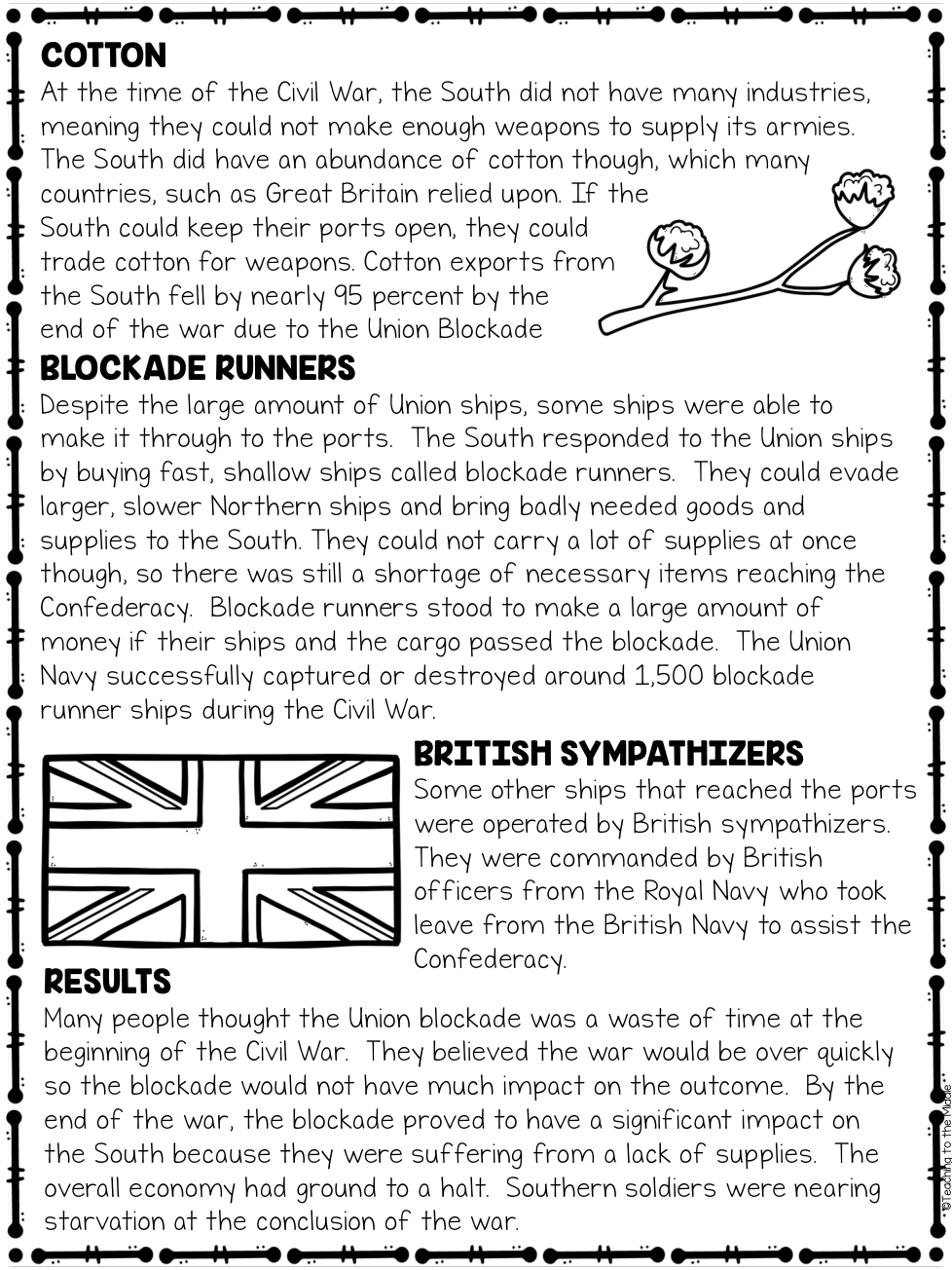
Why were blockade runners usually able to get through the Union
blockade?
Required
1
Question 11
11.
Why did cotton exports in the South fall 95 percent by the end of war?
EXTRA: Images of Naval Battles and Ships from this Era
The naval battles of the American Civil War, fought between the Union and the Confederacy, changed the foundations of naval warfare with the first use of ironclads and submarines, and the introduction of newer and more powerful naval artillery.
The first shots of the naval war were fired on April 12, 1861, during the Battle of Fort Sumter, by the US Revenue Cutter Service cutter USRC Harriet Lane. The final shots were fired on June 22, 1865, by the Confederate raider CSS Shenandoah in the Bering Strait, more than two months after General Robert E. Lee's surrender of the Confederate Army.
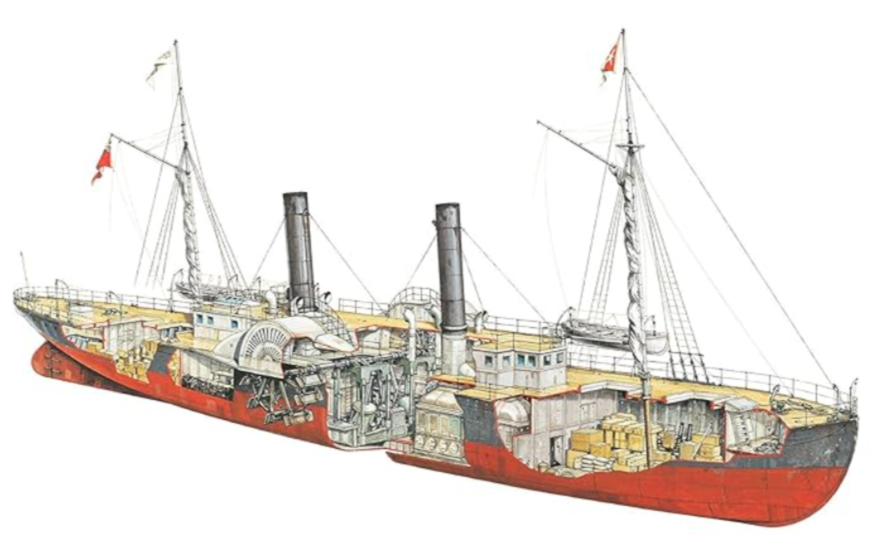
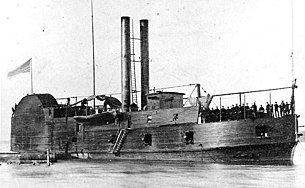
A Confederate Blockade Runner.
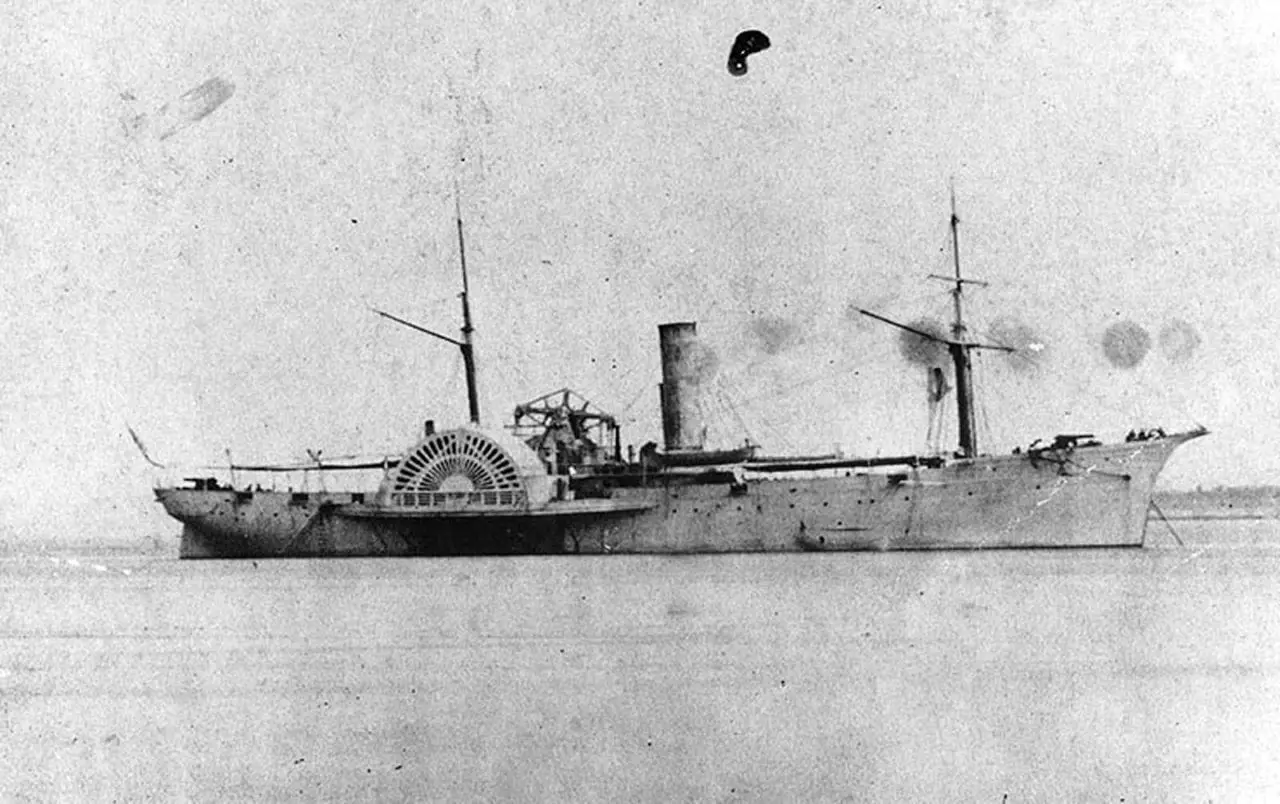
The USS Connecticut. During the war, the Union captured and recommissioned many of the Confederate blockade runners' ships.
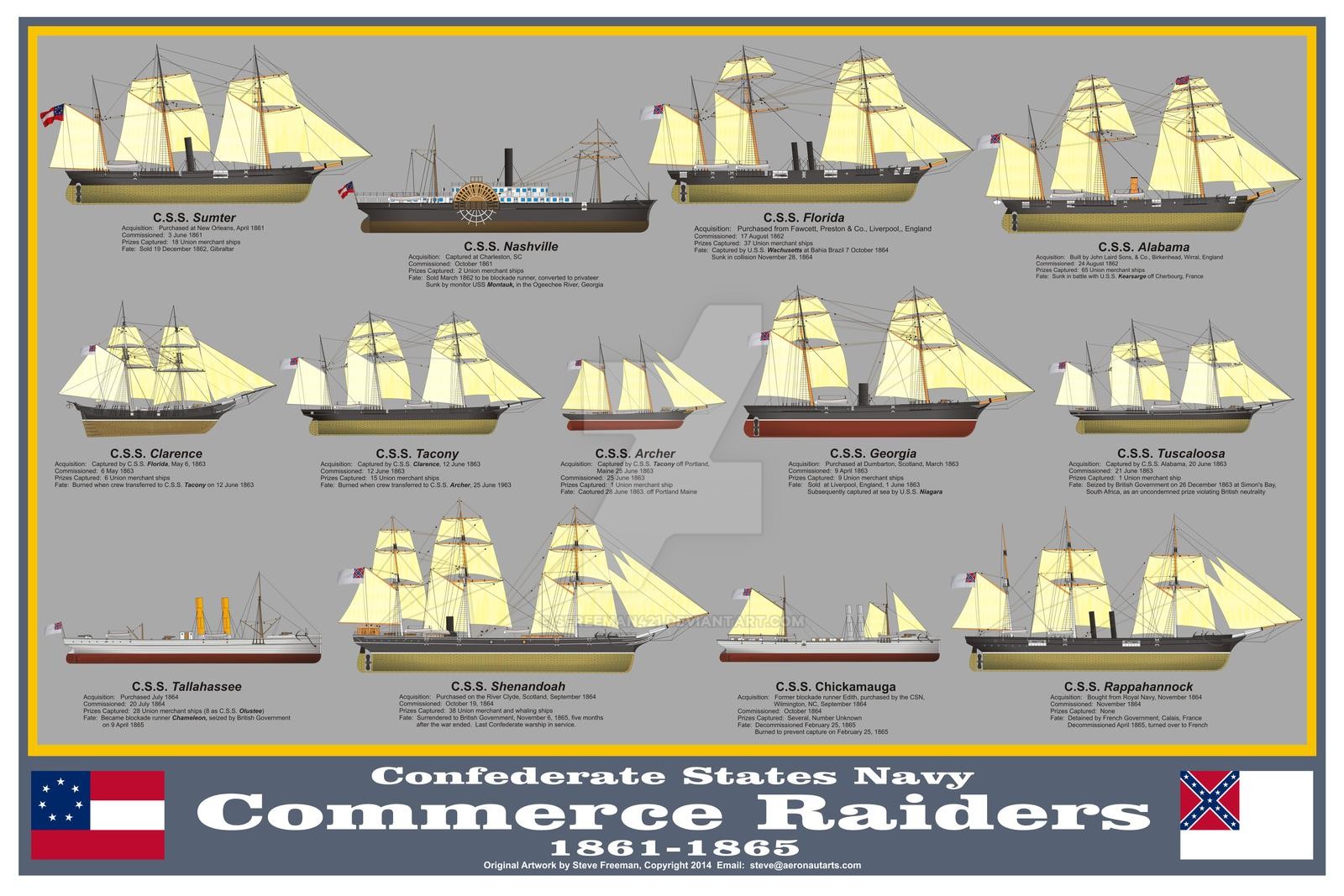
Ships that made up the South's Navy.
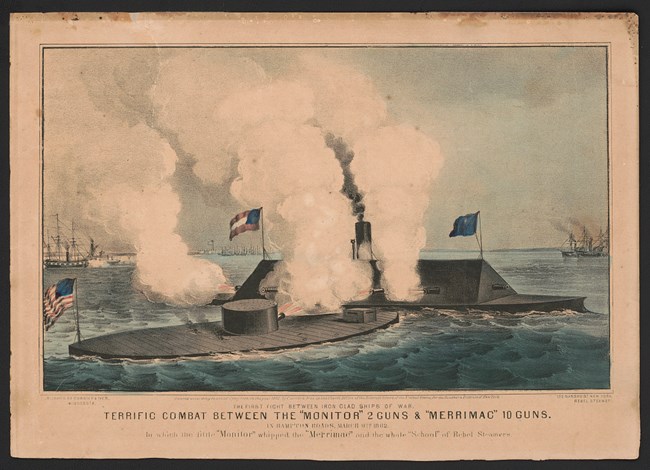
The Battle of the Monitor and Merrimack, also known as the Battle of Hampton Roads, was a naval battle between the USS Monitor and the CSS Virginia (formerly the USS Merrimack) during the American Civil War. The battle took place on March 8–9, 1862 in Hampton Roads, Virginia.
The battle was the first naval duel between ironclad warships.
The battle was inconclusive, but it marked the beginning of a new era in naval warfare.
The battle was part of the Confederate effort to break the Union blockade of Southern ports.
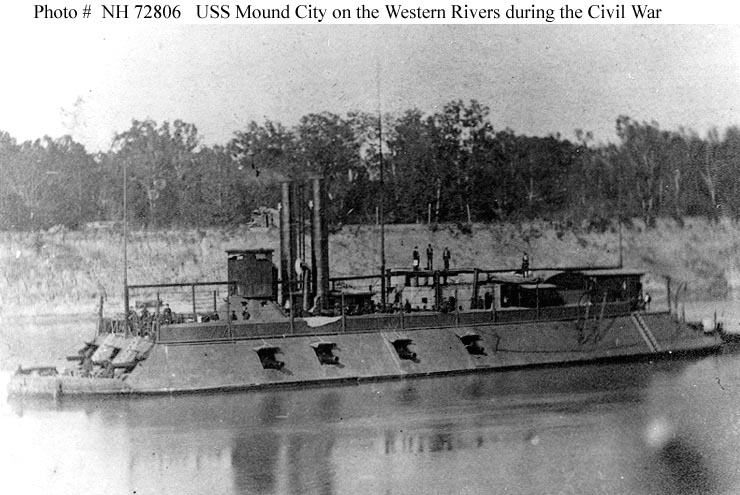
A Union riverboat with additional armor and guns equipped.
Question 1
1.
What did people initially expect about the Civil War?
Question 2
2.
What was a key advantage for the Union, according to what we have already learned?