Log in
Sign up for FREE
arrow_back
Library
Untitled Formative 41
By Mark Bate
star
star
star
star
star
Share
share
Last updated 4 months ago
50 questions
Add this activity
zoom_in
1
Question 1
1.
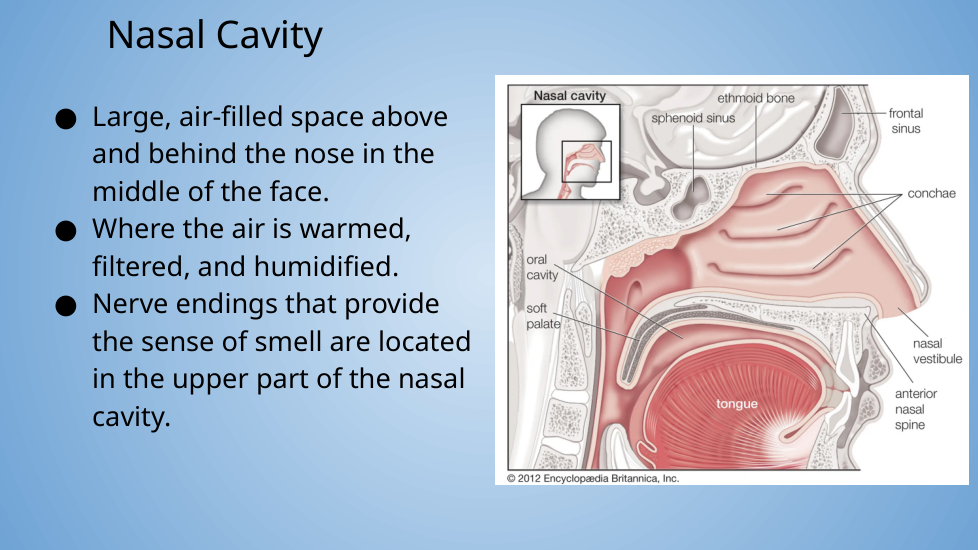
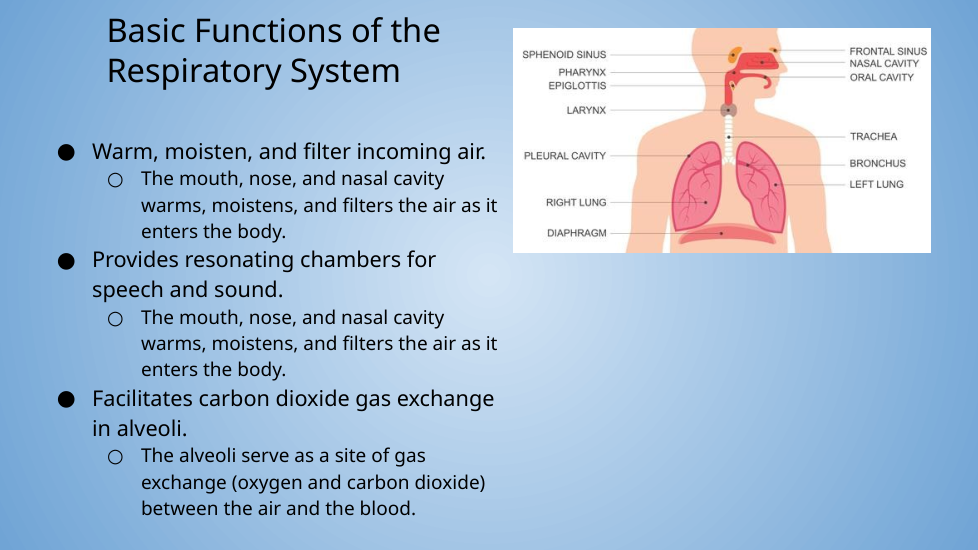
What is a primary function of the nasal cavity?
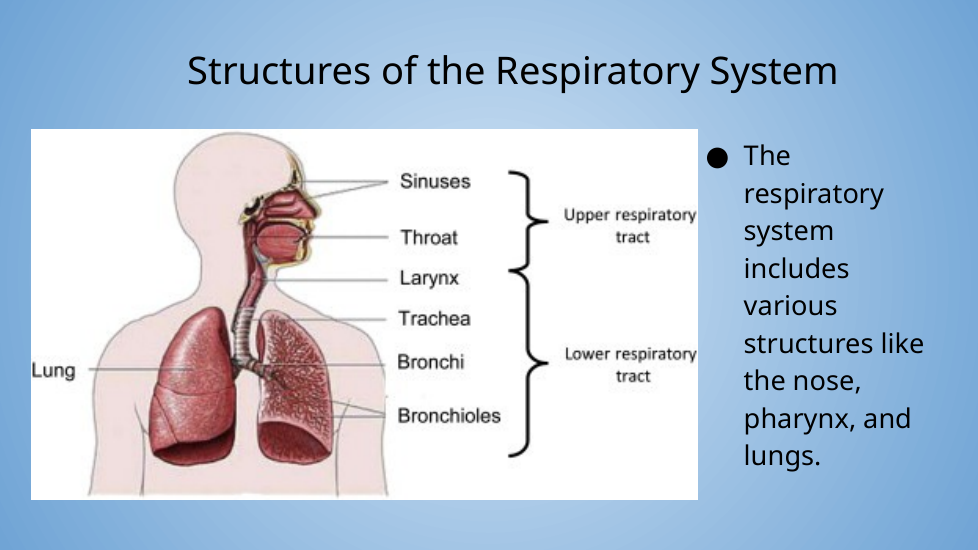
Remove carbon dioxide from blood
Filter, warm, and moisten incoming air
Produce sound waves for speech
Store oxygen for later use
1
zoom_in
1
Question 3
3.
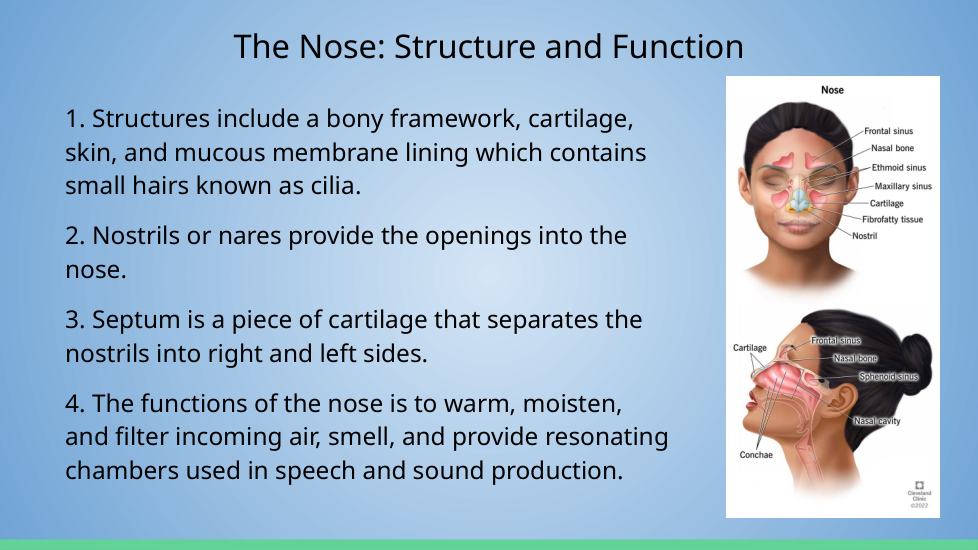
What structures are part of the upper respiratory tract?
1
Question 4
4.
What is a structure that is part of the lower respiratory tract?
zoom_in
1
Required
1
zoom_in
1
Question 7
7.
What is the main function of the nasal cavity?
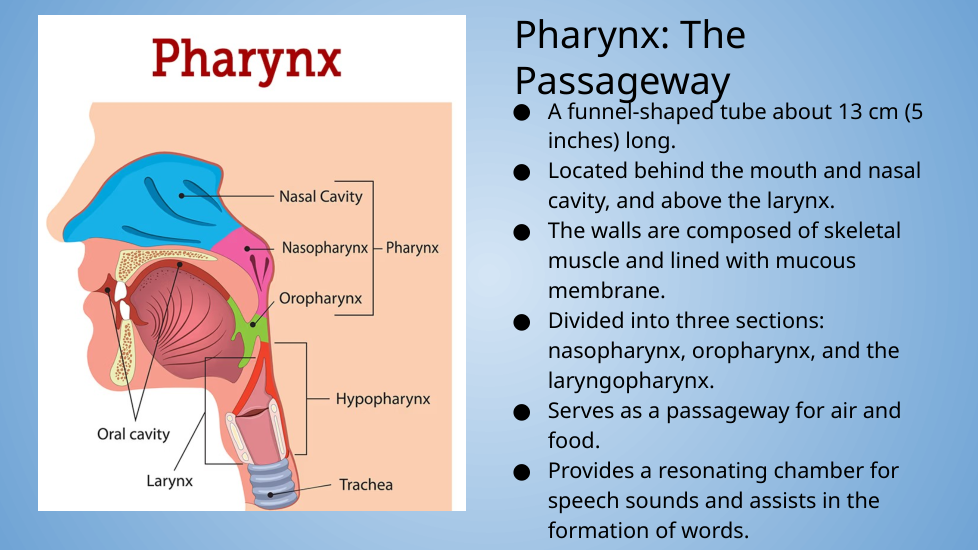
To warm, filter, and humidify air.
To absorb oxygen directly into blood.
To produce hormones for body regulation.
To cool the air before it enters lungs.
1
zoom_in
1
1
Question 10
10.
What is the primary function of the pharynx?
Filtering air and food
Passageway for air and food
Chemical digestion of food
Production of speech sounds
zoom_in
1
Question 11
11.
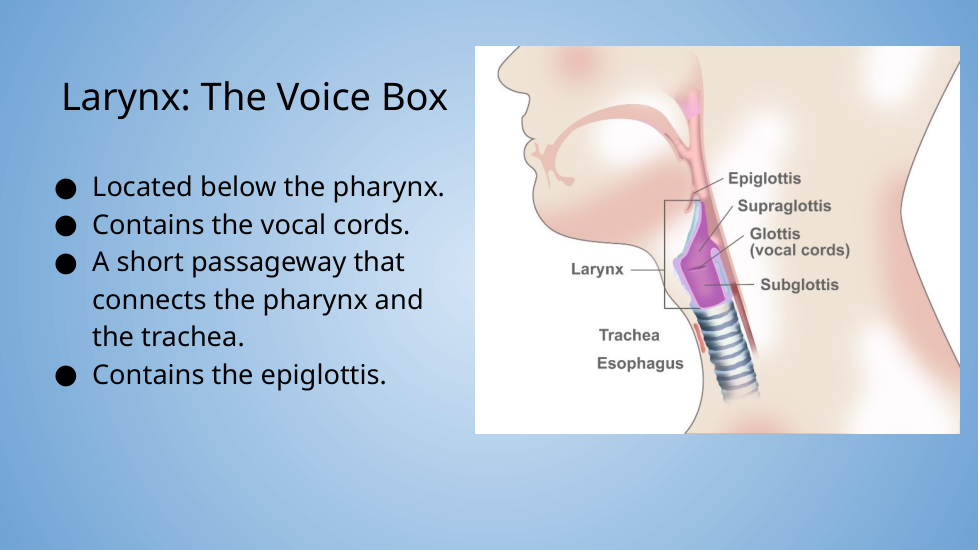
What is the primary function of the epiglottis?
To prevent food from entering the larynx.
To filter air before it enters lungs.
To produce sound in speech.
To move food into the stomach.
1
zoom_in
1
Question 13
13.
What is one main function of the larynx?
To filter air before it enters lungs.
To transport food to the stomach.
To store oxygen for breathing.
To produce sound using the vocal cords.
1
zoom_in
1
Question 15
15.
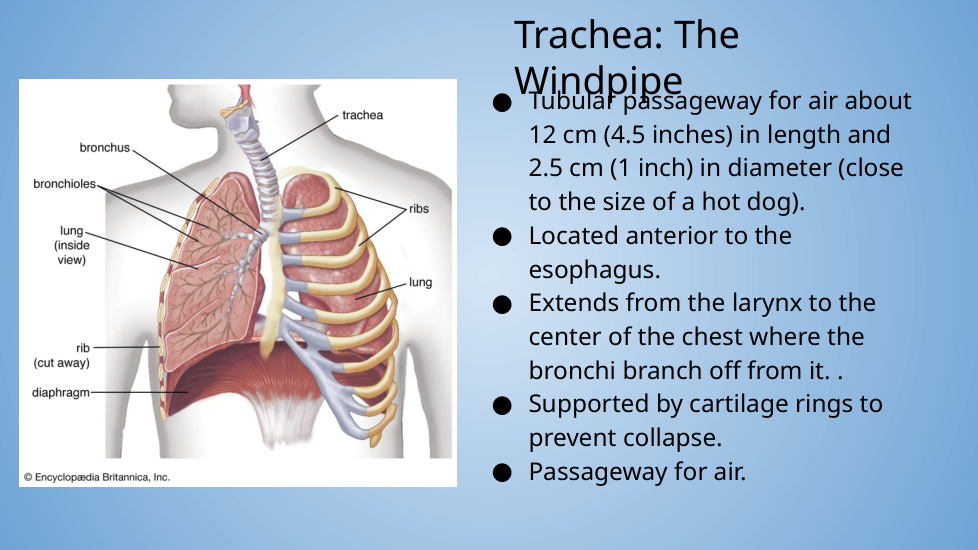
What is the main function of the trachea?
Absorbs oxygen into the blood
Passageway for air to the lungs
Filters out harmful particles
Produces mucus to trap dust
1
zoom_in
1
1
Question 18
18.
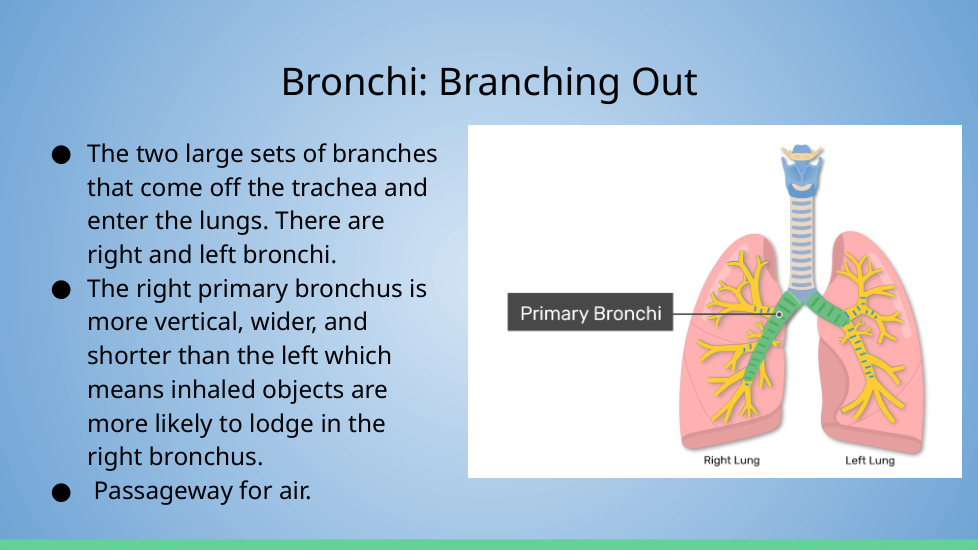
Why are inhaled objects more likely to lodge in the right bronchus?
It has stronger muscles for airflow.
It is less vertical than the left.
it has a more direct path into the right lung.
It is longer and narrower than the left.
zoom_in
1
Question 19
19.
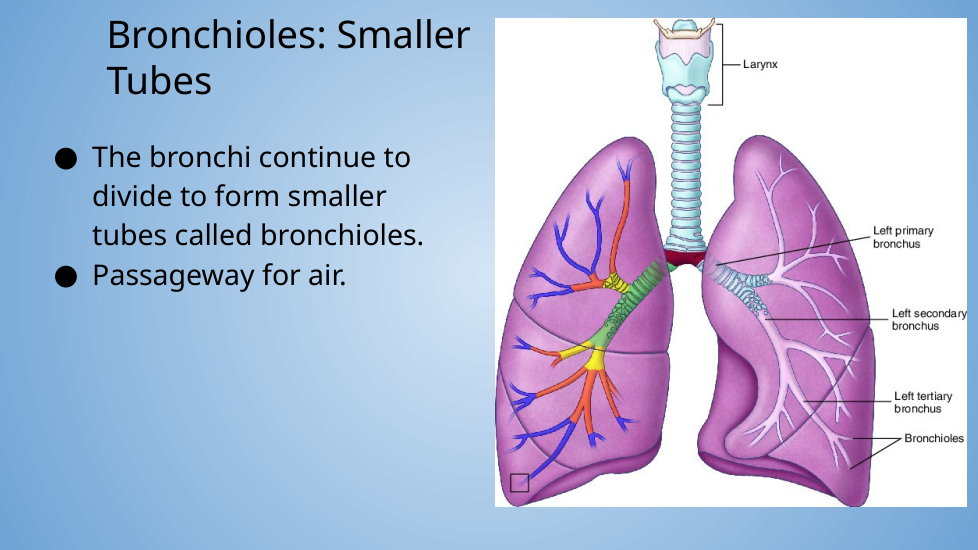
What are bronchioles primarily responsible for?
Filtering toxins from the air
Air passage to the alveoli
Transporting oxygen to blood
Generating mucus in the lungs
1
zoom_in
1
Question 21
21.
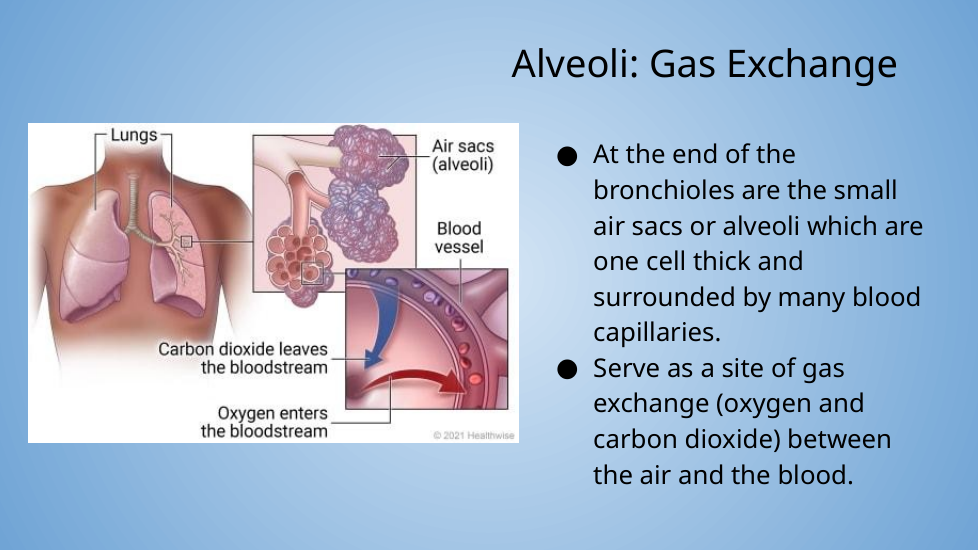
What is the primary function of alveoli in the lungs?
Gas exchange between air and blood.
Filtering air particles
Storing carbon dioxide
Producing red blood cells
1
zoom_in
1
Question 23
23.
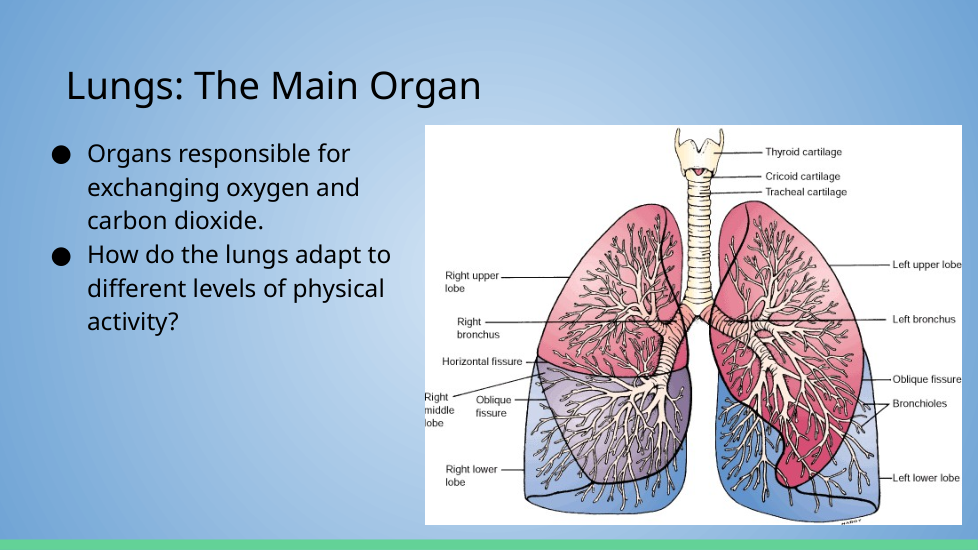
How many lobes do the lungs have?
1
25
26
27
28
29
30
31
32
33
34
35
zoom_in
1
1
1
1
1
1
1
1
1
1
1
zoom_in
1
Question 36
36.
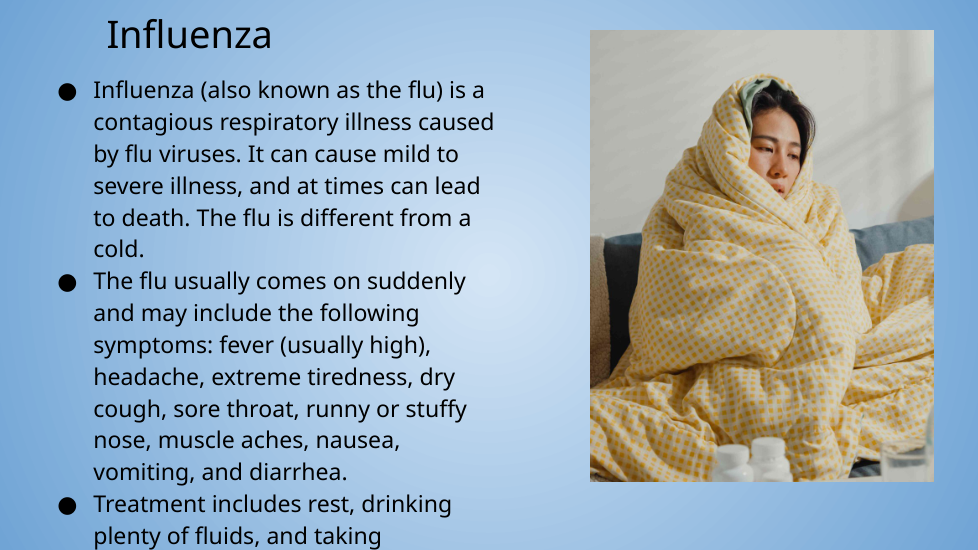
Which of the following is a common treatment for influenza?
Only using over-the-counter painkillers.
Immediate antibiotics to cure it.
Rest and drinking plenty of fluids.
Surgery to remove flu symptoms.
zoom_in
1
Question 37
37.
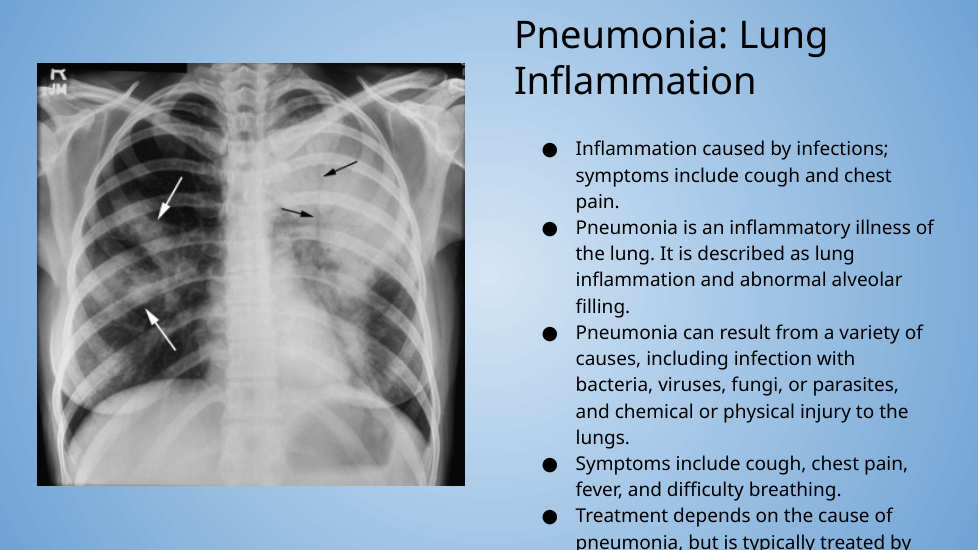
What is pneumonia primarily characterized by?
Increased lung capacity and hyperextension of the ribs
Cough and chest pain only on the right side
Difficulty breathing when around water
Lung inflammation, fluid build up, and abnormal airflow
1
zoom_in
1
Question 39
39.
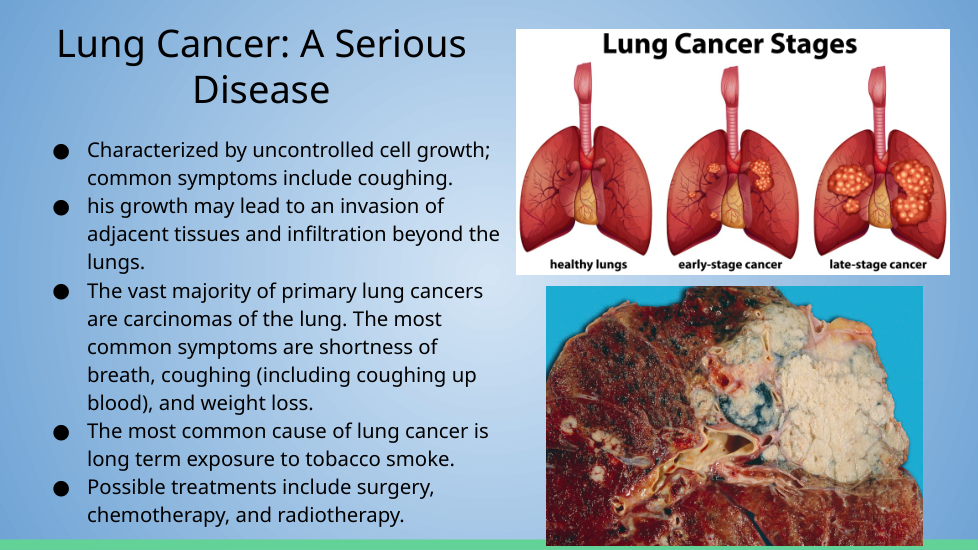
What is the most common cause of lung cancer?
Air pollution exposure.
Exposure to asbestos.
Genetic predisposition to cancer.
Long term exposure to tobacco smoke.
1
zoom_in
1
Question 41
41.
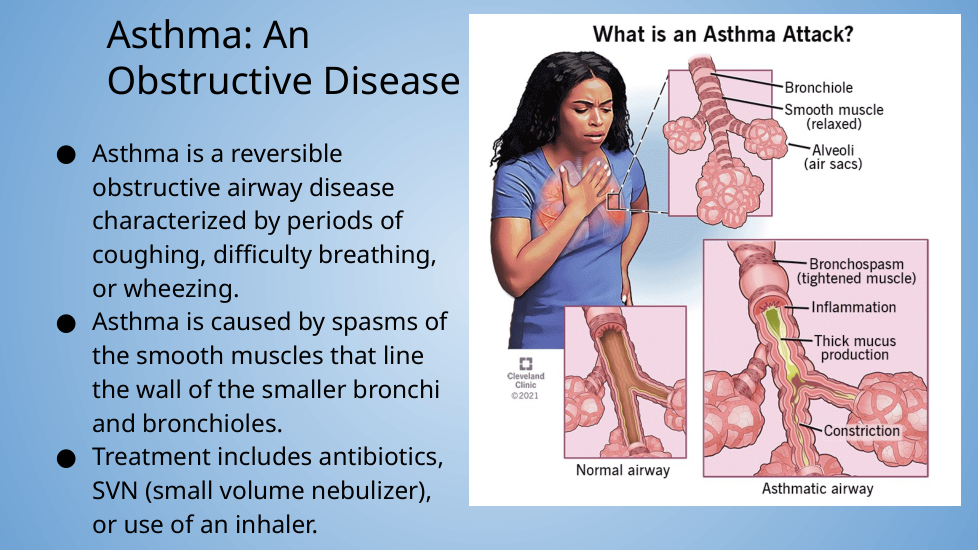
What triggers the symptoms of asthma during an attack?
Exposure to cold weather.
Bacterial infection in lungs.
Inflammation of nasal passages.
Spasms of smooth muscles in airways.
1
zoom_in
1
Question 43
43.
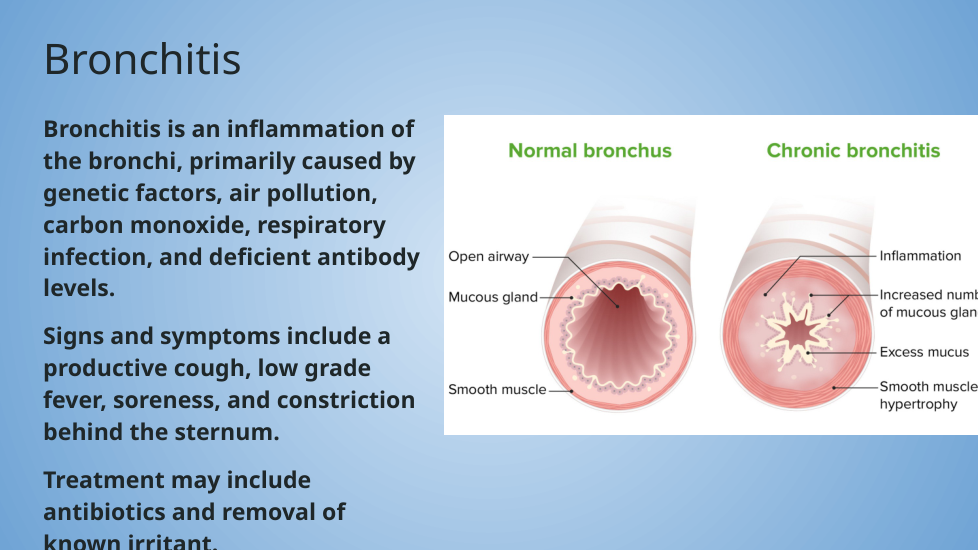
What primarily causes bronchitis?
Drinking chilled beverages daily.
Genetic factors and cold weather.
Air pollution and respiratory infections.
Eating spicy foods too often.
1
zoom_in
1
Question 45
45.
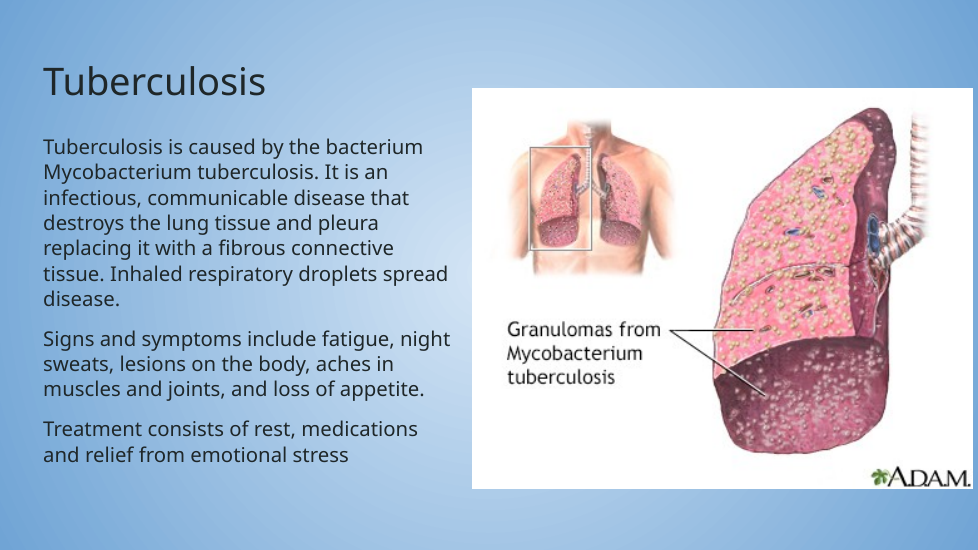
What bacterium causes tuberculosis?
Streptococcus pneumoniae
Bacillus anthracis
Mycobacterium tuberculosis
Escherichia coli
1
zoom_in
1
Question 47
47.
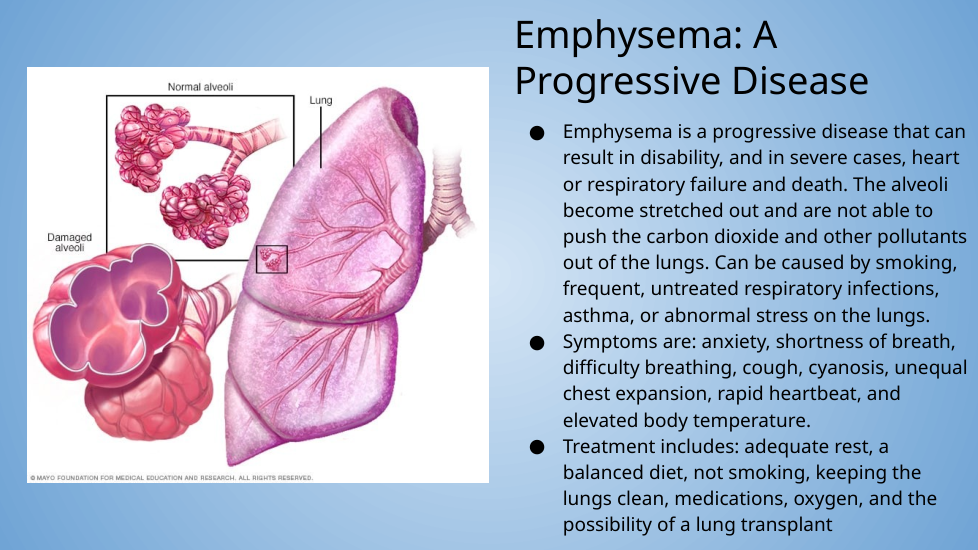
What happens to alveoli in emphysema?
They multiply and grow larger.
They become stretched and damaged.
They heal themselves completely.
They become filled with fluid.
1
zoom_in
1
Question 49
49.
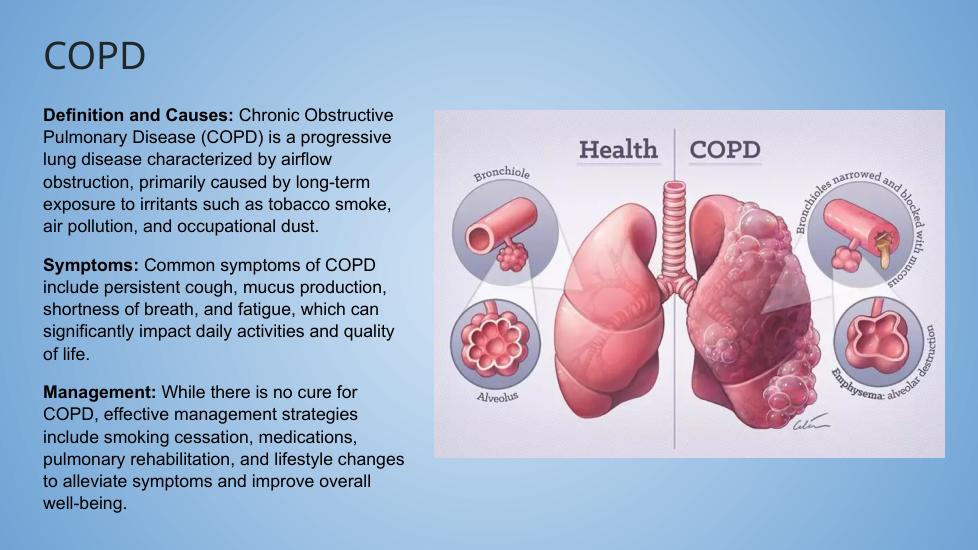
What primarily causes Chronic Obstructive Pulmonary Disease (COPD)?
Long-term exposure to tobacco smoke and pollutants.
Sudden respiratory infections in childhood.
Only genetic predisposition causes COPD.
Genetic factors affecting lung size.
1
Question 2
2.
What occurs in the alveoli of the lungs?
Gas exchange of oxygen and carbon dioxide
Storage of carbon dioxide for breathing
Warming of air before it enters lungs
Production of mucus for air filtration
Question 5
5.
What does the septum do in the nose?
Houses the nasal sinuses.
Separates the nostrils into right and left sides.
Supports the nose's outer shape.
Filters air before it enters lungs.
Question 6
6.
What are the following functions for the nose to preform for the respiratory system.
Smell
Moisten
Filtration
Eating
Excursion of waste
resonating
Drinking
Warming
none of the above
all the above
Question 8
8.
Where are the sensory nerve endings for smell located?
Inside the nasal vestibule area.
In the throat near the esophagus.
In the tongue's surface.
In the upper part of the nasal cavity.
Question 9
9.
What are the three sections of the pharynx in the correct order?
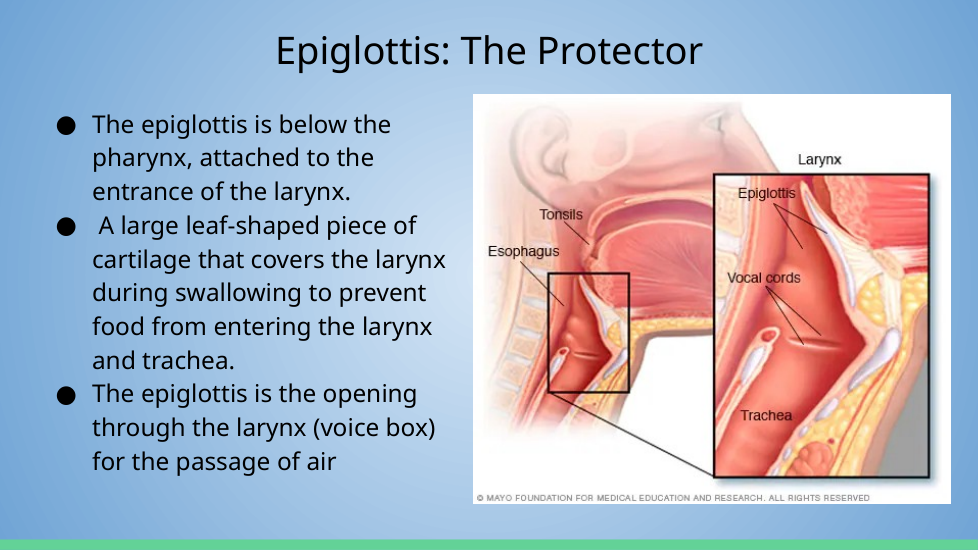
Nasopharynx, oropharynx, laryngopharynx
Oropharynx, trachea, nasal cavity
Lungs, bronchi, alveoli
Nasal cavity, oral cavity, larynx
Oropharynx, larynx, Esophagus
Question 12
12.
Where is the epiglottis located in the body?
At the back of the throat, behind tonsils.
Below the pharynx, above the larynx.
In the trachea, near the lungs.
Inside the esophagus, near the stomach.
Question 14
14.
Where is the larynx located in relation to the pharynx?
It is located below the pharynx.
It is at the same level as the pharynx.
It is above the pharynx.
It is behind the pharynx.
Question 16
16.
Where is the trachea located in relation to the esophagus?
Above the bronchi
Anterior to the esophagus
In front of the larynx
Posterior to the diaphragm
Question 17
17.
What is the function of the bronchi?
Passageway for air to the lungs.
Gas exchange in the bloodstream.
Filtering dust from the air.
Oxygen production in the lungs.
Diverts the flow of blood
Question 20
20.
Which structure directly follows the bronchi in the respiratory system?
Larynx
Trachea
Alveoli
Pharynx
Question 22
22.
What surrounds the alveoli to facilitate gas exchange?
Muscle cells
Bone structure
Nervous tissue
Many blood capillaries are surrounding them.
Question 24
24.
Why is there a notch missing out of the left lung?
Location of the heart
Because....
All the above
It is less important than the right lung
None of the above
Question 25
25.
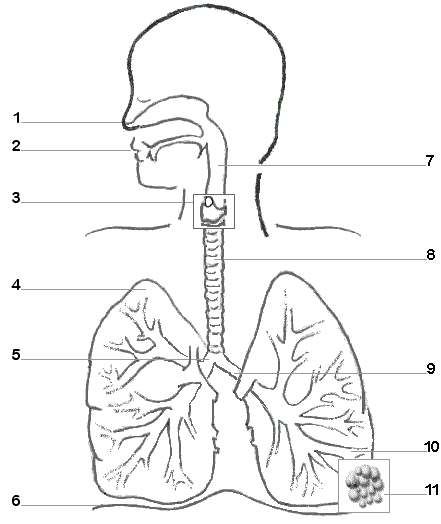
Name the structure
Question 26
26.
Name the structure
Question 27
27.
Name the structure
Question 28
28.
Name the structure
Question 29
29.
Name the structure
Question 30
30.
Name the structure
Question 31
31.
Name the strucutre
Question 32
32.
name the structure
Question 33
33.
Name the structure
Question 34
34.
Name the structure
Question 35
35.
Name the structure
Question 38
38.
Which of these can cause pneumonia?
Only winter weather
Bacteria, viruses, fungi, or injury
Only bacteria
Only allergic reactions
Question 40
40.
Which symptom is commonly associated with lung cancer?
Severe headache.
Shortness of breath and coughing.
High fever and chills.
Extreme fatigue and weakness.
Question 42
42.
Which treatment is commonly used for asthma attacks?
Drinking warm fluids.
Inhaler for immediate relief.
Oral antibiotics for infection.
Resting in a dark room.
Question 44
44.
What is a common symptom of bronchitis?
A productive cough and low-grade fever.
Constant headache and dizziness.
Severe chest pain and high fever.
Nausea and vomiting frequently.
Question 46
46.
How is tuberculosis primarily spread?
Insect bites
Direct skin contact
Inhaled respiratory droplets
Contaminated food
Question 48
48.
Which is a symptom of emphysema?
Increased energy levels.
Persistent fever and chills.
Shortness of breath
Frequent headaches.
Question 50
50.
Which symptom is commonly associated with COPD?
Persistent cough and shortness of breath.
Frequent headaches and dizziness.
Rapid weight gain and high fever.
Only wheezing during exercise.