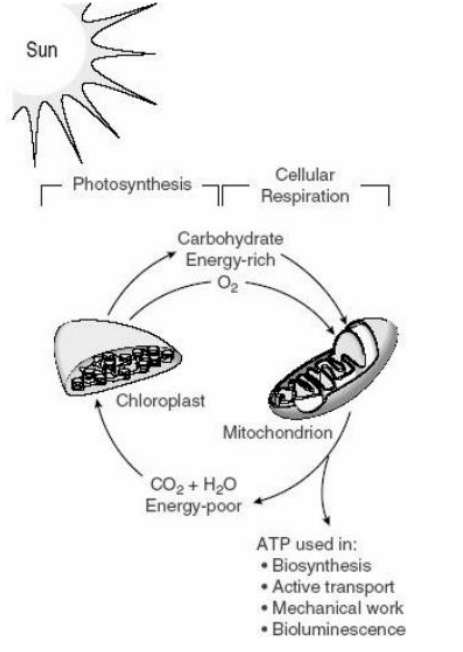
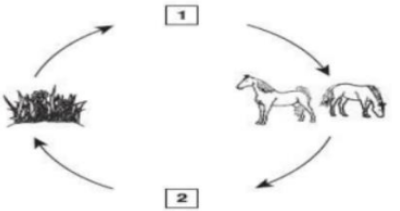
The diagram represents the relationship between photosynthesis and cellular respiration. Drag the appropriate gas that used and produced in this diagram
Mmuae Afoforo a Wobɛpaw:
oxygen
hydrogen
carbon dioxide
nitrogen
The energy in the food produced by plants or taken into the bodies of animals must be changed into a form that cells can use. The energy-transferring molecule used by cells is .
The diagram represents the relationship between photosynthesis and cellular respiration. Drag the appropriate gas that used and produced in this diagram
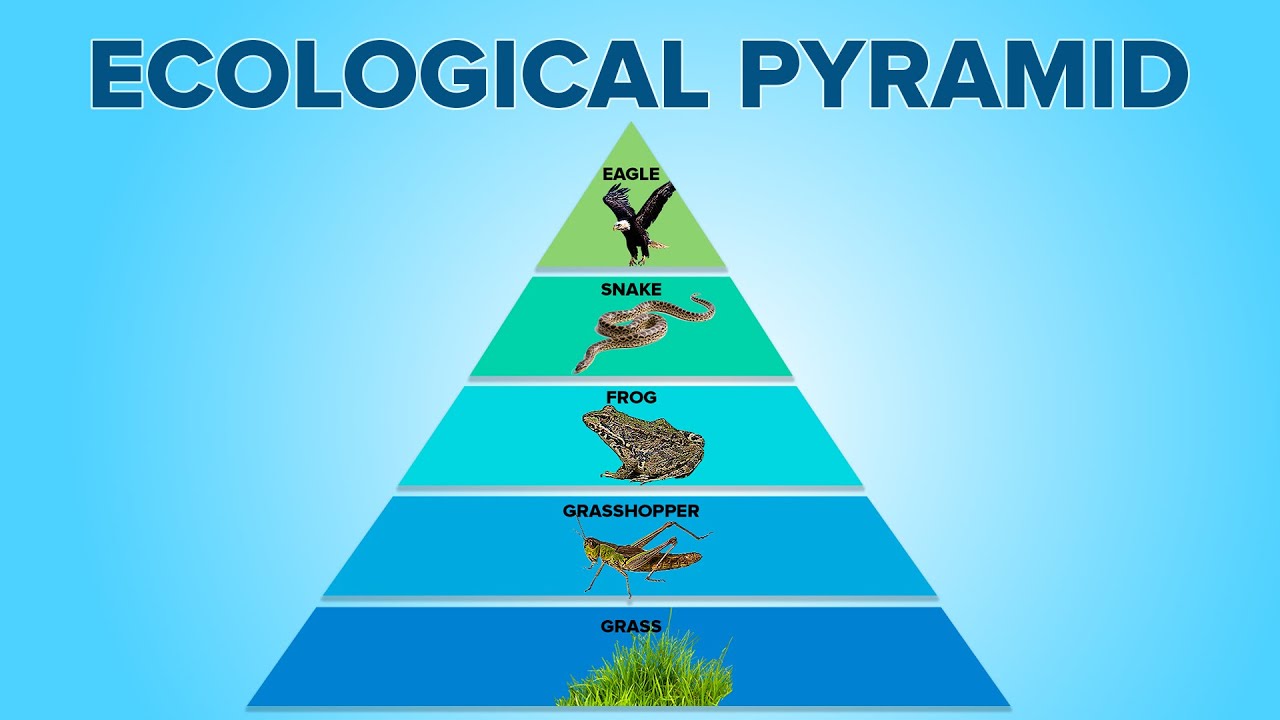
Select the level on the energy pyramid that has the most energy.
In which way are photosynthesis and cellular respiration different?
Base your answer to the following question on the passage below which describes an ecosystem in New York State and on your knowledge of biology.
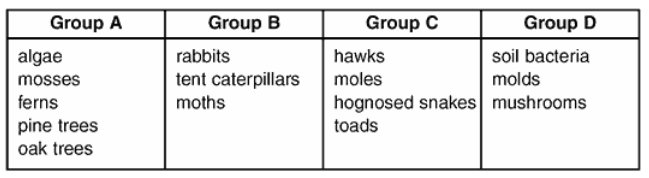
The Pine Bush ecosystem near Albany, New York, is one of the last known habitats of the nearly extinct Karner Blue butterfly. The Karner Blue butterfly feed on the wild green plant, lupine. The butterflies are in turn consumed by predatory wasps. The four groups below represent other organisms living in this ecosystem.
The Karner Blue butterfly belong in which group?
Select the bond that holds the maximum amount of energy.
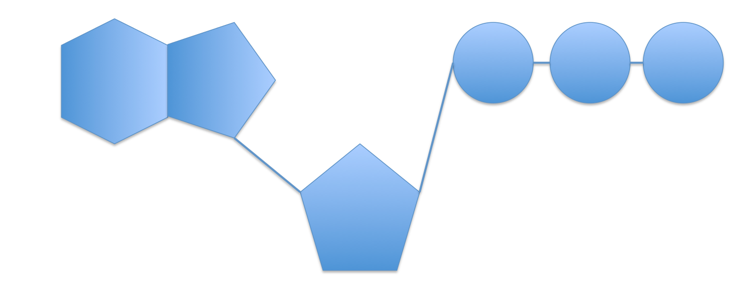
How can ADP be transformed into ATP?
Which statement is supported by the diagram?
Which of the following is not a factor that affects photosynthesis?
A potted plant is placed inside a clear, sealed vacuum container where no gases can get inside. The container has water pumped into it on a regular basis. The container is placed in the sun and the plant's growth is monitored. Which statement best describes what will most likely happen to the plant over time?
Fill in the formula for photosynthesis below.
6 + 6CO2 -----> + 6
Mike has four aquatic plants of the same size and same species. He submerged the plants in a separate beaker filled with 200 ml of water. He then sets each beaker under a different intensity of light. Mike observes that, of the four plants, the plant with the beaker under the most intense light gives off the most gas bubbles in a 20-minute period. Which of the following statements best explains Mike's observations?
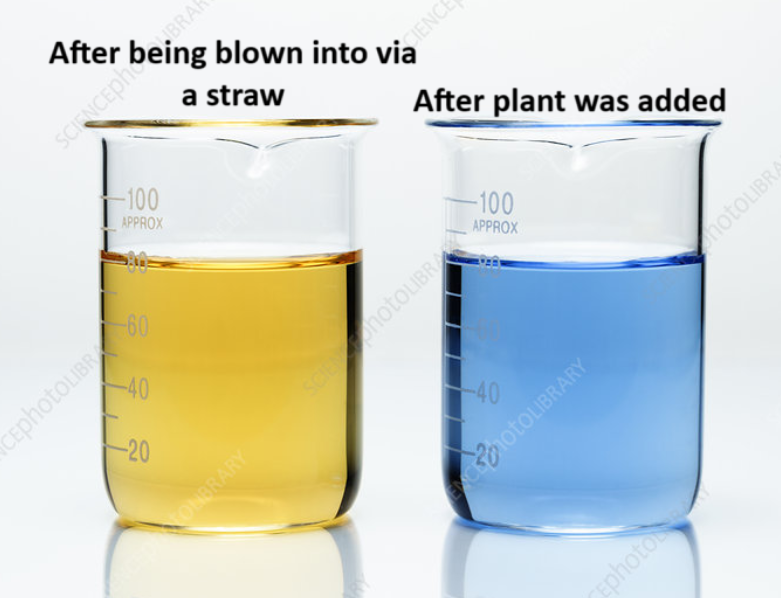
Two test tubes were filled with a solution of bromothymol blue. A student exhaled through a straw into each tube, and the bromothymol blue turned yellow. An aquatic green plant was placed into each tube, and the tubes were corked. One tube was placed in the dark, and one was placed in direct sunlight. The yellow solution in the tube in sunlight turned blue, while the one in the dark remained yellow.
Which statement best explains why the solution in the test tube placed in sunlight returned to a blue color?
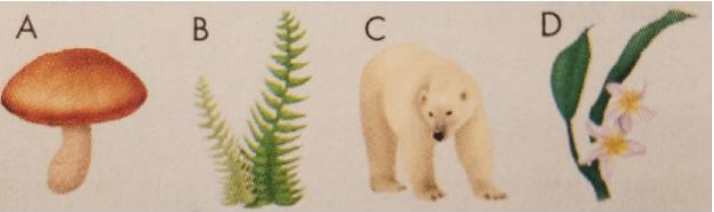
Which of the following organism(s) performs cellular respiration?
What process releases energy from food molecules by producing ATP in the absence of oxygen?
A weightlifter is using heavy weights in short bursts for a competition. Because his muscle cells are not able to take enough oxygen to make very much ATP the weightlifter begins to get fatigue in his muscles.
Which of the following processes is most likely going on in the muscles of the weightlifter as he competes in his event?
Two different species of bacteria are examined. Scientists find that species X always produces CO2 and H2O during cellular respiration. Species Y always produces alcohol and CO2. Which conclusion can be made from these observations?
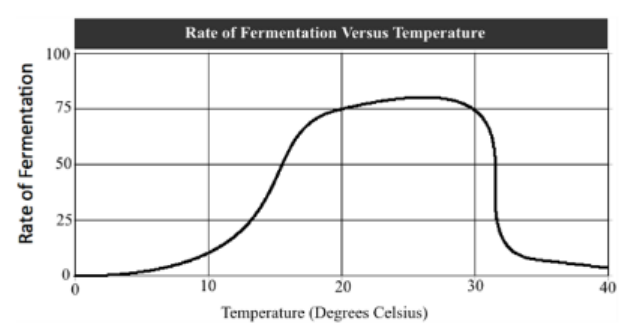
The graph below shows the rate of alcoholic fermentation for yeast at different temperatures.
*Click on the graph to enlarge.
According to the graph, what is the relationship between the rate of fermentation and temperature?
Place the following options into the correct category
Requires Light Energy
Autotrophs Only
Occurs in the Chloroplast
Creates ATP
Occurs in the Mitochondria
Autotrophs and Heterotrophs
Photosynthesis
Cellular Respiration
Muscle cells are responsible for obtaining energy so the body can perform voluntary and involuntary movements. Using your knowledge about organelles and muscles, how would a muscle cell be different from other types of animal cells?
Which macromolecule is the main component of cell membranes?
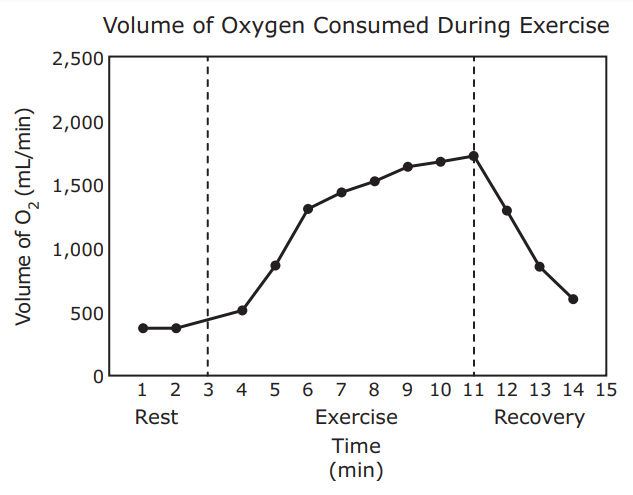
The graph shows the oxygen consumed by an athlete during different stages of training.
*click to enlarge the graph
Based on the graph, which process is occurring between minute 5 and minute 10?
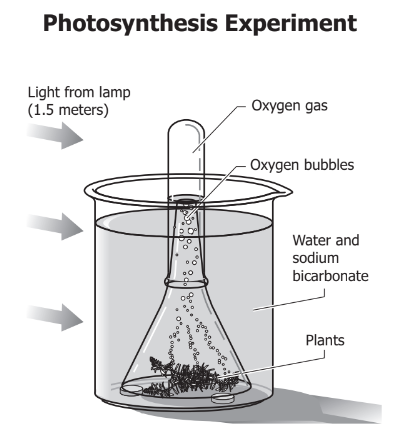
The picture shows a student’s experiment with Elodea, a common aquatic plant.
*click image to enlarge
Which change in this experiment is most likely to increase the volume of oxygen gas that accumulates in the top of the tube?
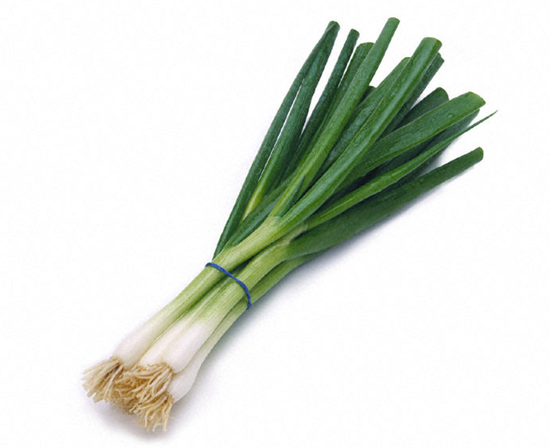
Green onions that are left in a dish of freshwater for several hours become stiff and remain standing upright. Therefore, the freshwater is because water is entering the cells to make them turgid (stiff). Similar green onions left in a saltwater solution become soft and wilt. The salt water is because water is exiting the cells to make them flaccid (soft).
A specific type of cell is being studied by a scientist. She notices the cell contains a nucleus, lysosomes, a cell membrane, chloroplast, and a cell wall. What is the correct classification of this cell?
What molecule is released when water is split during the light-dependent reactions in photosynthesis?
During cellular respiration, which reaction produces the most ATP?
An advertisement for a health supplement for dogs claims to build lean muscle and strengthen tendons and ligaments, as well as provide short-term energy. Which two macromolecules must the supplement contain to provide these benefits?
Which statement could explain the data shown in the graph?
Which equation shows the cellular process that occurs as an athlete prepares to train?