How many atoms make up this compound?
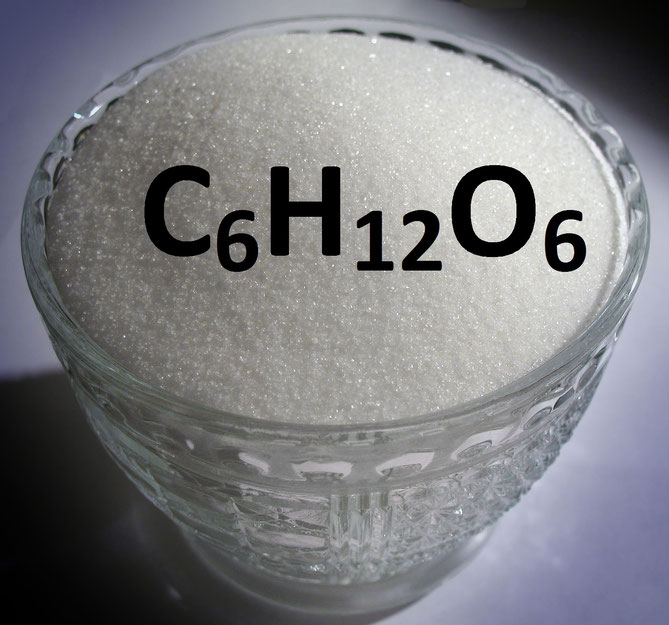
How many atoms make up this compound?
Watch this video about molecular bonds. do you have any questions?
During an ionic bond _____________ are gained and lost.
Made up of 2 or more different elements.
A group of atoms held together by covalent bonding that acts as an independent unit.
A chemical bond formed when two atoms share one or more pairs of valence electrons.
How many atoms make up this compound?
A molecule that has a partial positive end and a partial negative end because of unequal sharing of electrons.
A group of chemical symbols and numbers that represent the elements and the number of atoms of each element that make up a compound
How many atoms of oxygen are there in H₂O₂
Watch the following video about the polarity of water
When a molecule is polar , which is true?
technically only covalent bonds can be considered polar, but ionic bonds act like polar molecules because
We learned last week that when you dissolve salt, the water pulls the salt molecules apart. this is because ionic bonds are between
what happens when you try to mix oil and water?
what happens when you mix oil and water and then put some soap in the mixture?
watch this video on polar nonpolar and amphiphilic.
Ok, 8th and honors, keep going, every one else can leave. summarize the video in just a couple sentences
Answer the question he asks at the end - why are we using detergents (the amphiphilic stuff) to clean things?