Log in
Sign up for FREE
arrow_back
Library

Unit 1 Mini Vocab Quiz

star
star
star
star
star
Last updated over 1 year ago
15 questions
Questions 1-3
Required
1
K-5.CST.1
Required
1
K-5.CST.4
Required
1
5.1.1
Questions 4-6
Required
1
5.1.1
Required
1
5.1.1
Required
1
5.1.1
Questions 7-10
Required
1
5.1.1
K-5.HI.2
Required
1
Required
1
Required
1
Questions 11-15
Required
1
5.1.1
5.1.2
Required
1
Required
1
Required
1
5.1.1
5.1.2
Required
1
5.1.1
K-5.CST.1
K-5.CST.4
Question 1
1.

Question 2
2.
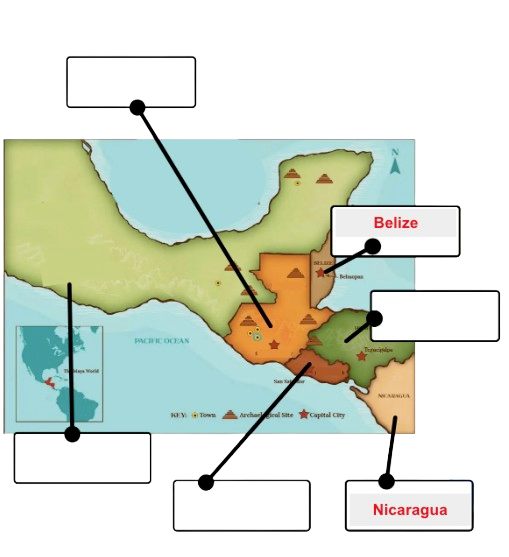
Drag and drop the name of each modern-day country to the right spot on the map of Mesoamerica.
Other Answer Choices:
Honduras
Guatemala
El Salvador
Mexico
Question 3
3.

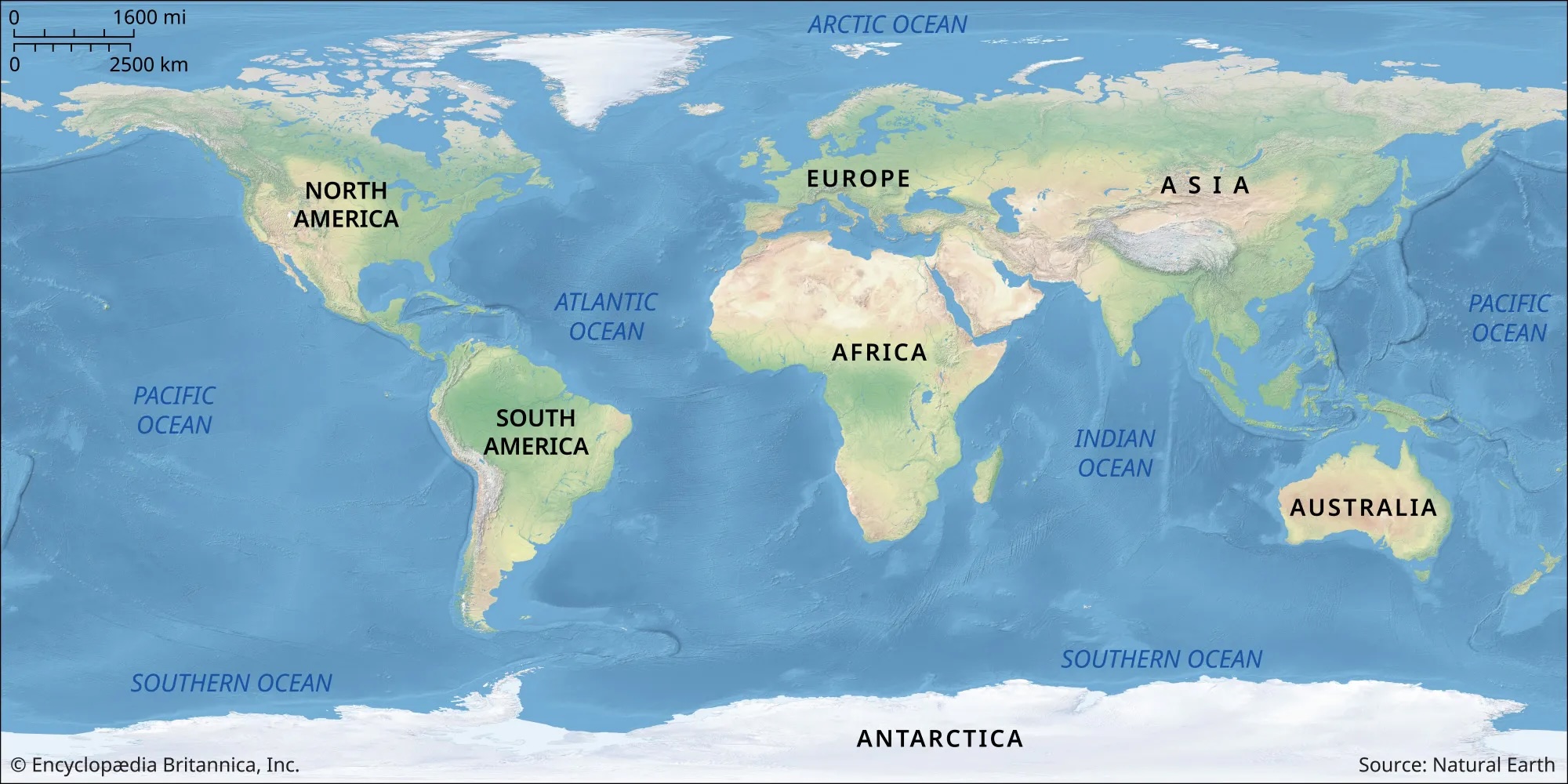
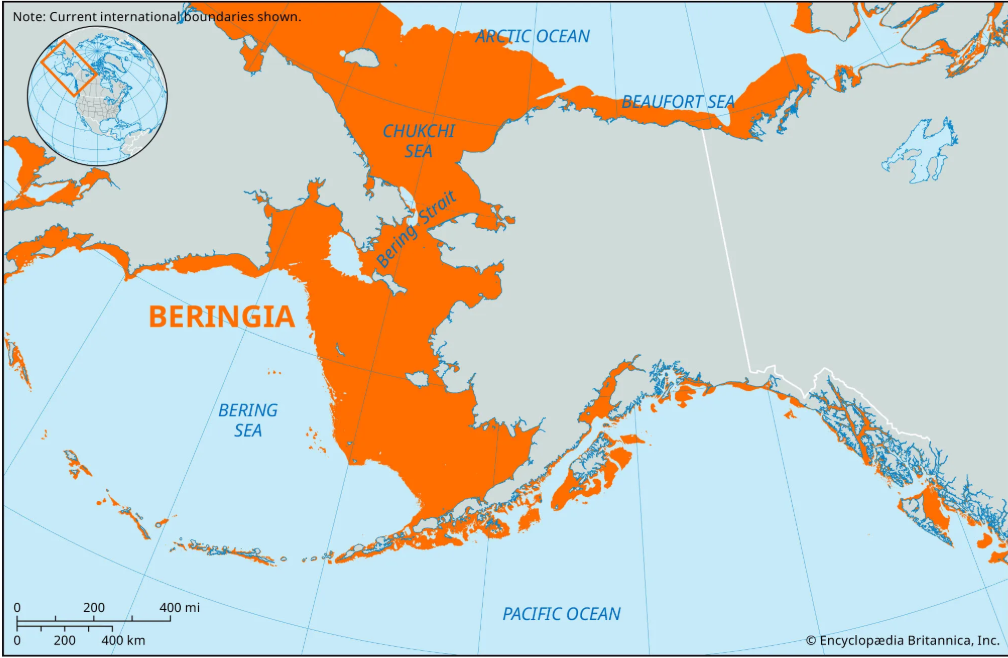
Which two (2) continents did the Bering Land Bridge connect to allow early humans to migrate during the Ice Age?

Question 4
4.
Other Answer Choices:
Question 5
5.
Other Answer Choices:
Question 6
6.

Read the passage below and highlight all evidence suggesting the Chumash were nomadic.

The Chumash people of California lived along the coast and relied on fishing, hunting, and gathering for food. They built homes called apex houses from materials like reeds and thatch. While they stayed in the same general area, they moved around to follow food sources such as fish and animals, depending on the seasons.
Question 7
7.

Question 8
8.

Question 9
9.

Question 10
10.

Question 11
11.

Question 12
12.

Question 13
13.

Identify the incorrect facts about the Maya in the passage below:

The Maya civilization was an ancient group of people who lived in what is now Mexico, South, and Central America. They made many important discoveries. One of their biggest achievements was their writing system, which used pictures called hieroglyphics to record important information. The Mayans were also excellent at studying the stars and created a very accurate calendar to track time. They built great cities with pyramids, temples, and big buildings. The Maya were good at math too, and they even invented the number zero to help with their calculations. The Maya also created the wheel to help them travel long distances and carry heavy loads.
Question 14
14.

Question 15
15.
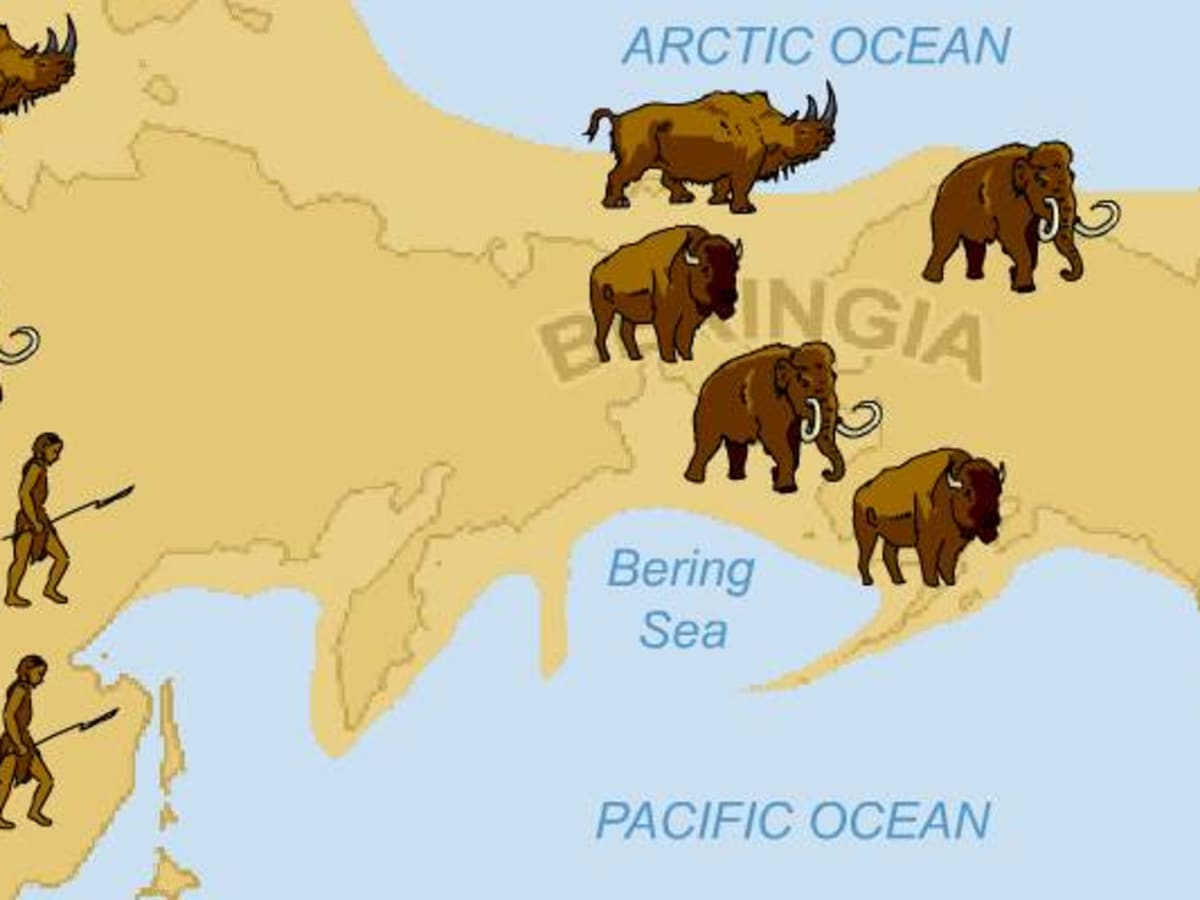
Correctly label the two modern-day locations (in grey) where the Bering Land Bridge was located in:
Other Answer Choices:
China
California
Russia
Alaska (the U.S.)
Canada
Reorder the dates from oldest to most recent:
2500 BCE
4 BCE
476 CE
586 BCE
1215 CE
Some Native American groups were ____________ , meaning they moved from place to place to find _________ and resources. Tribes like the Lakota and Comanche lived in ______________ shelters that were easy to move. They often followed animal herds and changed locations with the seasons.
food
temporary
nomadic
Some Native American groups were ______________ , meaning they stayed in one place long. Tribes like the Hopi and Cherokee built ______________ homes and grew their own food through ____________ . Because they did not move around, they created large villages and often lived near rivers or rich soil.
sedentary
permanent
farming
Name three (3) characteristics that might define a region: 🌵
Presidents, kings, and emperors
Mountains, rivers, and oceans
Language, culture, and clothing
Planets, stars, and galaxies
How might understanding regions help us study history and geography?

It shows us how people build houses
It teaches us about locations on earth
It improves map reading skills
It helps us group similar areas together
During what time period did the Bering Land Bridge exist?

During the last Ice Age (24,000 - 21,000 years ago)
In the last millenium.
In the year 2000 BCE
During the Olmec civilization (1200-400 BCE)
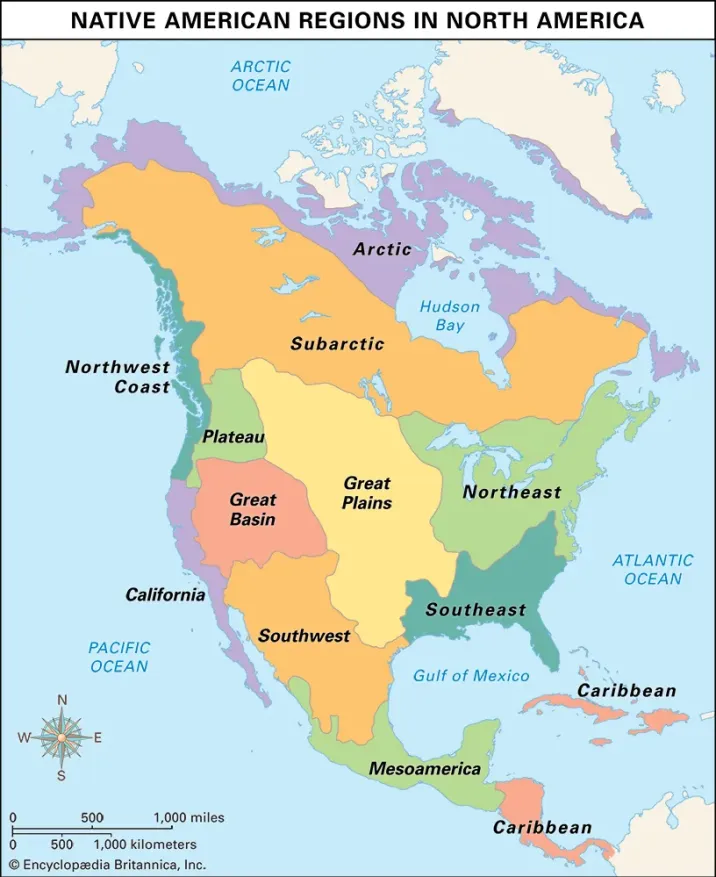
Which one of these is NOT a cultural region of the United States?
The West
The Pacific Northwest
The Southwest
The Great Plains
Drag the correct facts and drop them under the Mesoamerican civilizations they belong to.
Known as the "Mother Culture" of Mesoamerica
Pyramids and Temples
Built giant stone heads
The concept of the zero in math
Advanced Cities
Created one of the first writing systems
The Olmec
The Maya
Hunter-gatherers are sedentary people.
True
False
The Olmec civilization was a nomadic society that moved frequently in search of food and resources.
True
False