Log in
Sign up for FREE
arrow_back
Library

1.02BM Your Brain and Money

star
star
star
star
star
Last updated 4 months ago
13 questions
Note from the author:
Intro/Warm-Up
Learn It
Learn It
Exit Tickets
1
1
1

Student Activity Packet

Dollar Auction Game

Learning Objectives

Students will be able to:
  • Explain what a cognitive bias is and how it can cause someone to make irrational decisions, particularly around money
  • Explore and experience a variety of cognitive biases
National Standards for Personal Financial Education
Investing
  • 9a: Identify several behavioral biases that can result in poor investment decisions (e.g. loss aversion, mental accounting)
  • 9b: Brainstorm methods for avoiding negative consequences from behavioral biases

Student Activity Packet

Dollar Auction Game

Learning Objectives

Students will be able to:
  • Explain what a cognitive bias is and how it can cause someone to make irrational decisions, particularly around money
  • Explore and experience a variety of cognitive biases
National Standards for Personal Financial Education
Investing
  • 9a: Identify several behavioral biases that can result in poor investment decisions (e.g. loss aversion, mental accounting)
  • 9b: Brainstorm methods for avoiding negative consequences from behavioral biases

QUESTION OF THE DAY: What percentage of people make purchases due to FOMO?

5 min

Answer the question on the first slide in the space below. Then, compare your answer to the answer on the second slide. Finally, follow your teacher’s directions on how to answer the follow-up questions on the last slide.
1
Question 1
1.
VIDEO: FOMO: Our Relationship with Social Media 5 min The previous Question of the Day showed the power of FOMO, or the fear of missing out, and how it can influence our decisions around money. Watch this video to learn more about how FOMO can show up when we use social media, and what we can do to curb its impact on our choices. Then, answer the questions.
3
2

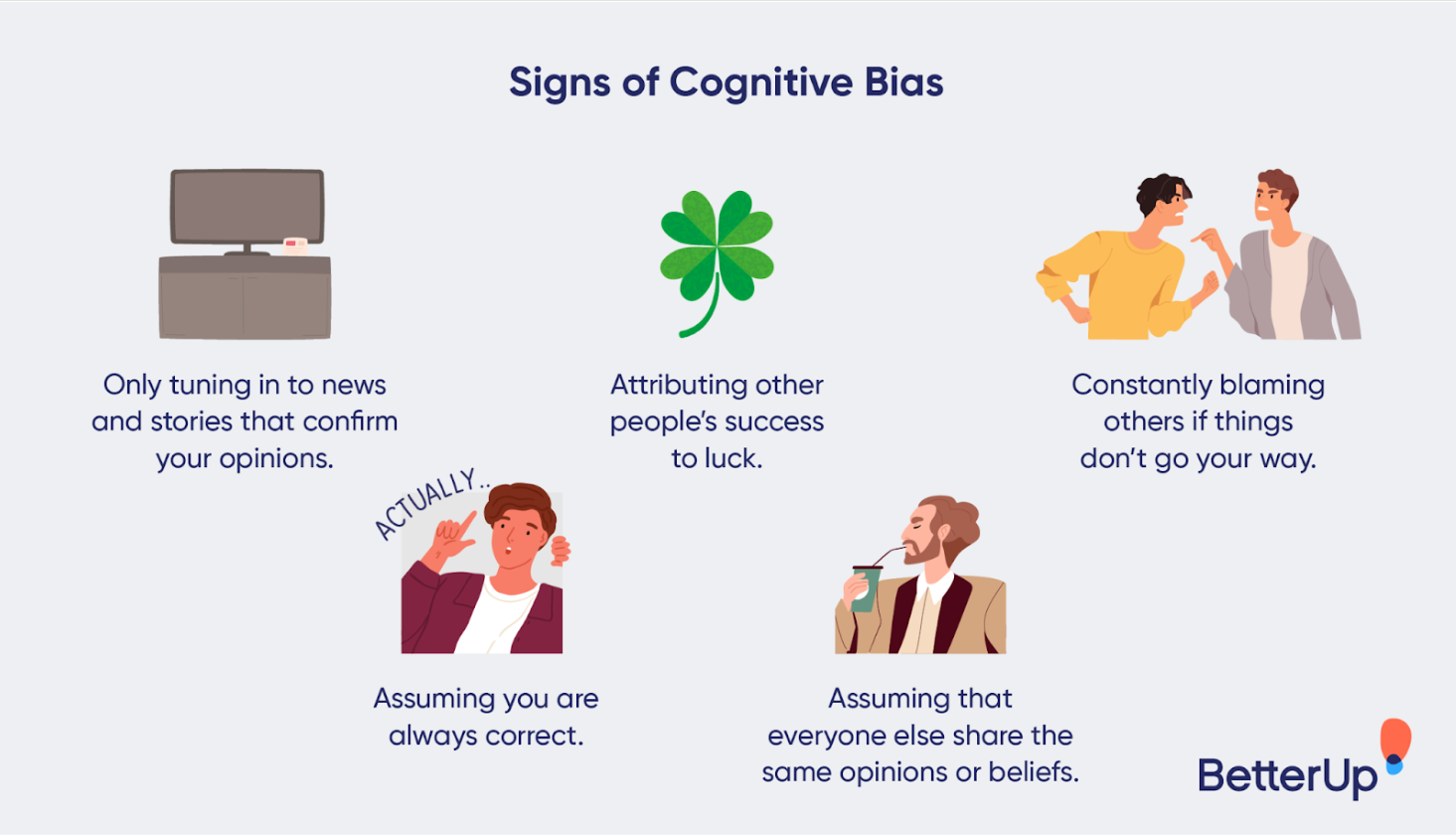
REFERENCE: What is Cognitive Bias?

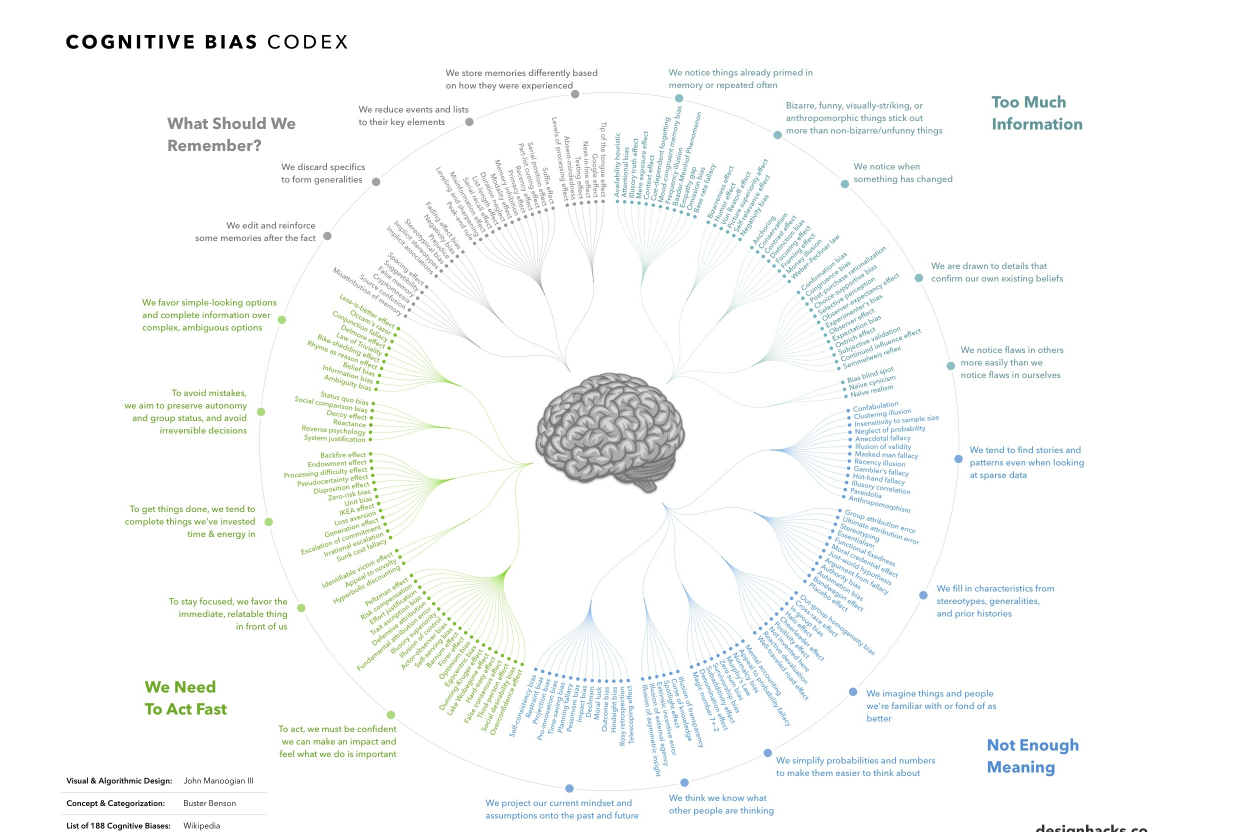
LIST: List of Cognitive Biases

6 min

So far, we’ve learned a lot about FOMO, which is a cognitive bias. So what exactly IS a cognitive bias? Review these slides to find out and skim through the list of biases to see just how many there are. Finally, answer the questions.

Link to Pic Below:
1
1
2
3
VIDEO: 5 Ways People Are Dumb with Money
11 min Now that you’ve learned about - and experienced - a few cognitive biases, let’s explore how these biases can impact our decisions specifically around money. Watch this video and then answer the questions.
2
2
2
Question 11
11.

Question 12
12.

Question 13
13.

What percentage of people make purchases due to FOMO?_______
Question 2
2.
Describe a time FOMO has influenced a financial decision of yours. _______ Were you happy with the decision? _______ Explain._______
Question 3
3.
Sam regularly uses social media and posts to his accounts multiple times a day. He realized he experiences a lot of FOMO while scrolling through his feeds and wants to try quitting social media overnight. What advice would you give to Sam? _______ Explain._______
Question 4
4.

Use the definition on the slide to explain what makes FOMO a cognitive bias.

Question 5
5.

If cognitive biases can cause us to make irrational decisions, why do they exist?

Question 6
6.
Skim through the list of biases. Does it surprise you that there are so many of them? _______ Why or why not?_______ (Note: there are many other biases that are not listed here!)
Move: FOMO and Cognitive BIas https://docs.google.com/presentation/d/1UktJpnVsU647Pvqj9zz1LqPLchldtr4LID31jkIo39o/edit?usp=sharing
Question 7
7.

What do you think about cognitive bias and spending money?

Question 8
8.

How do behavioral economists view people differently than traditional economists?

Question 9
9.

How might businesses use cognitive biases to their advantage?

Question 10
10.

How do you think being aware of the various biases we have can empower us to make better decisions around money?

Behavioral economics…
Combines economics and psychology to study why people behave the way they do in the real world
Analyzes how different economies around the world behave over time
Tracks and examines stock market trends over a certain period of time
Is a field of economics that studies people who make rational and objective decisions
Cognitive bias is…
The concept of placing more value on an item when we own it
The desire to seek out information that confirms our existing beliefs
An error in the way we think that can influence our decisions
The belief that our abilities are better than they actually are
You go to a restaurant and order a big meal. Even though you’re full, you keep eating because it was expensive. This is an example of...
The Endowment Effect
The Sunk Cost Fallacy
Fear of Missing Out
Mental Accounting