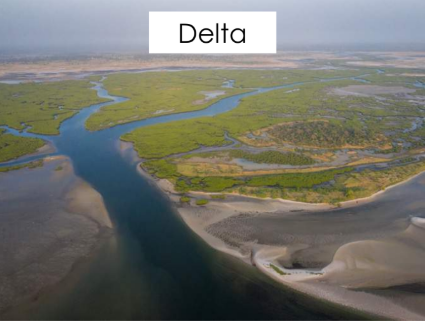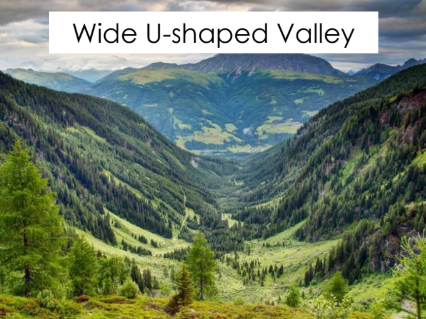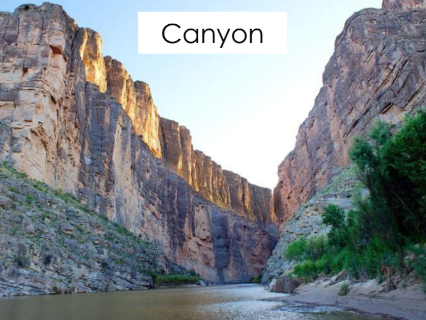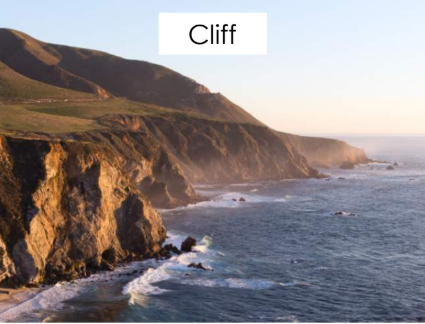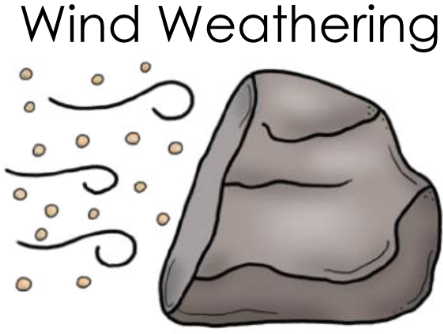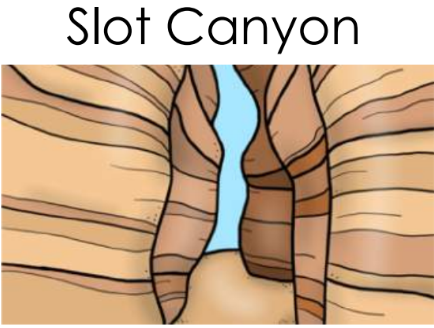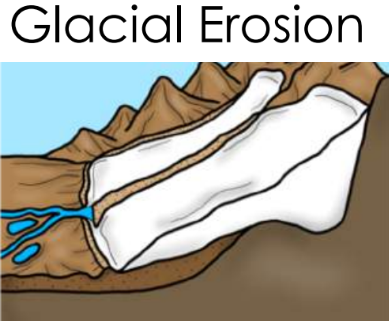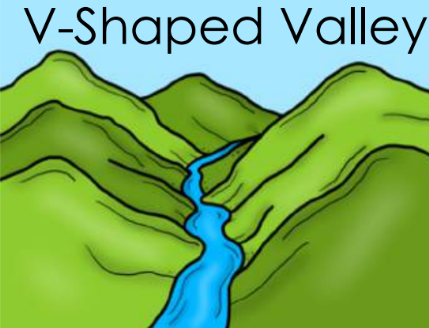
Drag each card below to the match the formation of each process.

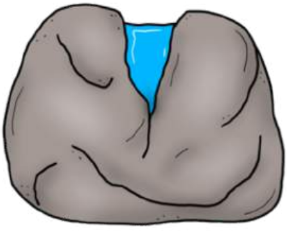
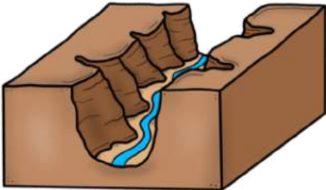
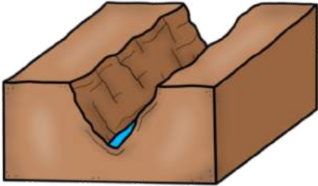
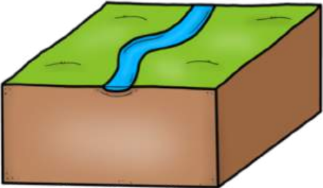
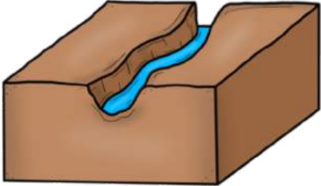
Drag the descriptions in how the formation of a canyon occurred with the first step on the top.
The river begins to erode the land forming a channel for water to follow.
A river flows across flat land from annual snowmelt or rainfall.
For millions of years, the annual snowmelt and rainfall erode away the lower half of the V-shaped valley creating the vertical sides of the canyon.
The river continues to erode the land even more creating the "V"-shape valley.
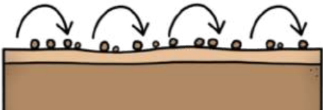
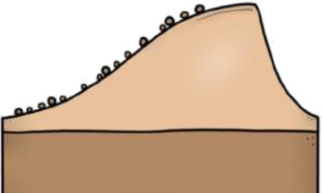
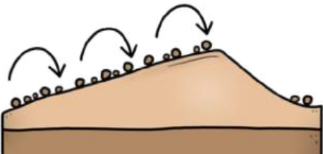
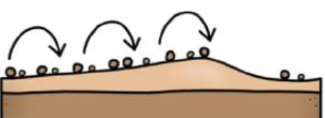
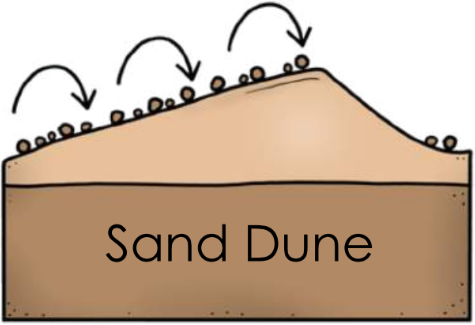
Drag the descriptions in how the formation of a sand dune occurred with the first step on the top.
The wind-blown sand eventually hits an obstacle, like a rock or a plant, causing the sand to drop and pile up (deposition).
As more sand grains hit the obstacle, they start to pile up (deposition), forming a small mound.
Wind blows across loose sand, picking up tiny grains and carrying (erosion) them through the air.
Over time, the mound grows bigger as more sand is added, eventually forming a sand dune.
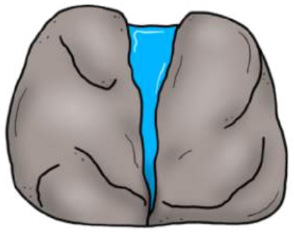
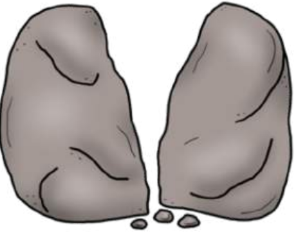
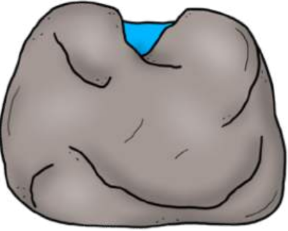
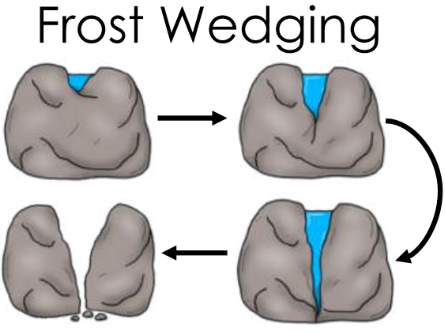
Drag the descriptions in how the formation of frost wedging occurred with the first step on the top.
Water from rain or melting snow seeps into cracks in rocks.
As the water freezes, it expands, pushing the cracks in the rock wider (weathering).
Over time, the repeated freezing and thawing causes the rock to break apart into smaller pieces (weathering).
When the temperature drops, the water in the cracks freezes and turns into ice (weathering).
Match each landform photo to the description that best describes how the landform is made.
| Draggable item | arrow_right_alt | Corresponding Item |
|---|---|---|
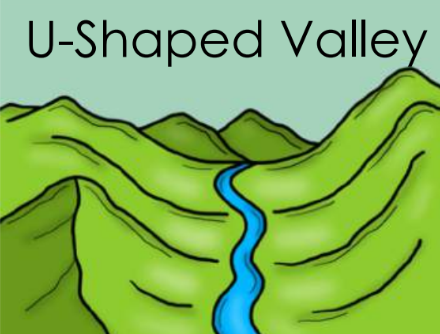
Formed when a large, wide glacier slowly moves through the area, weathering rock and eroding sediments | arrow_right_alt | |
Formed when a river weathers rock and erodes sediments over millions of years | arrow_right_alt | |
Formed when ocean waves crash against rock for many years | arrow_right_alt | |
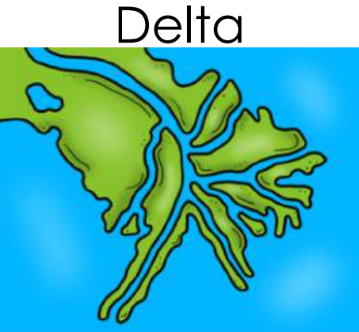
Formed when sediments are deposited at the mouth of a river | arrow_right_alt |
For each landform below, determine the agent of change (wind, water, or ice) and the W.E.D. process (Weathering & Erosion or Deposition) that caused its creation.

Determine the agent of change (wind, water, or ice) that created each landform.
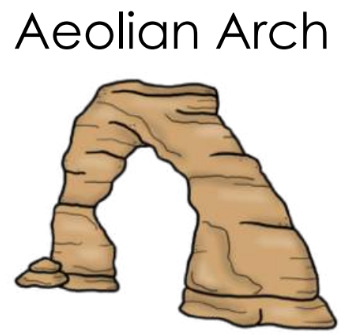
Aeolian arch:
Delta:
Canyon:
Determine the agent of change (wind, water, or ice) that created each landform.
Frost wedging:
Sand dune:
U-Shaped Valley:
Determine the agent of change (wind, water, or ice) that created each landform.
Glacial erosion:
V-Shaped Valley:
Sea Stack:
Sort the items on the left based on their agent of change.
Sort the items on the left based on their agent of change.
Sort the items on the left based on their agent of change.
1. Study the image and read the caption.
2. Answer the questions on your Student Sheet.
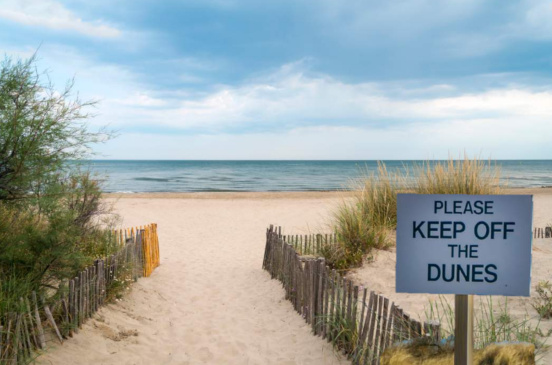
A family renting a beach house on vacation noticed fences, shrubs, and grasses between the house and the ocean water. A sign said to keep off the dunes.
Why is the beach grass important to this area?
Why is the sand fence important to this area?
What might happen if the fence were removed and people were permitted to walk and drive golf carts on the sand dunes?