Log in
Sign up for FREE
arrow_back
Library
Sociology Exam
By Cory Halton
star
star
star
star
star
Share
share
Last updated about 1 year ago
60 questions
Add this activity
Untitled Section 1
zoom_in
1
1
1
1
zoom_in
1
1
1
1
zoom_in
1
1
1
1
zoom_in
1
1
1
1
zoom_in
1
1
1
1
zoom_in
1
1
1
1
zoom_in
1
1
1
1
zoom_in
zoom_in
1
1
1
1
zoom_in
1
1
1
1
zoom_in
1
1
1
1
zoom_in
1
1
1
1
zoom_in
1
1
1
1
zoom_in
1
1
1
1
zoom_in
1
1
1
1
zoom_in
1
1
1
1
Question 1
1.
How does self-awareness contribute to effective communication?
Reduces the need for listening skills.
Makes conversations more superficial.
Increases the likelihood of conflicts.
Enhances understanding of emotions in conversations.
Question 2
2.
What is a key outcome of practicing empathy?
Greater focus on personal goals.
Decreased ability to express oneself.
Increased feelings of isolation.
Improved relationships through understanding others' feelings.
Question 3
3.
Which practice helps manage stress effectively?
Mindfulness to focus on the present moment.
Ignoring stress until it disappears.
Complaining to others about stress.
Avoiding all stressful situations completely.
Question 4
4.
What role does emotional regulation play in conflict resolution?
Allows emotions to dominate the conversation.
Facilitates calm discussions, reducing escalation.
Encourages aggressive confrontations.
Makes resolving conflict unnecessary.
Question 5
5.
How can self-awareness improve decision-making in personal relationships?
It eliminates conflicts in relationships.
It makes one more agreeable to others.
It helps recognize emotional triggers and responses.
It creates emotional distance from others.
Question 6
6.
Which practice enhances emotional regulation during stressful situations?
Acting out in frustration.
Relying solely on others for support.
Ignoring feelings to avoid stress.
Mindfulness meditation to calm the mind and body.
Question 7
7.
What is an effective way to show empathy?
Listening actively to understand others' perspectives.
Dismissing others' feelings as unimportant.
Giving unsolicited advice immediately.
Consoling them without listening.
Question 8
8.
What role does self-reflection play in personal growth?
It discourages taking risks in life.
It promotes overthinking and anxiety.
It prevents forming new relationships.
It helps identify areas for improvement and progress.
Question 9
9.
How can empathy improve workplace relationships?
By increasing competitiveness among employees.
By minimizing communication between team members.
By fostering trust and understanding among team members.
By enforcing strict policies.
Question 10
10.
Which strategy enhances emotional regulation during stress?
Practicing mindfulness techniques to calm the mind.
Ignoring stress to deal with it later.
Avoiding difficult situations altogether.
Talking loudly to express feelings.
Question 11
11.
What role does self-awareness play in conflict resolution?
It escalates conflicts rather than resolving them.
It prevents any disagreements from occurring.
Helps identify personal triggers and reactions in conflicts.
It shows others you're always right.
Question 12
12.
How do positive affirmations contribute to self-esteem?
They promote a more positive self-image and belief.
They guarantee success in all areas of life.
They replace hard work with confidence.
They only work for certain personality types.
Question 13
13.
Which strategy enhances emotional regulation in stressful situations?
Ignoring the situation.
Avoiding emotions entirely.
Mindfulness and deep breathing techniques.
Expressing anger immediately.
Question 14
14.
How can empathy improve group dynamics?
Hinders decision-making processes.
Fosters understanding and collaboration among group members.
Creates competition for attention.
Builds barriers to communication.
Question 15
15.
What role does self-awareness play in conflict resolution?
Helps identify personal triggers and responses.
Encourages selfish behavior.
Minimizes the need for dialogue.
Reduces overall engagement in discussions.
Question 16
16.
Which approach best supports a positive classroom culture?
Encouraging open communication and respect among students.
Limiting all feedback to assignments only.
Strictly enforcing rules without discussion.
Favoring some students over others.
Question 17
17.
What is a key goal of social-emotional learning?
Eliminate all negative emotions.
Develop self-awareness and emotional regulation skills.
Focus solely on social interactions.
Improve academic performance only.
Question 18
18.
Which component involves understanding one’s emotions?
Empathy for others only.
Avoiding emotional conversations.
Social management skills.
Self-awareness in emotional intelligence.
Question 19
19.
What fosters positive relationships in social-emotional learning?
Effective communication and empathy among individuals.
Limited interaction with others.
Competing for attention.
Same interests in activities.
Question 20
20.
Which skill helps resolve conflicts effectively?
Active listening and problem-solving abilities.
Making quick judgments.
Ignoring the issue at hand.
Always prioritizing winning the argument.
Question 21
21.
What is self-regulation in social-emotional learning?
Ignoring emotions in stressful situations.
Reacting impulsively to challenges.
Managing emotions and behaviors effectively in different situations.
Only focusing on positive emotions.
Question 22
22.
Which skill helps in resolving conflicts effectively?
Arguing your point strongly.
Avoiding the conflict altogether.
Silencing others in disagreements.
Active listening to understand different perspectives.
Question 23
23.
What does empathy involve in social interactions?
Manipulating others' emotions.
Understanding and sharing the feelings of others.
Focusing only on your feelings.
Ignoring others' emotional cues.
Question 24
24.
Why is teamwork important in social-emotional learning?
It fosters collaboration and improves social skills among individuals.
It allows for individual competition.
It eliminates the need for communication.
It discourages diverse viewpoints.
Question 25
25.
What is the main goal of Social-Emotional Learning?

Focus solely on individual achievement.
Eliminate all negative emotions.
Develop emotional intelligence and interpersonal skills.
Increase academic performance only.
Question 26
26.
Which of the following best describes empathy?
Expressing only personal feelings.
Understanding and sharing another person's feelings.
Ignoring others’ emotions entirely.
Judging others based on actions.
Question 27
27.
What role does self-regulation play in SEL?
It helps manage emotions and behaviors effectively.
It promotes impulsive decision making.
It's only important in group settings.
It discourages emotional expression.
Question 28
28.
Why is teamwork important in Social-Emotional Learning?
It replaces the need for individual work.
It is only for competitive environments.
It enhances collaboration and social skills among individuals.
It creates conflict among participants.
Question 29
29.
What is the main purpose of Social-Emotional Learning?
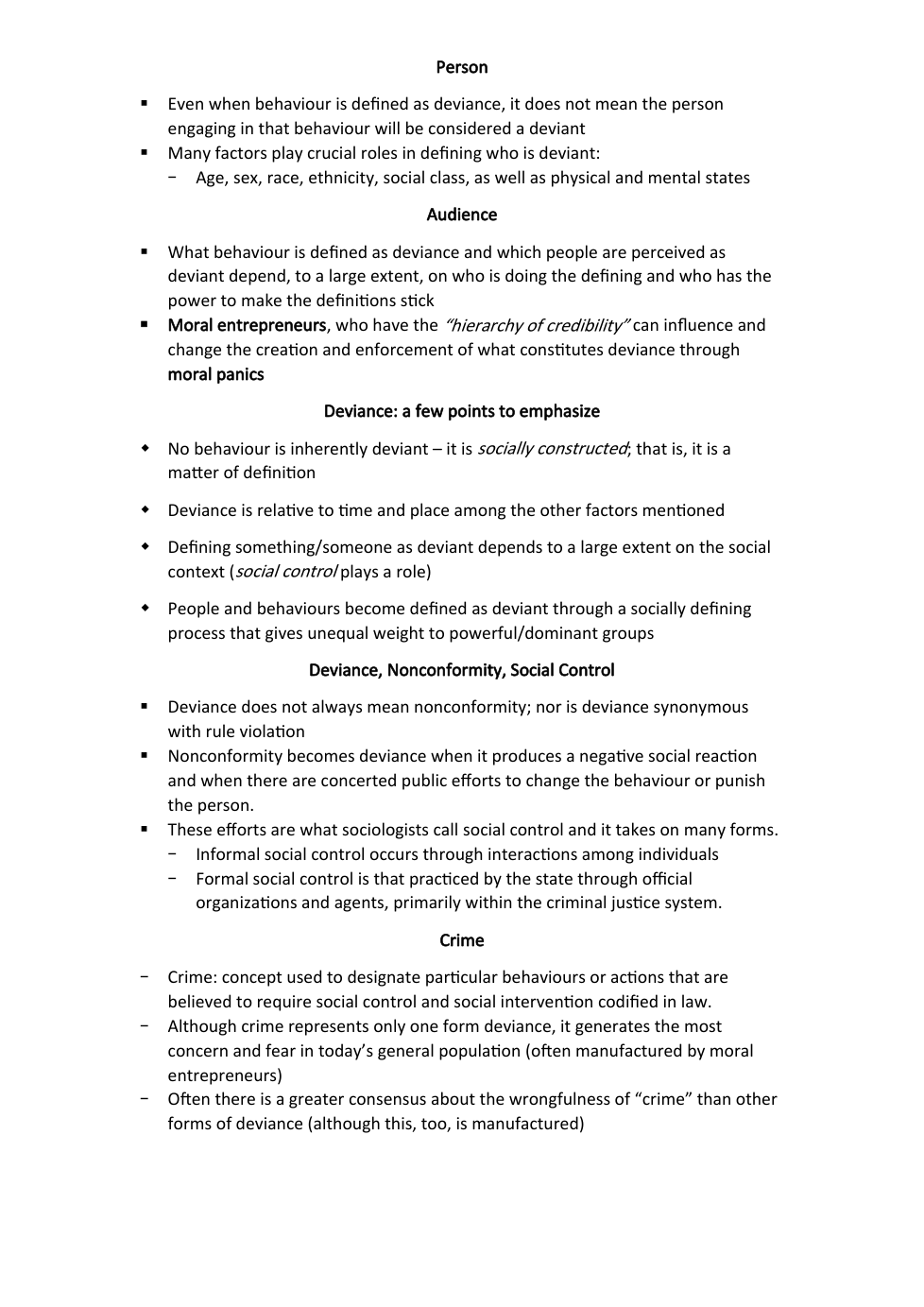
To reduce classroom disruptions.
To promote physical education.
To enhance emotional intelligence and interpersonal skills.
To improve academic scores only.
Question 30
30.
Which area does Social-Emotional Learning not focus on?
Decision-making and problem-solving.
Academic content knowledge specific to subjects.
Relationships and social skills.
Self-awareness and regulation.
Question 31
31.
Effective SEL programs primarily promote what among students?
Positive relationships and emotional well-being.
Minimal teacher involvement.
Strict discipline and obedience.
Higher test scores only.
Question 32
32.
How can teachers facilitate Social-Emotional Learning?
Avoiding discussions about emotions.
Limiting student interaction during class.
By integrating SEL skills into everyday classroom activities.
By focusing solely on standardized curriculum.
Question 33
33.
What is a key component of social-emotional learning?
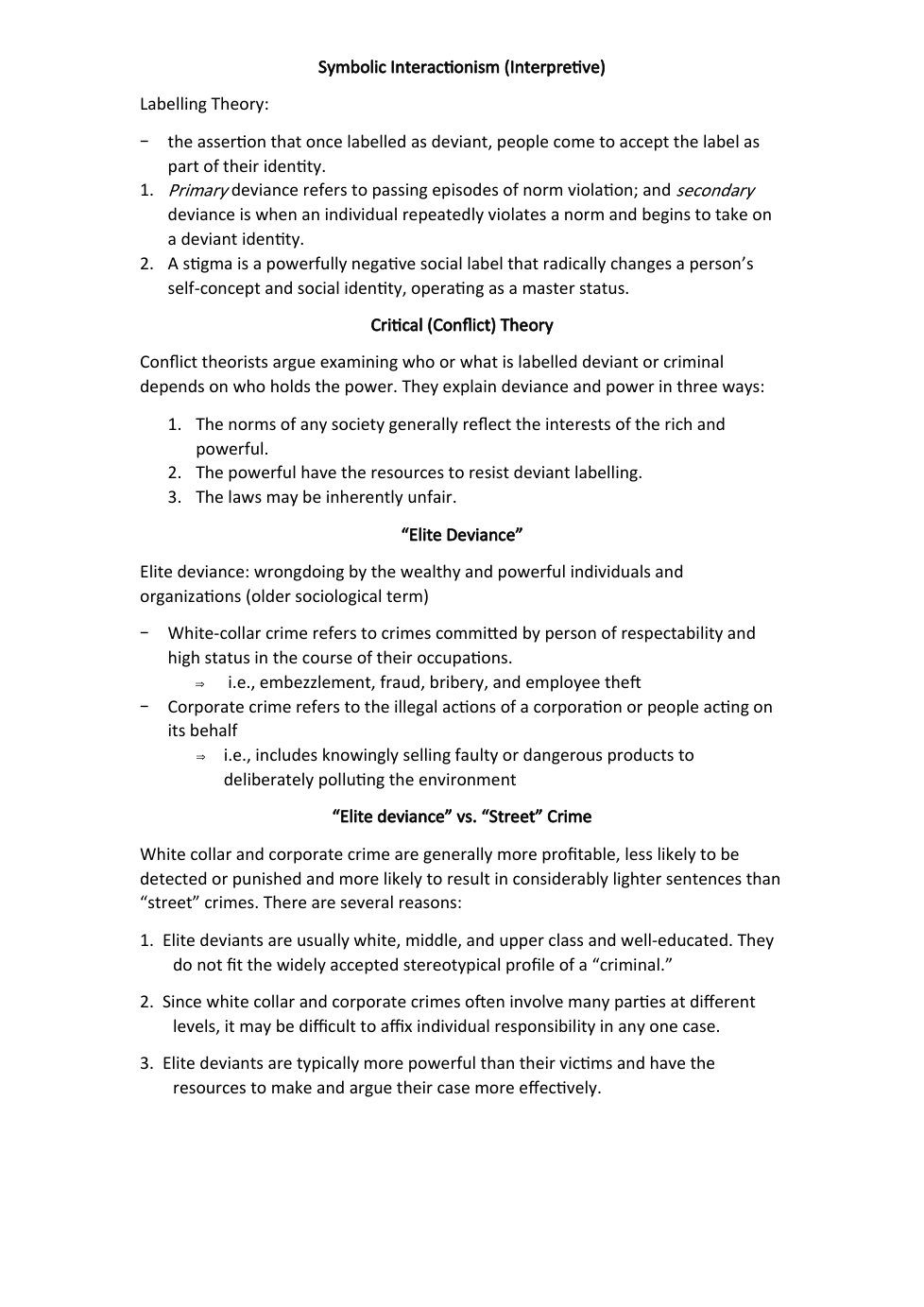
Academic achievement focus.
Group decision-making processes.
Self-awareness and emotional regulation skills.
Physical education activities.
Question 34
34.
Which skill helps improve relationship building in SEL?
Ignoring emotional cues.
Strict rule enforcement.
Empathy and understanding others' feelings.
Competitive behavior in teams.
Question 35
35.
What does self-management in SEL emphasize?
Seeking validation from others.
Isolating from peer interactions.
Acquiring leadership positions.
Controlling emotions and behaviors effectively.
Question 36
36.
How can social awareness benefit individuals?
Reduces the importance of personal relationships.
Focuses solely on academic success.
Enhances communication and collaboration abilities.
Promotes individual competition.
Question 37
37.
What is a key component of social-emotional learning?
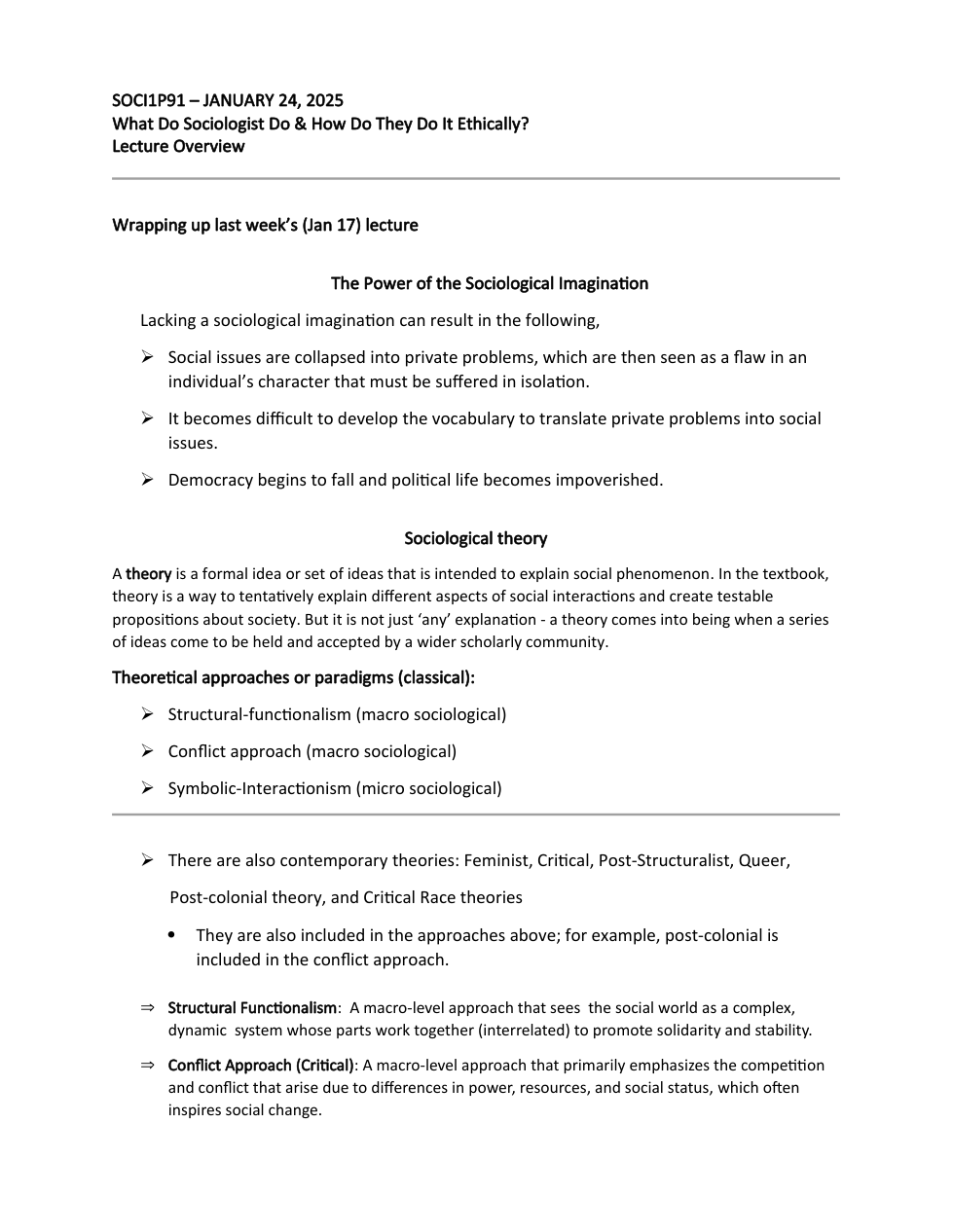
Developing self-awareness and self-regulation skills.
Avoiding social interactions
Focusing solely on academic performance
Only learning about emotions
Question 38
38.
Why is empathy important in social-emotional learning?
It only benefits the individual
It's irrelevant to personal growth
It fosters understanding and builds positive relationships with others.
It disregards emotional intelligence
Question 39
39.
How can teachers promote emotional intelligence in students?
Ignoring students' feelings
Limiting group work opportunities
By integrating SEL activities into daily lessons and discussions.
Focusing on tests and grades
Question 40
40.
Which emotion is critical for conflict resolution?
Suppressing all feelings
Understanding and managing anger to find effective solutions.
Encouraging aggression
Choosing avoidance strategies
Question 41
41.
What is an essential component of Social-Emotional Learning?
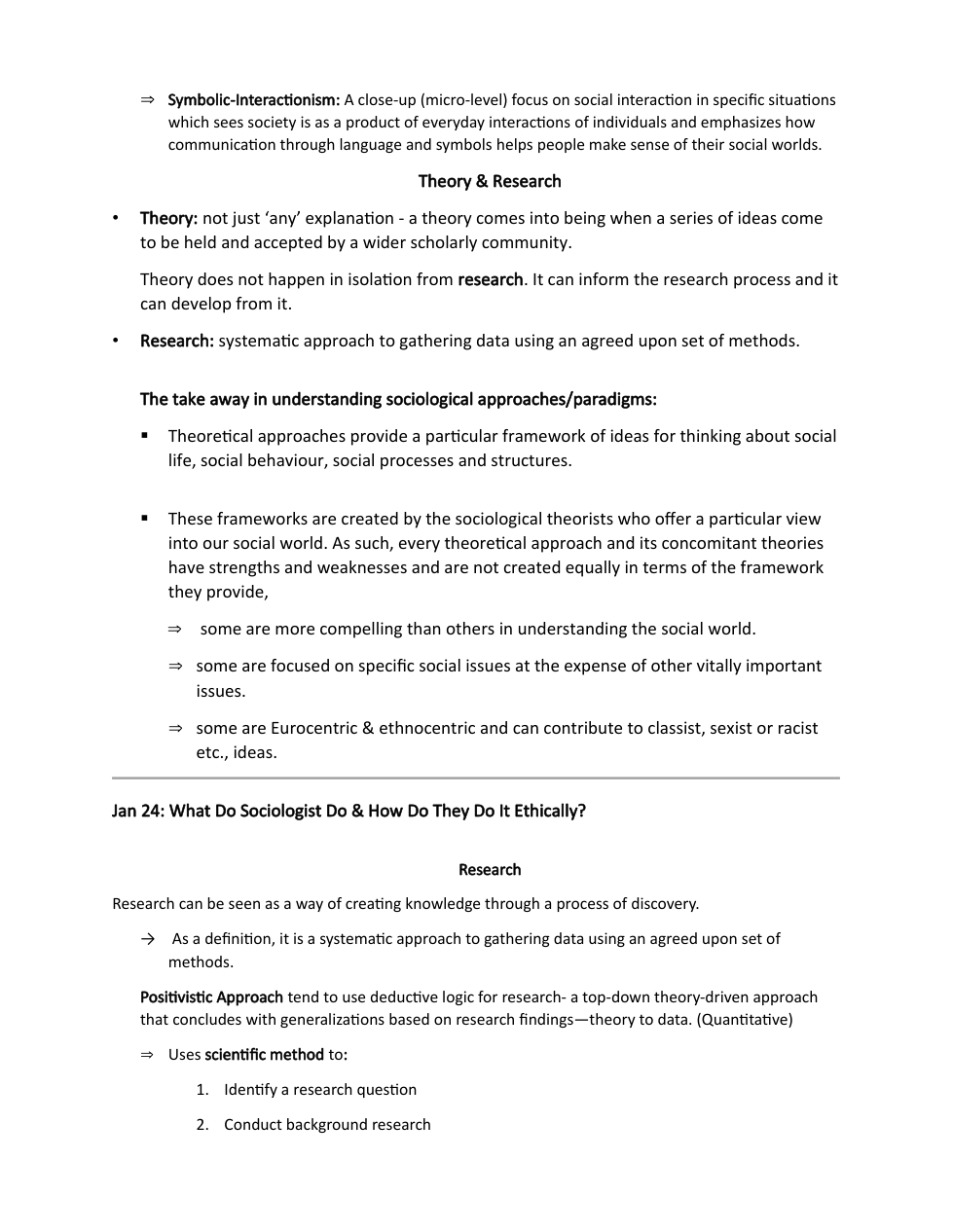
Maslow's hierarchy of needs
Economic stability in communities
Self-awareness and management skills
Cognitive dissonance theory
Question 42
42.
How can empathy be measured in individuals?
Financial contributions to charity
Written assessments of academic knowledge
Through observations and self-reported feelings
Participation in group discussions
Question 43
43.
Which strategy best promotes emotional regulation in students?
Mindfulness and breathing exercises
Competitive sports activities
Strict discipline policies
Standardized testing practices
Question 44
44.
What role do relationships play in Social-Emotional Learning?
They enhance motivation and emotional well-being
They are irrelevant to personal growth
They hinder academic performance
They create unnecessary social pressure
Question 45
45.
What is a key component of Social-Emotional Learning?
Physical strength and fitness.
Avoiding social interactions completely.
Memorizing academic content only.
Self-awareness and understanding emotions effectively.
Question 46
46.
Which skill is crucial in conflict resolution?
Staying completely neutral without engagement.
Always winning the argument.
Empathy for understanding others' perspectives.
Silencing the opposing viewpoints.
Question 47
47.
How does self-regulation benefit emotional health?
It leads to emotional numbness.
It replaces emotions with logic.
It helps manage stress and emotional responses.
It removes all emotions.
Question 48
48.
What role does goal setting play in SEL?
It's unrelated to emotional skills.
It only benefits teachers and not students.
It promotes motivation and self-direction in learning.
It focuses solely on academic performance.
Question 49
49.
Which emotion helps build empathy in social situations?
Ignoring how others feel.
Only focusing on facts.
Expressing only your own feelings.
Understanding others' feelings and perspectives.
Question 50
50.
What is a key benefit of active listening?
It improves communication and relationships with others.
It shows you're not paying attention.
It ensures you always agree.
It allows you to interrupt others more.
Question 51
51.
How does self-regulation benefit personal interactions?
It helps manage emotions during conversations.
It eliminates all emotional responses.
It encourages impulsive reactions.
It isolates you from others.
Question 52
52.
What role does self-awareness play in social skills?
It helps recognize your impact on others' emotions.
It makes you less observant.
It limits your social interactions.
It focuses on others only.
Question 53
53.
What is an example of social-emotional learning in schools?
Focusing only on academic performance.
Teaching conflict resolution skills to students.
Providing free textbooks to students.
Organizing sports events for fun.
Question 54
54.
How can empathy improve classroom dynamics?
Encourages individualism over collaboration.
Promotes understanding and cooperation among students.
Creates more competition among students.
Reduces the need for discipline.
Question 55
55.
Which practice enhances emotional regulation in students?
Increasing homework assignments for discipline.
Limiting student interactions during breaks.
Mindfulness activities like meditation and deep breathing.
Conducting frequent exams to assess knowledge.
Question 56
56.
What role does self-awareness play in social-emotional learning?
Leads to reduced communication with peers.
Helps students identify their emotions and triggers.
Makes academic performance irrelevant.
Encourages students to hide their feelings.
Question 57
57.
What does SEL focus on improving for students?
Academic achievement only.
Physical health awareness.
Standardized test performance only.
Emotional intelligence and social skills development.
Question 58
58.
Which skill is NOT part of social-emotional learning?
Relationship building.
Self-awareness.
Technical skills for specific jobs.
Responsible decision-making.
Question 59
59.
How can educators promote SEL in classrooms?
Focusing solely on academics.
Reducing group work.
Avoiding personal discussions.
Integrating social-emotional activities into daily lessons.
Question 60
60.
Why is empathy important in SEL?
It decreases social interactions.
It replaces critical thinking.
It fosters understanding and healthy relationships among peers.
It boosts academic scores.