Double Science (Physics) Retrospective Revision guide
star
star
star
star
star
Last updated 10 months ago
146 questions
Note from the author:
A document for students to use to identify areas of the syllabus to work on.
1 Forces and motion
2
1.1 use the following units: kilogram (kg), metre (m), metre/second (m/s), metre/second2 (m/s2), newton (N), second (s) and newton/kilogram (N/kg)
1.1
use the following units: kilogram (kg), metre (m), metre/second (m/s),
metre/second2 (m/s2), newton (N), second (s) and newton/kilogram (N/kg)
2
1.3 plot and explain distance−time graphs
1.3
plot and explain distance−time graphs
2
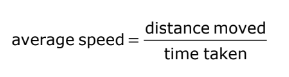
1.4 know and use the relationship between average speed, distance moved and time taken:
1.4
know and use the relationship between average speed, distance moved and time
taken:
2
1.5 practical: investigate the motion of everyday objects such as toy cars or tennis balls
1.5
practical: investigate the motion of everyday objects such as toy cars or tennis balls
2
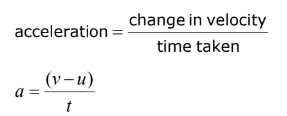
1.6 know and use the relationship between acceleration, change in velocity and time taken:
1.6
know and use the relationship between acceleration, change in velocity and time
taken:
2
1.7 plot and explain velocity-time graphs
1.7
plot and explain velocity-time graphs
2
1.8 determine acceleration from the gradient of a velocity−time graph
1.8
determine acceleration from the gradient of a velocity−time graph
2
1.9 determine the distance travelled from the area between a velocity−time graph and the time axis
1.9
determine the distance travelled from the area between a velocity−time graph and
the time axis
2
1.10 use the relationship between final speed, initial speed, acceleration and distance moved:
1.10
use the relationship between final speed, initial speed, acceleration and distance
moved:
2
1.11 describe the effects of forces between bodies such as changes in speed, shape or direction
1.11
describe the effects of forces between bodies such as changes in speed, shape or
direction
2
1.12 identify different types of force such as gravitational or electrostatic
1.12
identify different types of force such as gravitational or electrostatic
2
1.13 understand how vector quantities differ from scalar quantities
1.13
understand how vector quantities differ from scalar quantities
2
1.14 understand that force is a vector quantity
1.14
understand that force is a vector quantity
2
1.15 calculate the resultant force of forces that act along a line
1.15
calculate the resultant force of forces that act along a line
2
1.16 know that friction is a force that opposes motion
1.16
know that friction is a force that opposes motion
2
1.17 know and use the relationship between unbalanced force, mass and acceleration:force = mass × accelerationF = m × a
1.17
know and use the relationship between unbalanced force, mass and acceleration:
force = mass × acceleration
F = m × a
2
1.18 know and use the relationship between weight, mass and gravitational field strength:weight = mass × gravitational field strengthW = m × g
1.18
know and use the relationship between weight, mass and gravitational field strength:
weight = mass × gravitational field strength
W = m × g
2
1.19 know that the stopping distance of a vehicle is made up of the sum of the thinking distance and the braking distance
1.19
know that the stopping distance of a vehicle is made up of the sum of the thinking
distance and the braking distance
2
1.20 describe the factors affecting vehicle stopping distance, including speed, mass, road condition and reaction time
1.20
describe the factors affecting vehicle stopping distance, including speed, mass, road
condition and reaction time
2
1.21 describe the forces acting on falling objects (and explain why falling objects reach a terminal velocity)
1.21
describe the forces acting on falling objects (and explain why falling objects reach a
terminal velocity)
2
1.22 practical: investigate how extension varies with applied force for helical springs, metal wires and rubber bands
1.22
practical: investigate how extension varies with applied force for helical springs, metal
wires and rubber bands
2
1.23 know that the initial linear region of a force-extension graph is associated with Hooke’s law
1.23
know that the initial linear region of a force-extension graph is associated with
Hooke’s law
2
1.24 describe elastic behaviour as the ability of a material to recover its original shape after the forces causing deformation have been removed
1.24
describe elastic behaviour as the ability of a material to recover its original shape
after the forces causing deformation have been removed
2 Electricity
2
2.1 use the following units: ampere (A), coulomb (C), joule (J), ohm (Ω), second (s), volt (V) and watt (W)
2.1
use the following units: ampere (A), coulomb (C), joule (J), ohm (Ω), second (s),
volt (V) and watt (W)
2
2.2 understand how the use of insulation, double insulation, earthing, fuses and circuit breakers protects the device or user in a range of domestic appliances
2.2
understand how the use of insulation, double insulation, earthing, fuses and circuit
breakers protects the device or user in a range of domestic appliances
2
2.3 understand why a current in a resistor results in the electrical transfer of energy and an increase in temperature, and how this can be used in a variety of domesticcontexts
2.3
understand why a current in a resistor results in the electrical transfer of energy and
an increase in temperature, and how this can be used in a variety of domestic
contexts
2
2.4 know and use the relationship between power, current and voltage: power = current × voltageP = I × Vand apply the relationship to the selection of appropriate fuses
2.4
know and use the relationship between power, current and voltage:
power = current × voltage
P = I × V
and apply the relationship to the selection of appropriate fuses
2
2.5 use the relationship between energy transferred, current, voltage and time: energy transferred = current × voltage × timeE = I × V x t
2.5
use the relationship between energy transferred, current, voltage and time:
energy transferred = current × voltage × time
E = I × V x t
2
2.6 know the difference between mains electricity being alternating current (a.c.) and direct current (d.c.) being supplied by a cell or battery
2.6
know the difference between mains electricity being alternating current (a.c.) and
direct current (d.c.) being supplied by a cell or battery
2
2.7 explain why a series or parallel circuit is more appropriate for particular applications, including domestic lighting
2.7
explain why a series or parallel circuit is more appropriate for particular applications,
including domestic lighting
2
2.8 understand how the current in a series circuit depends on the applied voltage and the number and nature of other components
2.8
understand how the current in a series circuit depends on the applied voltage and the
number and nature of other components
2
2.9 describe how current varies with voltage in wires, resistors, metal filament lamps and diodes, and how to investigate this experimentally
2.9
describe how current varies with voltage in wires, resistors, metal filament lamps and
diodes, and how to investigate this experimentally
2
2.10 describe the qualitative effect of changing resistance on the current in a circuit
2.10
describe the qualitative effect of changing resistance on the current in a circuit
2
2.11 describe the qualitative variation of resistance of light-dependent resistors (LDRs) with illumination and of thermistors with temperature
2.11
describe the qualitative variation of resistance of light-dependent resistors (LDRs)
with illumination and of thermistors with temperature
2
2.12 know that lamps and LEDs can be used to indicate the presence of a current in a circuit
2.12
know that lamps and LEDs can be used to indicate the presence of a current in a
circuit
2
2.13 know and use the relationship between voltage, current and resistance:voltage = current × resistanceV = I × R
2.13
know and use the relationship between voltage, current and resistance:
voltage = current × resistance
V = I × R
2
2.14 know that current is the rate of flow of charge
2.14
know that current is the rate of flow of charge
2
2.15 know and use the relationship between charge, current and time: charge = current × timeQ = I × t
2.15
know and use the relationship between charge, current and time:
charge = current × time
Q = I × t
2
2.16 know that electric current in solid metallic conductors is a flow of negatively charged electrons
2.16
know that electric current in solid metallic conductors is a flow of negatively charged
electrons
2
2.17 understand why current is conserved at a junction in a circuit
2.17
understand why current is conserved at a junction in a circuit
2
2.18 know that the voltage across two components connected in parallel is the same
2.18
know that the voltage across two components connected in parallel is the same
2
2.19 calculate the currents, voltages and resistances of two resistive components connected in a series circuit
2.19
calculate the currents, voltages and resistances of two resistive components
connected in a series circuit
2
2.20 know that:• voltage is the energy transferred per unit charge passed• the volt is a joule per coulomb.
2.20
know that:
• voltage is the energy transferred per unit charge passed
• the volt is a joule per coulomb.
2
2.21 know and use the relationship between energy transferred, charge and voltage: energy transferred = charge × voltageE = Q × V
2.21
know and use the relationship between energy transferred, charge and voltage:
energy transferred = charge × voltage
E = Q × V
3 Waves
2
3.1 use the following units: degree (°), hertz (Hz), metre (m), metre/second (m/s) andsecond (s)
3.1
use the following units: degree (°), hertz (Hz), metre (m), metre/second (m/s) and
second (s)
2
3.2 explain the difference between longitudinal and transverse waves
3.2
explain the difference between longitudinal and transverse waves
2
3.3 know the definitions of amplitude, wavefront, frequency, wavelength and period of a wave
3.3
know the definitions of amplitude, wavefront, frequency, wavelength and period of a
wave
2
3.4 know that waves transfer energy and information without transferring matter
3.4
know that waves transfer energy and information without transferring matter
2
3.5 know and use the relationship between the speed, frequency and wavelength of a wave:wave speed = frequency × wavelengthv = f × λ
3.5
know and use the relationship between the speed, frequency and wavelength of a
wave:
wave speed = frequency × wavelength
v = f × λ
2
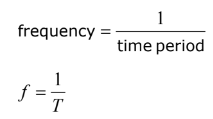
3.6 use the relationship between frequency and time period:
3.6
use the relationship between frequency and time period:
2
3.7 use the above relationships in different contexts including sound waves and electromagnetic waves
3.7
use the above relationships in different contexts including sound waves and
electromagnetic waves
2
3.8 explain why there is a change in the observed frequency and wavelength of a wave when its source is moving relative to an observer, and that this is known as the Doppler effect
3.8
explain why there is a change in the observed frequency and wavelength of a wave
when its source is moving relative to an observer, and that this is known as the
Doppler effect
2
3.9 explain that all waves can be reflected and refracted
3.9
explain that all waves can be reflected and refracted
2
3.10 know that light is part of a continuous electromagnetic spectrum that includes radio, microwave, infrared, visible, ultraviolet, x-ray and gamma ray radiations and that all these waves travel at the same speed in free space
3.10
know that light is part of a continuous electromagnetic spectrum that includes radio,
microwave, infrared, visible, ultraviolet, x-ray and gamma ray radiations and that all
these waves travel at the same speed in free space
2
3.11 know the order of the electromagnetic spectrum in terms of decreasing wavelength and increasing frequency, including the colours of the visible spectrum
3.11
know the order of the electromagnetic spectrum in terms of decreasing wavelength
and increasing frequency, including the colours of the visible spectrum
2
3.12 explain some of the uses of electromagnetic radiations, including:• radio waves: broadcasting and communications• microwaves: cooking and satellite transmissions• infrared: heaters and night vision equipment• visible light: optical fibres and photography• ultraviolet: fluorescent lamps• x-rays: observing the internal structure of objects and materials, including for medical applications• gamma rays: sterilising food and medical equipment.
3.12
explain some of the uses of electromagnetic radiations, including:
• radio waves: broadcasting and communications
• microwaves: cooking and satellite transmissions
• infrared: heaters and night vision equipment
• visible light: optical fibres and photography
• ultraviolet: fluorescent lamps
• x-rays: observing the internal structure of objects and materials, including for
medical applications
• gamma rays: sterilising food and medical equipment.
2
3.13 explain the detrimental effects of excessive exposure of the human body to electromagnetic waves, including:• microwaves: internal heating of body tissue• infrared: skin burns• ultraviolet: damage to surface cells and blindness• gamma rays: cancer, mutation and describe simple protective measures against the risks
3.13
explain the detrimental effects of excessive exposure of the human body to
electromagnetic waves, including:
• microwaves: internal heating of body tissue
• infrared: skin burns
• ultraviolet: damage to surface cells and blindness
• gamma rays: cancer, mutation and describe simple protective measures against the risks
2
3.14 know that light waves are transverse waves and that they can be reflected and refracted
3.14
know that light waves are transverse waves and that they can be reflected and
refracted
2
3.15 use the law of reflection (the angle of incidence equals the angle of reflection)
3.15
use the law of reflection (the angle of incidence equals the angle of reflection)
2
3.16 draw ray diagrams to illustrate reflection and refraction
3.16
draw ray diagrams to illustrate reflection and refraction
2
3.17 practical: investigate the refraction of light, using rectangular blocks, semi-circular blocks and triangular prisms
3.17
practical: investigate the refraction of light, using rectangular blocks, semi-circular
blocks and triangular prisms
2
3.18 know and use the relationship between refractive index, angle of incidence and angle of refraction:
3.18
know and use the relationship between refractive index, angle of incidence and angle
of refraction:
2
3.19 practical: investigate the refractive index of glass, using a glass block
3.19
practical: investigate the refractive index of glass, using a glass block
2
3.20 describe the role of total internal reflection in transmitting information along optical fibres and in prisms
3.20
describe the role of total internal reflection in transmitting information along optical
fibres and in prisms
2
3.21 explain the meaning of critical angle c
3.21
explain the meaning of critical angle c
2
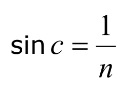
3.22 know and use the relationship between critical angle and refractive index:
3.22
know and use the relationship between critical angle and refractive index:
2
3.23 know that sound waves are longitudinal waves which can be reflected and refracted
3.23
know that sound waves are longitudinal waves which can be reflected and refracted
4 Energy resources and energy transfers
2
4.1 use the following units: kilogram (kg), joule (J), metre (m), metre/second (m/s), metre/second2 (m/s2), newton (N), second (s) and watt (W)
4.1
use the following units: kilogram (kg), joule (J), metre (m), metre/second (m/s),
metre/second2 (m/s2), newton (N), second (s) and watt (W)
2
4.2 describe energy transfers involving energy stores:• energy stores: chemical, kinetic, gravitational, elastic, thermal, magnetic, electrostatic, nuclear• energy transfers: mechanically, electrically, by heating, by radiation (light and sound)
4.2
describe energy transfers involving energy stores:
• energy stores: chemical, kinetic, gravitational, elastic, thermal, magnetic, electrostatic, nuclear
• energy transfers: mechanically, electrically, by heating, by radiation (light and sound)
2
4.3 use the principle of conservation of energy
4.3
use the principle of conservation of energy
2
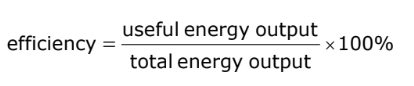
4.4 know and use the relationship between efficiency, useful energy output and total energy output:
4.4
know and use the relationship between efficiency, useful energy output and total
energy output:
2
4.5 describe a variety of everyday and scientific devices and situations, explaining the transfer of the input energy in terms of the above relationship, including their representation by Sankey diagrams
4.5
describe a variety of everyday and scientific devices and situations, explaining the
transfer of the input energy in terms of the above relationship, including their
representation by Sankey diagrams
2
4.6 describe how thermal energy transfer may take place by conduction, convection and radiation
4.6
describe how thermal energy transfer may take place by conduction, convection and
radiation
2
4.7 explain the role of convection in everyday phenomena
4.7
explain the role of convection in everyday phenomena
2
4.8 explain how emission and absorption of radiation are related to surface and temperature
4.8
explain how emission and absorption of radiation are related to surface and
temperature
2
4.9 practical: investigate thermal energy transfer by conduction, convection and radiation
4.9
practical: investigate thermal energy transfer by conduction, convection and radiation
2
4.10 explain ways of reducing unwanted energy transfer, such as insulation
4.10
explain ways of reducing unwanted energy transfer, such as insulation
2
4.11 know and use the relationship between work done, force and distance moved in the direction of the force:work done = force × distance movedW = F × d
4.11
know and use the relationship between work done, force and distance moved in the
direction of the force:
work done = force × distance moved
W = F × d
2
4.12 know that work done is equal to energy transferred
4.12
know that work done is equal to energy transferred
2
4.13 know and use the relationship between gravitational potential energy, mass, gravitational field strength and height:gravitational potential energy = mass × gravitational field strength × height GPE = m × g × h
4.13
know and use the relationship between gravitational potential energy, mass,
gravitational field strength and height:
gravitational potential energy = mass × gravitational field strength × height
GPE = m × g × h
2
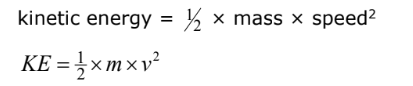
4.14know and use the relationship:
4.14
know and use the relationship:
2
4.15 understand how conservation of energy produces a link between gravitational potential energy, kinetic energy and work
4.15
understand how conservation of energy produces a link between gravitational
potential energy, kinetic energy and work
2
4.16 describe power as the rate of transfer of energy or the rate of doing work
4.16
describe power as the rate of transfer of energy or the rate of doing work
2
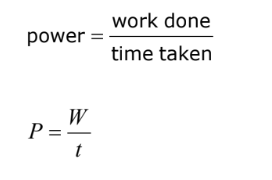
4.17 use the relationship between power, work done (energy transferred) and time taken:
4.17
use the relationship between power, work done (energy transferred) and time taken:
5 Solids, liquids and gases
2
5.1 use the following units: degree Celsius (°C), Kelvin (K), joule (J), kilogram (kg), kilogram/metre3 (kg/m3), metre (m), metre2 (m2), metre3 (m3), metre/second (m/s), metre/second2 (m/s2), newton (N) and pascal (Pa)
5.1
use the following units: degree Celsius (°C), Kelvin (K), joule (J), kilogram (kg),
kilogram/metre3 (kg/m3), metre (m), metre2 (m2), metre3 (m3), metre/second (m/s),
metre/second2 (m/s2), newton (N) and pascal (Pa)
2
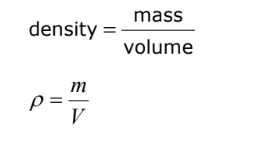
5.3 know and use the relationship between density, mass and volume:
5.3
know and use the relationship between density, mass and volume:
2
5.4 practical: investigate density using direct measurements of mass and volume
5.4
practical: investigate density using direct measurements of mass and volume
2
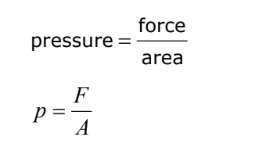
5.5 know and use the relationship between pressure, force and area:
5.5
know and use the relationship between pressure, force and area:
2
5.6 understand how the pressure at a point in a gas or liquid at rest acts equally in all directions
5.6
understand how the pressure at a point in a gas or liquid at rest acts equally in all
directions
2
5.7 know and use the relationship for pressure difference:pressure difference = height × density × gravitational field strengthp = h × ρ × g
5.7
know and use the relationship for pressure difference:
pressure difference = height × density × gravitational field strength
p = h × ρ × g
2
5.15 explain how molecules in a gas have random motion and that they exert a force and hence a pressure on the walls of a container
5.15
explain how molecules in a gas have random motion and that they exert a force and
hence a pressure on the walls of a container
2
5.16 understand why there is an absolute zero of temperature which is –273 °C
5.16
understand why there is an absolute zero of temperature which is –273 °C
2
5.17 describe the Kelvin scale of temperature and be able to convert between the Kelvin and Celsius scales
5.17
describe the Kelvin scale of temperature and be able to convert between the Kelvin
and Celsius scales
2
5.18 understand why an increase in temperature results in an increase in the average speed of gas molecules
5.18
understand why an increase in temperature results in an increase in the average
speed of gas molecules
2
5.19 know that the Kelvin temperature of a gas is proportional to the average kinetic energy of its molecules
5.19
know that the Kelvin temperature of a gas is proportional to the average kinetic
energy of its molecules
2
5.20 explain, for a fixed amount of gas, the qualitative relationship between:• pressure and volume at constant temperature• pressure and Kelvin temperature at constant volume.
5.20
explain, for a fixed amount of gas, the qualitative relationship between:
• pressure and volume at constant temperature
• pressure and Kelvin temperature at constant volume.
2
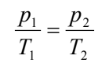
5.21 use the relationship between the pressure and Kelvin temperature of a fixed mass of gas at constant volume:
5.21
use the relationship between the pressure and Kelvin temperature of a fixed mass of
gas at constant volume:
2
5.22 use the relationship between the pressure and volume of a fixed mass of gas at constant temperature:
p1V1 = p2V2
5.22
use the relationship between the pressure and volume of a fixed mass of gas at
constant temperature:
p1V1 = p2V2
6 Magnetism and electromagnetism
2
6.1 use the following units: ampere (A), volt (V) and watt (W)
6.1
use the following units: ampere (A), volt (V) and watt (W)
2
6.2 know that magnets repel and attract other magnets and attract magnetic substances
6.2
know that magnets repel and attract other magnets and attract magnetic substances
2
6.3 describe the properties of magnetically hard and soft materials
6.3
describe the properties of magnetically hard and soft materials
2
6.4 understand the term magnetic field line
6.4
understand the term magnetic field line
2
6.5 know that magnetism is induced in some materials when they are placed in a magnetic field
6.5
know that magnetism is induced in some materials when they are placed in a
magnetic field
2
6.6 practical: investigate the magnetic field pattern for a permanent bar magnet and between two bar magnets
6.6
practical: investigate the magnetic field pattern for a permanent bar magnet and
between two bar magnets
2
6.7 describe how to use two permanent magnets to produce a uniform magnetic field pattern
6.7
describe how to use two permanent magnets to produce a uniform magnetic field
pattern
2
6.8 know that an electric current in a conductor produces a magnetic field around it
6.8
know that an electric current in a conductor produces a magnetic field around it
2
6.12 understand why a force is exerted on a current-carrying wire in a magnetic field, and how this effect is applied in simple d.c. electric motors and loudspeakers
6.12
understand why a force is exerted on a current-carrying wire in a magnetic field, and
how this effect is applied in simple d.c. electric motors and loudspeakers
2
6.13 use the left-hand rule to predict the direction of the resulting force when a wire carries a current perpendicular to a magnetic field
6.13
use the left-hand rule to predict the direction of the resulting force when a wire
carries a current perpendicular to a magnetic field
2
6.14 describe how the force on a current-carrying conductor in a magnetic field changeswith the magnitude and direction of the field and current
6.14
describe how the force on a current-carrying conductor in a magnetic field changes
with the magnitude and direction of the field and current
2
6.15 know that a voltage is induced in a conductor or a coil when it moves through a magnetic field or when a magnetic field changes through it and describe the factors that affect the size of the induced voltage
6.15
know that a voltage is induced in a conductor or a coil when it moves through a
magnetic field or when a magnetic field changes through it and describe the factors
that affect the size of the induced voltage
2
6.16 describe the generation of electricity by the rotation of a magnet within a coil of wire and of a coil of wire within a magnetic field and describe the factors that affect the size of the induced voltage
6.16
describe the generation of electricity by the rotation of a magnet within a coil of wire
and of a coil of wire within a magnetic field and describe the factors that affect the
size of the induced voltage
7 Radioactivity and particles
2
7.1 use the following units: becquerel (Bq), centimetre (cm), hour (h), minute (min) andsecond (s)
7.1 use the following units: becquerel (Bq), centimetre (cm), hour (h), minute (min) and
second (s)
2
7.2 describe the structure of an atom in terms of protons, neutrons and electrons and use symbols such as to describe particular nuclei
7.2
describe the structure of an atom in terms of protons, neutrons and electrons and use
symbols such as
to describe particular nuclei
2
7.3 know the terms atomic (proton) number, mass (nucleon) number and isotope
7.3
know the terms atomic (proton) number, mass (nucleon) number and isotope
2
7.4 know that alpha (α) particles, beta (β−) particles, and gamma (γ) rays are ionising radiations emitted from unstable nuclei in a random process
7.4
know that alpha (α) particles, beta (β−) particles, and gamma (γ) rays are ionising
radiations emitted from unstable nuclei in a random process
2
7.5 describe the nature of alpha (α) particles, beta (β−) particles, and gamma (γ) rays, and recall that they may be distinguished in terms of penetrating power and ability to ionise
7.5
describe the nature of alpha (α) particles, beta (β−) particles, and gamma (γ) rays,
and recall that they may be distinguished in terms of penetrating power and ability to
ionise
2
7.6 practical: investigate the penetration powers of different types of radiation using either radioactive sources or simulations
7.6
practical: investigate the penetration powers of different types of radiation using
either radioactive sources or simulations
2
7.7 describe the effects on the atomic and mass numbers of a nucleus of the emission of each of the four main types of radiation (alpha, beta, gamma and neutron radiation)
7.7
describe the effects on the atomic and mass numbers of a nucleus of the emission of
each of the four main types of radiation (alpha, beta, gamma and neutron radiation)
2
7.8 understand how to balance nuclear equations in terms of mass and charge
7.8
understand how to balance nuclear equations in terms of mass and charge
2
7.9 know that photographic film or a Geiger−Müller detector can detect ionising radiations
7.9
know that photographic film or a Geiger−Müller detector can detect ionising radiations
2
7.10 explain the sources of background (ionising) radiation from Earth and space
7.10
explain the sources of background (ionising) radiation from Earth and space
2
7.11 know that the activity of a radioactive source decreases over a period of time and is measured in becquerels
7.11
know that the activity of a radioactive source decreases over a period of time and is
measured in becquerels
2
7.12 know the definition of the term half-life and understand that it is different for different radioactive isotopes
7.12
know the definition of the term half-life and understand that it is different for different
radioactive isotopes
2
7.13 use the concept of the half-life to carry out simple calculations on activity, including graphical methods
7.13
use the concept of the half-life to carry out simple calculations on activity, including
graphical methods
2
7.14 describe uses of radioactivity in industry and medicine
7.14
describe uses of radioactivity in industry and medicine
2
7.15 describe the difference between contamination and irradiation
7.15
describe the difference between contamination and irradiation
2
7.16 describe the dangers of ionising radiations, including:• that radiation can cause mutations in living organisms• that radiation can damage cells and tissue• the problems arising from the disposal of radioactive waste and how the associated risks can be reduced.
7.16
describe the dangers of ionising radiations, including:
• that radiation can cause mutations in living organisms
• that radiation can damage cells and tissue
• the problems arising from the disposal of radioactive waste and how the
associated risks can be reduced.
2
7.17 know that nuclear reactions, including fission, fusion and radioactive decay, can be a source of energy
7.17
know that nuclear reactions, including fission, fusion and radioactive decay, can be a
source of energy
2
7.18 understand how a nucleus of U-235 can be split (the process of fission) by collision with a neutron, and that this process releases energy as kinetic energy of the fission products
7.18
understand how a nucleus of U-235 can be split (the process of fission) by collision
with a neutron, and that this process releases energy as kinetic energy of the fission
products
2
7.19 know that the fission of U-235 produces two radioactive daughter nuclei and a smallnumber of neutrons
7.19
know that the fission of U-235 produces two radioactive daughter nuclei and a small
number of neutrons
2
7.20 describe how a chain reaction can be set up if the neutrons produced by one fissionstrike other U-235 nuclei
7.20
describe how a chain reaction can be set up if the neutrons produced by one fission
strike other U-235 nuclei
2
7.21 describe the role played by the control rods and moderator in the fission process
7.21
describe the role played by the control rods and moderator in the fission process
2
7.22 understand the role of shielding around a nuclear reactor
7.22
understand the role of shielding around a nuclear reactor
2
7.23 explain the difference between nuclear fusion and nuclear fission
7.23
explain the difference between nuclear fusion and nuclear fission
2
7.24 describe nuclear fusion as the creation of larger nuclei resulting in a loss of mass from smaller nuclei, accompanied by a release of energy
7.24
describe nuclear fusion as the creation of larger nuclei resulting in a loss of mass from smaller nuclei, accompanied by a release of energy
2
7.25 know that fusion is the energy source for stars
7.25
know that fusion is the energy source for stars
2
7.26 explain why nuclear fusion does not happen at low temperatures and pressures, due to electrostatic repulsion of protons
7.26
explain why nuclear fusion does not happen at low temperatures and pressures, due
to electrostatic repulsion of protons
8 Astrophysics
2
8.1 use the following units: kilogram (kg), metre (m), metre/second (m/s), metre/second2 (m/s2), newton (N), second (s), newton/kilogram (N/kg)
8.1
use the following units: kilogram (kg), metre (m), metre/second (m/s),
metre/second2 (m/s2), newton (N), second (s), newton/kilogram (N/kg)
2
8.2 know that:• the universe is a large collection of billions of galaxies• a galaxy is a large collection of billions of stars• our solar system is in the Milky Way galaxy.
8.2
know that:
• the universe is a large collection of billions of galaxies
• a galaxy is a large collection of billions of stars
• our solar system is in the Milky Way galaxy.
2
8.3 understand why gravitational field strength, g, varies and know that it is different on other planets and the Moon from that on the Earth.
8.3
understand why gravitational field strength, g, varies and know that it is different on
other planets and the Moon from that on the Earth.
2
8.4 explain that gravitational force:• causes moons to orbit planets• causes the planets to orbit the Sun• causes artificial satellites to orbit the Earth• causes comets to orbit the Sun.
8.4
explain that gravitational force:
• causes moons to orbit planets
• causes the planets to orbit the Sun
• causes artificial satellites to orbit the Earth
• causes comets to orbit the Sun.
2
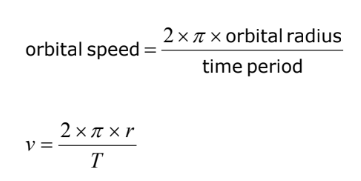
8.6 use the relationship between orbital speed, orbital radius and time period:
8.6
use the relationship between orbital speed, orbital radius and time period:
2
8.7 understand how stars can be classified according to their colour
8.7
understand how stars can be classified according to their colour
2
8.8 know that a star’s colour is related to its temperature
8.8
know that a star’s colour is related to its temperature
2
8.9 describe the evolution of stars of similar mass to the Sun through the following stages:• nebula• star (main sequence)• red giant• white dwarf
8.9
describe the evolution of stars of similar mass to the Sun through the following
stages:
• nebula
• star (main sequence)
• red giant
• white dwarf
2
8.10 describe the evolution of stars with a mass larger than the Sun
8.10
describe the evolution of stars with a mass larger than the Sun