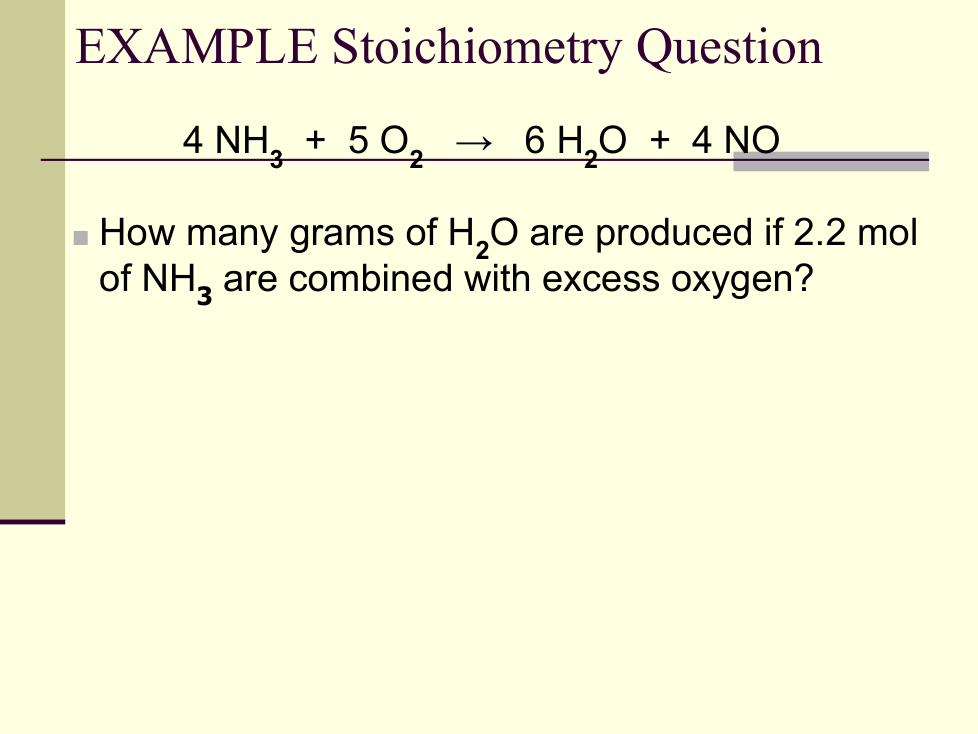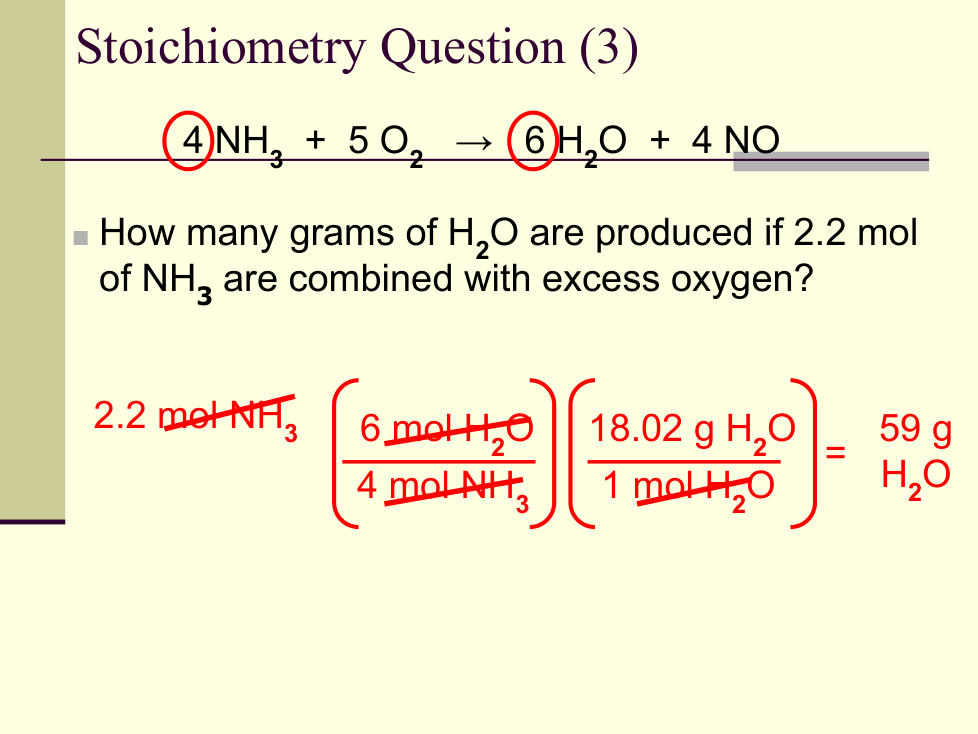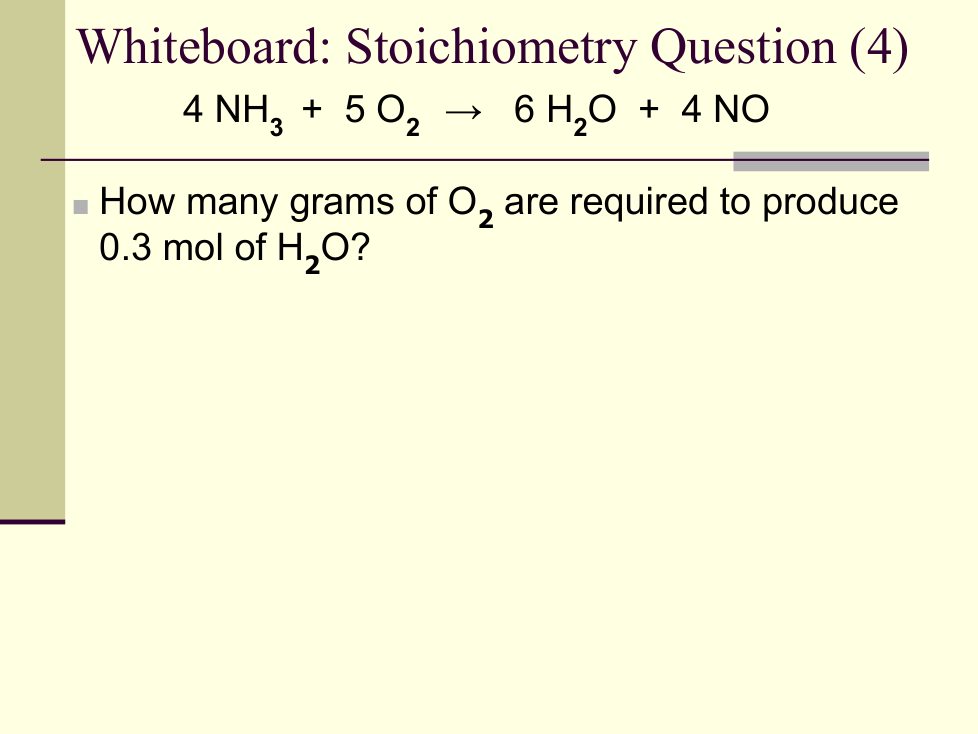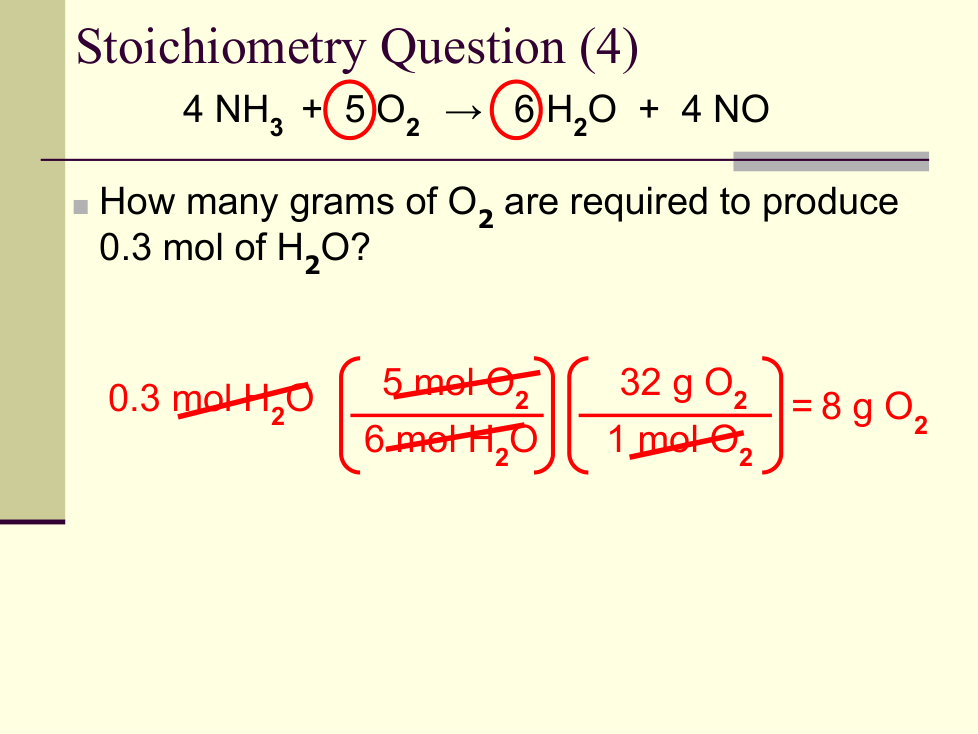
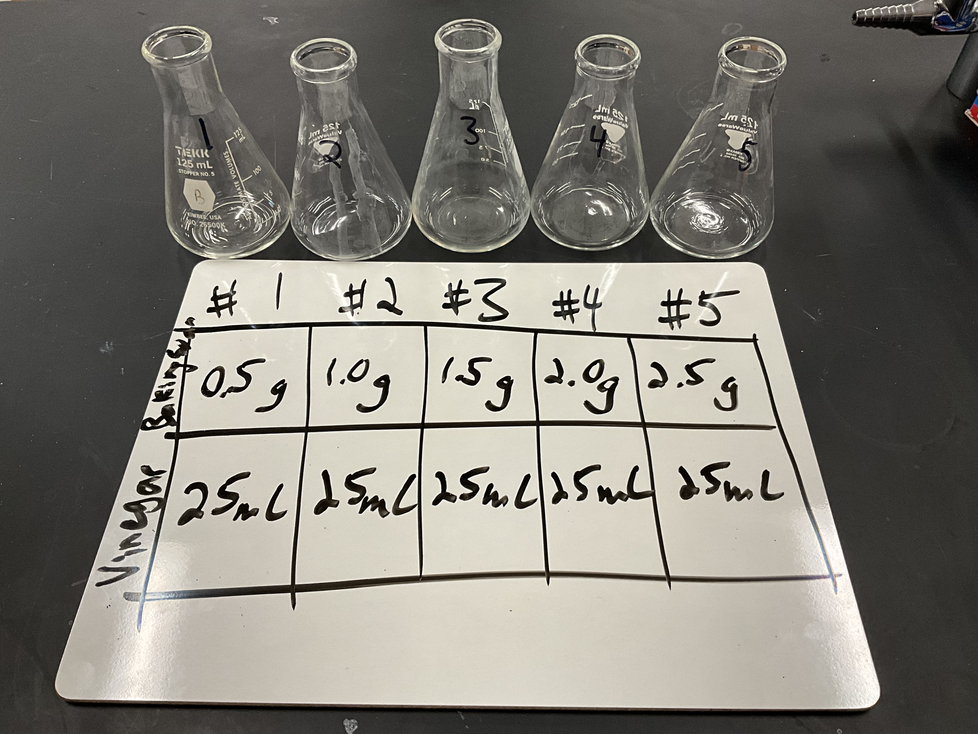
Which reaction vessel will produce the most gas (will fill the balloon the most)?
Why do you think that?
After viewing the demo:
Which reaction vessel produced the most gas (filled the balloon the most)?
What do you think caused this to happen?
Visualizing Stoichiometry In the simulation, select Molecules and select Make water to explore the reaction H2+O2→H2O
How many molecules of H2 react with 1 molecule of O2?
How many molecules of H2O are produced?
What happens when you change the number of H2 or O2 molecules?
How does this affect the amount of H2O produced?
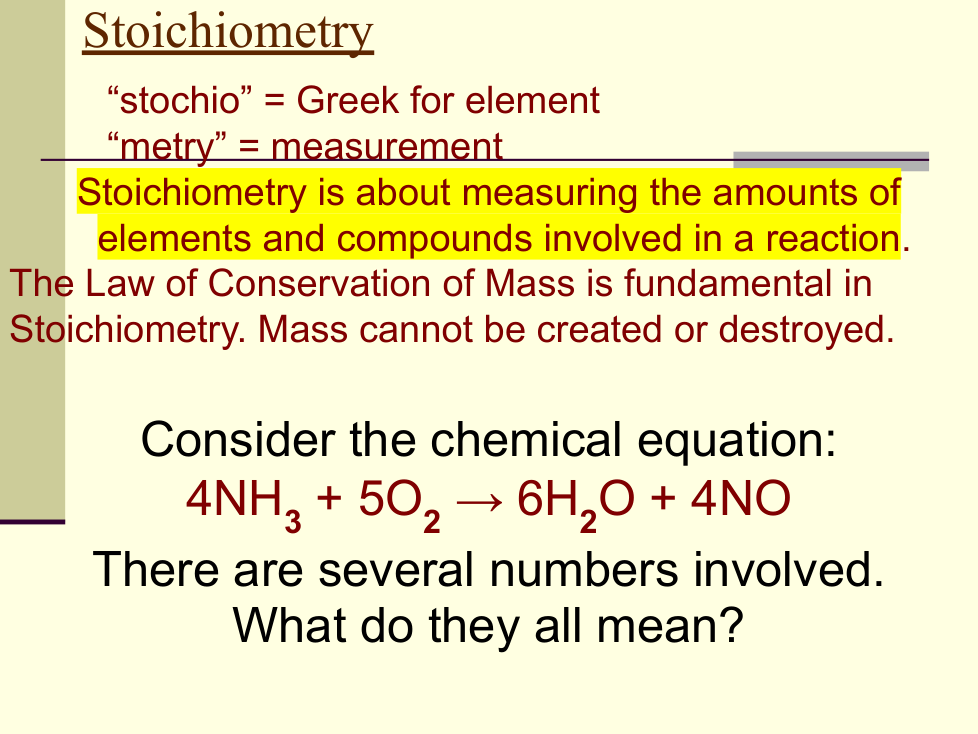
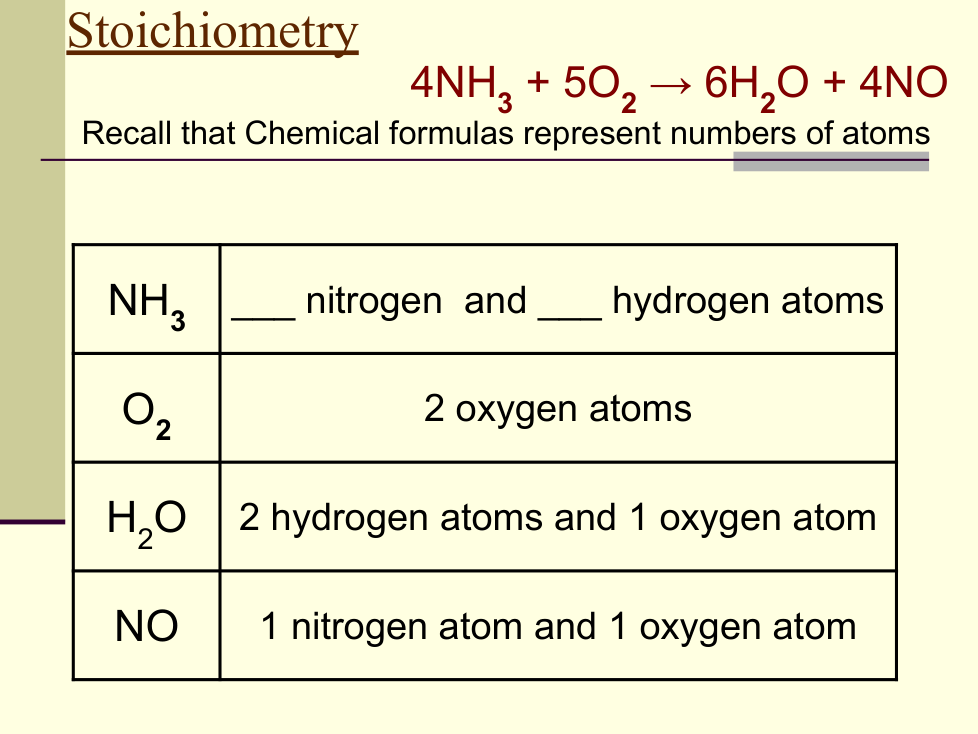
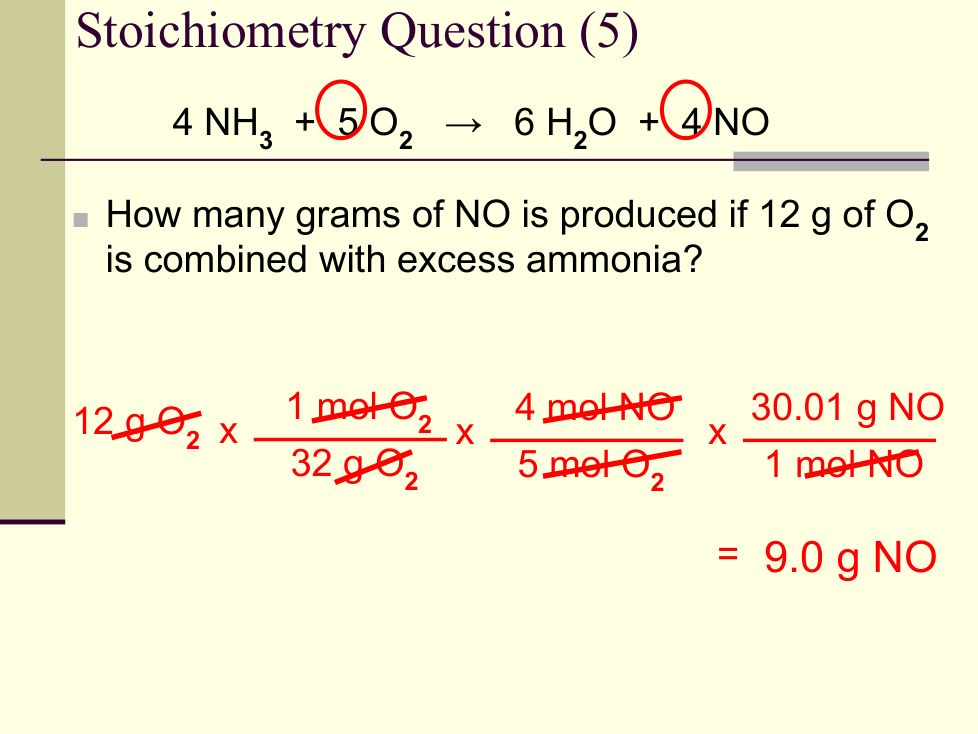
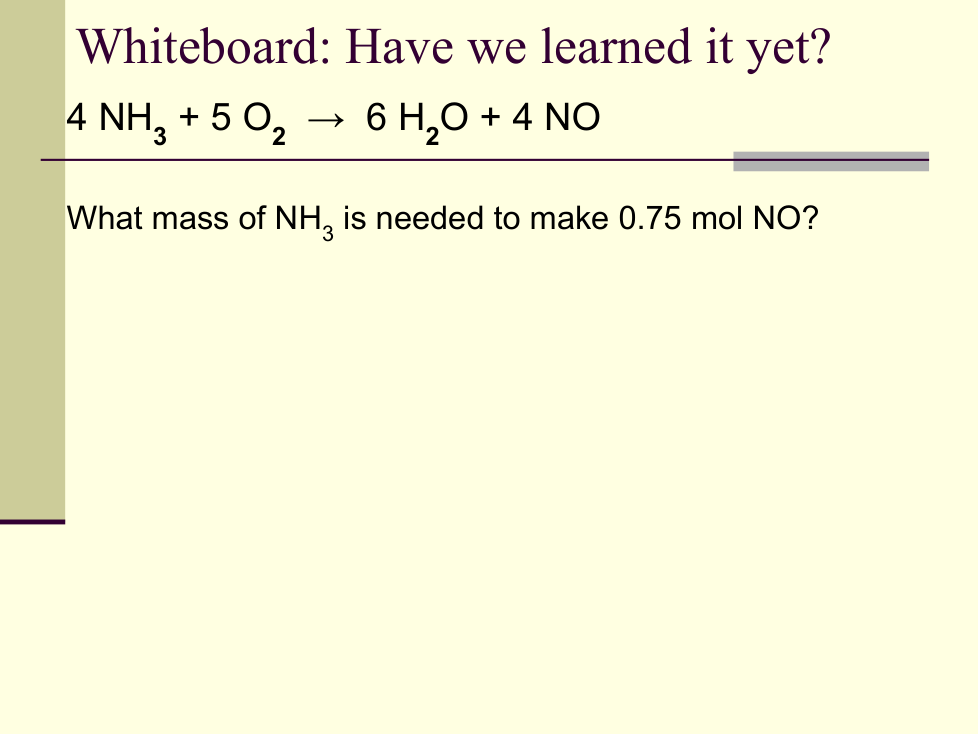
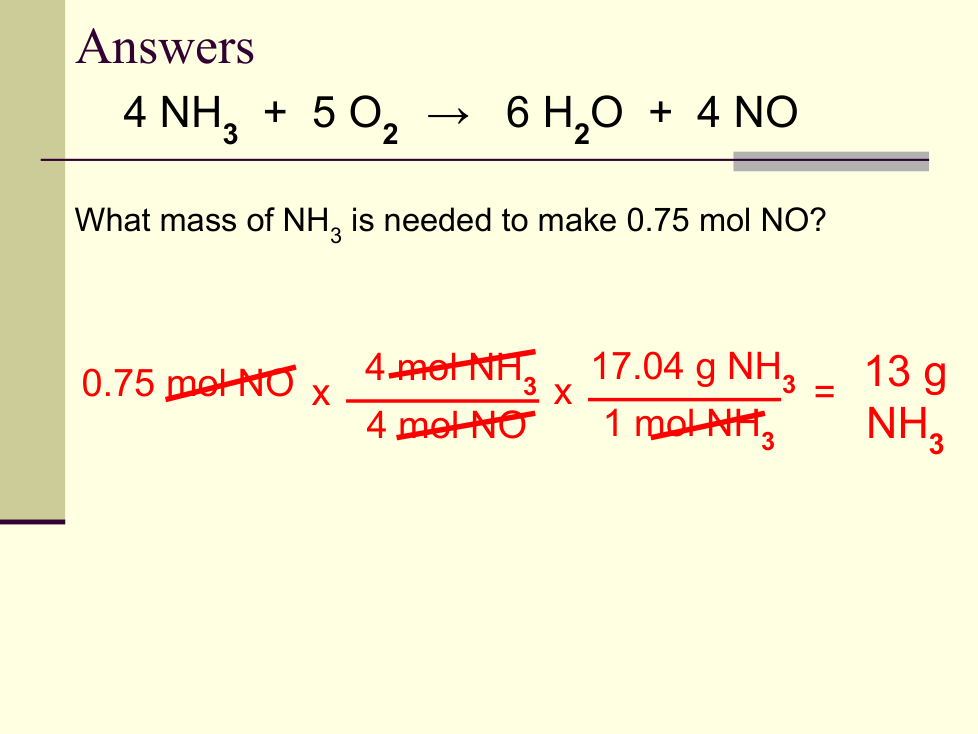
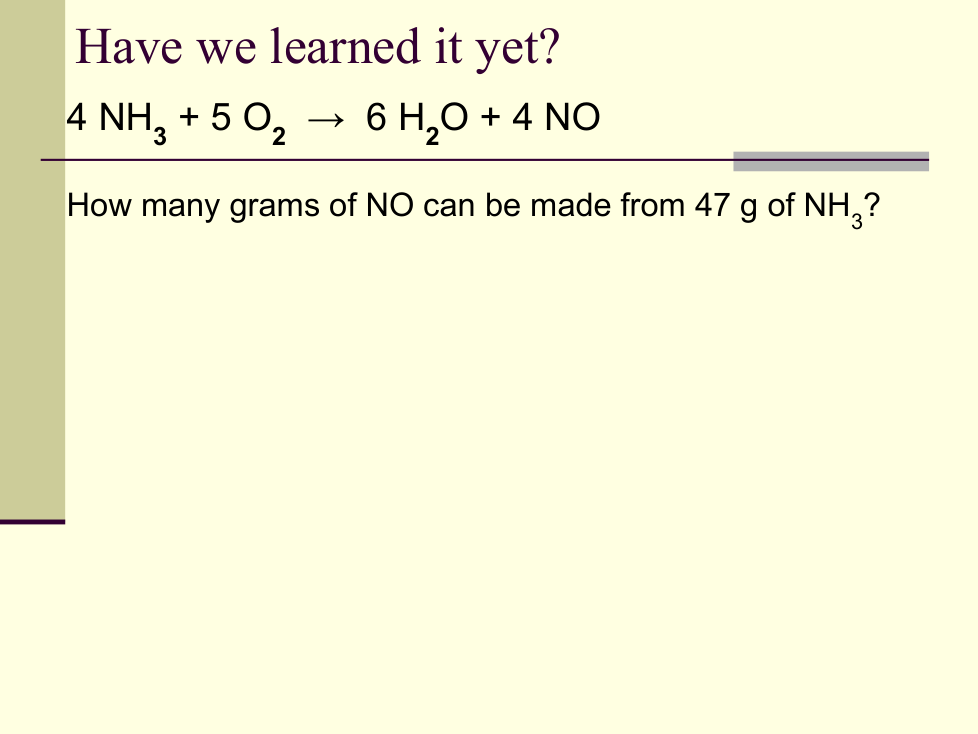
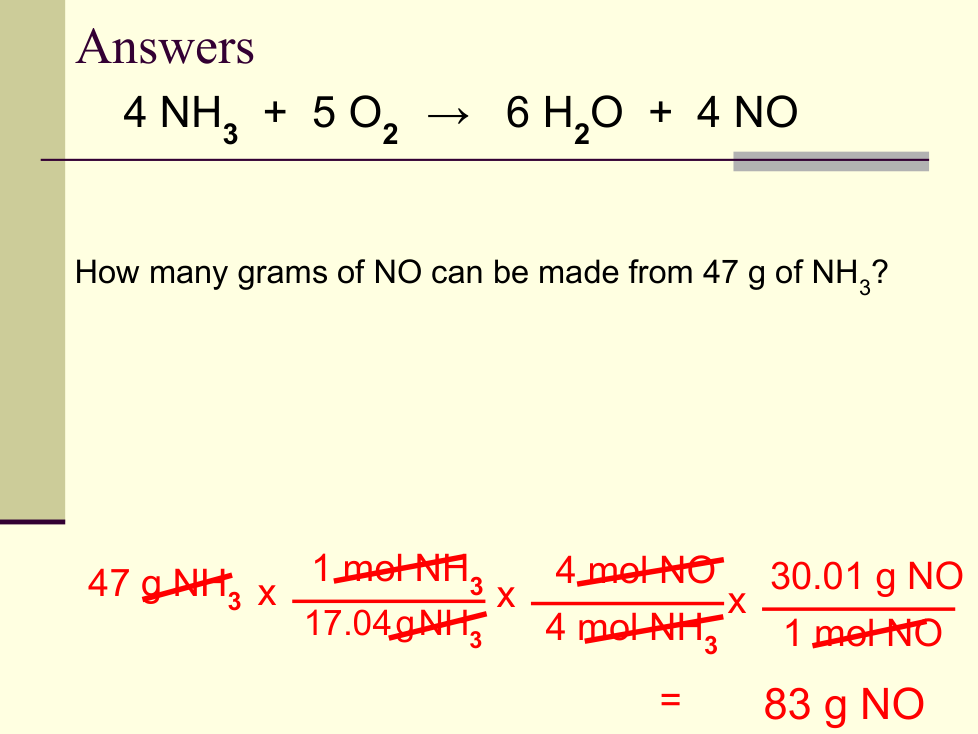
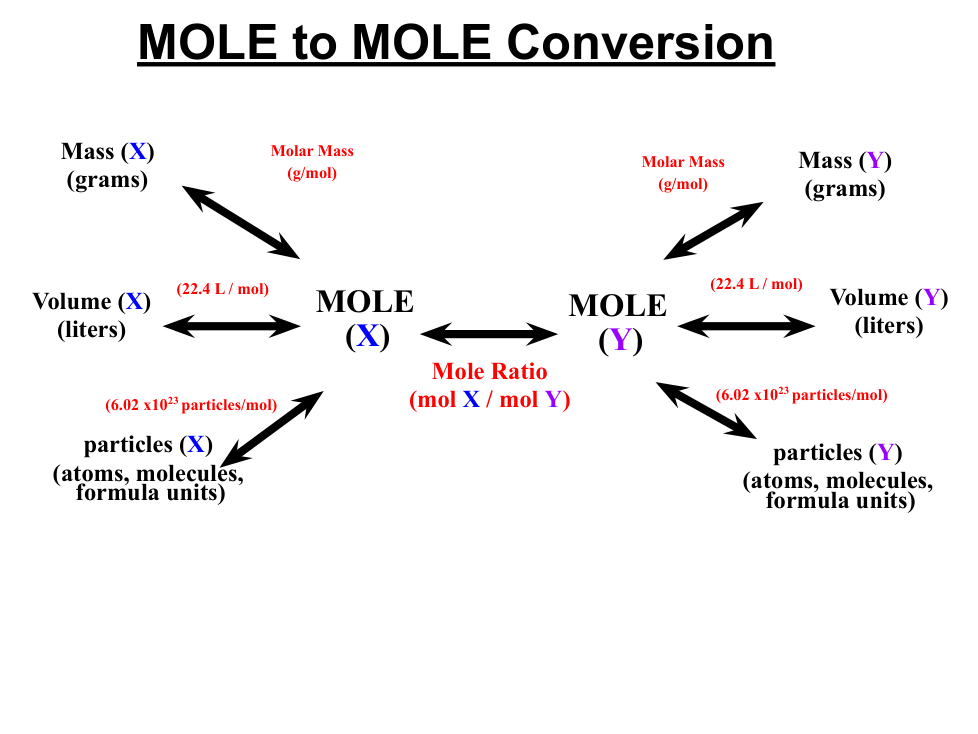
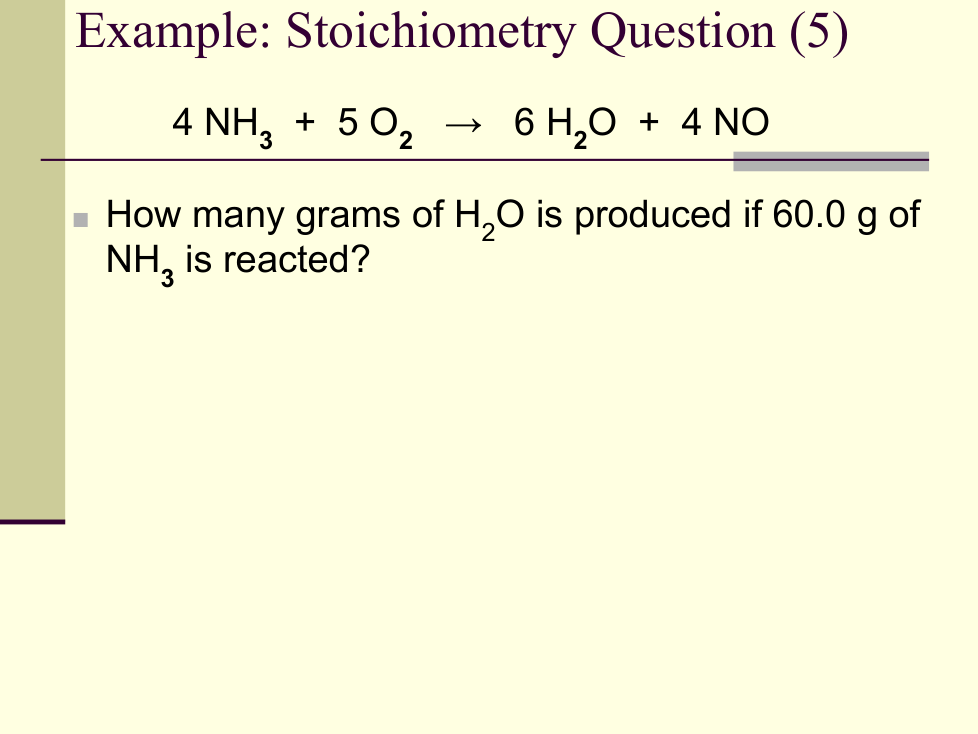
NH3 =
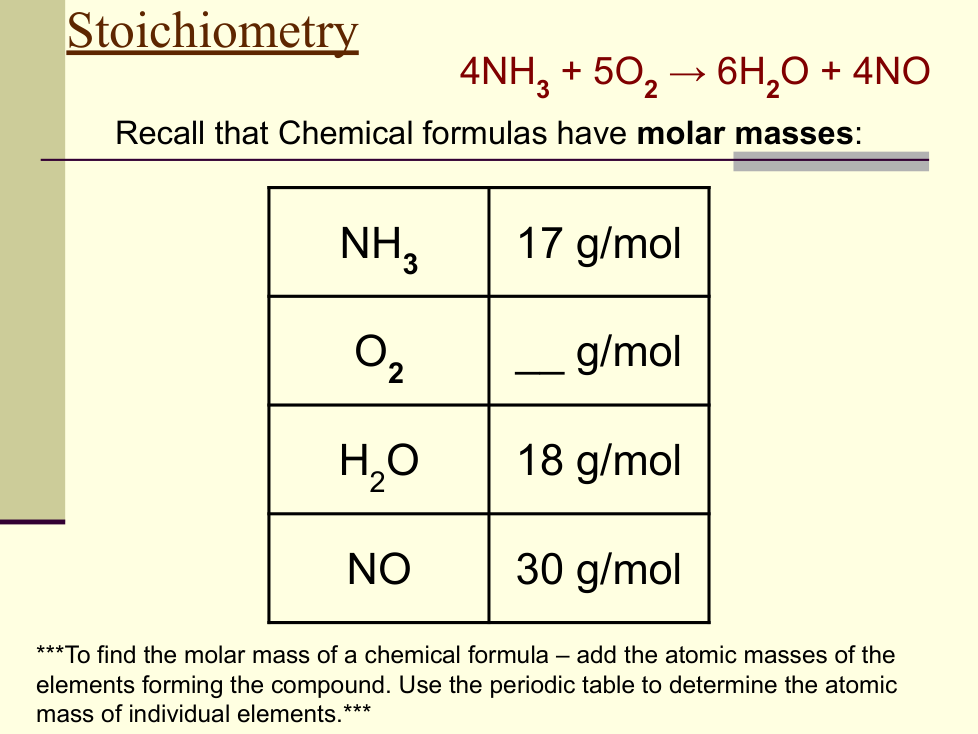
1 mol O2 =
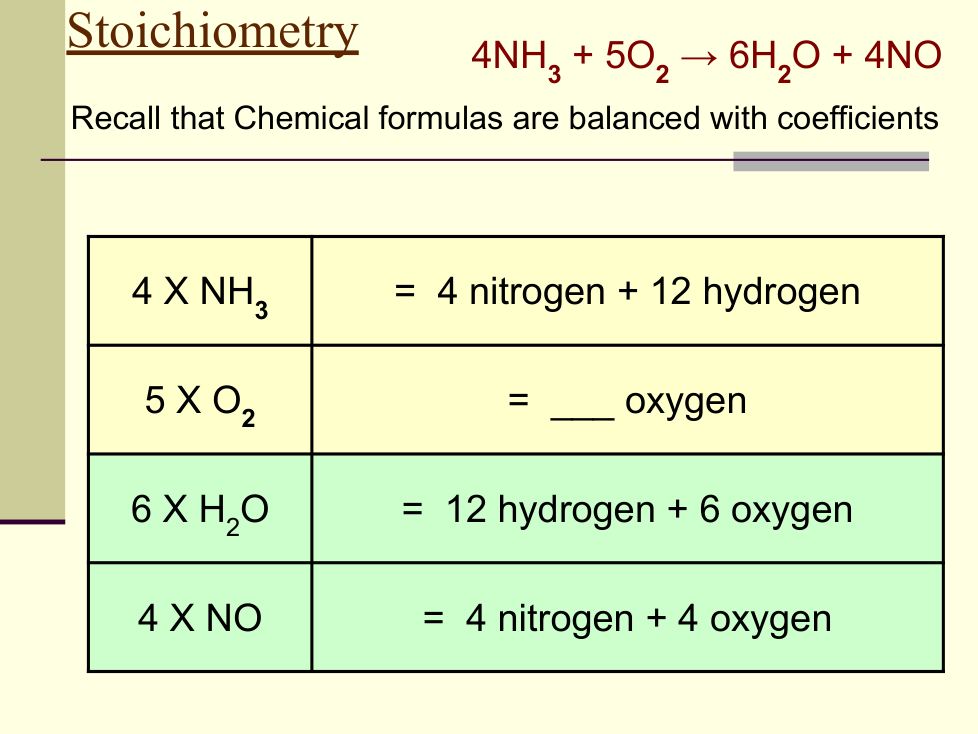
5 x O2 =
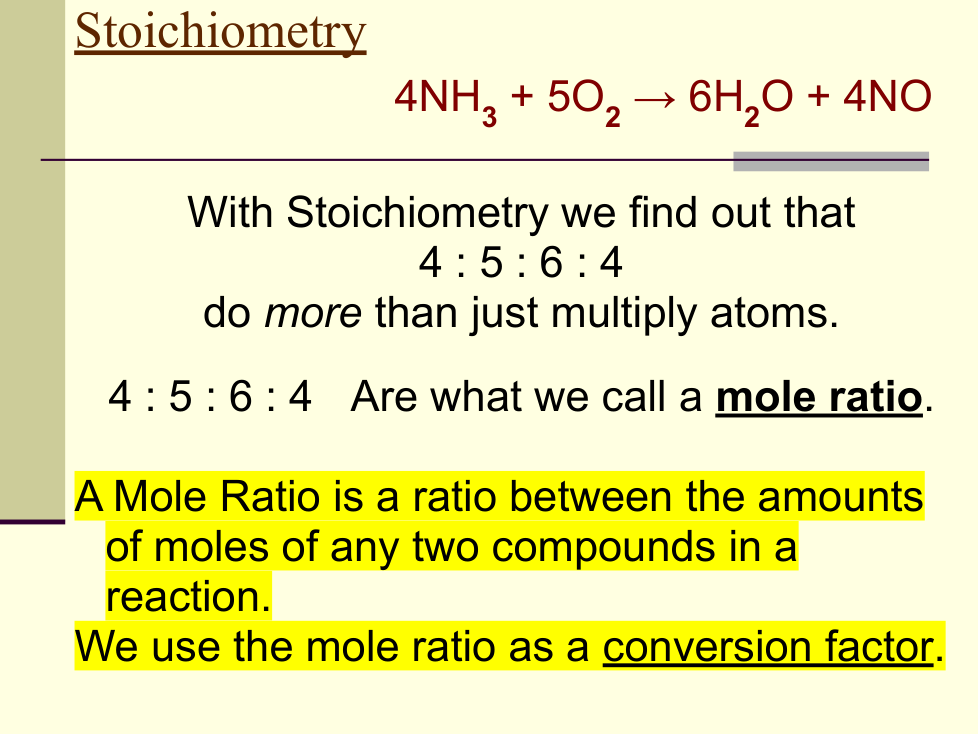
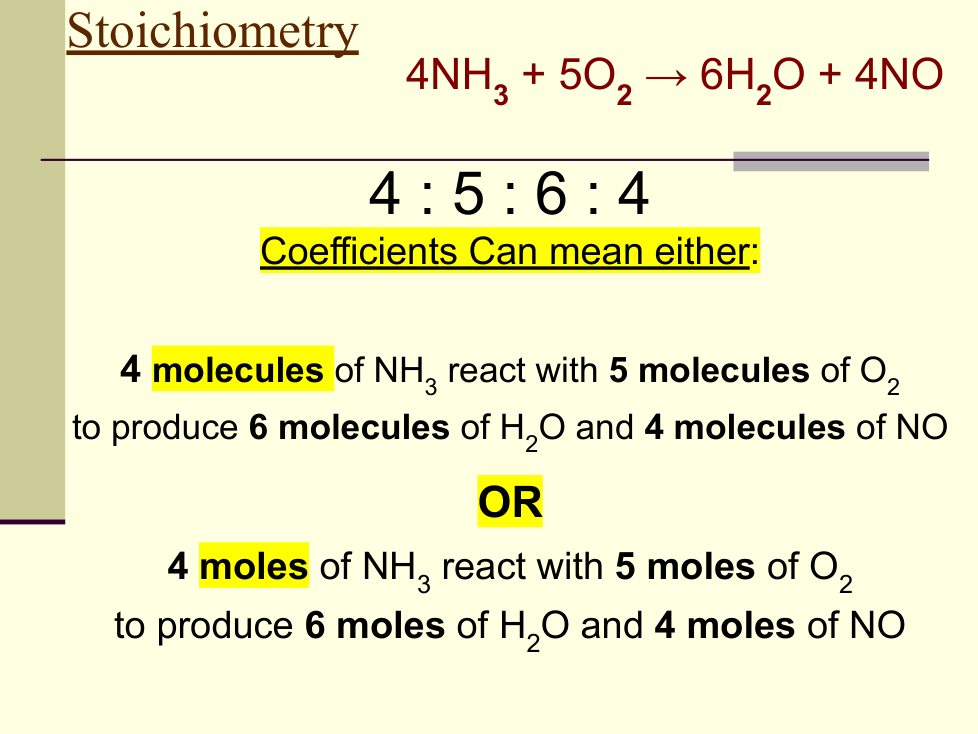
Visualizing Stoichiometry In the simulation, select Molecules and select Make Ammonia to explore the reaction N2+H2→NH3.
What is the mole ratio of N2 to H2?
What is the mole ratio of N2 to NH3?
How does increasing the number of H2 molecules affect the amount of NH3 produced?
What happens if you double the number of N2 molecules?
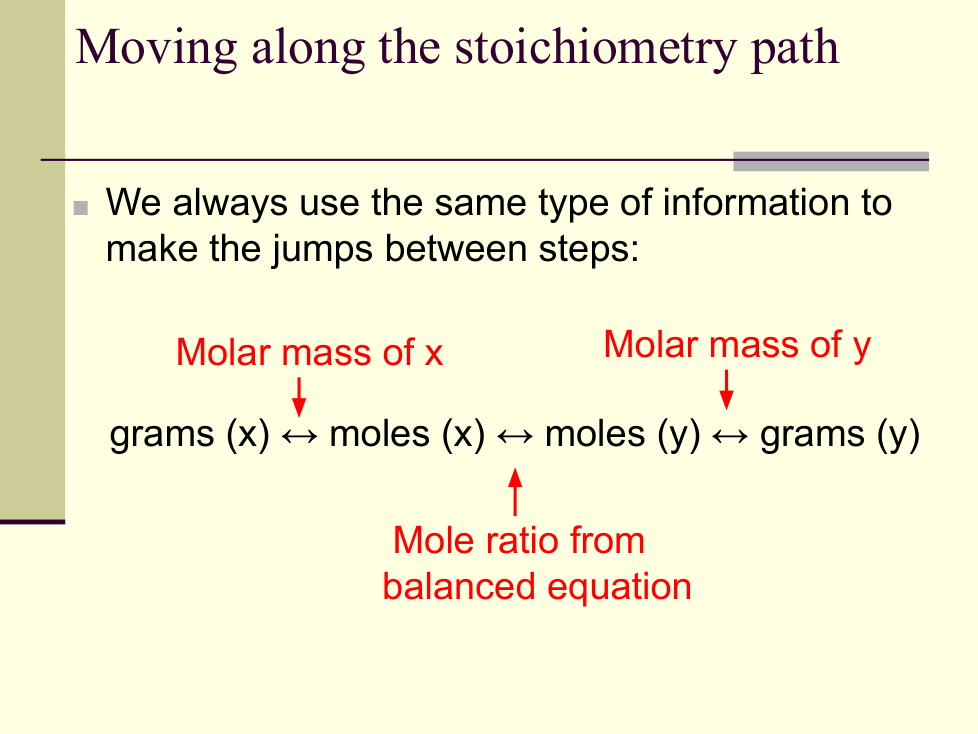
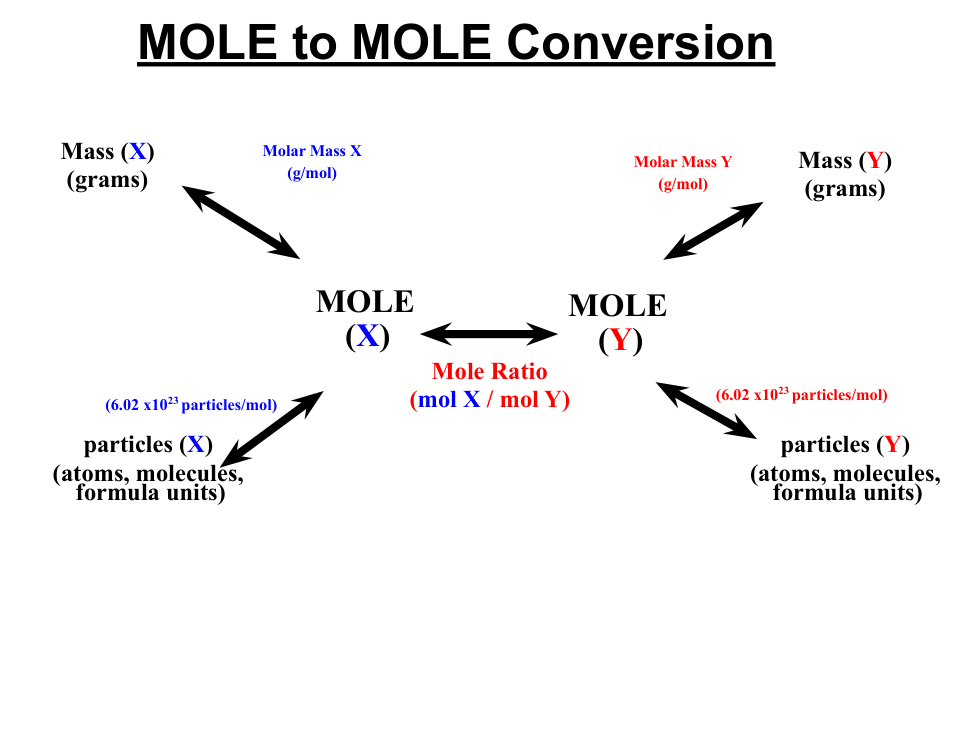
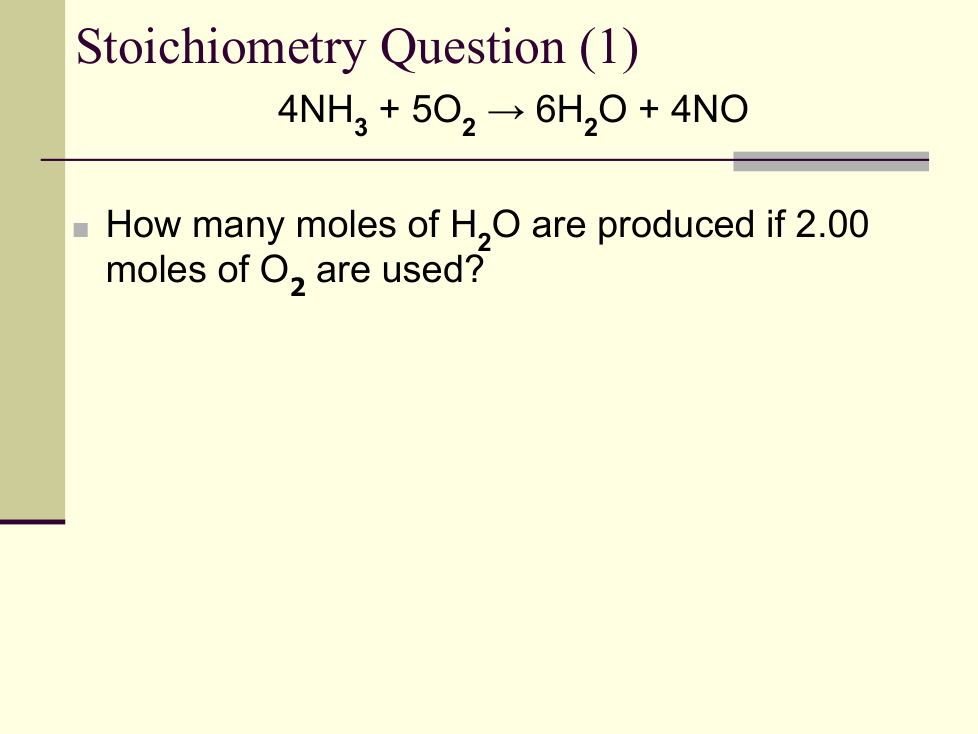
What is the Mole Ratio?
H2O : O2
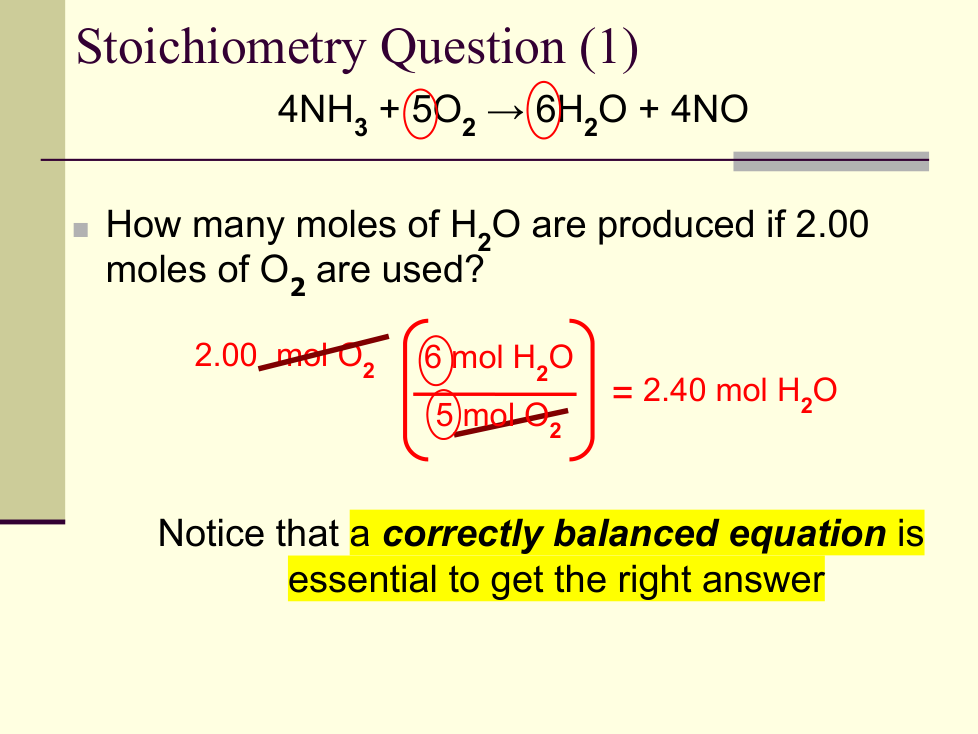

G=
U=
E=What is the Mole Ratio?
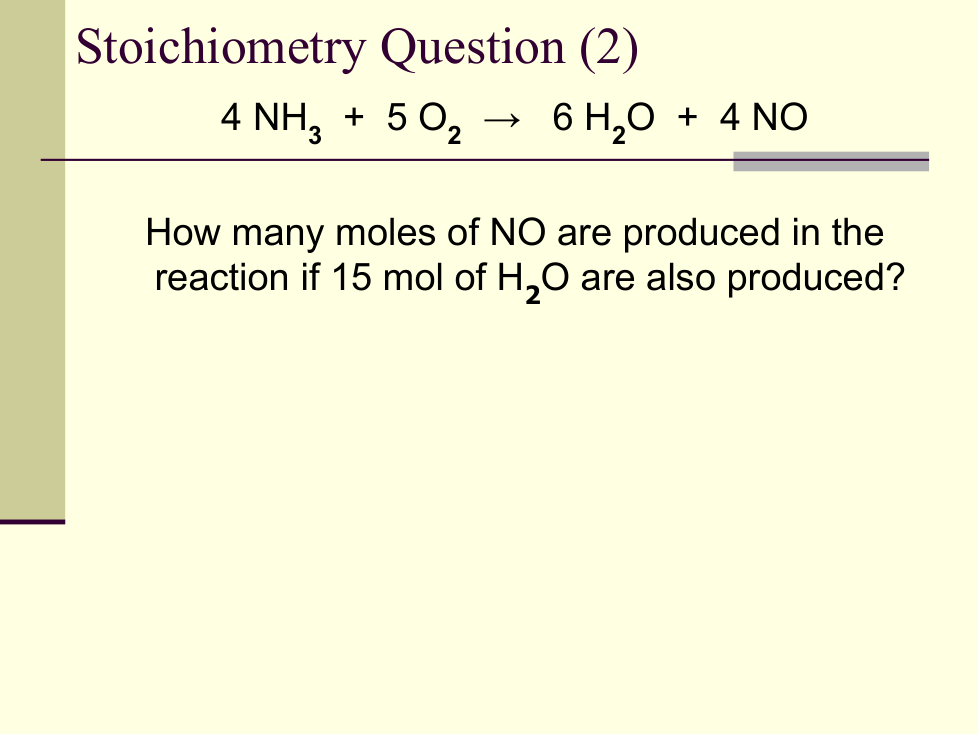
NO : H2O
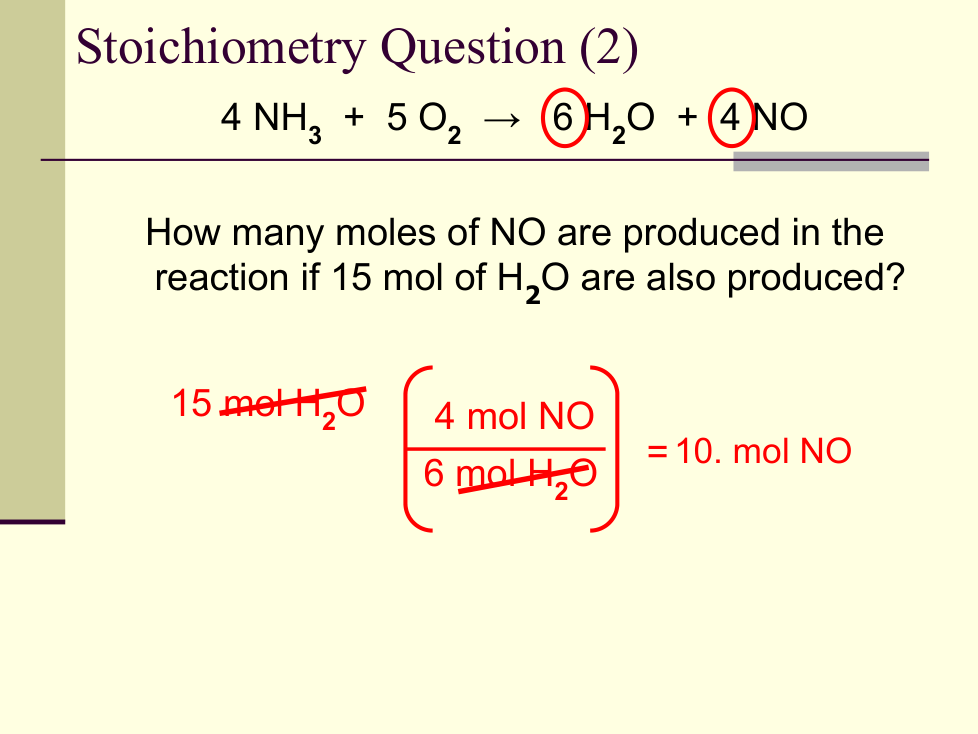
G=
U=
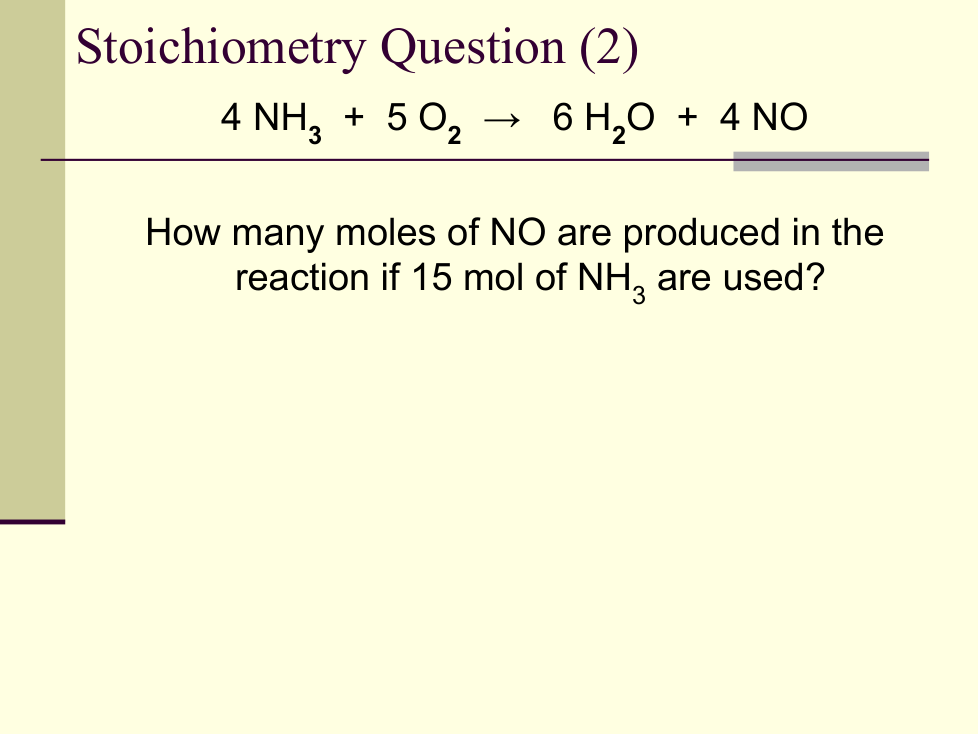
E=What is the Mole Ratio?
NO : NH3
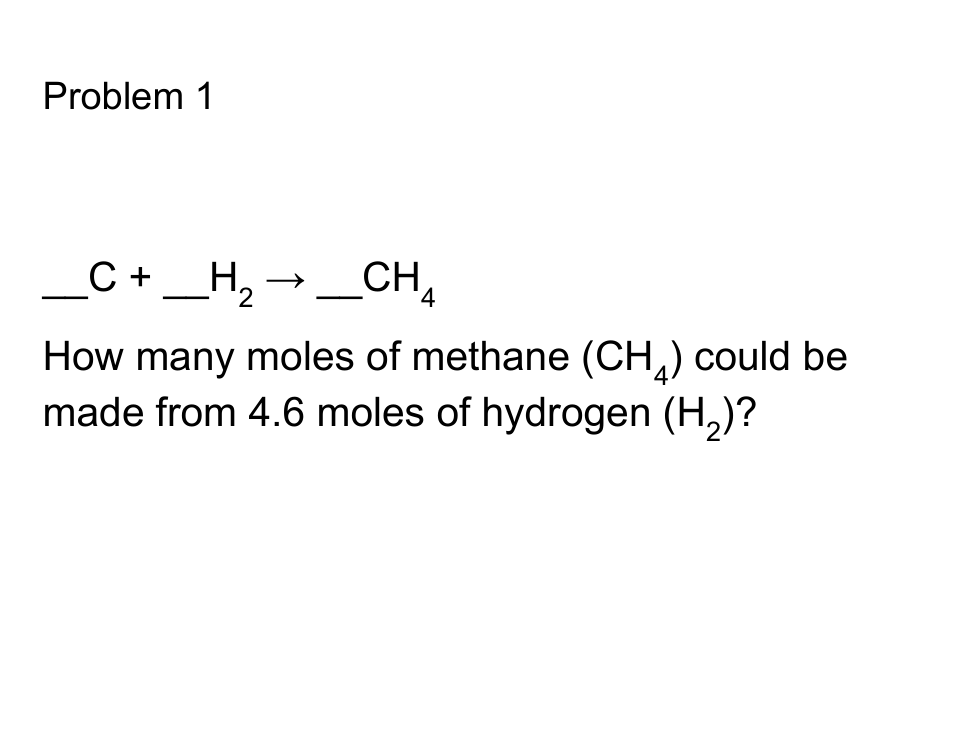
C + H2 --> CH4
G=
U=
E= what is the Mole Ratio?
CH4 : H2
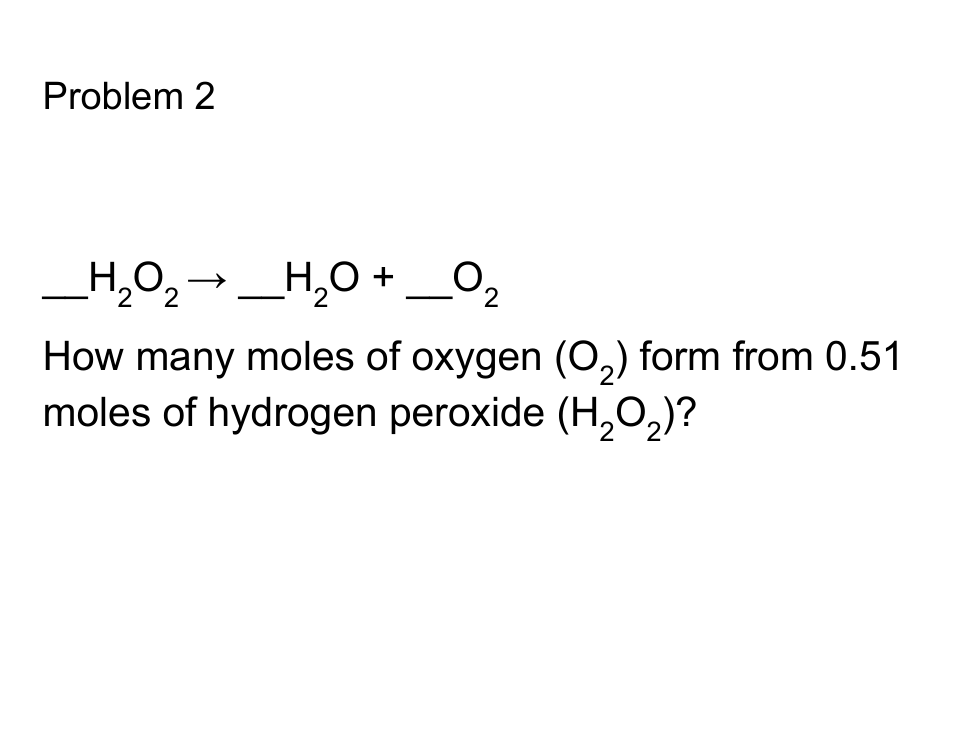
H2O2 --> H2O + O2
G=
U=
E= What is the Mole Ratio?
O2 : H2O2
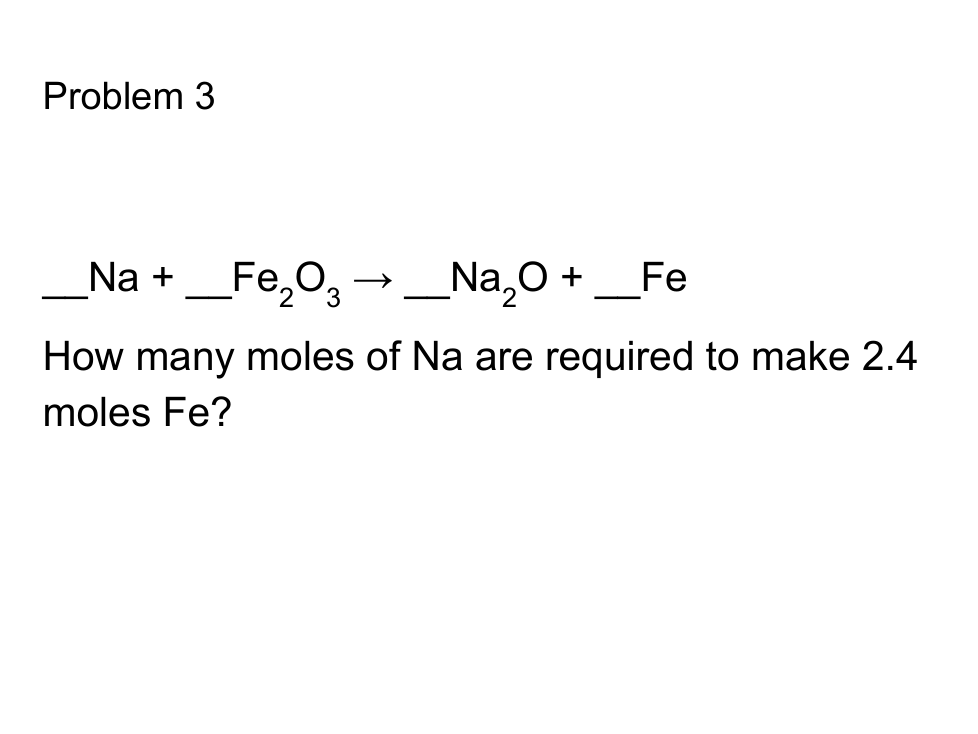
Na + Fe2O3 --> Na2O + Fe
G=
U=
E= what is the Mole Ratio?
Na : Fe
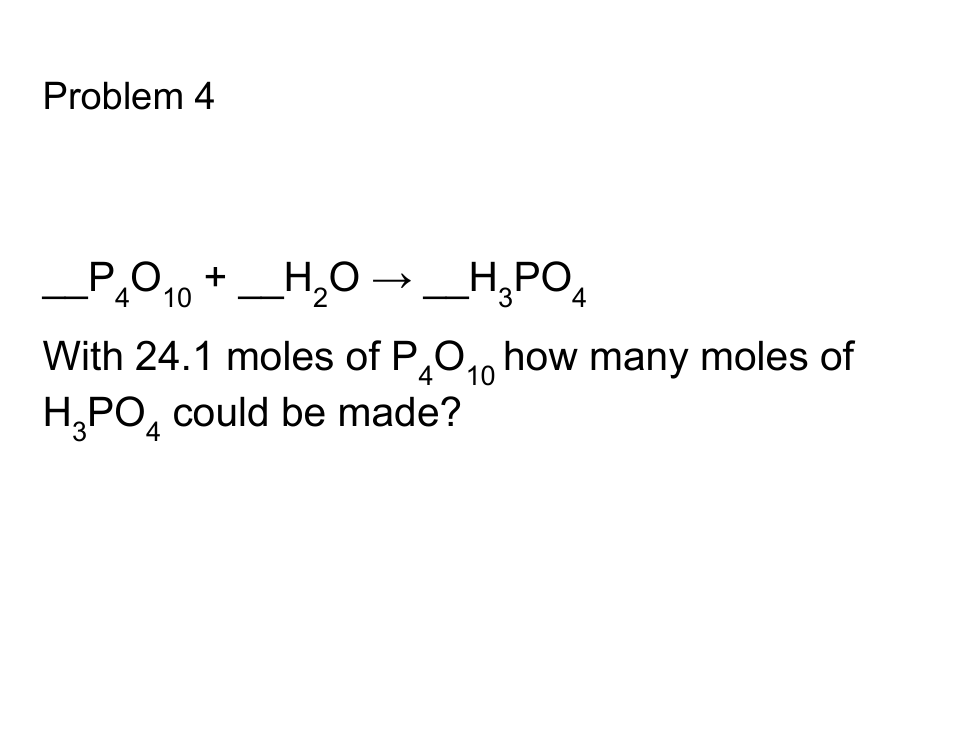
P4O10 + H2O --> H3PO4
G=
U=
After Balancing the equation, what is the Mole Ratio?
P4O10 : H3PO4
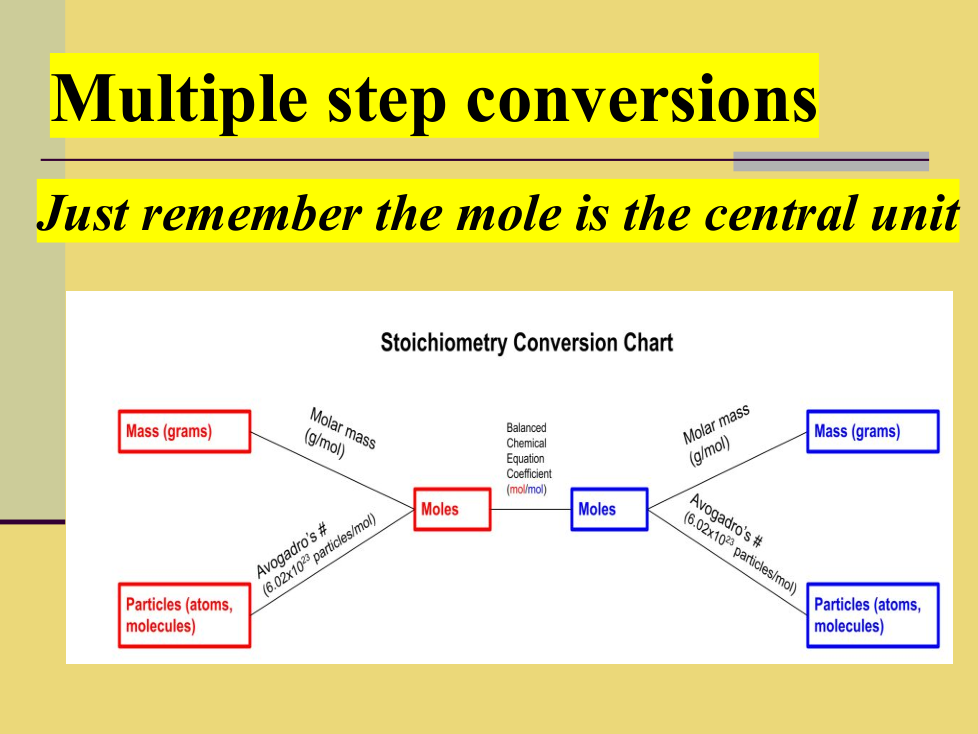
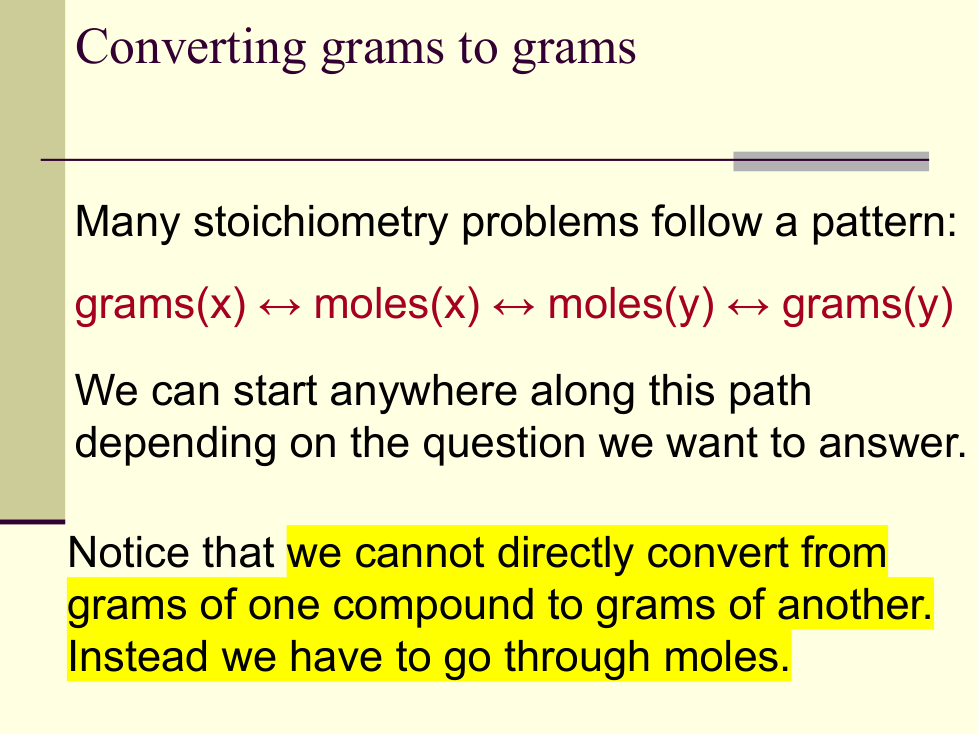
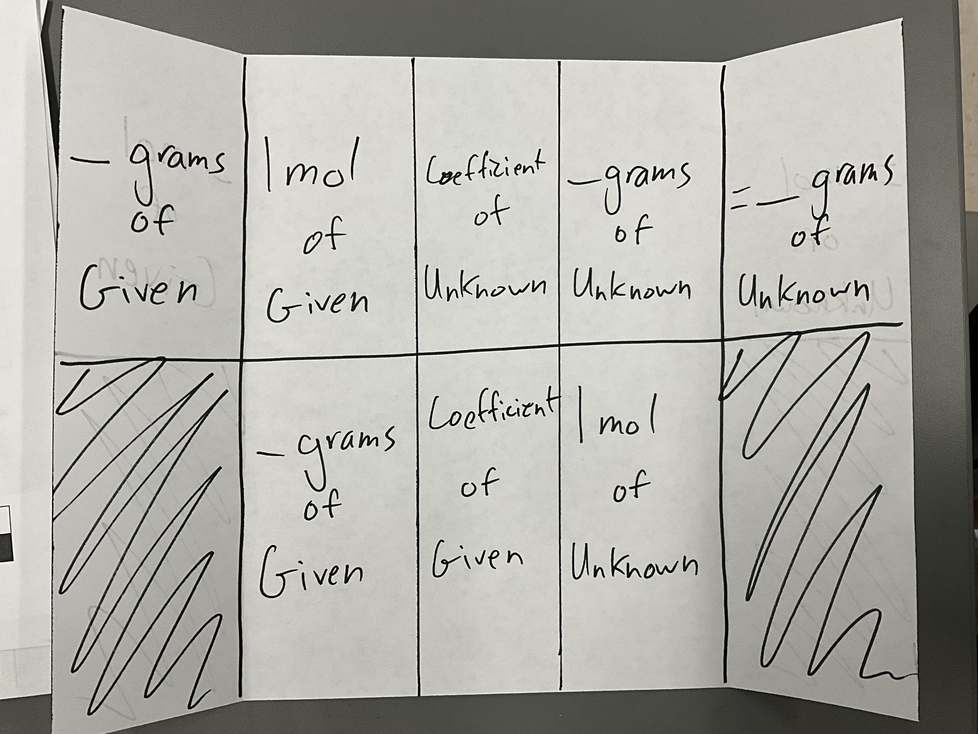
This is the inside of the foldable you will create. 5 columns, label them just like the picture. Then answer TRUE.
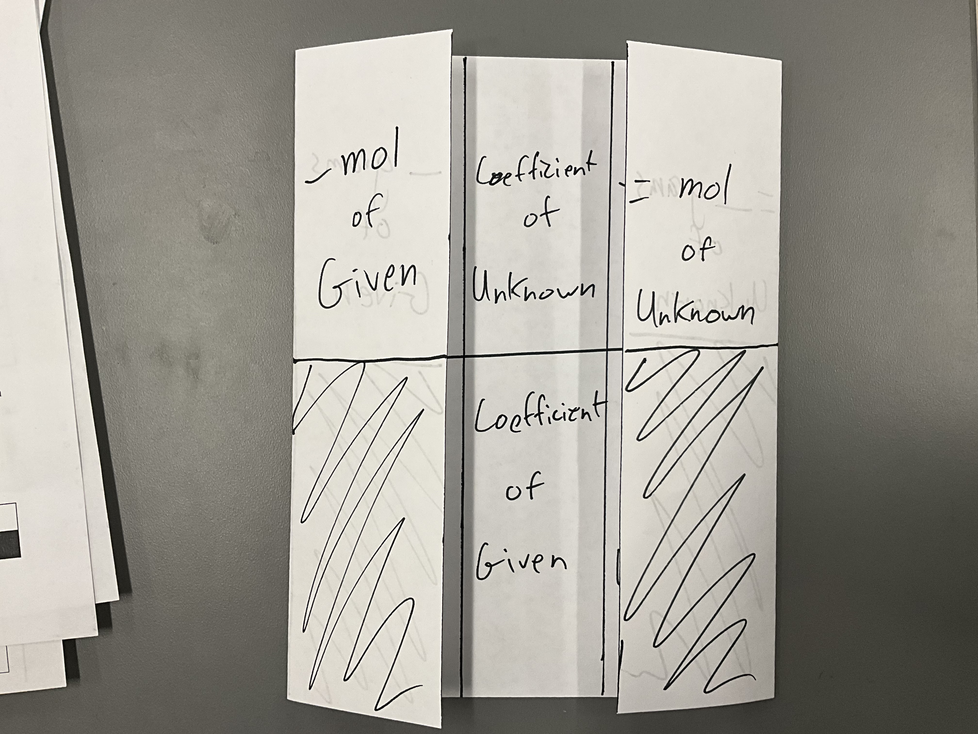
Fold the left and right side of your paper to cover two of the columns (like in the photo). Coefficient of unknown and given column should be visible when the flaps are closed. Label the flaps like the photo, then select True.