Some traits help organisms survive better than other traits. A parrot's big beak can help it crack open tough nuts. This makes it more likely that the parrot will be well fed. Animals that can hide, like the moth in the picture below, are less likely to be eaten.
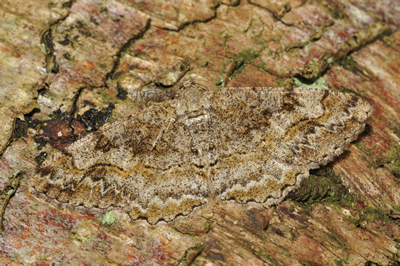
The colors of this moth's wings help it blend into its surroundings.
Required
1 point
1
Question 1
1.
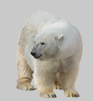
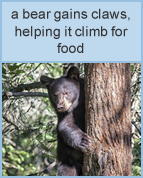
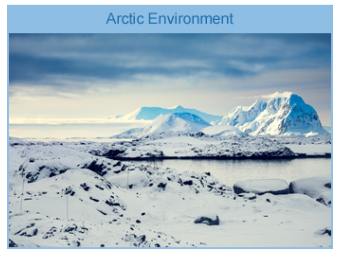
Which bear's fur has a special trait that helps it survive in the arctic environment?
Other Answer Choices:
Required
1 point
1
Question 2
2.
Which trait does the thistle have that keeps it from being eaten by many animals?
Check for Understanding:
1. Some traits help organisms get food more easily.
Parrots have a large beak.
Polar bears can sneak up on their prey.
2. Some traits make organisms less likely to be eaten.
Fur color can help blend in to the environment.
Thorns, spikes, or hand shells make it difficult to be eaten.
Required
1 point
1
Question 3
3.
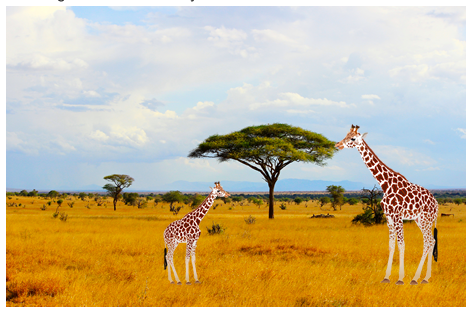
Imagine two giraffes. One has a long neck and a longer tongue than the other. It can reach leaves higher in the tree. Which giraffe is more likely to eat more food.
Some traits help living things survive. Other traits make it more difficult for an organism to survive. Even within a single species, some individuals have traits that help them, and others have traits that make life more challenging.
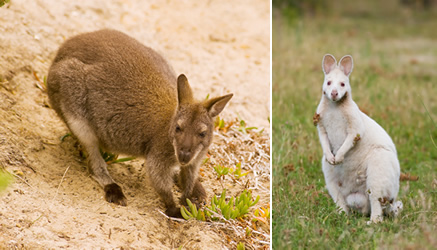
These are both wallabies. The wallaby on the right has a trait of white fur. The white fur color makes it more difficult to hide from predators.
Required
1 point
1
Question 4
4.
Which are examples of traits that might be harmful for an organism?
Required
1 point
1
Question 5
5.
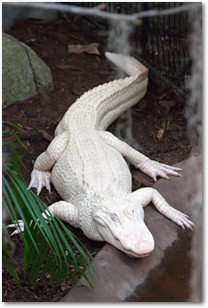
Alligators do not have any natural predators. That means there are no animals that hunt and eat alligators. Will this all-white alligator’s colors still make it difficult for the animal to survive?
Check for Understanding:
1. Some organisms have traits that help them.
For example, one rattlesnake might be faster than other snakes, which helps it catch its prey more easily.
2. Other organisms have traits that hurt them.
For example, one mouse might be slower than other mice, which would make it easier for predators to catch.
Required
1 point
1
Question 6
6.
Which is more likely to reproduce, or have more offspring?
Required
1 point
1
Question 7
7.
Which is more likely to reproduce, or have more offspring?
Required
1 point
1
Question 8
8.
Organisms are__________likely to have more offspring if they have traits that help them get more resources or be able to hide.
Natural selection is the process where an organism with helpful traits is likely to have more offspring than an organism without helpful traits.
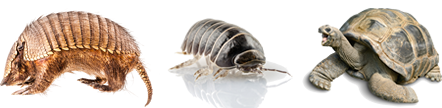
Armadillos, pill bugs, and tortoises all developed shells to keep them safe. For all three organisms, the hard shells are a useful trait that helps keep them alive. They developed the shells through the process of natural selection.
Required
1 point
1
Question 9
9.
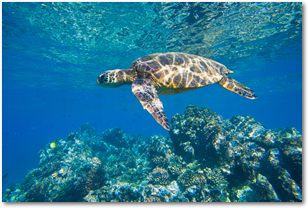
Which trait or traits of this sea turtle were likely chosen through the process of natural selection?
Required
1 point
1
Question 10
10.
Which organism is more likely to have more offspring?
Check for Understanding:
1. Natural selection happens when organisms with helpful traits have more offspring than those who do not have helpful traits.
2. The helpful traits get passed on to the future generations.
Required
1 point
1
Question 11
11.
Think of the long-necked giraffes. Imagine that the long-necked giraffes keep having more offspring than short-necked giraffes. Over thousands of years, what do you predict will happen to all giraffes?
Required
1 point
1
Question 12
12.
Below is a sequence of events explaining how the polar bear got white fur. Put the events in the correct order.
Polar bears with white fur survived better than polar bears with brown fur.
more and more polar bears were born with white fur.
Polar bears with white fur had more offspring.
A few bears were born with white fur. They passed on that trait to their offspring.
Thousands of years ago, polar bears were brown.
Today, almost all polar bears have white fur.
Required
1 point
1
Question 13
13.
You already know that a giraffe's long neck is a helpful inherited trait. Imagine what a giraffe might have looked like thousands of years ago.
Check for Understanding:
1. Organisms with helpful traits pass their helpful traits onto their offspring.
2. Species can change over long periods of time as more and more individuals are born with the helpful traits.
Required
1 point
1
Question 14
14.
What is natural selection?
Check for Understanding:
1. Some traits help organisms survive and have more offspring.
2. Other traits make it more difficult for organisms to survive and reproduce.
3. Organisms with helpful traits pass those traits along to their offspring.
4. Over time, most members of the species will have the helpful trait, This process is called natural selection.
Required
1 point
1
Question 15
15.
Which is an example of a harmful inherited trait?
Required
1 point
1
Question 16
16.
Which of these is an example of a helpful inherited trait?
Required
1 point
1
Question 17
17.
Why might an organism with helpful traits pass the traits on to more of its offspring?
Required
1 point
1
Question 18
18.
Which inherited traits are most likely going to be passed on to more of the species?
Required
1 point
1
Question 19
19.
A few plants of a certain species have begun growing little thorns on their leaves. This makes animals less likely to eat those leaves. Predict what the plant species might look like in thousands of years.
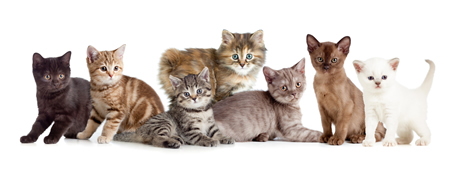
Adaptations cannot happen without variation among a population of organisms. Variation is the difference in traits among members of the same species.
All of these kittens have different traits even though they are all of the same species. This difference in traits is called variation.
Variations happen in a population because of mutations. A mutation is a change in an organism's genes. When an organism's genes change, its traits can change as well. Mutations can happen before birth or during an organism's life.
Finch beaks come in many sizes and shapes. Mutations to the genes controlling beak size and shape caused these differences.
Required
1 point
1
Question 20
20.
A difference in traits among__________is called variation. Variation is caused by mutations, which are changes to an organism's__________.
Required
1 point
1
Question 21
21.
All three of these fish are members of the same species. What can you conclude about these fish? (choose 2)
Mutations can be good, bad, or neutral. Good mutations help an organism survive in its environment and can lead to adaptation.
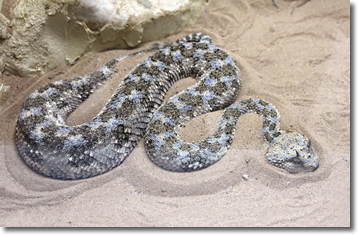
This viper's poisonous venom is an adaptation that came from a good mutation.
Bad mutations can cause an organism to have a shorter life.
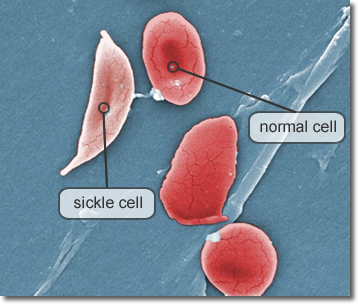
Sickle cell disease changes the shape of red blood cells and can lead to medical problems.
Required
1 point
1
Question 22
22.
How does a mutation change an organism? (choose 2)
Required
1 point
1
Question 23
23.
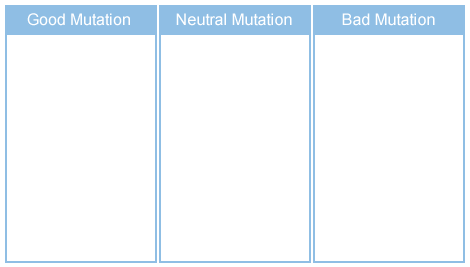
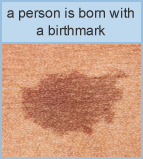
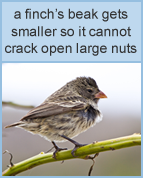
Categorize each of these traits as being caused by good, bad, or neutral mutations.
Other Answer Choices:
Check for Understanding:
1. Adaptations are possible because of variation in a population.
2. Variation is the difference in traits among members of the same species.
3. A mutation is a change in an organism's genes.
4. Mutations can be good, bad, or neutral.
Required
1 point
1
Question 24
24.
Natural selection says that__________individuals are__________likely to pass on their__________.
Required
1 point
1
Question 25
25.
Put the steps of natural selection in order:
After many generations, all the deer run faster.
A deer's genes mutate so some can run faster.
The faster deer live longer and reproduce more.
Required
1 point
1
Question 26
26.
Natural selection says that the traits that help an organism survive __________.
Required
1 point
1
Question 27
27.
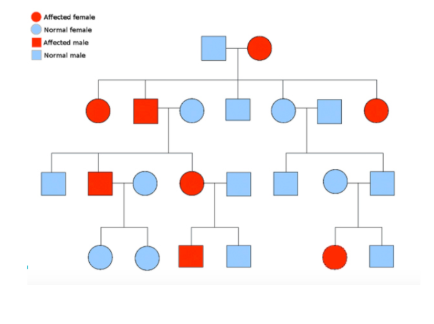
Use the pedigree chart to answer the question:
What is the genotype of person I-2
Required
1 point
1
Question 28
28.
Use the pedigree chart to answer the question:
What is the genotype of person IV-4
Required
1 point
1
Question 29
29.
Use the pedigree chart to answer the question:
If person IV-1 and IV-3 what is the probability that their offspring will have the dominant trait?